I know the difference between social righteousness & biblical righteousness! How about you?
Dr. Graham says "Humanity has always been dexterous at confusing evil with good. That was Adam and Eve’s problem, and it is our problem today."
https://t.co/cdJABNTC5D
Through shedding innocent blood, substitutionary death, and the role of a high priest, these rituals foreshadowed how Jesus would become the perfect "Lamb of God" who takes away the sin of the world.
Jesus has fulfilled much of Scripture. The entire story of the Old Testament is seen as finding its intended meaning and conclusion in Jesus. And ultimately, this new agreement in His blood (Matthew 26:28; Luke 22:20) will find its total fulfillment when Jesus comes back.
Animal sacrifices served as an annual reminder of guilt, but Jesus' sacrifice inwardly cleanses the conscience, allowing believers to approach God with confidence. The blood of bulls and goats was merely a shadow, but the sinless blood of Christ secures...
Jesus is the new & better sacrifice. His sacrifice is the ultimate fulfillment of God's covenant, replacing the temporary repeated animal sacrifices of the Old Testament with a single perfect offering that permanently cleanses believers from sin & grants them direct access 2 God.
The animal sacrifices of the Old Testament have been replaced by the once-for-all sacrifice for sin given by Jesus, the Messiah. Remember testament means an agreement, a covenant between God and man.
Jewish animal sacrifices stopped in 70 AD when the Roman army destroyed the Second Temple in Jerusalem. According to the Law of Moses, animal offerings could only be performed at a designated central altar. Without the Temple, the sacrificial system permanently ceased.
Jesus’ sacrifice was superior to all other sacrifices because He offered it effectively one time and it was sufficient to pay for sin. He was the sacrifice that actually perfected the people it was offered for, unlike the sacrifices and blood of bulls and goats.
Because of His humanity, Jesus paid the price as a substitute (1st John 2:2). Because of His deity and sinlessness, He was qualified to pay the price and didn’t owe the debt for Himself.
Because Jesus was born of a virgin, and He was conceived by the Holy Spirit He bypassed the inherited “Adamic” sin nature and was born completely free of original sin. Allowing Him to live a perfectly sinless life, and serve as the spotless sacrifice for humanity.
Jesus always existed as God (Philippians 2:6). He became a man so that He could pay the penalty that all humanity owed God. By not having a human father, Jesus was born without the fallen nature inherited from Adam.
According to Hebrews 10:4, the blood of bulls and goats could not take away sins. While these sacrifices were part of a divine system, they were designed only to temporarily "cover" sin and serve as a "reminder" of sin rather than providing permanent cleansing.
But as long as those sacrifices continued, there was a reminder for the people of their guilt before God and the importance of dealing with that guilt as He had ordered (Hebrews 10:3).
If those sacrifices had been effective for making a person righteous, then they would not have continued. People would have recognized their guilt was removed and would not have offered more sacrifices to God for their guilt (Hebrews 10:2).
The sacrifices for sin that the Law of Moses required were incapable of making perfect those who offered them. This is why the sacrifices had to be offered continually and repeatedly, they were not effective in achieving the righteousness of God for humanity.
Hebrews chapter 10 explains how Jesus’ sacrifice is superior 2 the sacrifices required N the Law of Moses. The law is described as “a shadow of the good things to come” (Hebrews 10:1a). The law merely pointed forward 2 something better & was not N itself the climax of God’s plan.
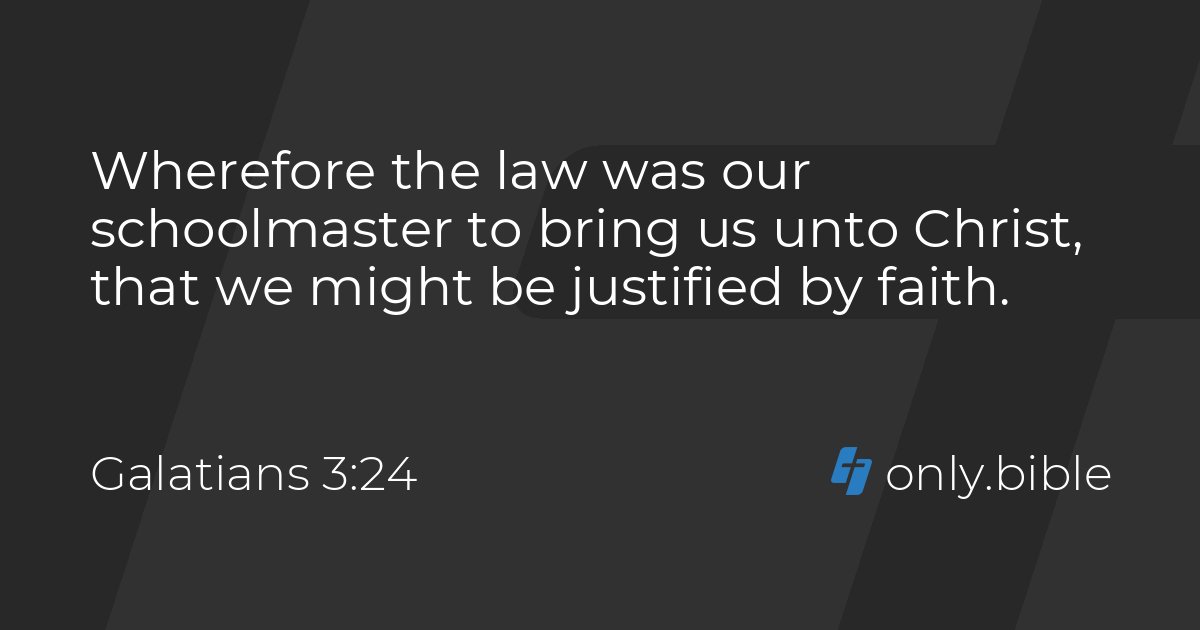
That sacrificial system demonstrated that it is not possible for the blood of bulls and goats to take away sins (Hebrews 10:4). That system pointed people forward to one who would be able to take away sins by the shedding of His own blood (Galatians 3:24).