Trump Appoints Musk to Lead “Department of Government Efficiency” — A True Reform or a Return to Political Patronage?
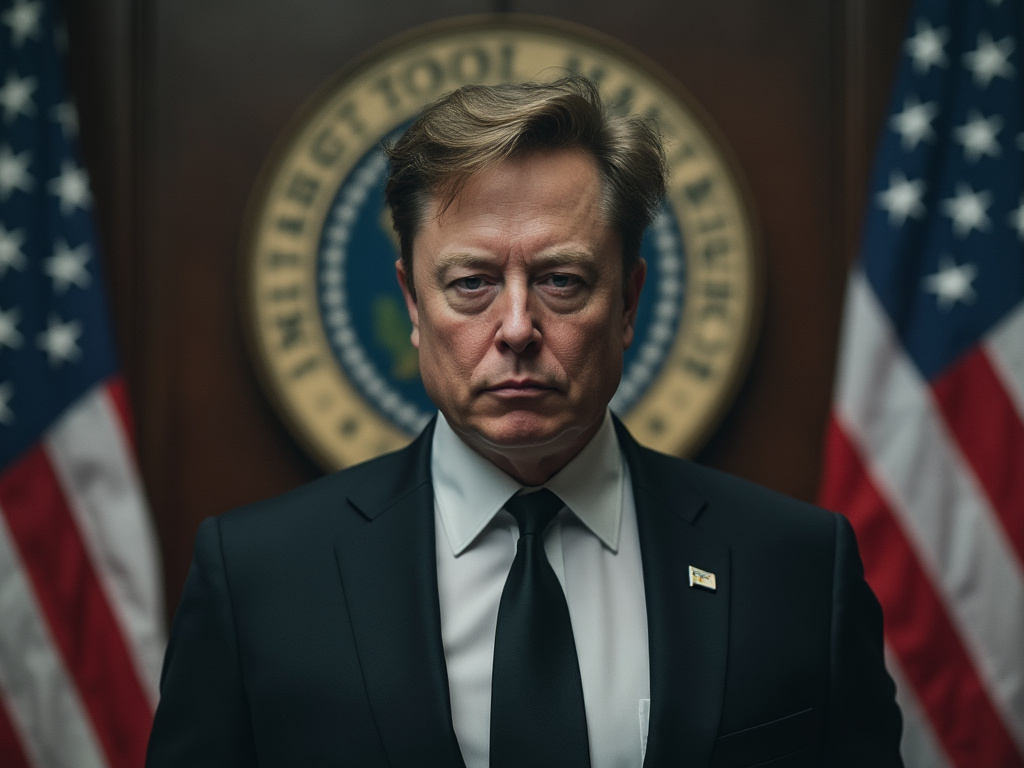
@ElonMusk, CEO of @Tesla and the largest financial backer of Trump’s 2024 campaign, is set to join the Trump cabinet. On November 13 at 8:46 AM (Taipei time), Trump announced on his social media platform Truth Social that Musk, along with his ally, entrepreneur @VivekGRamaswamy, will head the newly established “Department of Government Efficiency.” According to Trump, they will be tasked with dismantling bureaucratic red tape, cutting excessive regulations, trimming unnecessary spending, and restructuring federal agencies.
Trump likened this initiative to a modern-day “Manhattan Project,” referring to the World War II atomic bomb program, stating that the new department would collaborate with the White House and the Office of Management & Budget to drive large-scale structural reforms and create a novel model of efficient governance. Trump concluded by emphasizing that their work will be completed by July 4, 2026, aiming for a leaner, more efficient government with less bureaucracy.
What is Bureaucracy?
In his statement, Trump frequently referenced the term “bureaucracy,” so let’s begin there. According to German sociologist Max Weber’s theory, bureaucracy is an ideal form of organization, emphasizing professional specialization, hierarchical structuring, procedural consistency, impersonal management, and career-based administration. Weber argued that this structure enhances administrative efficiency and is essential in modern society. Thus, “bureaucracy” often describes a specific type of organizational structure and management style, originally without a positive or negative connotation.
However, over time, “bureaucracy” has come to evoke negative associations in public discourse, often linked with inefficiency, red tape, and corruption. This shift reflects growing public dissatisfaction with bureaucratic systems that fail to meet their intended goals.
Political Patronage in U.S. History: A Source of Federal Corruption
Discussing the history of America’s public administration requires examining the “spoils system,” a political patronage model that prevailed in the early days of the United States. This system encouraged deep-rooted corruption by using government positions as rewards for political supporters, not as roles assigned on merit. This practice undermined both government efficiency and impartiality, spawning widespread corruption and a disorderly administrative environment.
President Andrew Jackson’s approach was distinctly different from the elite-driven politics of his predecessors. As the nation’s seventh president, Jackson expanded executive power, opposed the national bank, and implemented the spoils system to curb interest groups’ control over government jobs, aiming to represent small business owners and emerging social classes. His administration promoted populism and broadened democratic access.
Under Jackson’s spoils system, over 70 journalists and editors were given government jobs, strengthening ties with the press and reflecting the media’s dependence on partisan politics. This entanglement was unprecedented, revealing how media and politics became deeply intertwined.
Over time, however, this system proved counterproductive, leading to delays in government response to fiscal issues due to divided control of the legislative branches. Patronage also fragmented policy across regions, intensifying inconsistencies and making national policies harder to implement effectively.
The spoils system even compromised governmental fairness, notably through practices like gerrymandering, where manipulating district boundaries distorts democratic outcomes to favor political elites over the broader populace. Additionally, it led to inequitable resource allocation, such as states declining federal grants to preserve political independence, which often sacrificed public welfare.
The Grant administration’s era typified corruption under the spoils system, remembered as one of America’s most scandal-plagued periods. Around 1872, government officials were implicated in the Union Pacific Railroad and Credit Mobilier scandal, and President Grant’s personal secretary was embroiled in a tax fraud scheme with distillers. Congress finally enacted the Pendleton Act in 1883, marking a watershed in civil service reform by introducing competitive examinations, tenure, and political neutrality in federal hiring practices to curb patronage’s excesses.
Biden Expands Bureaucracy, While Trump Plans to Start by Abolishing the Department of Education
In 2023, the Biden administration announced plans to expand numerous federal agencies, aiming to add 82,000 federal employees in the 2024 fiscal year — a 3.6% increase that would bring the federal civilian workforce to its highest level since World War II. Treasury, particularly the IRS, is expected to see a significant boost, with 13,000 new hires. The National Park Service plans to add around 1,400 employees, marking a 7% increase. The Department of Labor projects a 7% staff increase in 2023, with certain divisions expanding further. Additionally, the Environmental Protection Agency (EPA) intends to add 1,900 full-time positions — a 16% increase from 2022. Meanwhile, the Department of Homeland Security is recruiting to address specific needs, including adding 350 border patrol agents and bolstering other sections like Immigration and Customs Enforcement (ICE) and @FEMA.
Given the context of America’s high national debt and economic downturn, it’s unsurprising that Trump would quickly seek to downsize government with two business leaders at the helm. His first target may well be the Department of Education, aligning with the @Heritage Foundation’s 2025 Presidential Transition Project, a 2022 proposal. This project argues that federal involvement in education has not significantly improved student outcomes despite substantial funding. Citing decades of stagnating national reading and math scores, the plan suggests that a locally managed educational system could better address student and family needs. The Department of Education, critics argue, has become overly bureaucratic, burdening state and local educational systems with extensive regulations that drain resources from the classroom.
A core goal of the proposal is to transfer decision-making power over educational policy and funding to state and local governments, reasoning that this shift would reduce costs associated with federal compliance, allowing funds to be allocated more flexibly to meet local educational needs. The plan also recommends converting federal education funding into less restrictive block grants to decrease federal influence and empower states. It emphasizes supporting parental choice, advocating for an education system shaped by family preferences rather than centralized policy. The dissolution of the Department of Education would allow families greater freedom in choosing educational options, including private and alternative schools.
Unlike Taiwan’s centralized education system, the United States operates under a decentralized governance model with federal, state, and local layers. The federal Department of Education’s authority is limited; it does not directly manage day-to-day educational operations at any level. Instead, state Departments of Education and state Boards of Education, which operate independently within each state, hold primary responsibility for educational success, policymaking, and oversight of local school districts.
The federal Department of Education oversees and coordinates interstate educational matters, including policy advocacy, funding allocation, research, and data collection. Beginning with President George H.W. Bush’s national education reform initiatives, subsequent presidents like Clinton, with the Goals 2000: Educate America Act of 1994, and George W. Bush, with the 2001 No Child Left Behind Act, have pushed for national educational reform. These efforts sought to drive improvements in student performance nationwide. Trump’s potential second term could bring an end to such federal involvement.
The Steps Required to Establish the “Department of Government Efficiency”
Reforming public institutions differs fundamentally from business restructuring, as it requires more than an executive order. Establishing a new federal department in the U.S. requires Congressional approval, as the Constitution grants Congress the power to create federal agencies. Article I of the Constitution delegates legislative authority to Congress, including the creation of departments and their functions. While the president may reorganize or eliminate certain appointed roles, creating a new federal agency requires legislative support.
Typically, creating a “Department of Government Efficiency” would involve these steps:
1. Drafting Legislation: The president or a member of Congress drafts a bill proposing the new department.
2. Congressional Approval: The proposal must pass through both the House and Senate, a process that includes committee reviews, potential amendments, and votes.
3. Presidential Signature: If both chambers pass the bill, the president signs it into law.
4. Implementation Plan: Once the law takes effect, a detailed implementation plan must outline the new department’s mission, structure, staffing, and budget needs.
5. Funding Allocation: Congress must approve funding, as federal agencies cannot operate without an approved budget.
Even with a Republican majority, quickly passing the required legislation and securing funding for a new department could prove time-consuming. Trump’s fully Republican-controlled administration may last only two years, raising questions about whether such an extensive restructuring can be achieved within this timeframe.
Are Key Donors Becoming Political Appointees?
Musk and Ramaswamy’s entry into Trump’s potential second-term cabinet may fuel concerns of a return to early American political patronage. While there is no record of Ramaswamy contributing financially to Trump or Republican congressional candidates, Musk’s contributions alone exceed $132 million. Musk’s @America PAC, a super PAC he founded, contributed $118.6 million over the year, including $43.6 million in October alone. Musk also donated $10 million to the Senate Leadership Fund, which supports Republican Senate candidates, and $2.3 million to Sentinel Action Fund.
Musk’s @America PAC has spent approximately $105 million to support Trump’s campaign as of October 16, 2024, focusing on boosting Trump’s voter turnout in key swing states and aiding Republican candidates in battleground districts.
In addition to financial backing, Musk has leveraged his social media platform, @X (formerly @Twitter), to amplify pro-Trump messages, reactivating Trump’s account and promoting content aligned with his views. This platform has become an influential tool for Trump’s campaign.
Musk’s appointment as head of government restructuring may appear to reward his political contributions, sparking debates about the influence of high-profile donors in the executive branch.
Did Trump Appoint a “Border Czar” in the Mold of Eisenhower or Obama?
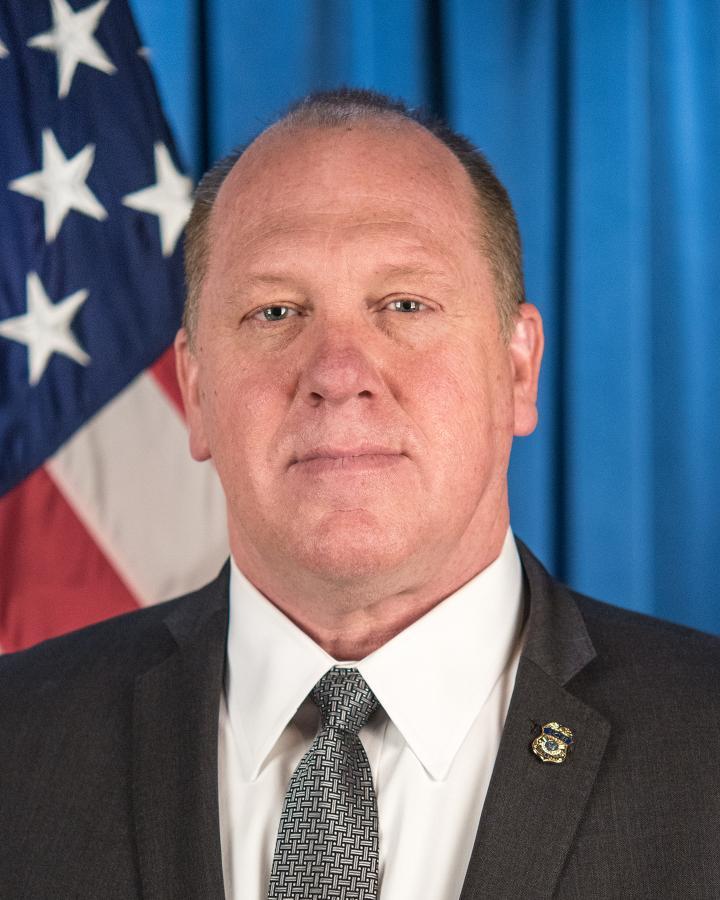
The 2024 U.S. election has just concluded, with Republican presidential candidate Donald Trump securing a significant victory with 312 electoral votes over Democratic candidate Kamala Harris, who won 226. Republicans have also taken the lead in Congress, claiming 53 seats in the Senate and 216 in the House, outpacing the Democrats in both chambers. As Trump begins assembling his cabinet, he has appointed campaign co-manager Susie Wiles as White House Chief of Staff and tapped Thomas Homan (@RealTomHoman), the former Acting Director of the U.S. Immigration and Customs Enforcement (ICE) during Trump’s first term, as the new “Border Czar.” Homan, who also served as ICE’s Executive Associate Director of Enforcement and Removal Operations under Obama, is tasked with overseeing U.S. border affairs. In his announcement, Trump stated, “He will be responsible for returning all illegal foreign nationals to their countries of origin.”
In my previous article, Trump Wins! Sweeps All Seven Swing States, the World Trembles a Second Time, I detailed Operation Wetback, the 1954 large-scale deportation effort initiated by former U.S. President Dwight D. Eisenhower, the only U.S. five-star general to have visited Taiwan. While we won’t revisit Eisenhower’s historical operation here, we can draw parallels to a more recent example: Obama.
Obama’s Deportation Numbers Surpassed Trump’s
Homan, a tough-minded new “Border Czar,” joined the Obama administration in July 2013 and, in 2015, was awarded the Presidential Rank Award as a Distinguished Executive by President Obama. At the time, The Washington Post praised him, stating, “Thomas Homan deports people. And he’s really good at it.” While Trump’s stance on deporting illegal immigrants has been publicly stringent, deportation data from the Obama administration paints a different picture. Obama’s total deportation numbers far exceeded those under Trump and Biden.
Estimates indicate that approximately 2.5 million undocumented immigrants entered the U.S. during Obama’s presidency, driven largely by migration from Central America due to regional violence and instability. Obama, often referred to as the “deporter-in-chief,” removed around 3.2 million people during his first term (2009–2012) and another 2.1 million in his second term (2013–2016). In total, about 5.3 million individuals either departed voluntarily or were deported during his tenure.
In comparison, Trump’s administration deported around 1.5 million undocumented immigrants from 2017 to 2021. Although Trump was vocal about large-scale deportations, actual numbers did not surpass those under Obama. As of early 2024, Biden’s administration has deported approximately 1.49 million individuals since taking office.
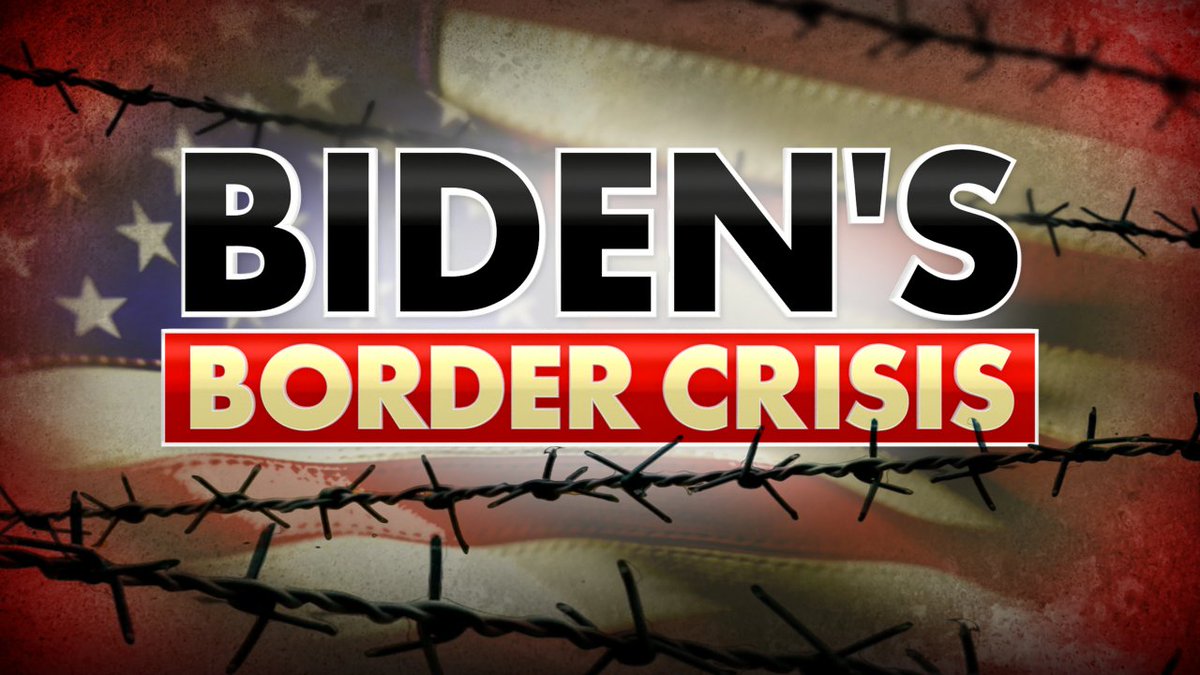
Since President Biden assumed office on January 20, 2021, conservative network FOX News has reported frequently on a “border crisis” triggered by rising numbers of undocumented immigrants. Reports indicate that more than 8 million undocumented immigrants have crossed into the U.S. since Biden took office, a number relatively low during Trump’s administration. Biden’s less defined immigration policies have reportedly encouraged refugees from Central and South America to risk crossing the U.S.-Mexico border in pursuit of the “American Dream.”
Meanwhile, “red states” along the southern border, governed by Republicans, have voiced strong opposition to Biden’s policies and have responded by transporting undocumented immigrants via buses to Democratic strongholds like New York City, Chicago, and Washington, D.C. This tactic has even sparked division within the Democratic Party. Some Democratic officials have expressed frustration with the Biden administration’s lack of support and coordination in managing the influx. Illinois Governor @JBPritzker publicly criticized the federal response, stating that local governments were overwhelmed by the sudden arrival of thousands of immigrants. New York City Mayor
@EricAdamsForNYC echoed this sentiment, remarking, “New York is out of space.” Cities like New York, Chicago, Boston, San Diego, and Denver have appealed to the federal government for increased funding, support, and coordination as they struggle to accommodate thousands of new arrivals.
The rising undocumented population is straining public services in blue states, impacting housing, healthcare, and education. New York City’s expenditure on undocumented immigrants has reached an estimated $308 million since July 2024, with projected annual costs expected to hit $4.75 billion.
Beyond Latin America: Trump’s Second Term Likely to Tighten Policies on Chinese Immigrants and Students
Stephen Miller (@StephenM), who served as a senior advisor during Trump’s first term, has now been appointed Deputy Chief of Staff at the White House. Known for his stringent stance on immigration, Miller spearheaded several restrictive immigration policies during Trump’s initial tenure. According to a report from the Financial Times cited by Hong Kong’s China Review News Agency in early October 2018, Miller, then an immigration policy advisor in the Trump White House, attempted to persuade Trump to halt all student visas for Chinese nationals that spring. However, concerns over the potential economic and diplomatic impacts led then-U.S. Ambassador to China Terry Branstad and various university leaders to oppose the plan, and Trump ultimately decided against Miller’s proposal. Nevertheless, as of June 11, 2018, the U.S. State Department limited visa durations for Chinese graduate students in select high-tech fields to one year. Miller is expected to work closely with the newly appointed “Border Czar” Thomas Homan to jointly enforce stricter deportation measures for undocumented immigrants.
Florida Republican Congressman @MichaelGWaltz, appointed as Trump’s National Security Advisor, has long supported a hardline stance on China. Waltz’s background and focus on national security suggest that he may advocate for policies to limit China’s influence in the U.S., which could extend to educational and immigration policies affecting Chinese students.
@JohnRatcliffe, appointed as @CIA Director, previously underscored China’s threat as Director of National Intelligence. In a December 2020 op-ed in The Wall Street Journal, Ratcliffe wrote, “The intelligence is clear: Beijing intends to dominate the U.S. and the rest of the planet economically, militarily, and technologically.” He argued that China’s major initiatives and prominent companies often disguise Communist Party activities. His focus on countering espionage and influence operations could affect policies impacting Chinese nationals, including students.
Before even taking office, Trump has appointed a roster of hawkish figures to head national security and border control, signaling his administration’s strong commitment to “reform.”
川普任命的「邊境沙皇」是效仿艾森豪?還是歐巴馬?
2024美國���選甫落幕,截稿前,共和黨總統候選人川普拿下312選舉人票大贏民主黨總統候選人賀錦麗的226選舉人票,共和黨在參眾議院各拿下53席與216席,全面領先民主黨。而川普也開始了內閣人事任命布局,除了任命競選團隊共同經理威爾斯(Susie Wiles)擔任白宮幕僚長,更任命前歐巴馬政府的移民和海關執法局執法和驅逐行動執行副主任(Immigration and Customs Enforcement’s executive associate director of enforcement and removal operation)、也是曾任川普第一任期美國移民及海關執法局代理局長(Acting Director of the U.S. Immigration and Customs Enforcement)的湯瑪斯·霍曼( Thomas Homan,@RealTomHoman)為新任「邊境沙皇」(Border Czar),負責管理美國邊境事務。川普更在文中寫道,「他將負責將所有非法外國人驅逐回原籍國」。
如同筆者在〈川普當選!七搖擺州全贏,全世界第二次顫抖〉一文中,已對於至目前為止唯一一位到訪過台灣的已故美軍五星上將、美國第34任總統艾森豪(Dwight Eisenhower)於1954年發起大規模驅逐移民的「回頭計畫」(Operation Wetback)有詳細解釋,這裡就不加論述。但我們可以看看更近期的案例:歐巴馬。
歐巴馬驅逐非法移民數量贏過川普
這位強硬的新「邊境沙皇」,2013年7月加入歐巴馬政府,2015年,時任美國總統歐巴馬更授予他「傑出行政人員總統級獎項」(Presidential Rank Award as a Distinguished Executiv)。 《華盛頓郵報》(@washingtonpost)��時報導盛讚,「湯瑪斯·霍曼驅逐非法移民。而且他真的很擅長」(Thomas Homan deports people. And he’s really good at it)。我們或許很清楚川普驅逐非法移民的清楚政策與目標,但若以數據而言,歐巴馬政府時期的驅逐數量,恐怕遠超於川普與拜登。
據估計,在歐巴馬總統任期內,大約有250萬非法移民進入美國。這一時期出現了來自中美洲的大量移民,特別是由於這些地區的暴力和不穩定。而歐巴馬任總統期間,以高驅逐出境人數而聞名,常被稱為「驅逐出境總司令」(deporter-in-chief)。他在第一個任期(2009-2012年)期間驅逐了大約320萬人,在他的第二個任期(2013-2016 年)期間驅逐了大約210萬人。在他的兩個任期內,驅逐出境的非法移民總人數約為530萬,其中包括驅逐和自願返回。
根據川普政府的報告,2017至2021年約有150萬非法移民被驅逐出境。儘管他高調承諾將大規模驅逐出境,但實際數字並沒有超過歐巴馬。而截至2024年初,拜登政府自上任以來已驅逐非法移民約149萬人。
自2021年1月20日拜登總統就任以來,美國保守派電視台福斯新聞(@FOXNews)對於非法移民引發邊境危機的報導頻繁且相當關注。報導中提到,自拜登上任以來,美國已經遇到超過800萬名非法移民,而這項數字在川普執政期間相對較低。拜登不明確的移民政策,讓許多擁有「美國夢」的中南美洲難民,不惜冒上生命危險,企圖闖關美墨邊境,偷渡入境美國。
然而,連接美墨邊境的「紅州」,即共和黨執政的州,除了不認同拜登的政策,更因為非法移民的壓力,開始做出反制,將非法移民透過公車送往紐約、芝加哥和華盛頓特區等民主黨執政的城市,這項策略還導致了民主黨內部的分裂。一些民主黨官員對拜登政府在處理移民湧入方面沒有提供足夠的支援或協調表示失望。伊利諾伊州州長J·B·普利茨克(@JBPritzker)公開批評聯邦政府的應對措施,表示地方政府對突然到來的數千名移民不堪重負;紐約市長亞當斯 (@EricAdamsForNYC) 也公開批評拜登政府,「紐約已經沒有空間了。紐約、芝加哥、波士頓、聖地牙哥和丹佛等主要城市都在努力應對突然到來的數千名移民,並懇求聯邦政府提供更多幫助、資金和協調」。
面臨突然增加的非法移民人口,對「藍州」的住房、醫療、教育等公共服務造成巨大壓力。紐約市長亞當斯表示,該市自2024年7月以來已為非法移民花費約3.08億美元,預計全年支出將達47.5億美元。
不只對拉美,川普第二任期恐對中國移民及留學生更強硬
史蒂芬·米勒(Stephen Miller,@StephenM)這位曾在川普第一任期擔任高級顧問的人物,這次被任命為白宮副幕僚長。米勒以其嚴格的移民立場聞名,在川普第一任期內主導了多項限制移民的政策。香港中國評論通訊社引述英國《金融時報》2018年10月初報導,時任川普政府白宮移民政策顧問的米勒當年春天,試圖說服川普終止向中國公民發放所有學生簽證。但由於擔心其經濟和外交影響,米勒的計劃遭到當時的美國駐華大使布蘭斯塔德和其他大學校長的反對,特朗普最終沒有採納米勒的建議。但2018年6月11日以後,美國國務院將發給在某些高科技學科學習的中國研究生的簽證期限縮短至一年。米勒預計將與前面提到的「邊境沙皇」霍曼密切合作,共同驅逐非法移民。
被川普任命為國安顧問的共和黨籍佛州聯邦眾議員瓦爾茲(@MichaelGWaltz)一直主張對中國採取強硬立場,他的背景和對國家安全問題的關注表明,他可能支持限制中國在美國影響力的政策,這可能延伸到影響中國學生的教育和移民政策。
被任命為中央情報局局長的約翰·雷克里夫(@JohnRatcliffe)在擔任國家情報總監時強調了中國構成的威脅。雷克里夫2020年12月在《華爾街日報》一篇專欄文章中寫道,「情報很明確:北京打算在經濟、軍事和技術上主宰美國和全球其他地區」、「中國的許多重大公共舉措和知名公司只為中國共產黨的活動提供了一層偽裝」。他專注於打擊間諜活動和影響力行動,這可能影響在美中國公民(包括學生)的政策。
言而總之,川普還未上任,已任命多位鷹派人物掌權國安與邊境部門,展現強大「改革」決心。