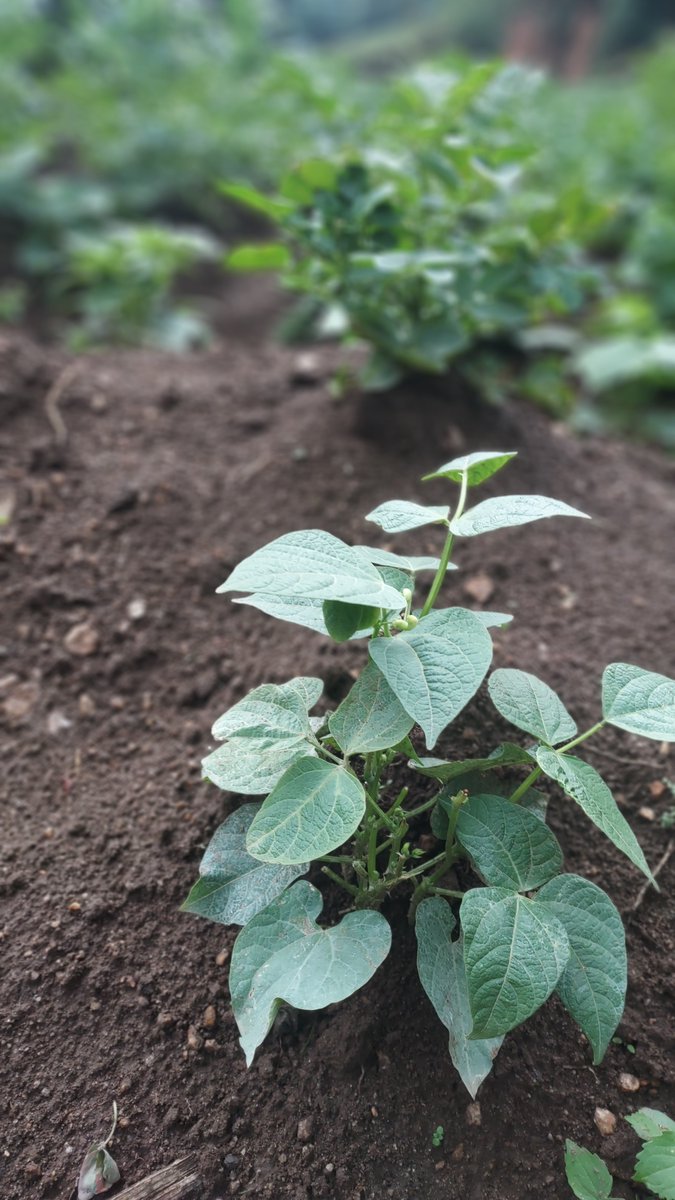
Every successful bean farm starts with quality seeds, good land preparation and a clear production plan.
Farm with knowledge, not guesswork. #InvestInAg#YouthInAg
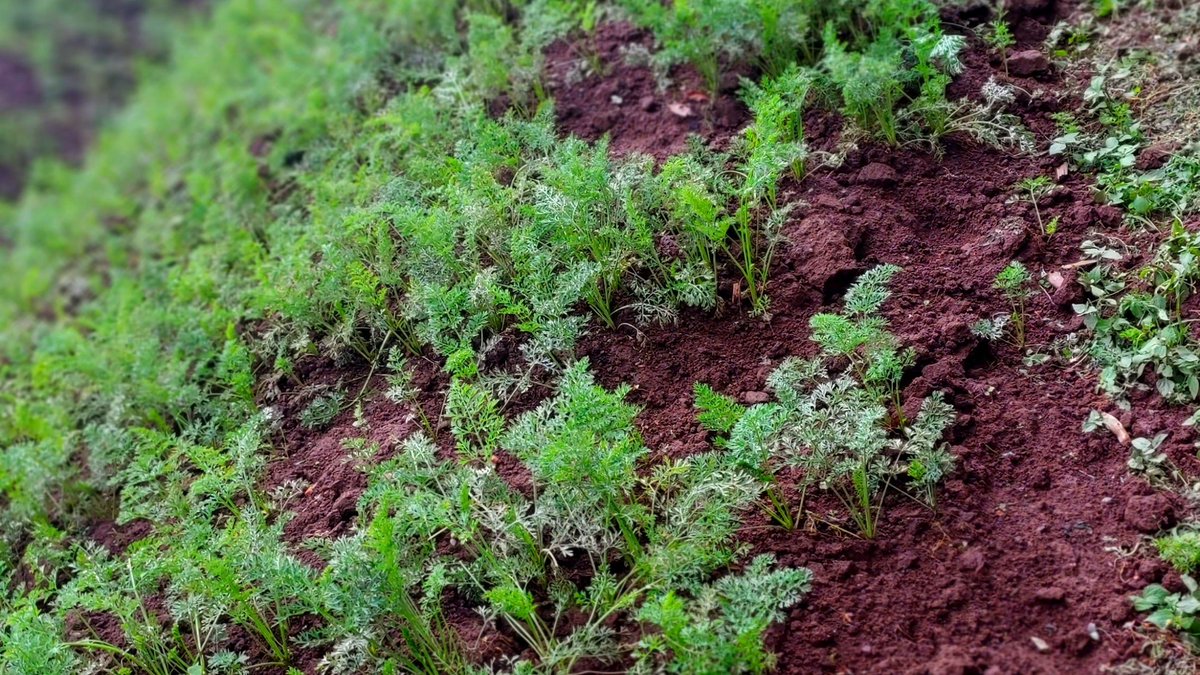
Good carrot farming starts with well-prepared, loose soil.
Since the roots develop underground, proper soil preparation helps produce straight, quality carrots.#InvestInAg
CARROT GROWTH STAGES AND HOW TO IMPROVE LOW YIELDS
Carrot farming can be productive when each growth stage receives the right care. If your carrots are producing small roots, uneven plants, or low yields, understanding the crop's development can help you identify what needs to change.
1. SEEDING AND LAND PREPARATION
Carrots grow best in deep, loose, well drained soil that allows roots to develop freely. Prepare a fine seedbed and remove stones, hard soil clods, and undecomposed plant material that can cause forked or misshapen roots.
Sow quality seed directly into the field because transplanting can damage the developing taproot. Cover the seeds lightly and keep the soil moist during germination. Carrot seeds can take up to two or three weeks to emerge, depending on conditions. <Cite refs={["turn721744search2","turn721744search3","turn721744search9"]}/>
2. GERMINATION AND SEEDLING ESTABLISHMENT
Poor germination can lead to gaps and low plant populations. Maintain consistent moisture without waterlogging, and avoid allowing the soil surface to dry out or form a hard crust.
Check seed quality, sowing depth, and watering practices if emergence is poor. Control weeds early because young carrot seedlings grow slowly and compete poorly against weeds. <Cite refs={["turn721744search4","turn721744search7"]}/>
3. VEGETATIVE GROWTH
At this stage, carrots develop their leaves, which capture sunlight and support root development.
Thin overcrowded seedlings to the recommended spacing for your variety and target market. Crowded plants compete for light, water, nutrients, and space, resulting in smaller roots. Remove weeds carefully and avoid deep cultivation that could damage the roots.
4. ROOT DEVELOPMENT AND ENLARGEMENT
This is a critical stage for marketable yield. The edible taproot expands, and the plant needs adequate moisture, suitable soil conditions, and balanced nutrition.
Water consistently, particularly during dry periods. Alternating between very dry and very wet soil can contribute to root cracking and poor quality. Avoid excessive nitrogen fertilizer because it can encourage leafy growth at the expense of desirable root development.
5. MATURITY AND HARVESTING
Harvest according to the maturity period and root size recommended for your variety and market. Many carrot varieties mature in approximately 60 to 90 days, although the actual period depends on the variety and growing conditions.
Harvest carefully to prevent broken, bruised, or damaged roots. Sort the carrots according to size and quality, and keep harvested roots shaded to reduce moisture loss.
HOW TO IMPROVE CARROT YIELDS WHEN PRODUCTION IS LOW
First, identify the cause rather than applying more fertilizer immediately.
If roots are small, check plant spacing, soil fertility, moisture availability, and whether weeds are competing with the crop.
If roots are forked or twisted, investigate compacted or stony soil, root injury, overcrowding, and possible root pests.
If germination is poor, check seed quality, sowing depth, soil moisture, and surface crusting.
If leaves are healthy but roots remain small, review plant density, nutrient balance, and the crop's stage of development. Excessive nitrogen may encourage leaf growth without producing the root size you expect.
If plants are yellow, stunted, or diseased, inspect the roots and leaves for signs of pests, diseases, poor drainage, or nutrient deficiencies before choosing a treatment.
Finally, maintain field records of seed variety, planting date, spacing, fertilizer applications, watering, pest management, and harvest results. These records help you identify which changes improve production in the next season.
Carrot yield is not determined by seed alone. Soil preparation, uniform establishment, proper spacing, consistent moisture, weed control, and balanced nutrition all contribute to the final harvest.
Grow with knowledge. Manage every stage. Improve every harvest.
#YouthInAg #InvestInAg
CARROT FARMING: A BUSINESS FULL OF OPPORTUNITIES 🥕
Carrot farming can create income and employment opportunities for young people. Carrots are used in homes, restaurants, hotels, supermarkets, juice businesses and food processing.
You can start on a small plot, learn proper production practices, and expand as your market grows. Opportunities exist in fresh carrot production, supplying vegetable vendors, washing and packaging, bulk trading, and delivering directly to restaurants and retailers.
To improve profitability, choose suitable varieties, prepare deep and loose soil, maintain consistent moisture, control weeds early, and harvest at the right maturity. Before planting, identify reliable buyers and calculate the costs of seeds, labour, irrigation, transport and packaging.
The opportunity is not only in growing carrots, but also in connecting farmers to markets and reducing post harvest losses.
Would you consider carrot farming as a business?
#YouthInAg #InvestInAg #CarrotFarming #Agribusiness
EARTHING UP CARROTS: WHY DOES IT MATTER?
In carrot farming, lightly covering exposed shoulders of developing roots with loose soil helps prevent them from turning green due to sunlight exposure.
However, carrots do not require heavy earthing up like Irish potatoes. The main goal is to keep the roots covered without disturbing their growth.
For better results, maintain consistent soil moisture, control weeds carefully, and avoid compacting the soil. Deep, loose soil helps carrots develop straight, well shaped roots.
Remember, good carrot production starts with proper land preparation and continues with careful crop management.
#CarrotFarming #YouthInAg #InvestInAg #Agriculture
WEEDING CARROTS: A SMALL TASK WITH A BIG IMPACT!
Carrots grow slowly during their early stages, making them vulnerable to competition from weeds. Weeds compete with young carrot plants for water, nutrients, sunlight and space, which can reduce root development and overall yield.
Weed your carrot field early and regularly, especially during the first weeks after germination. Remove weeds carefully by hand or use shallow cultivation to avoid damaging the delicate carrot roots.
Remember, carrot roots develop underground, so deep hoeing can cause injury, misshapen roots and reduced market quality.
A clean field, healthy roots and proper crop management are important steps toward a better harvest.
#CarrotFarming #YouthInAg #InvestInAg #Agriculture
FALL ARMYWORM IN MAIZE: HOW TO PROTECT YOUR CROP
Fall armyworm (Spodoptera frugiperda) is a destructive pest that attacks maize, especially during the early growth stages. The caterpillars feed on leaves, leaving irregular holes, ragged edges and sawdust like frass inside the maize whorl.
To manage this pest, inspect your maize field regularly, especially the young plants. Look for egg masses, small caterpillars and fresh feeding damage. Early detection makes control easier.
Use integrated pest management by monitoring the field, conserving natural enemies, and applying locally recommended biological or chemical control methods when necessary. If pesticides are needed, choose registered products, follow label instructions and wear appropriate protective equipment.
Remember: Early detection, timely intervention and regular field scouting can help reduce crop losses and protect maize yields.
#MaizeFarming #FallArmyworm #YouthInAg #InvestInAg
ORGANIC BEAN PRODUCTION: GROW HEALTHY CROPS, BUILD HEALTHY SOILS!
Organic bean production focuses on improving soil fertility, protecting beneficial organisms and producing quality beans using responsible farming practices.
Start with healthy, suitable bean seeds and prepare well drained soil. Apply mature compost or well decomposed organic manure to improve soil structure and provide nutrients. Plant at the recommended spacing, weed early to reduce competition, and rotate beans with non leguminous crops to help manage pests and diseases.
Monitor your field regularly for aphids, bean flies, leaf feeding insects and disease symptoms. Use preventive measures such as crop rotation, field sanitation and locally recommended biological controls. Organic production still requires careful nutrient management and effective pest monitoring.
For better yields, combine healthy seeds, fertile soil, timely weeding, adequate moisture and good crop management. Organic farming is not simply avoiding synthetic chemicals; it is building a productive and sustainable farming system.
#OrganicFarming #BeanProduction #YouthInAg #InvestInAg
ORGANIC CABBAGE FARMING: GROW HEALTHY FOOD NATURALLY!
Cabbage production can be a profitable opportunity for farmers who focus on soil health, responsible pest management and quality produce. Organic farming offers a way to grow cabbages while reducing reliance on synthetic fertilizers and pesticides.
Start by selecting healthy seeds and preparing fertile, well drained soil. Incorporate mature compost or well decomposed organic manure before planting to improve soil structure and nutrient availability. Raise healthy seedlings, transplant them at the recommended spacing, and maintain consistent soil moisture for proper head formation.
Weed early to reduce competition and rotate cabbage with crops from other plant families to help manage soil borne pests and diseases. Regularly inspect leaves for caterpillars, aphids and other pests. Use physical barriers, hand removal and locally approved biological controls where appropriate. Organic pesticides should only be used when permitted under your organic standard and according to label instructions.
For better yields, maintain balanced soil fertility, ensure good drainage and harvest firm heads at the right maturity.
Organic cabbage farming begins with healthy soil, careful observation and consistent crop management.
#OrganicFarming #CabbageFarming #YouthInAg #InvestInAg
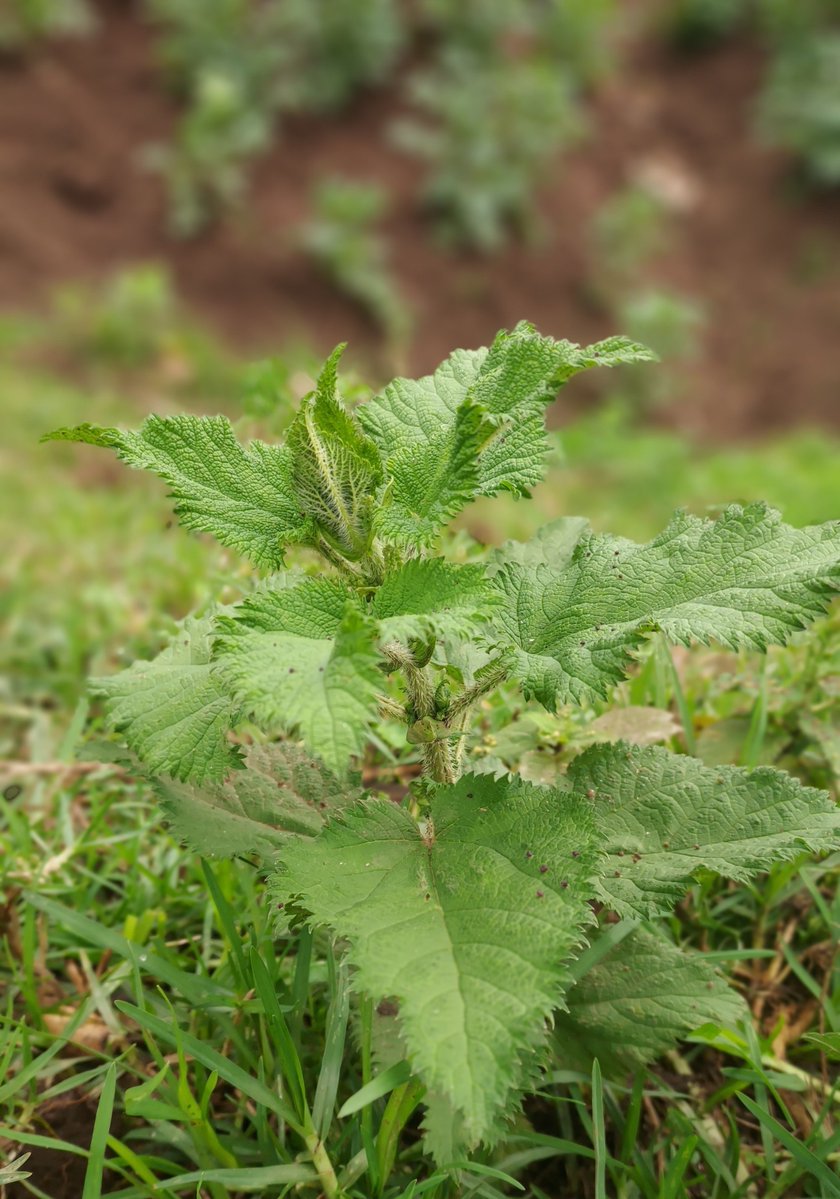
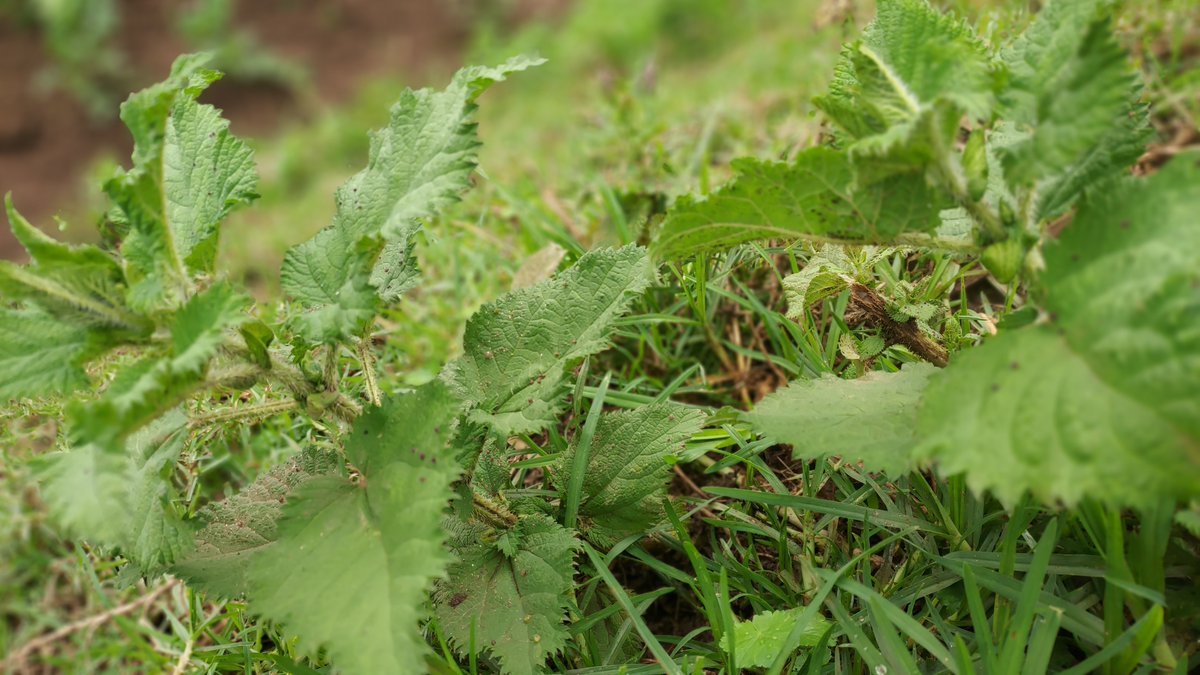
STINGING NETTLE: A WILD PLANT WITH NUTRITIONAL VALUE!
Stinging nettle (Urtica dioica) is a plant known for its stinging hairs, but it is also valued as an edible leafy vegetable and a source of nutrients.
Its leaves provide vitamins, minerals and plant compounds. When correctly identified and properly cooked, nettle can contribute to a balanced diet.
Here are some potential benefits:
1. Nutritional support: Provides nutrients, including vitamins and minerals, that support normal body functions.
2. Antioxidant compounds: Contains plant compounds that help protect cells from oxidative damage.
3. Dietary fibre: Can contribute fibre to the diet when eaten as a cooked vegetable.
4. Traditional uses: Nettle has a long history of use in traditional herbal practices, although many medicinal claims still need stronger scientific evidence.
5. Agricultural value: The plant can also be explored as a leafy vegetable or compost ingredient when managed responsibly.
Stinging nettle has a long history in traditional medicine. Researchers continue to study its potential health effects, but traditional use does not prove that it treats disease.
CLOVE BASIL: AN AROMATIC PLANT WITH POTENTIAL!
Have you ever seen this aromatic plant growing around homes or farms? 🌿
Clove basil (Ocimum gratissimum), also known as scent leaf or fever leaf, belongs to the mint family, Lamiaceae. Its distinctive smell comes from aromatic compounds found in its leaves.
Potential benefits and traditional uses
The leaves are traditionally used in herbal preparations and as a culinary herb. They contain plant compounds with antioxidant activity in laboratory studies. However, more human research is needed to establish their effectiveness and safety for treating specific illnesses.
Agricultural opportunities
Clove basil can be explored as a small scale herb crop for household gardens, culinary markets, nurseries and the production of dried aromatic leaves. Farmers should assess local demand, growing conditions and post harvest handling before investing commercially.
ISOMBE: A NUTRITIOUS TRADITIONAL FOOD AND FARMING OPPORTUNITY!
Have you ever enjoyed Isombe, one of Rwanda’s well known traditional dishes? 🇷🇼
Isombe is prepared from cassava leaves that are pounded or finely processed and cooked thoroughly. It is often served with beans, groundnuts, vegetables or other accompaniments, depending on local traditions and family preferences.
Nutritional value: Cassava leaves can provide protein, fibre, vitamins and minerals when properly prepared. They can contribute to a balanced diet, especially when served alongside other nutritious foods.
Agricultural opportunities: Growing cassava for its leaves can create income for farmers and small businesses. Opportunities include supplying fresh leaves to markets and restaurants, producing cassava roots and leaves on the same farm, and adding value through food preparation and catering.
Important safety tip: Raw cassava leaves contain naturally occurring cyanogenic compounds that can release cyanide. They must be processed and cooked thoroughly using established local methods before consumption.
Isombe reminds us that traditional foods can connect culture, nutrition and agricultural livelihoods.
#Isombe #RwandanFood #CassavaFarming #YouthInAg #InvestInAg