I just published my 200th article.
When I started writing, I thought I was documenting project management lessons.
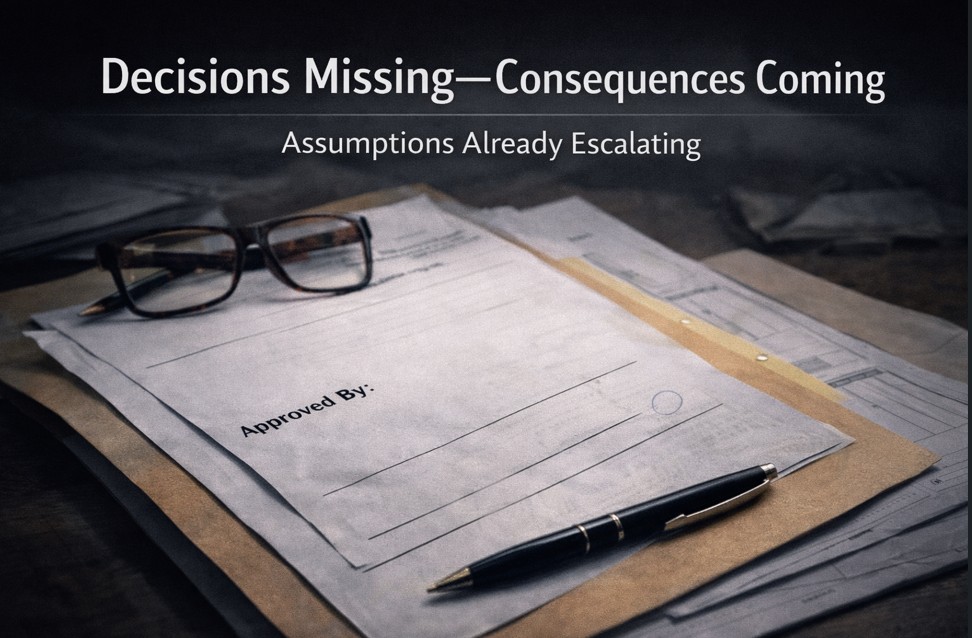
Two hundred articles later, I've learned that the most important project decisions are often made long before construction begins.
Unclear decisions.
Assumptions that go unchallenged.
Stakeholders operating from different expectations.
Authority separated from responsibility.
The further I've gone, the more I've found myself writing about the decisions behind projects as much as the projects themselves.
Buildings are rarely the hardest part.
Getting people to see the same project the same way usually is.
Grateful to everyone who reads, shares, and sees their own projects in the work. Still finding new lessons in capital projects.
See my Straight Talk archive at https://t.co/E8mdXw5tPZ
𝗪𝗵𝗮𝘁 𝗖𝗮𝗽𝗶𝘁𝗮𝗹 𝗟𝗲𝗮𝗱𝗲𝗿𝘀 𝗔𝗰𝘁𝘂𝗮𝗹𝗹𝘆 𝗘𝘃𝗮𝗹𝘂𝗮𝘁𝗲 — 𝗙𝗿𝗶𝗱𝗮𝘆 𝗘𝗱𝗶𝘁𝗶𝗼𝗻 #𝟭𝟮
𝗧𝗵𝗶𝘀 𝗪𝗲𝗲𝗸:
When Risks are Downplayed Instead of Clearly Explained
𝗪𝗵𝗮𝘁 𝘁𝗲𝗮𝗺𝘀 𝗼𝗳𝘁𝗲𝗻 𝗯𝗲𝗹𝗶𝗲𝘃𝗲:
Minimizing issues keeps the owner calm and preserves confidence.
𝗪𝗵𝗮𝘁 𝗰𝗮𝗽𝗶𝘁𝗮𝗹 𝗹𝗲𝗮𝗱𝗲𝗿𝘀 𝗮𝗰𝘁𝘂𝗮𝗹𝗹𝘆 𝗲𝘃𝗮𝗹𝘂𝗮𝘁𝗲:
Whether contractors and owner project managers have the professional courage to surface risk early instead of waiting for a safer moment to say it.
𝗪𝗵𝗮𝘁 𝘁𝗵𝗶𝘀 𝗺𝗲𝗮𝗻𝘀 𝗶𝗻 𝗽𝗿𝗮𝗰𝘁𝗶𝗰𝗲:
Both sides often fall into the trap of managing the owner’s reaction instead of managing the project’s risk.
Owners don’t lose trust because problems exist.
They lose it when teams spend more energy softening the message than confronting the risk itself.
By the time the “bad news” finally arrives, the low-cost solutions are usually gone.
Strong owner-side leadership surfaces emerging risk early while teams are still working the solution—so owners are never blindsided later.
Once owners stop trusting how risk is communicated, they start questioning every status update that follows—good and bad.
𝗧𝗵𝗲 𝗙𝗶𝘅:
Have the difficult conversation the moment the situation changes.
That’s what owners hired you to do.
An owner with time to act is always better off than one kept comfortable until it’s too late.
𝗧𝗵𝗲 𝗕𝗼𝘁𝘁𝗼𝗺 𝗟𝗶𝗻𝗲:
Owners can manage risk they understand.
They lose confidence when teams try to manage emotions instead.
RFIs aren’t the problem.
They’re the signal that decisions weren’t closed early enough.
Here’s where projects actually start bleeding cash:
👉 https://t.co/6BexjLcw9M
𝗪𝗵𝗮𝘁 𝗖𝗮𝗽𝗶𝘁𝗮𝗹 𝗟𝗲𝗮𝗱𝗲𝗿𝘀 𝗔𝗰𝘁𝘂𝗮𝗹𝗹𝘆 𝗘𝘃𝗮𝗹𝘂𝗮𝘁𝗲 — 𝗙𝗿𝗶𝗱𝗮𝘆 𝗘𝗱𝗶𝘁𝗶𝗼𝗻 #𝟭𝟬
𝗧𝗵𝗶𝘀 𝗪��𝗲𝗸:
When the Team That Wins the Interview Isn't the Team That Delivers
𝗪𝗵𝗮𝘁 𝗰𝗼𝗻𝘀𝘂𝗹𝘁𝗮𝗻𝘁𝘀, 𝗰𝗼𝗻𝘁𝗿𝗮𝗰𝘁𝗼𝗿𝘀, 𝗮𝗻𝗱 𝘃𝗲𝗻𝗱𝗼𝗿𝘀 𝗼𝗳𝘁𝗲𝗻 𝗯𝗲𝗹𝗶𝗲𝘃𝗲:
Winning the interview secures the relationship.
𝗪𝗵𝗮𝘁 𝗰𝗮𝗽𝗶𝘁𝗮𝗹 𝗹𝗲𝗮𝗱𝗲𝗿𝘀 𝗮𝗰𝘁𝘂𝗮𝗹𝗹𝘆 𝗲𝘃𝗮𝗹𝘂𝗮𝘁𝗲:
Whether the execution leader presented in pursuit is the execution leader actually assigned to the project.
𝗪𝗵𝗮𝘁 𝘁𝗵𝗶𝘀 𝗺𝗲𝗮𝗻𝘀 𝗶𝗻 𝗽𝗿𝗮𝗰𝘁𝗶𝗰𝗲:
The “A-Team” often shows up for the interview. Then a different team shows up for delivery. When the people who sold the vision disappear after award, client confidence resets immediately. Because the owner didn’t just buy the proposal. They bought the people they believed would lead the work.
𝗧𝗵𝗲 𝗳𝗶𝘅:
The execution lead presented in pursuit should remain actively involved in delivery. If substitutions become necessary, owners should hear it before award — not after mobilization. If they’re not running the work, they shouldn’t be the reason the firm wins it.
𝗧𝗵𝗲 𝗕𝗼𝘁𝘁𝗼𝗺 𝗟𝗶𝗻𝗲: 𝗖𝗼𝗻𝘁𝗶𝗻𝘂𝗶𝘁𝘆 strengthens trust.
𝗦𝘂𝗯𝘀𝘁𝗶𝘁𝘂𝘁𝗶𝗼𝗻 weakens it.
OAC turning into debate?
That’s not transparency.
That’s exposure.
Problems aren’t starting in the meeting—
they’re arriving there unresolved.
And by then, time’s already gone.
Read the full Straight Talk article here:
👉https://t.co/uwphbBvYX7
𝗪𝗵𝗮𝘁 𝗖𝗮𝗽𝗶𝘁𝗮𝗹 𝗟𝗲𝗮𝗱𝗲𝗿𝘀 𝗔𝗰𝘁𝘂𝗮𝗹𝗹𝘆 𝗘𝘃𝗮𝗹𝘂𝗮𝘁𝗲 — 𝗙𝗿𝗶𝗱𝗮𝘆 𝗘𝗱𝗶𝘁𝗶𝗼𝗻 #𝟵
𝗧𝗵𝗶𝘀 𝗪𝗲𝗲𝗸: 𝙒𝙝𝙚𝙣 𝙎𝙖𝙛𝙚𝙩𝙮 𝙎𝙩𝙤𝙥𝙨 𝘽𝙚𝙘𝙤𝙢𝙚 𝙉𝙚𝙘𝙚𝙨𝙨𝙖𝙧𝙮
𝗪𝗵𝗮𝘁 𝗰𝗼𝗻𝘀𝘂𝗹𝘁𝗮𝗻𝘁𝘀, 𝗰𝗼𝗻𝘁𝗿𝗮𝗰𝘁𝗼𝗿𝘀, 𝗮𝗻𝗱 𝘃𝗲𝗻𝗱𝗼𝗿𝘀 𝗼𝗳𝘁𝗲𝗻 𝗯𝗲𝗹𝗶𝗲𝘃𝗲:
Unsafe conditions are caused by bad subs.
PPE is a worker issue.
If it matters enough, the owner will shut it down.
𝗪𝗵𝗮𝘁 𝗰𝗮𝗽𝗶𝘁𝗮𝗹 𝗹𝗲𝗮𝗱𝗲𝗿𝘀 𝗮𝗰𝘁𝘂𝗮𝗹𝗹𝘆 𝗲𝘃𝗮𝗹𝘂𝗮𝘁𝗲:
Whether the GC is actually running the site—
or reacting when someone else forces the issue.
PPE.
Housekeeping.
Work methods.
A hard hat on the floor
doesn’t help when the head is in the ceiling.
Enforced daily.
Not explained afterward.
Not deflecting responsibility to subcontractors.
𝗪𝗵𝗮𝘁 𝘁𝗵𝗶𝘀 𝗺𝗲𝗮𝗻𝘀 𝗶𝗻 𝗽𝗿𝗮𝗰𝘁𝗶𝗰𝗲:
When an owner has to call a safety stop,
it’s rarely a surprise.
Because it usually isn’t about a missing rule.
It’s about a contractor choosing not to enforce the rules they already have.
That’s not a safety lapse.
It’s a CM/GC leadership failure.
One that shows up as disorder, finger‑pointing,
and a lack of respect for the job site—and the owner funding it.
𝗪𝗵𝗮𝘁 𝘁𝗵𝗶𝘀 𝗹𝗼𝗼𝗸𝘀 𝗹𝗶𝗸𝗲 𝘄𝗵𝗲𝗻 𝗶𝘁’𝘀 𝘄𝗼𝗿𝗸𝗶𝗻𝗴:
The GC stops the work first.
Supervision doesn’t look away.
Issues don’t linger.
And the owner never has to pull the cord.
Most capital projects don’t have execution problems.
They have decision problems.
Everything looks structured—until you ask:
Who owns the decisions guiding the work?
If no one does, the project will still make them—just invisibly.
Where do your projects actually force decisions?
👉 https://t.co/NTOkmRMTGr
The owner's job isn't to draw. It's to decide.
Stop letting "flexibility" bankrupt your project. Coordination hasn't failed—it's been deferred to the field.
Full Straight Talk breakdown: https://t.co/T9ZqnYLC77
“The drawings suck.”
If you’re hearing this in the field, it’s already too late. You aren’t executing a design—you’re paying for interpretations.
And interpretations don’t have a fixed price.
When you treat 50% & 90% as progress reports instead of hard decision gates, you aren't finishing design.
You’re just scheduling change orders.
If it’s still being coordinated at 90%, it was never decided.
The issue isn't missing lines. It's unclosed decisions.
Owners often trade document quality for calendar milestones, forgetting one critical fact:
The field always collects the debt.
If a proposal starts getting defensive…
you’re already late.
Risk doesn’t show up in the number.
It shows up in the language.
Most teams miss it completely.
Full article: https://t.co/6opujPzaPG
If procurement isn’t driving your schedule, your schedule isn’t real.
Most early project schedules look solid — because they’re built before reality shows up.
Switchgear. HVAC. Specialty systems. These don’t follow the timeline.
They are the timeline.
That’s why the schedule used to procure the work rarely matches the one used to build it.
A clean Gantt chart shows sequence. Not truth.
A schedule without construction input isn’t aggressive. It’s unvalidated.
More here: https://t.co/BylmFJQmXV
𝗪𝗵𝗮𝘁 𝗖𝗮𝗽𝗶𝘁𝗮𝗹 𝗟𝗲𝗮𝗱𝗲𝗿𝘀 𝗔𝗰𝘁𝘂𝗮𝗹𝗹𝘆 𝗘𝘃𝗮𝗹𝘂𝗮𝘁𝗲 — 𝗙𝗿𝗶𝗱𝗮𝘆 𝗘𝗱𝗶𝘁𝗶𝗼𝗻 #𝟰
𝗧𝗵𝗶𝘀 𝗪𝗲𝗲𝗸: “𝙄𝙛 𝙩𝙝𝙚 𝙛𝙞𝙚𝙡𝙙 𝙞𝙨 𝙘𝙤𝙤𝙧𝙙𝙞𝙣𝙖𝙩𝙞𝙣𝙜 𝙮𝙤𝙪𝙧 𝙙𝙚𝙨𝙞𝙜𝙣, 𝙮𝙤𝙪’𝙧𝙚 𝙛𝙞𝙣𝙖𝙣𝙘𝙞𝙣𝙜 𝙨𝙤𝙢𝙚𝙤𝙣𝙚 𝙚𝙡𝙨𝙚’𝙨 𝙢𝙞𝙨𝙩𝙖𝙠𝙚𝙨.”
𝗪𝗵𝗮𝘁 𝗺𝗮𝗻𝘆 𝗰𝗼𝗻𝘀𝘂𝗹𝘁𝗮𝗻𝘁𝘀, 𝗰𝗼𝗻𝘁𝗿𝗮𝗰𝘁𝗼𝗿𝘀, 𝗮𝗻𝗱 𝘃𝗲𝗻𝗱𝗼𝗿𝘀 𝗮𝘀𝘀𝘂𝗺𝗲:
Issuing drawings = fulfilling coordination responsibility.
𝗪𝗵𝗮𝘁 𝗰𝗮𝗽𝗶𝘁𝗮𝗹 𝗹𝗲𝗮𝗱𝗲𝗿𝘀 𝗮𝗰𝘁𝘂𝗮𝗹𝗹𝘆 𝗲𝘃𝗮𝗹𝘂𝗮𝘁𝗲:
Whether the design was truly coordinated before it ever reaches the field.
𝗧𝗵𝗲 𝗿𝗲𝗮𝗹𝗶𝘁𝘆:
Construction teams don’t pause to solve coordination conflicts.
They resolve them in real time—through change orders, delays, and cost increases.
Once work starts, coordination isn’t design anymore.
It’s a field decision—fast, expensive, and made under pressure.
Real coordination isn’t what’s issued.
It’s what doesn’t show up as a change order.
Coordinated design protects execution.
Incomplete coordination transfers risk downstream.
𝗘𝘅𝗲𝗰𝘂𝘁𝗶𝘃𝗲 𝘁𝗮𝗸𝗲𝗮𝘄𝗮𝘆:
If coordination is happening in the field, it’s already too late—and you’re paying for it.
Most change orders don’t get expensive because the work changed.
They get expensive because of how they’re calculated.
Two drivers show up repeatedly:
• stacked markups
• schedule impact
A short Straight Talk piece on reviewing change orders from the owner’s perspective.
🔗https://t.co/cPSNav44IE
𝗪𝗵𝗮𝘁 𝗖𝗮𝗽𝗶𝘁𝗮𝗹 𝗟𝗲𝗮𝗱𝗲𝗿𝘀 𝗔𝗰𝘁𝘂𝗮𝗹𝗹𝘆 𝗘𝘃𝗮𝗹𝘂𝗮𝘁𝗲 — 𝗙𝗿𝗶𝗱𝗮𝘆 𝗘𝗱𝗶𝘁𝗶𝗼𝗻 #𝟯
𝗧𝗵𝗶𝘀 𝗪𝗲𝗲𝗸: 𝗪𝗵𝗲𝗻 𝗮 𝗕𝗶𝗱 𝗜𝘀 𝗗𝗿𝗮𝗺𝗮𝘁𝗶𝗰��𝗹𝗹𝘆 𝗟𝗼𝘄𝗲𝗿 𝗧𝗵𝗮𝗻 𝘁𝗵𝗲 𝗢𝘁𝗵𝗲𝗿𝘀
𝗪𝗵𝗮𝘁 𝗰𝗼𝗻𝘀𝘂𝗹𝘁𝗮𝗻𝘁𝘀, 𝗰𝗼𝗻𝘁𝗿𝗮𝗰𝘁𝗼𝗿𝘀, 𝗮𝗻𝗱 𝘃𝗲𝗻𝗱𝗼𝗿𝘀 𝗼𝗳𝘁𝗲𝗻 𝗯𝗲𝗹𝗶𝗲𝘃𝗲:
Being the lowest bidder improves their chances of winning.
𝗪𝗵𝗮𝘁 𝗰𝗮𝗽𝗶𝘁𝗮𝗹 𝗹𝗲𝗮𝗱𝗲𝗿𝘀 𝗮𝗰𝘁𝘂𝗮𝗹𝗹𝘆 𝗲𝘃𝗮𝗹𝘂𝗮𝘁𝗲:
Whether the bid reflects execution reality — or missed scope.
𝗪𝗵𝗮𝘁 𝘁𝗵𝗶𝘀 𝗺𝗲𝗮𝗻𝘀 𝗶𝗻 𝗽𝗿𝗮𝗰𝘁𝗶𝗰𝗲:
Experienced capital leaders know what projects cost. When one number drops far below the rest, it rarely signals efficiency. It signals exposure. The question isn’t whether the number is attractive — it’s what will surface later to close the gap.
𝗛𝗮𝘃𝗲 𝘆𝗼𝘂 𝘀𝗲𝗲𝗻 𝘁𝗵𝗶𝘀 𝗱𝘆𝗻𝗮𝗺𝗶𝗰 𝗼𝗻 𝘆𝗼𝘂𝗿 𝗽𝗿𝗼𝗷𝗲𝗰𝘁𝘀?
Capital projects don’t compete with construction problems.
They compete with other capital projects.
In large organizations, capital demand always exceeds available capital.
The real challenge isn’t building.
It’s deciding what gets built.
Early scoping changes that.
Full article ↓
https://t.co/dG0zs6TVLt
Some of the most frustrating project problems start with the smallest scope packages.
Signage is a perfect example.
On paper it looks simple.
In reality it touches life safety, ADA, circulation, and operations.
Treat it late → rework and change orders.
Treat it early → clarity.
Full article ↓
https://t.co/36rXrk5iRg
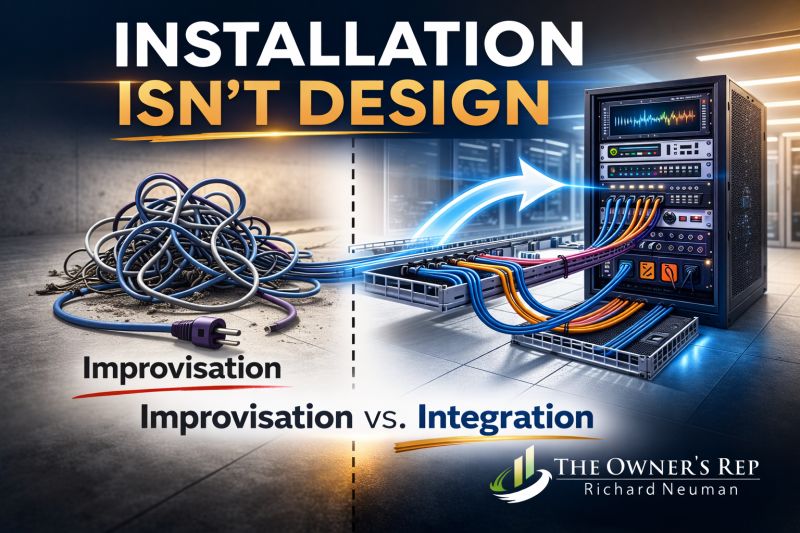
Most buildings are designed before anyone defines the technology infrastructure.
Owners assume IT handled it.
Architects assume requirements were defined.
Integrators assume infrastructure exists.
Unchecked assumptions create gaps.
By the time construction documents are issued, the failure may already be embedded.
This wasn’t an installation issue.
It was a sequencing failure.
𝗤𝘂𝗲𝘀𝘁𝗶𝗼𝗻 𝗳𝗼𝗿 𝘁𝗵𝗲 𝗳𝗶𝗲𝗹𝗱: 𝗛𝗮𝘃𝗲 𝘆𝗼𝘂 𝘀𝗲𝗲𝗻 𝘁𝗲𝗰𝗵𝗻𝗼𝗹𝗼𝗴𝘆 𝗶𝗻𝗳𝗿𝗮𝘀𝘁𝗿𝘂𝗰𝘁𝘂𝗿𝗲 𝗴𝗮𝗽𝘀 𝗮𝗳𝘁𝗲𝗿 𝗰𝗼𝗻𝘀𝘁𝗿𝘂𝗰𝘁𝗶𝗼𝗻 𝗱𝗼𝗰𝘂𝗺𝗲𝗻𝘁𝘀 𝘄𝗲𝗿𝗲 𝗶𝘀𝘀𝘂𝗲𝗱? 𝗛𝗼𝘄 𝗱𝗶𝗱 𝘁𝗵𝗲 𝗽𝗿𝗼𝗷𝗲𝗰𝘁 𝗿𝗲𝗰𝗼𝘃𝗲𝗿?
Full story at OwnersRepNY:
https://t.co/URalyPVlkG