Dr Richard Nies has been awarded the APS Marshall N. Rosenbluth Outstanding Doctoral Thesis Award. His research on plasma turbulence and flows in fusion reactors addresses a key barrier to energy confinement in nuclear fusion. More: https://t.co/YwTEu9LINJ
Big news in our universe: Our online shop has launched and is officially open! 🚀
Show your love for physics and support the department at the same time.
Visit https://t.co/yy3klxAHsO
During October you can enjoy 10% off using code TCS-FRESH10 at checkout 🛍️
#ThrowbackThursday - When our archivist Prof. Stephen Blundell looked back at His Royal Highness's the late Prince Philip 1960 visit to our department - including precise routes, high-voltage labs, and strict orders for staff to keep corridors clear. More: https://t.co/Wt1WNZj37d
Oxford physicists used a hybrid quantum computer to simulate a core quantum phenomenon called the Aharonov-Bohm effect. The setup shows how hybrid quantum systems can model complex particle interactions beyond classical computing limits. More via link in bio.
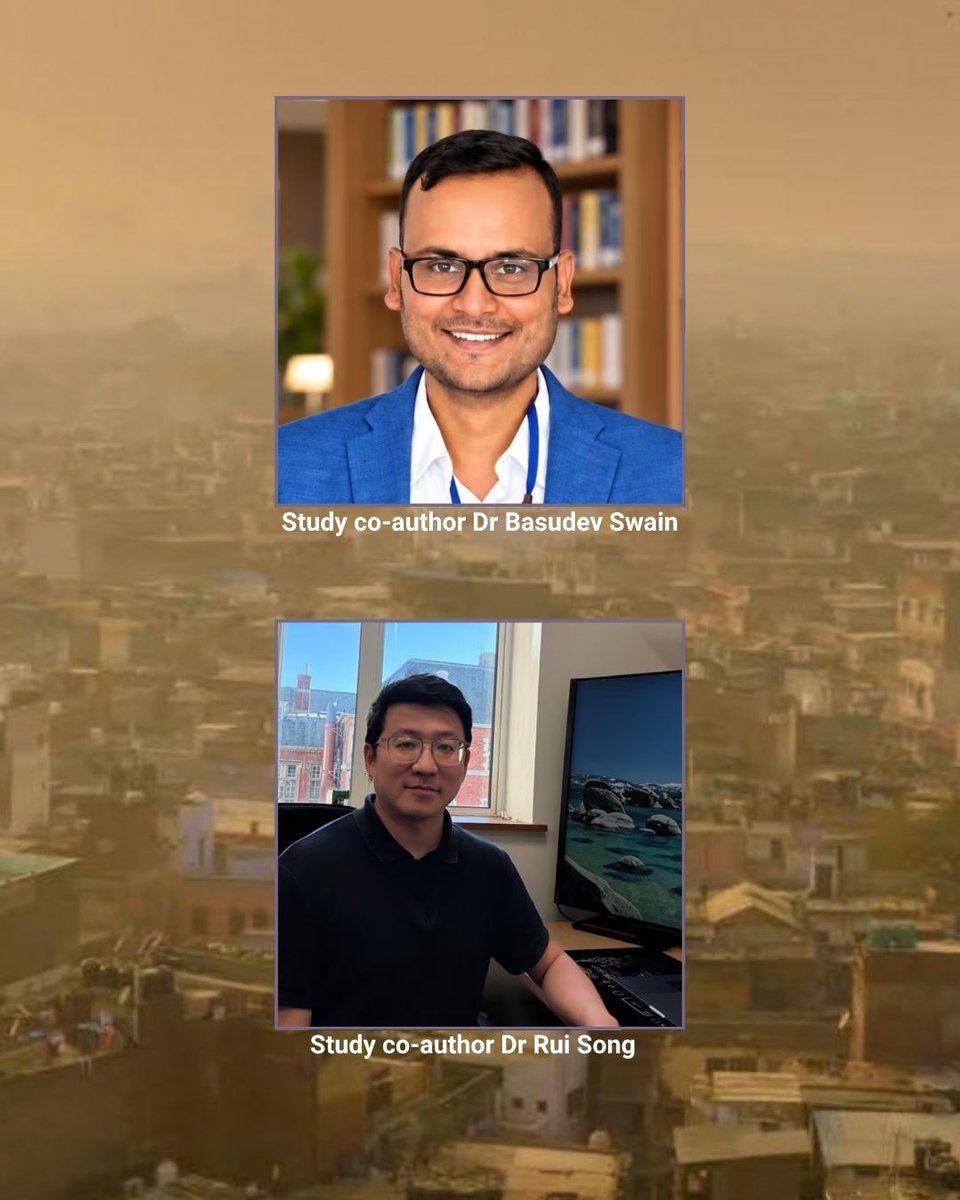
A University of Oxford study in Nature Cities reveals that while economic growth expanded access to cleaner cooking in India, coal power reliance drove a 30% rise in urban pollution deaths between 2000-2020. Findings have wide global implications. More: https://t.co/fUUiALEBMp
Join us 6 Oct for a #BlackHistoryMonth lecture w/ Dr Farrah Simpson (@Princeton) on Long-Lived Particles at CERN’s CMS Detector. Hosted by Samantha Akinwale. Free & open to all (booking req), followed by a drinks reception!
🎟️ Book: https://t.co/iBPbkPcptv
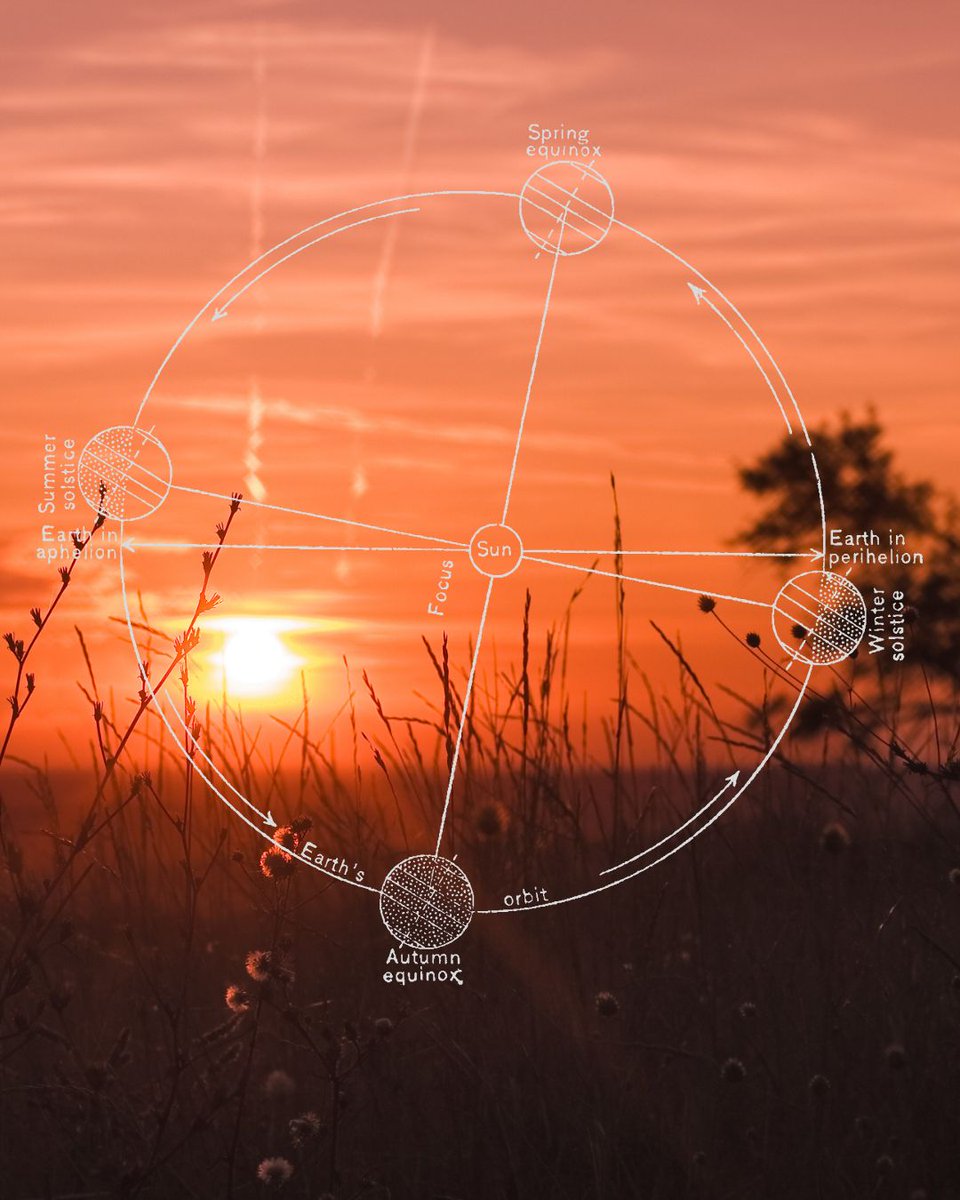
🍁Astronomical autumn has officially begun in the Northern Hemisphere. At 01:06 BST, the September equinox occurred as the Sun crossed the celestial equator moving south. On this day, the Sun rises directly in the east and sets in the west, giving us equal day and night lengths.
How did the first galaxies light up the cosmos? Join fellow Oxford Physics alumni & guests as astronomers explore how cutting-edge telescopes like JWST & Euclid are uncovering the origins of stars, black holes, and galaxies. 🌌 ✨
🎟️ Register: https://t.co/f2Z3W1T3x9
Oxford Physics researchers have created SPIN-Seq-a new technique that observes thousands of individual DNA molecules at work & reads their exact sequence. This breakthrough connects a DNA molecule’s function directly to its sequence.
More: https://t.co/d0SmHFLNGD
Oxford’s Cloq team won £25k at the Reuben College Entrepreneurship Forum! Founded by 3 physics students & 1 engineer, Cloq is commercialising a compact, low-cost atomic clock for high-precision timing. Next stop: competing in Berlin this October! ⚛️⏱️ #OxfordPhysics#Innovation
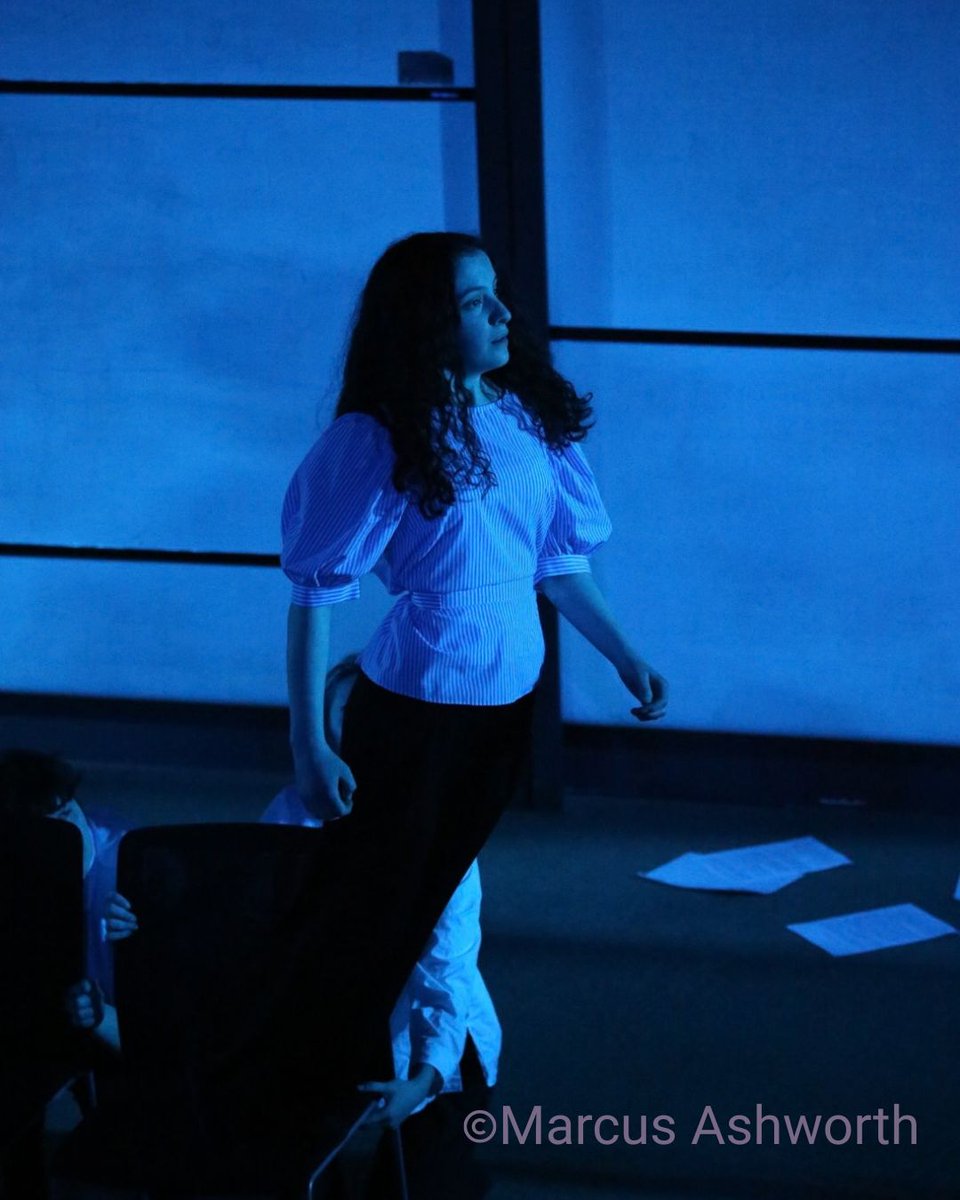
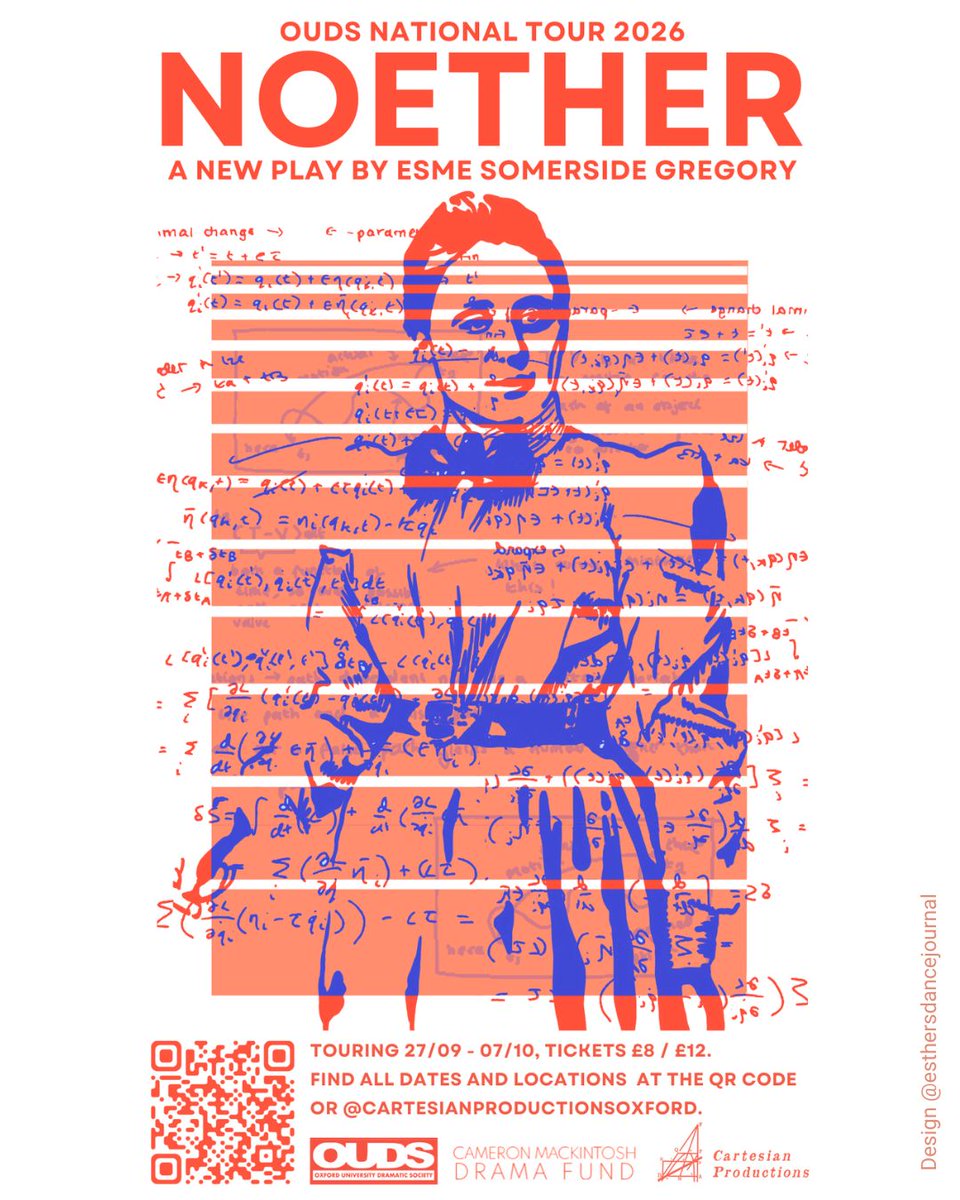
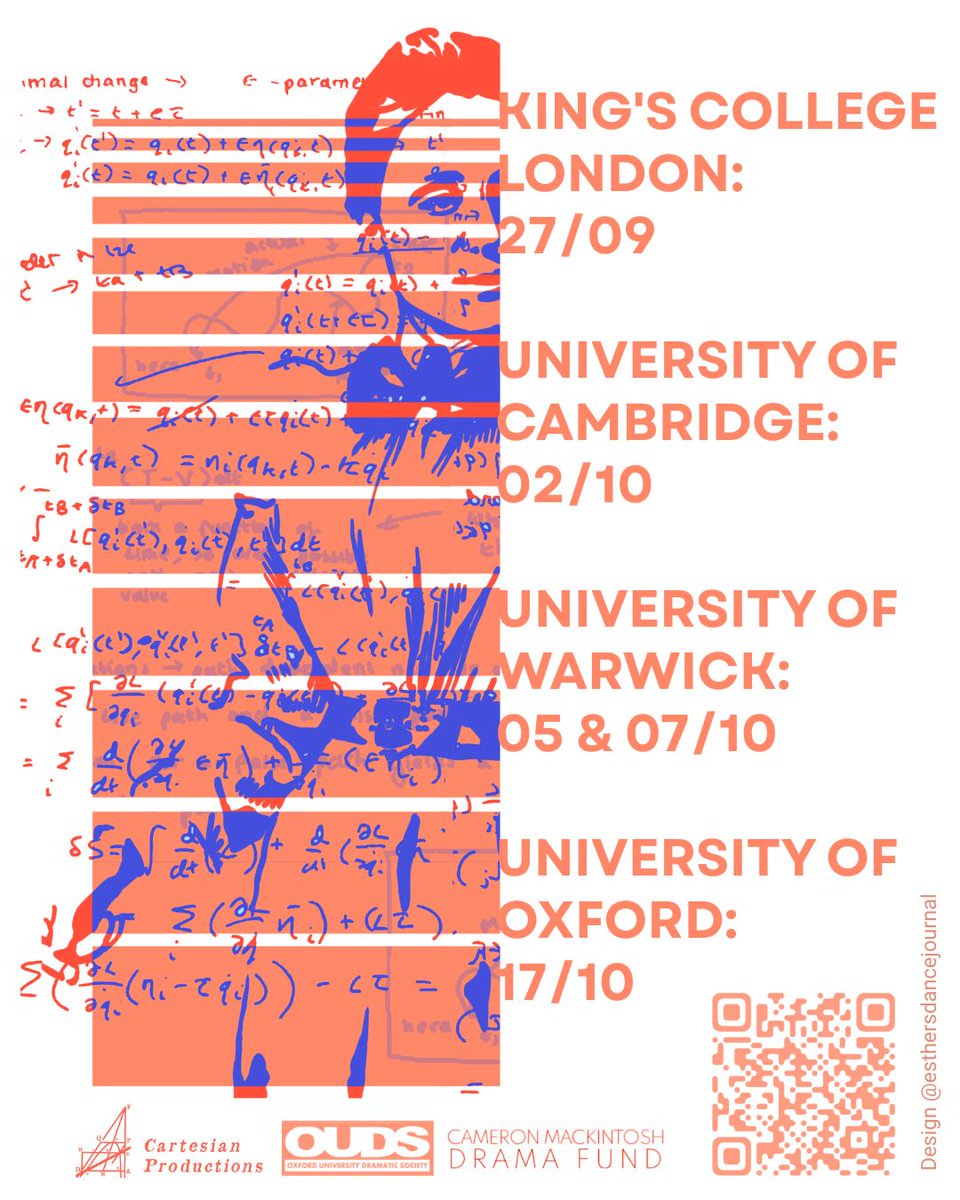
Catch Noether, the acclaimed Oxford play celebrating physics pioneer Emmy Noether—Einstein’s "most significant mathematical genius."
Written by physics student Esme Somerside Gregory, it's now touring Warwick, Cambridge, London & Oxford!
🎟️ Info & tickets: @cartesianproductions
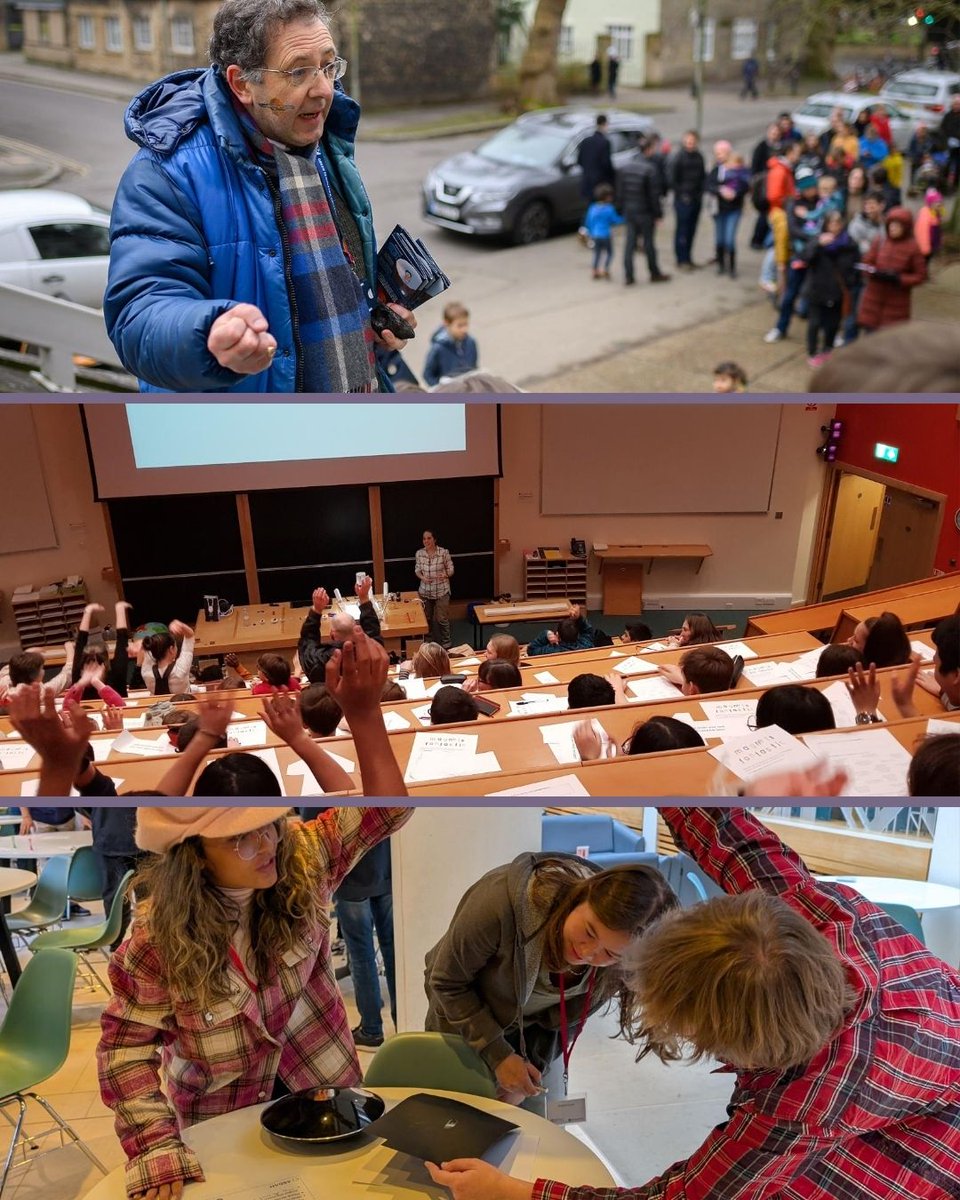
Welcome to Physics Information Day! Meet tutors and attend talks on admissions and Oxford Physics from 10:00–16:00 (no booking required).
Details: https://t.co/141YmdQUK2
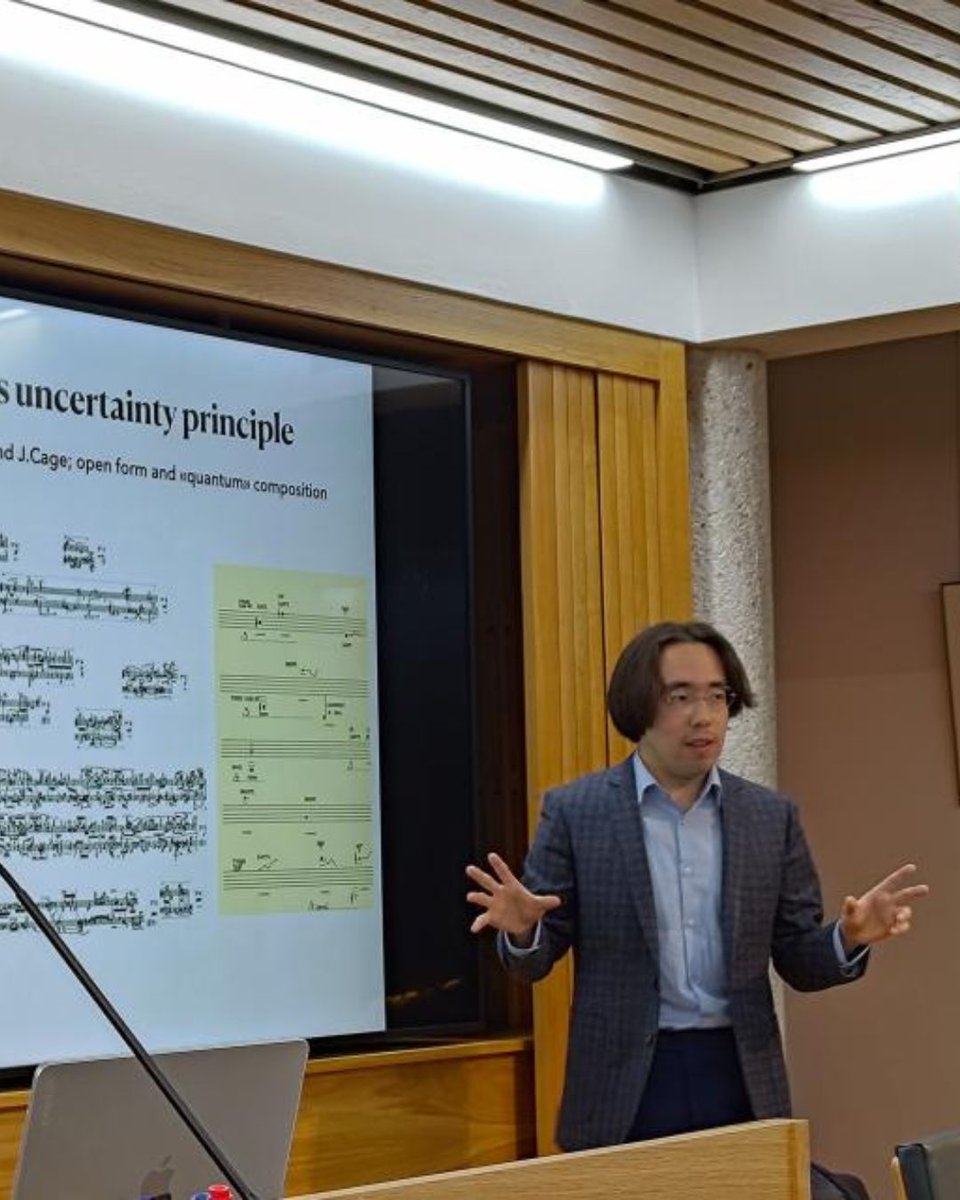
🌌 'Quantum Universe: Less than Nothing, More than Everything' Ever wondered what quantum music sounds like? Join "Kazakh Mozart" Dr. Rakhat-Bi Abdyssagin at our talk on 25 Sept, followed by drinks.
🎟️ Register now: https://t.co/jcOxkIouZ5 Everyone is welcome to attend!
Oxford researchers created energy-efficient physical AI using water and spin waves to process information and control autonomous robots in real time. Read more: https://t.co/fgEly5Pi3V
Video generated artificially with the purpose to illustrate the article.
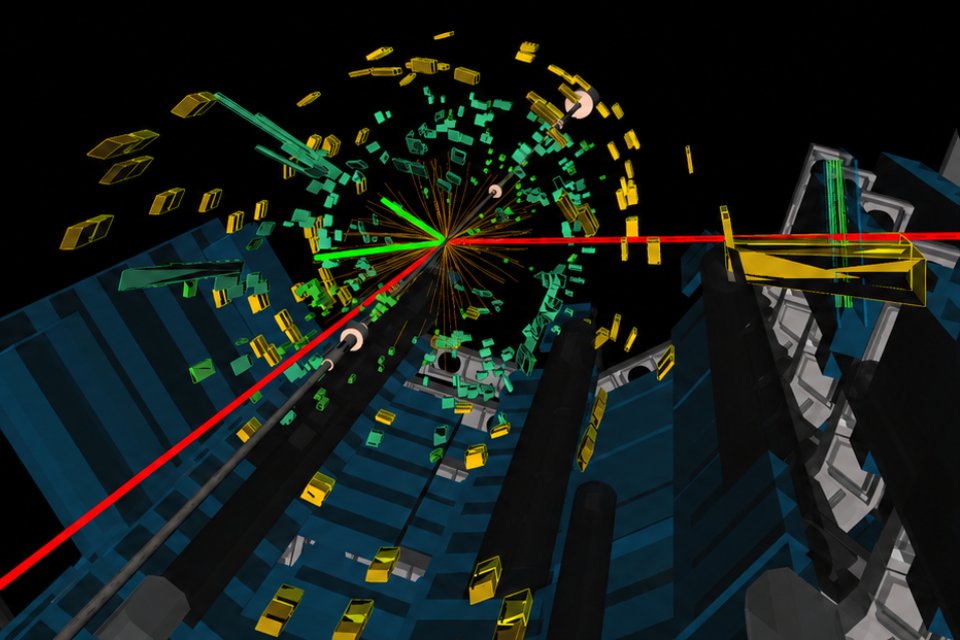
Oxford physicists working with the ATLAS experiment at CERN have helped confirm that one of the strangest phenomena in physics - quantum entanglement - occurs even among some of the heaviest and most fleeting particles ever created.
Read more: https://t.co/fmIkXCccyc
Preparing for Oxford physics? Check out our dedicated YouTube playlist featuring step-by-step problem-solving guides hosted by our staff.
Link in bio, or scan the QR code on the image.
📆 Remember we are hosting an Information Day on Friday 18 September: https://t.co/141YmdQUK2
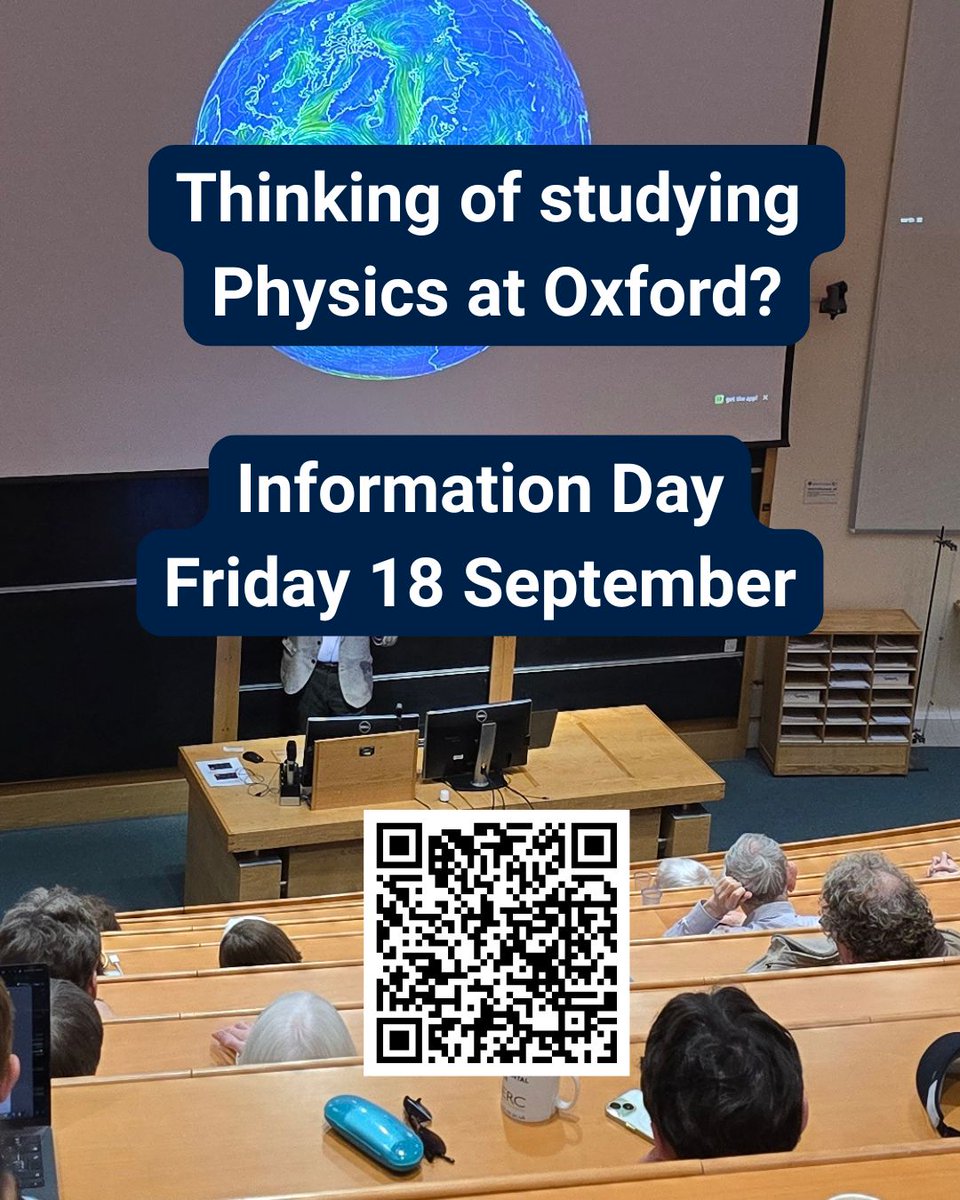
Thinking of studying Physics at Oxford? ⚛️ Join our Info Day on Fri 18 Sept (10:00–16:00)!
- Meet tutors & ask questions all day
- Admissions Q&As + Taster Lecture
- Talks for supporters & teachers
No booking required!
Details & schedule: https://t.co/141YmdQUK2
#Throwback to 100 years of quantum physics. In 1926, Erwin Schrödinger cracked quantum wave mechanics. Today, his equation powers your smartphone, MRI scans, and Oxford’s latest ground-breaking quantum physics.
#ThrowbackThursday#Quantum100