The videos of ABYME Seminar, last Thursday @EnsadNancy, are online!
Discover presentations and discussions with Catherine Guiral, Thomas Huot-Marchand, Christophe Jacquet dit Toffe, Charles Mazé, John Morgan & Adrien Vasquez @fonderieabyme
https://t.co/KVwiiitBHF
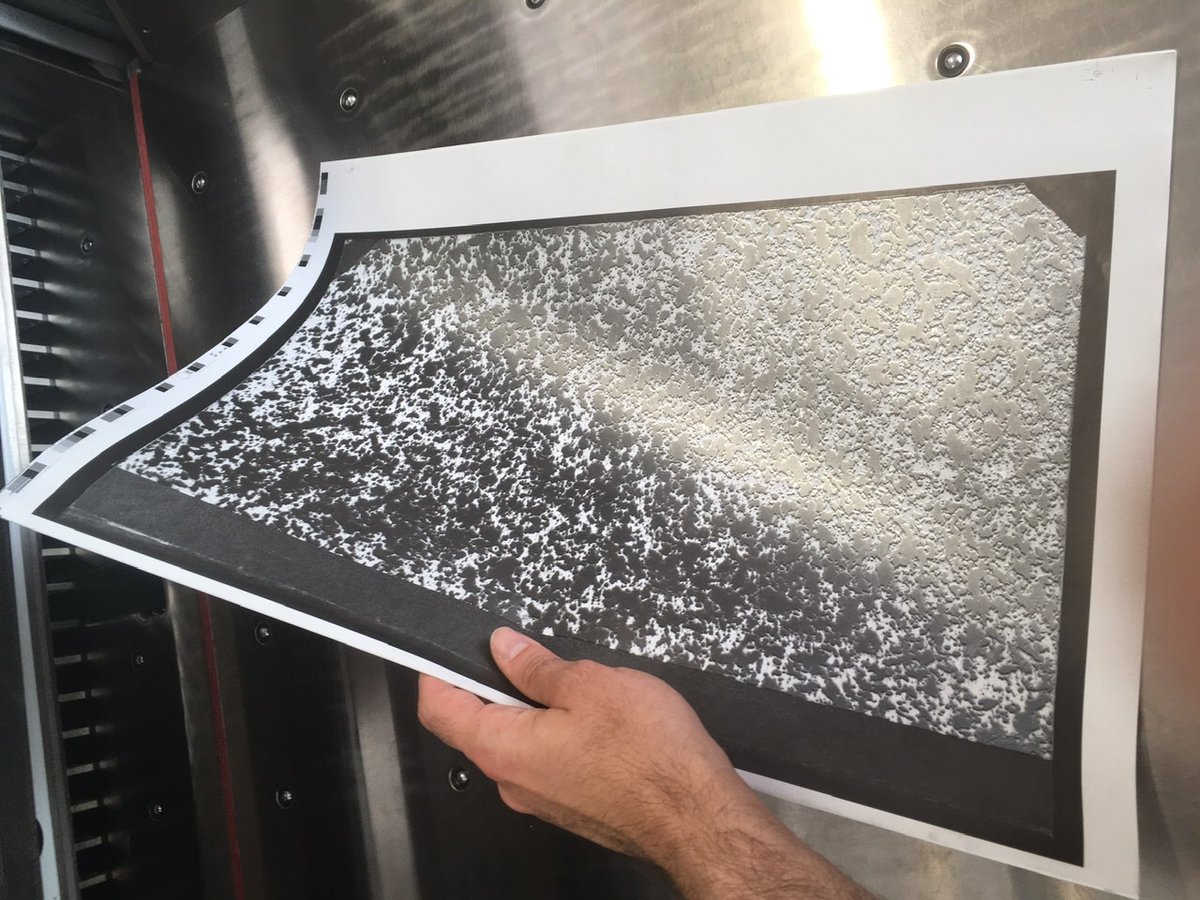
[New Font Release] The type design class at HAW Hamburg led by Pierre Pané-Farré released Octagon Variable‚ a variable font. https://t.co/wQ1athUEly #typecache
For a few years, work opportunities led me to work mostly on website development, and workshops. But I'd like to find more print design work, ideally for publishing, if not for posters. If you want to work together, don't hesitate to DM! 👽🫶
@idiidiiidesign But for that, we need to encourage type designers to think more abstractly, to allow themselves to stand aside from the expected things, and to make experimental typography visible, to teach it, to set it up as a theoretical framework as important as the technical-historical.
What i'm wondering is : how much room do the current existing theories leave for potential new ones to develop ? New ones not to replace old ones, but for co-existing together.
I just wish for type design to be more welcoming toward new narratives about itself, and that we encourage students & type designer to invent new narratives instead of unconsciously still pushing them to grow those who no longer need to grow.
What I'm suggesting is that —perhaps— we think of typedesign too much as a technical field, that we focus too much on how to produce it and be in a historical continuity, rather than pushing students and type designers to imagine ways of being for typography that don't yet exist.
And I came to ask myself these questions, because as a student, I had the feeling that unlike other fields such as music, litterature, comic book or physics, typography showed a lack of imagination towards its own possibilities.
What i'm wondering is : how much room do the current existing theories leave for potential new ones to develop ? New ones not to replace old ones, but for co-existing together.
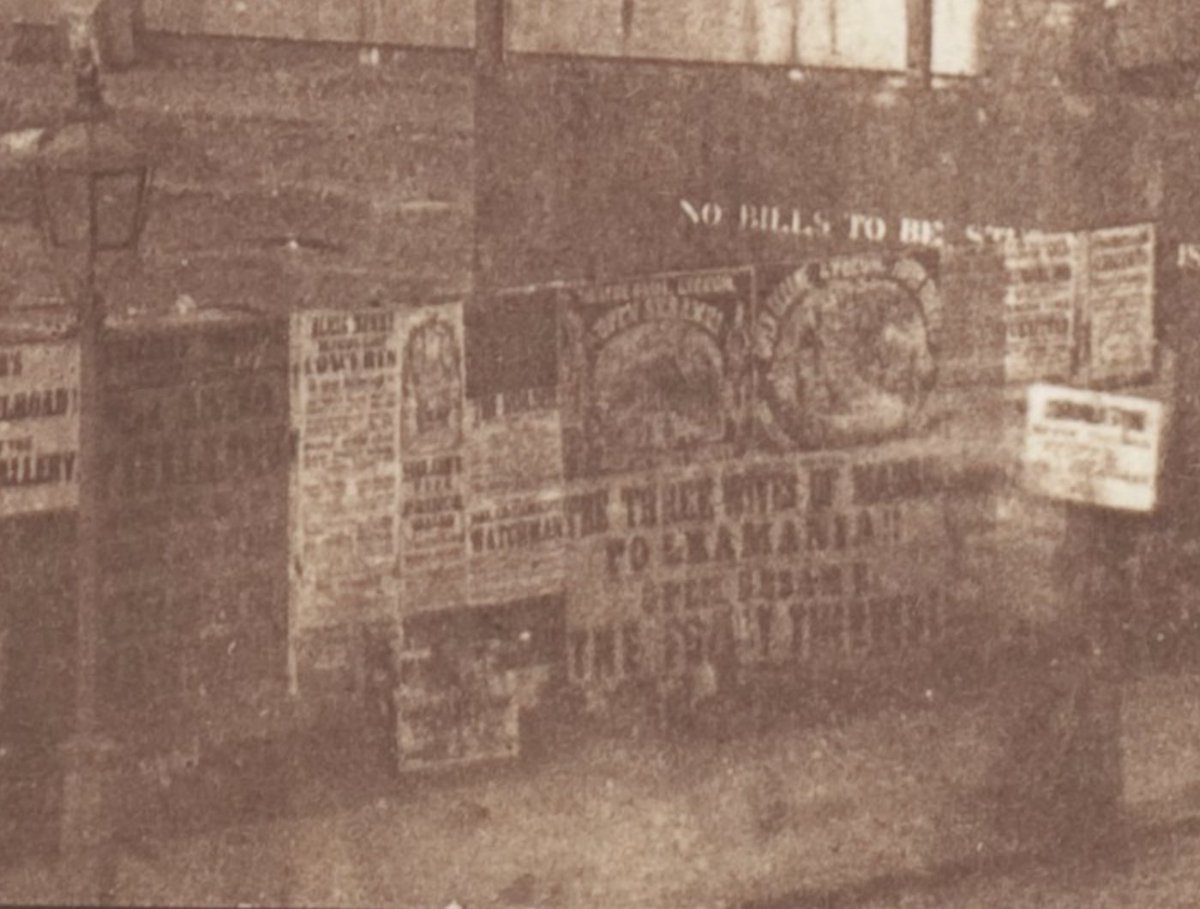
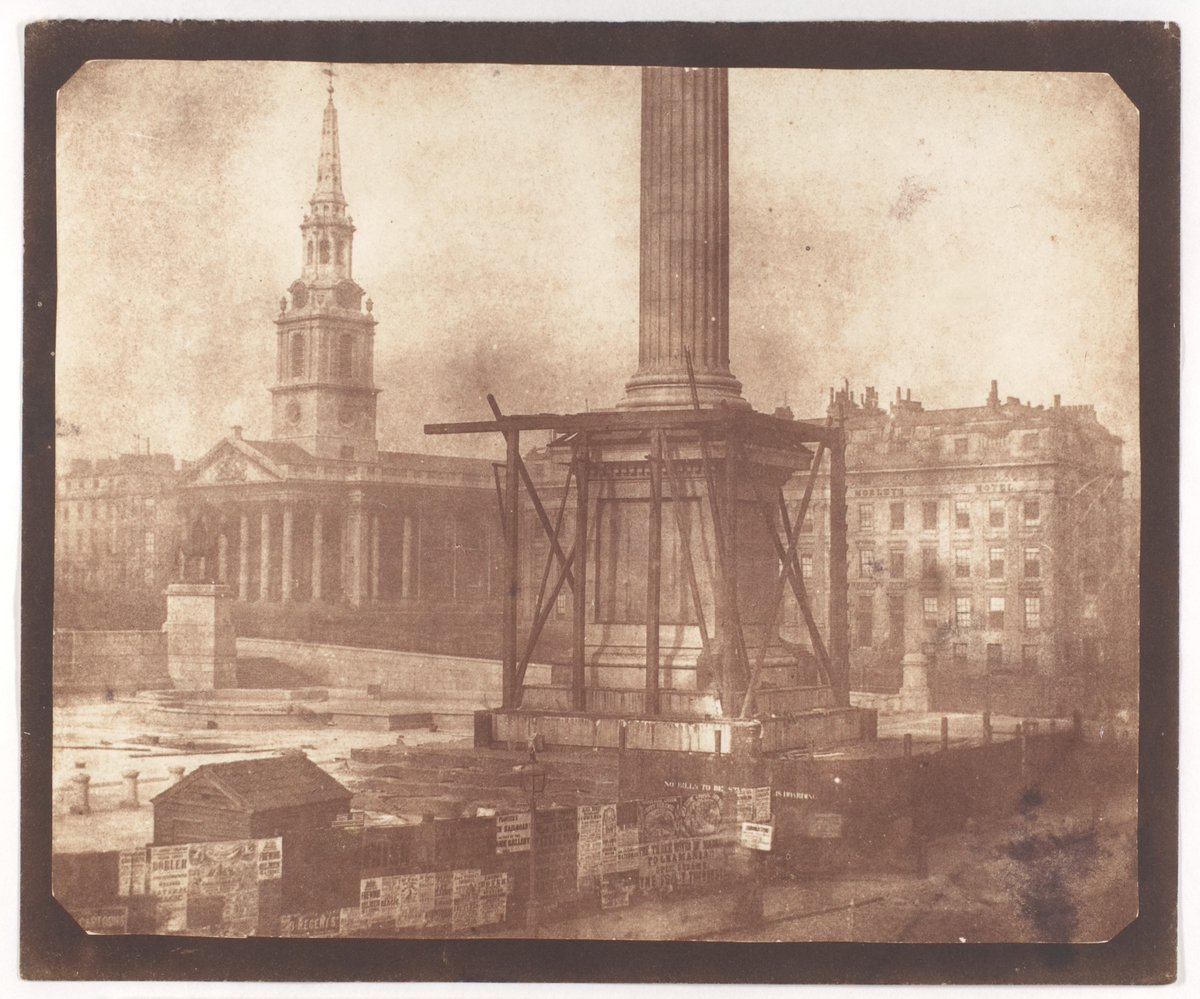
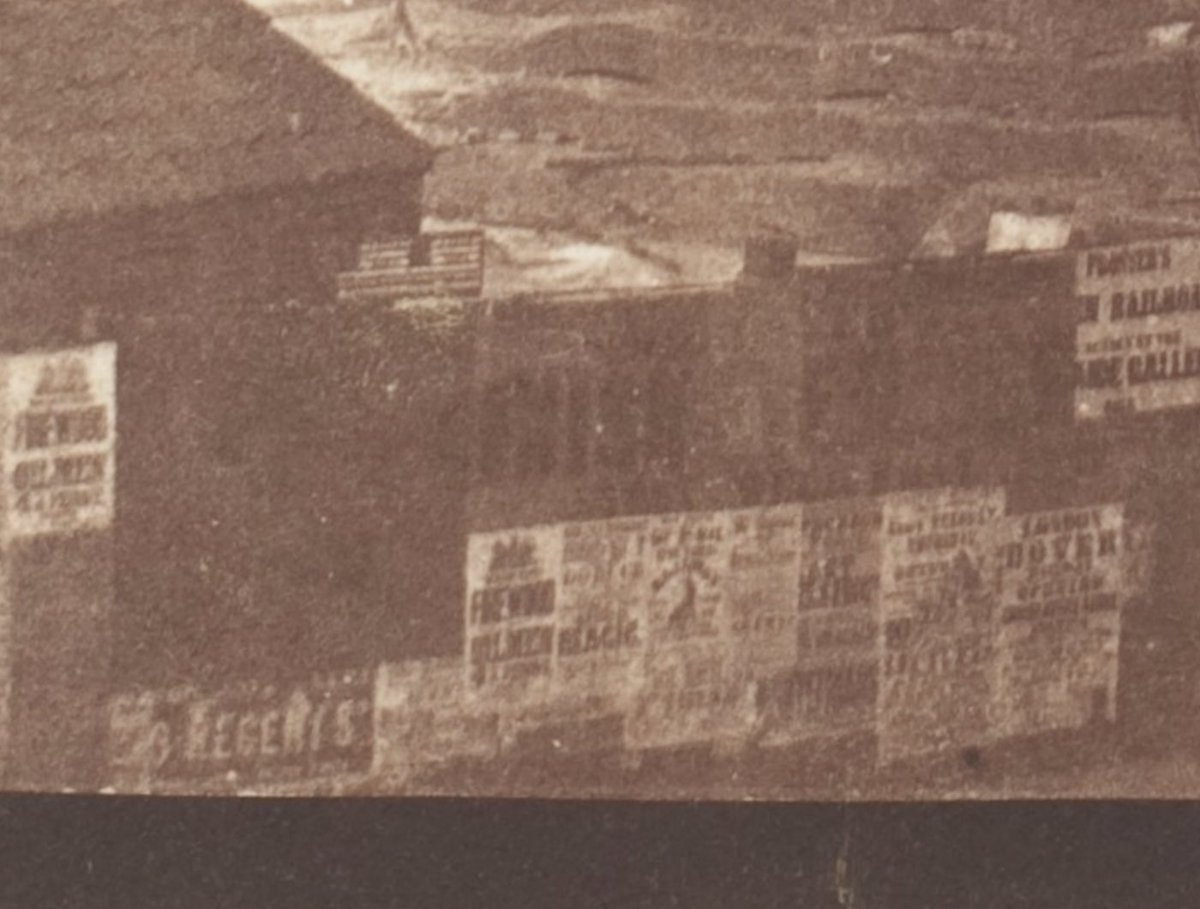
@celiason I fully agree. However other sources from this period indicate that it might not have been so far off. For example, Talbot’s daguerreotype of the Trafalgar Square, taken in 1844.
My timeline is mainly constituted of 3 groups :
— Type designers
— French Far-Far-leftists
— Occultists
Not long ago I realized that in the last 2 groups, people spend a lot of time —a lot— disagreeing, arguing, quarreling with each other, while type designers group almost never
Thank you for all the nice responses and positive feedback! For more information and availability – please get in touch via * mail [at] panefarre [dot] com *. There are still some few copies left!
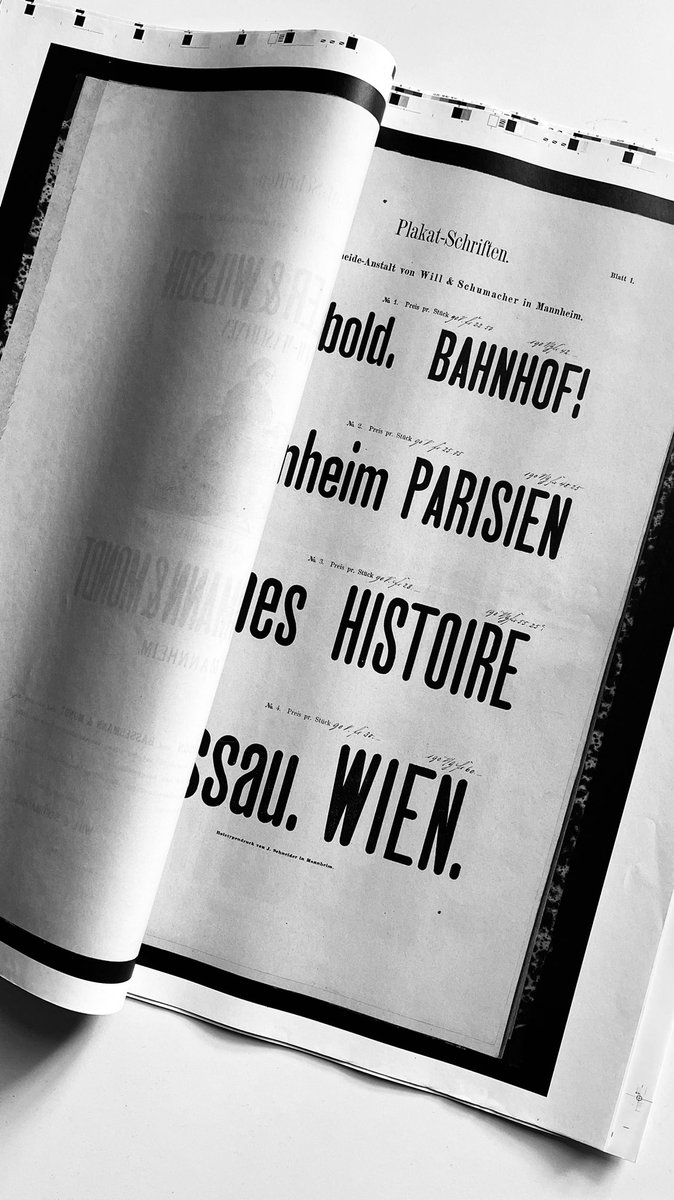
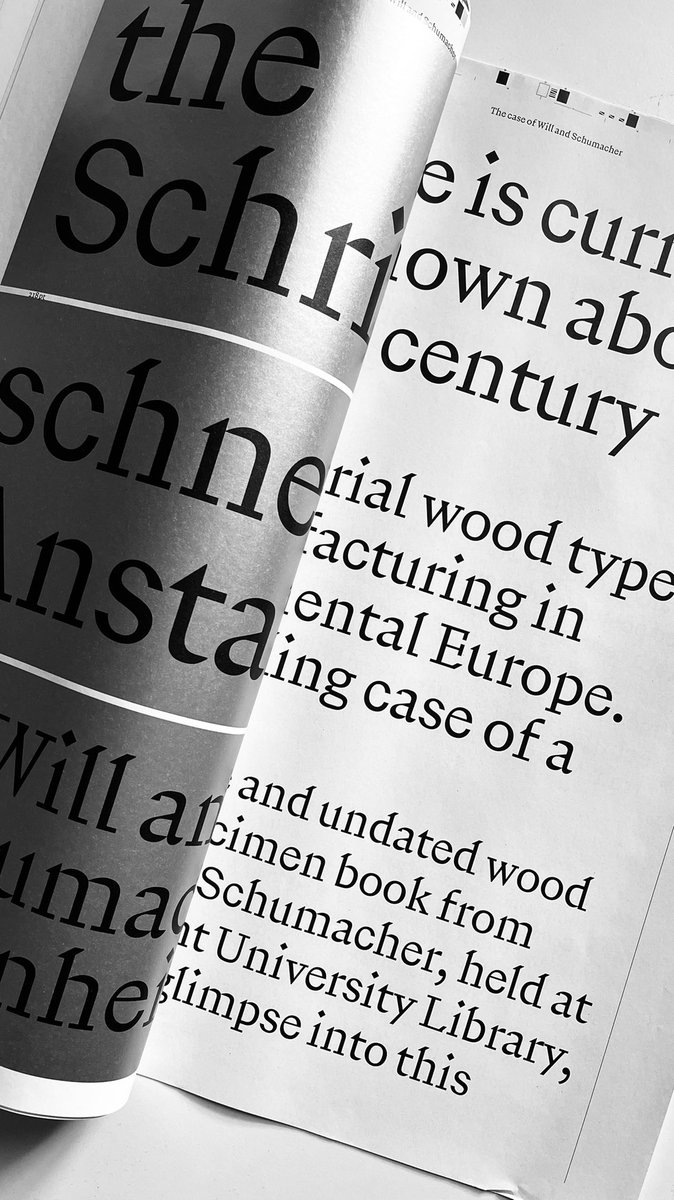
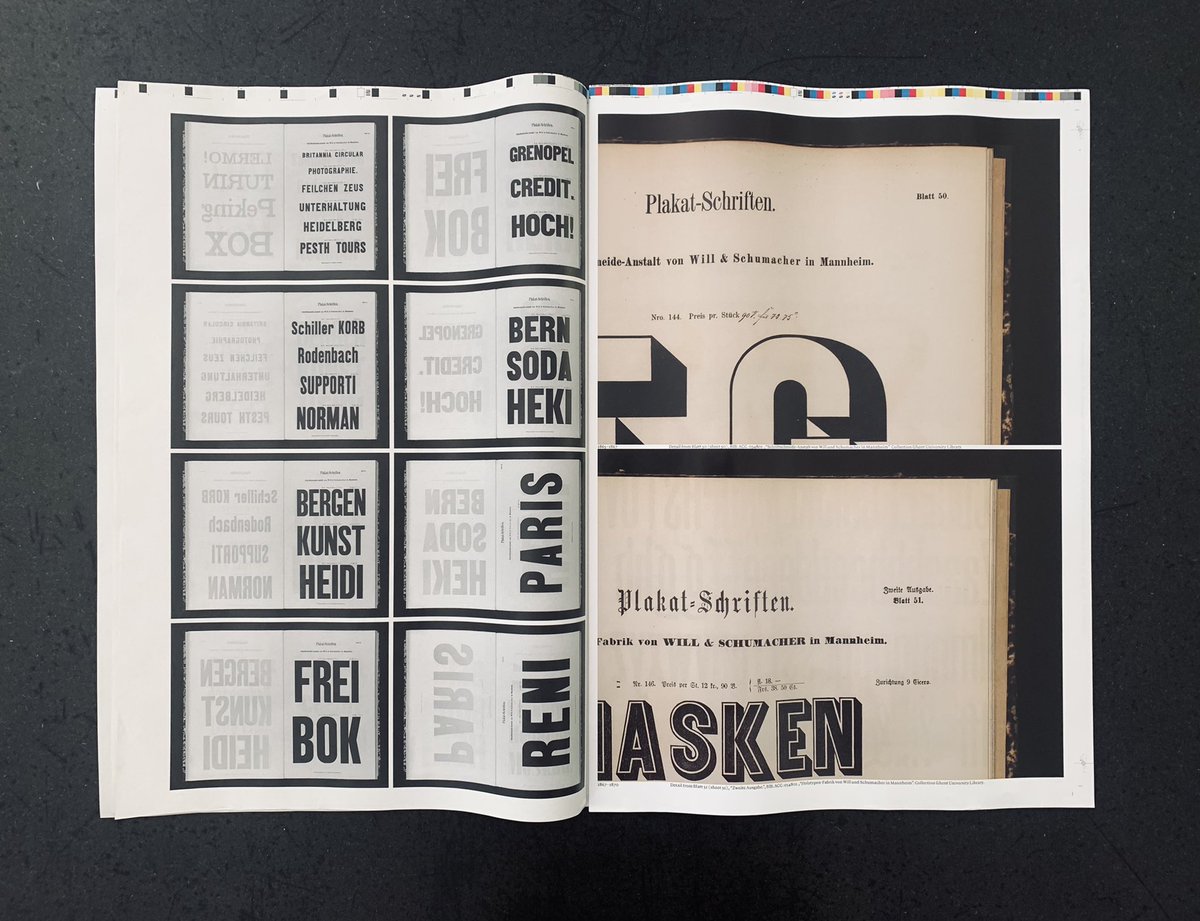
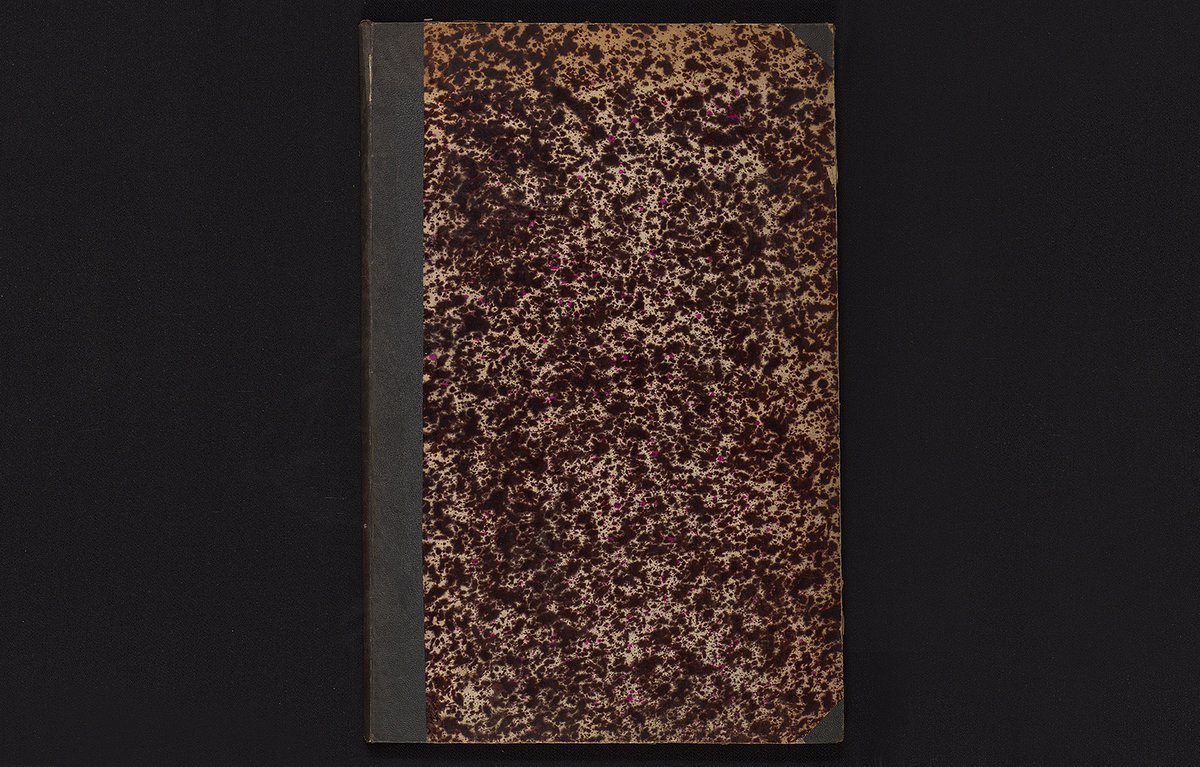
In the mailbox today, another fantastic publication by Pierre Pané Farré @panefarre about Will and Schumacher, wood type manufacturer in Mannheim.
An example of typographic research, remarkably conducted and beautifully designed.
Bravo Pierre!
In the mailbox today, another fantastic publication by Pierre Pané Farré @panefarre about Will and Schumacher, wood type manufacturer in Mannheim.
An example of typographic research, remarkably conducted and beautifully designed.
Bravo Pierre!










![typecache's tweet photo. [New Font Release] The type design class at HAW Hamburg led by Pierre Pané-Farré released Octagon Variable‚ a variable font. https://t.co/wQ1athUEly #typecache https://t.co/ty4PzJdeai](https://pbs.twimg.com/media/Fuza19gacAAQoDG.jpg)