Mirik Gogri is one of my favourite people in the Indian startup/investing community.
Here’s a great profile into his academic, intellectual, and professional investing journey with Spectrum, a truly unique platform for capital allocation to difficult problems.
I would highly recommend it to everyone. For startup founders— he’s one of the best people to take money from, and have as an advisor (disclaimer: we are not backed by Mirik; I wish!). For industrialists thinking about philanthropy and R&D, Spectrum is a case study to be replicated. For VCs— he’s the model investor imo; he goes deep, reads papers, makes useful connects and pushes ambitions.
In January last year, Mirik invited @alteredshrey, @MisraSambuddha and myself to visit his R&D facility in Navi Mumbai. We kept a wondering why he being so nice and open (the profile addresses the point about living in a low trust society well). But he was doing it simply because of a love for scientific progress. And much as how @tylercowen puts it, sometimes the best thing you can do for someone is get them to be more ambitious. The Aarti R&D centre was our inspiration to built the absolute best in class Earth Sciences infrastructure for the subcontinent.
Mirik is not on twitter. You will find him mostly in Powai, discussing difficult problems and how to solve them. Make the trip up to Powai when you can. Mirik is kind and generous with his time, his ideas, and most importantly his curiosity.
https://t.co/BI3F3cJB9H
Humanity has the debate about AI consciousness backwards.
In my new essay for @TheEconomist, I argue that consciousness is not an inherent, objective property, but something relational between entities: https://t.co/cBrBn6JfVO
We know surprisingly little about how automation will unfold outside rich countries.
So we built the Global Automation Atlas: 18,000 tasks, 124 countries, and 2.3 million task-country comparisons.
In the past months I've been on a mission to make Pakistan's public data more useable through building open source databases and visualisations.
Today I'm launching Adaad (اعداد), a monthly data journal on Pakistan. Adaad is where those datasets become arguments and insights.
Everything here is made to be taken. The prose, the charts and the cleaned datasets are published under a Creative Commons licence (CC BY 4.0). Translate a piece for an Urdu newspaper. Rebuild a chart for a classroom. Rerun the analysis and publish your disagreement. All we ask is a line of credit and a link to the source.
Adaad also publishes contributors. If you have a question the data can answer — or data that raises a question — pitch it to [email protected]. For more details on what is required for a pitch, please see the about section.
Happy Independence Day — the struggle continues!
https://t.co/jPlWnkbD8X
New project alert
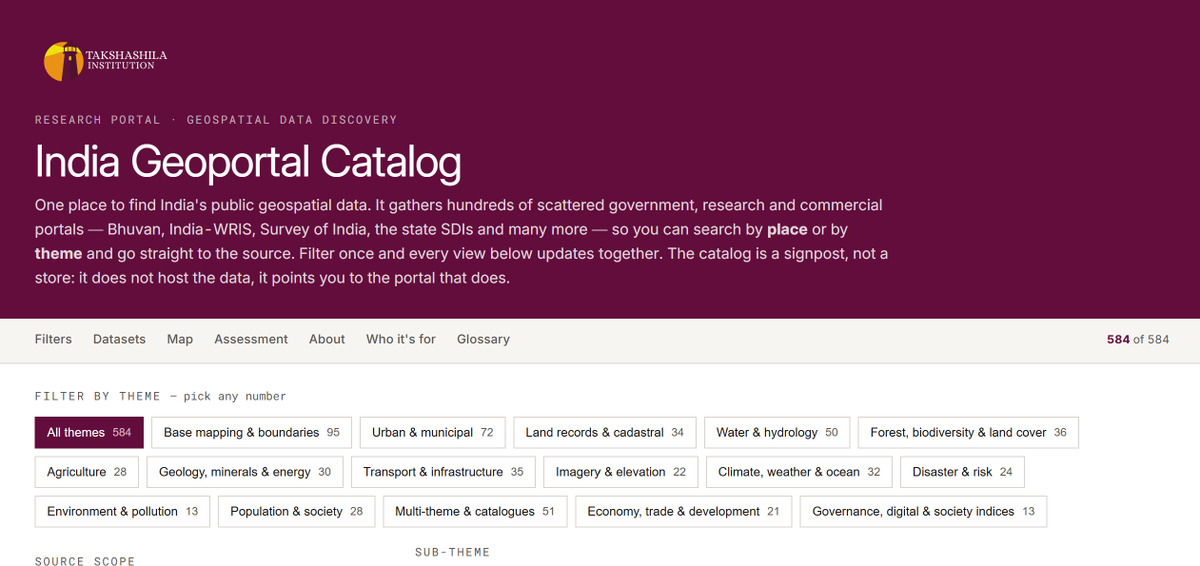
India’s geospatial data is not scarce. It is fragmented.
Useful datasets on India are spread across multiple government portals, institutions and even international sources, making discovery unnecessarily difficult.
The India Geoportal Catalogue aims to provide a one-stop search point to discover geospatial datasets about India, whether hosted within India or outside India.
🔎 Search. Discover. Access. Access beta version here: https://t.co/ll2nZ5bSbC
🚜🪝
"After I read Prakash’s book, I began to think that what journalists – myself including – should have asked Modi supporters is how he made them feel....
I realise it sounds ridiculous writing about hearts connecting and ardent Hindu nationalism in the same sentence, especially given the violence the Hindutva movement continues to commit. But the real strength of Prakash’s book is that he pushes us to complicate our thinking."
Brilliant review-essay by @zahirjanmohamed, including short notes on the CJP protests and a brief conversation with @bprakash2020.
https://t.co/TrQrHsRjom
I have spent far more time thinking and talking about AI policy than I thought I would when I became co-editor at AJPS a year ago. Here is the latest iteration of our policy.
Higher ed faculty & staff! Ready to transform your instruction?
Tune into our Gemini Faculty Fundamentals playlist on YouTube to learn how the @GeminiApp + @Gemini_Notebook can save you hours and help support your workflow.
Explore the series: https://t.co/c1jPkdgAw2
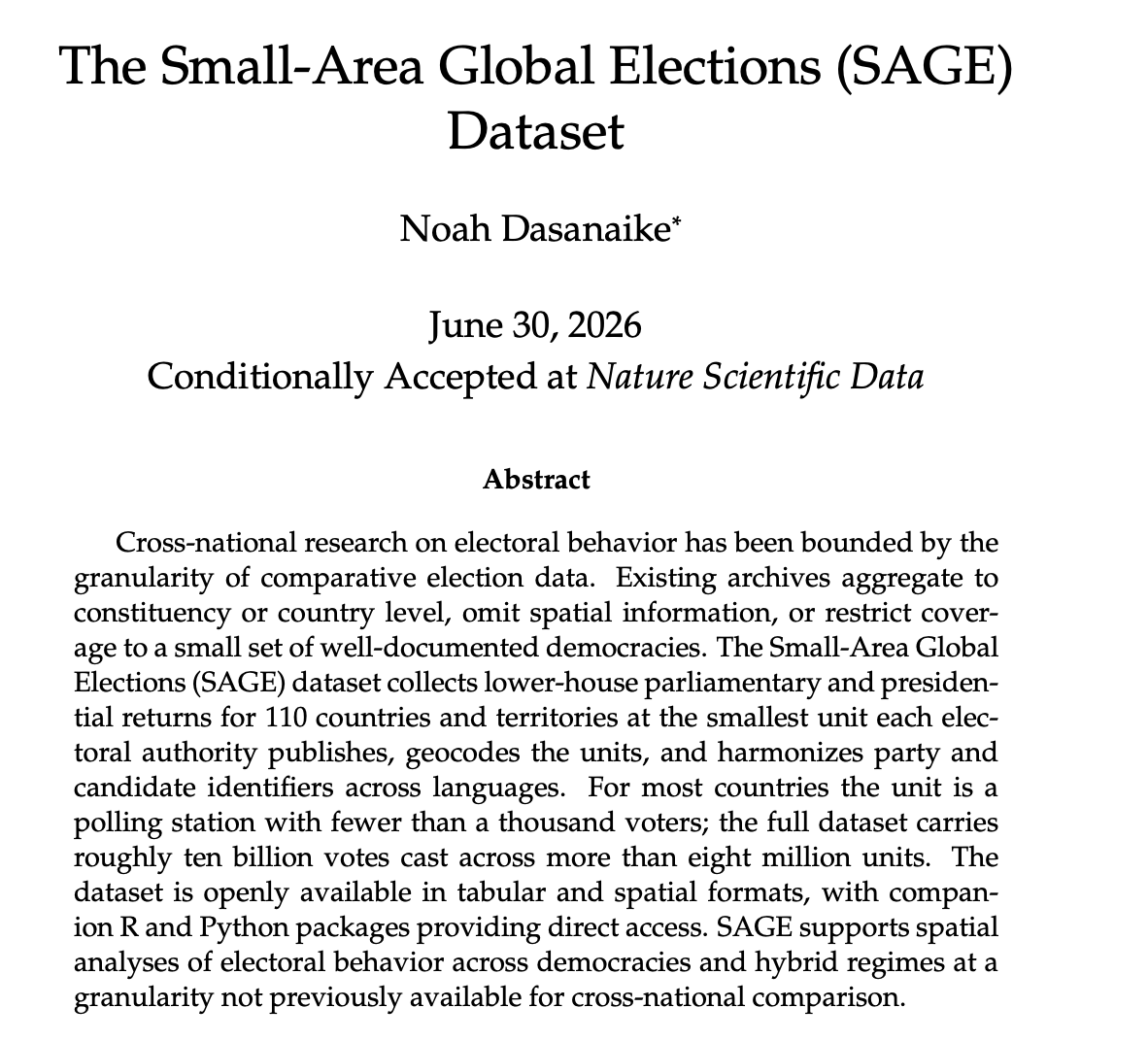
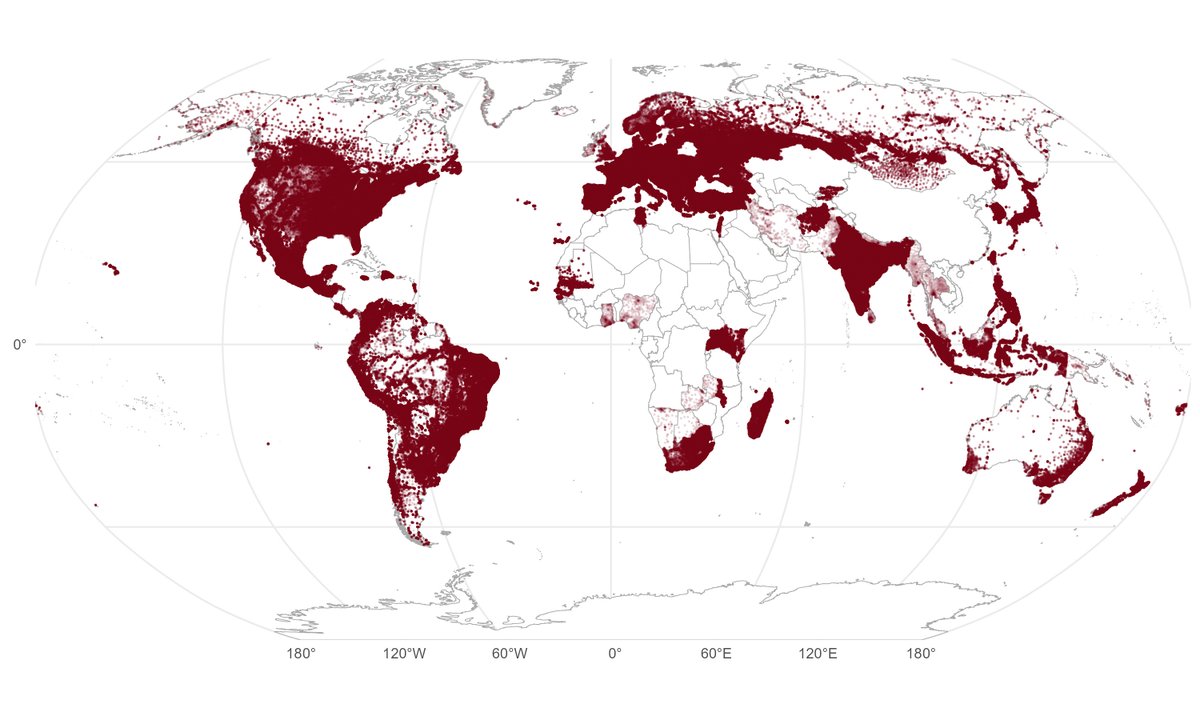
I'm proud to finally announce the first release of the Small-Area Global Elections (SAGE) dataset, encompassing global, granular, standardized, geocoded, polling station or equivalent-level election results for 110 countries, conditionally accepted at Nature Scientific Data. (1/n)
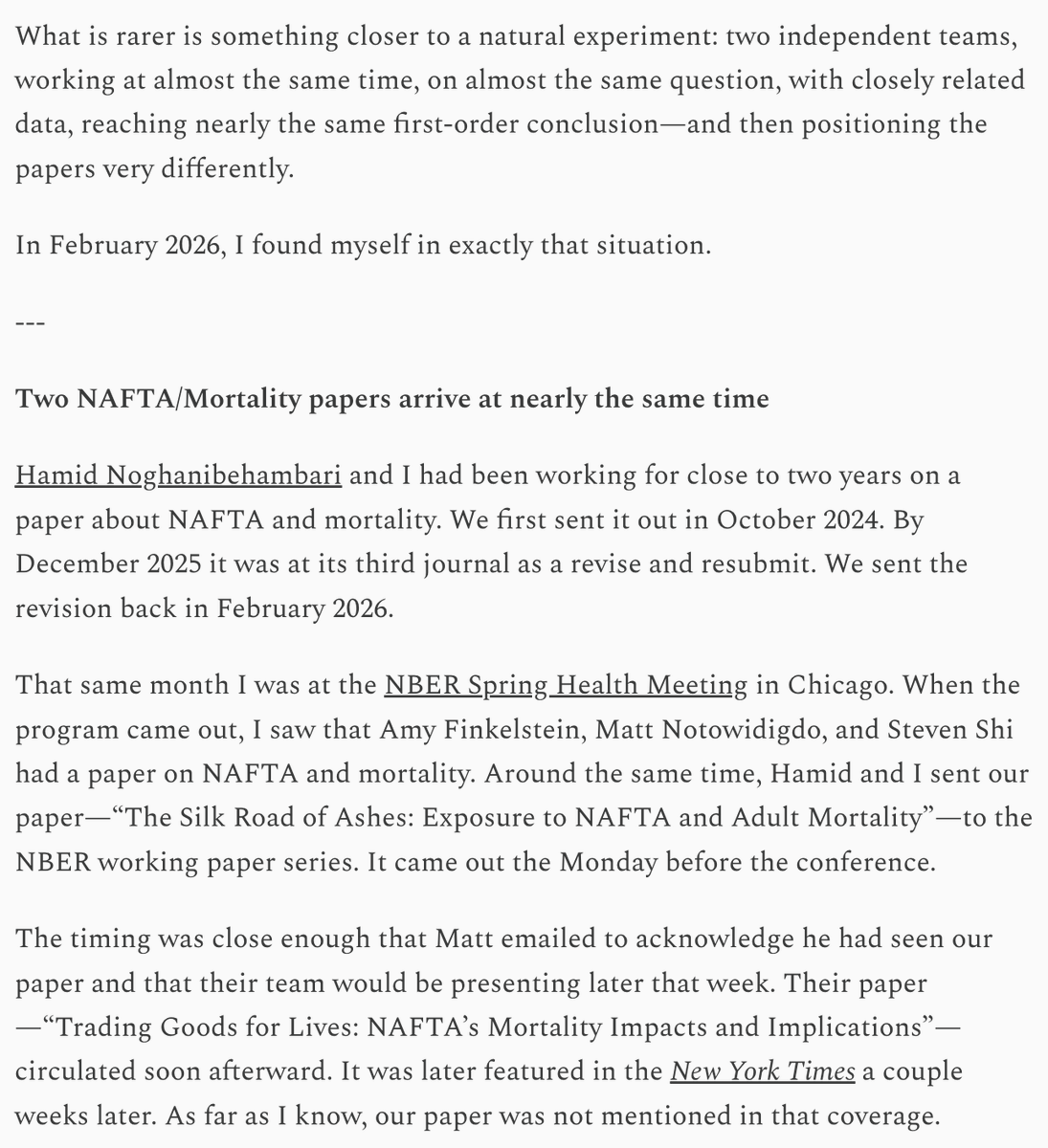
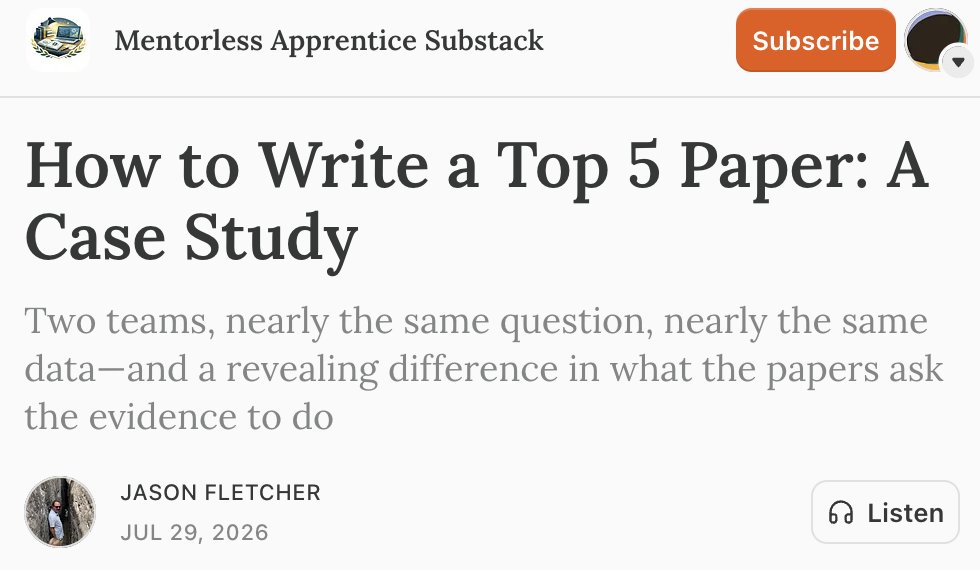
Excellent reading (in 🧵) for younger researchers—two papers with near-identical core results, framed in very different ways.
Kudos to @jasonmfletcher for the thoughtful discussion, it would be cheap, easy (and viral) to say "prestige is the only thing that matters in econ."
Our democracies, economies, and legal systems weren’t built to absorb AI at the rate it’s advancing.
In a new essay for @NoemaMag, our Reverse Alignment coalition map out the investments it will take to rethink the institutions, norms, skills, and governance frameworks needed for society to flourish with AI: https://t.co/uFhim9u2zN
A milestone for https://t.co/gIsR5kpUgO: over 150,000 historical maps and related images are now freely available online. After 26 years, the site has welcomed 50+ million visitors, delivered 20+ million free downloads, and seen 250+ million map views. Thank you to everyone who has explored with us. Next stop: 200,000 maps online by 2031. #Maps #History #Cartography #OpenAccess
🧵 My July book picks:
1. The Power of Life: The Invention of Biology and the Revolutionary Science of Jean-Baptiste Lamarck
2. Europe 2031: What getting AI wrong means for us
3. The Scaling Era: An Oral History of AI, 2019–2025