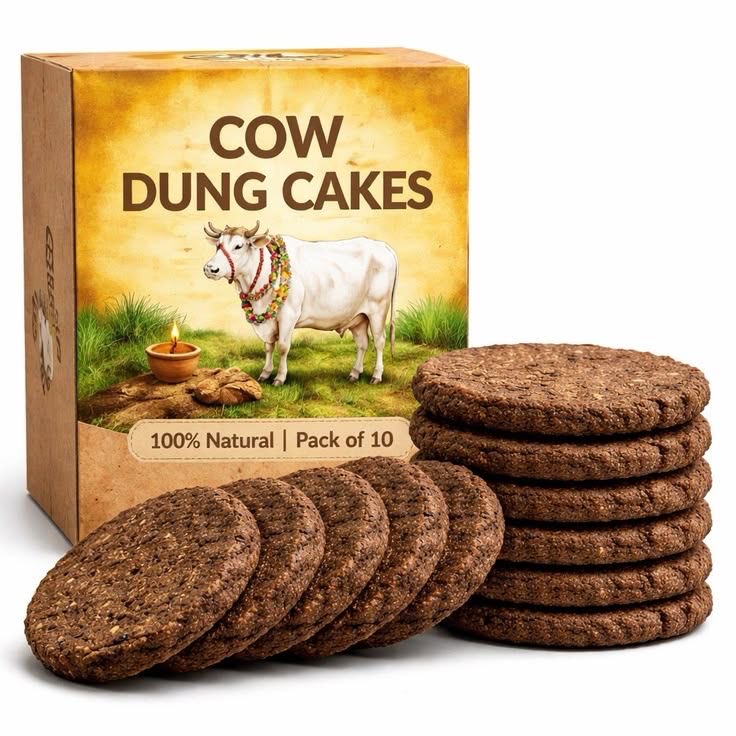
✅Cow Dung Exportation Business
Another $50billion opportunity😁😁😁
I came across this business recently, and I was shocked to my bones.
I know you may not be aware too.
Cow dung is currently a market valued at around $50billion and still growing.
Based on my research findings, India is the top exporter of cow dung in the world.
Countries that buy cow dung in large quantities include:
✅ Kuwait
✅ United Arab Emirates
✅ Maldives
✅ United States
✅ Singapore
✅ China
✅ Nepal
✅ Brazil
What are the basic uses of cow dung?
✍🏻Organic Fertilizer
You really need to see how cow dung is packaged and exported to countries that value food production.
It is properly dried and ground into powdered form for vegetable cultivation.
✍🏻Biofuel/Energy Source
This is worth noting, especially when you watch the Fulani women around my house using it to cook food.
They don’t use gas or electricity. It burns fast and well too.
In fact, it can be used to generate electricity of higher voltage.
✍🏻Building Materials
You can watch a few videos on YouTube showing how Indians use it for building and plastering houses.
You’ll be amazed.
✍🏻Pest Repellent
You would see mosquitoes around Fulani people’s home settings.
Mosquitoes usually come to suck cow blood, and the herdsmen burn the dung every evening to chase them away.
Malaria is far from them by default.
✍🏻Religious and Cultural Uses
This finding also amazed me.
In Hindu religion, cow dung is used for purification during Diwali rituals and festivals.
Now,
I am not sure there is a company or individual in Africa exporting cow dung to earn forex.
Not to mention continental export, how about drying this dung to supply vegetable farmers across Africa?
Won’t this be a good business?
Zero waste. Plenty money everywhere in agriculture.
Instead of rearing cows on free range, which usually leads to farm destruction, we have to encourage ranching.
From a single cow, herdsmen can sell:
👉Beef
👉Bone meal
👉Blood meal
👉Dung
We have the farmland to do it. We have the human beings to do it.
It is time for African youths to start exploring opportunities in agriculture.
Just imagine, those guys produce those harmful chemical fertilizers, export them to Africa, and buy cow dung to produce their own food🙈
Nobody will feed Africa with healthy food except Africans themselves.
Many times, we don’t care about healthy food🙈🙈
#BillionaireFarmer
Fast forward a few years, now we have local processors going through 20 tons of cashews a month with a growing global market..the kicker here, is that there's a shortage of raw material.
We really need to bump up operations and cultivation but we are a shadow of what we once were
Something for my fellow Coast people to ponder...at the cashewnut industry's peak in the 1980s, it was contributing to 4% of the country's GDP. Kenya Cashewnut Limited was operating for 24 hours with 3 shifts daily, employing 2,500 permanent employees & close to 3,000 casuals...
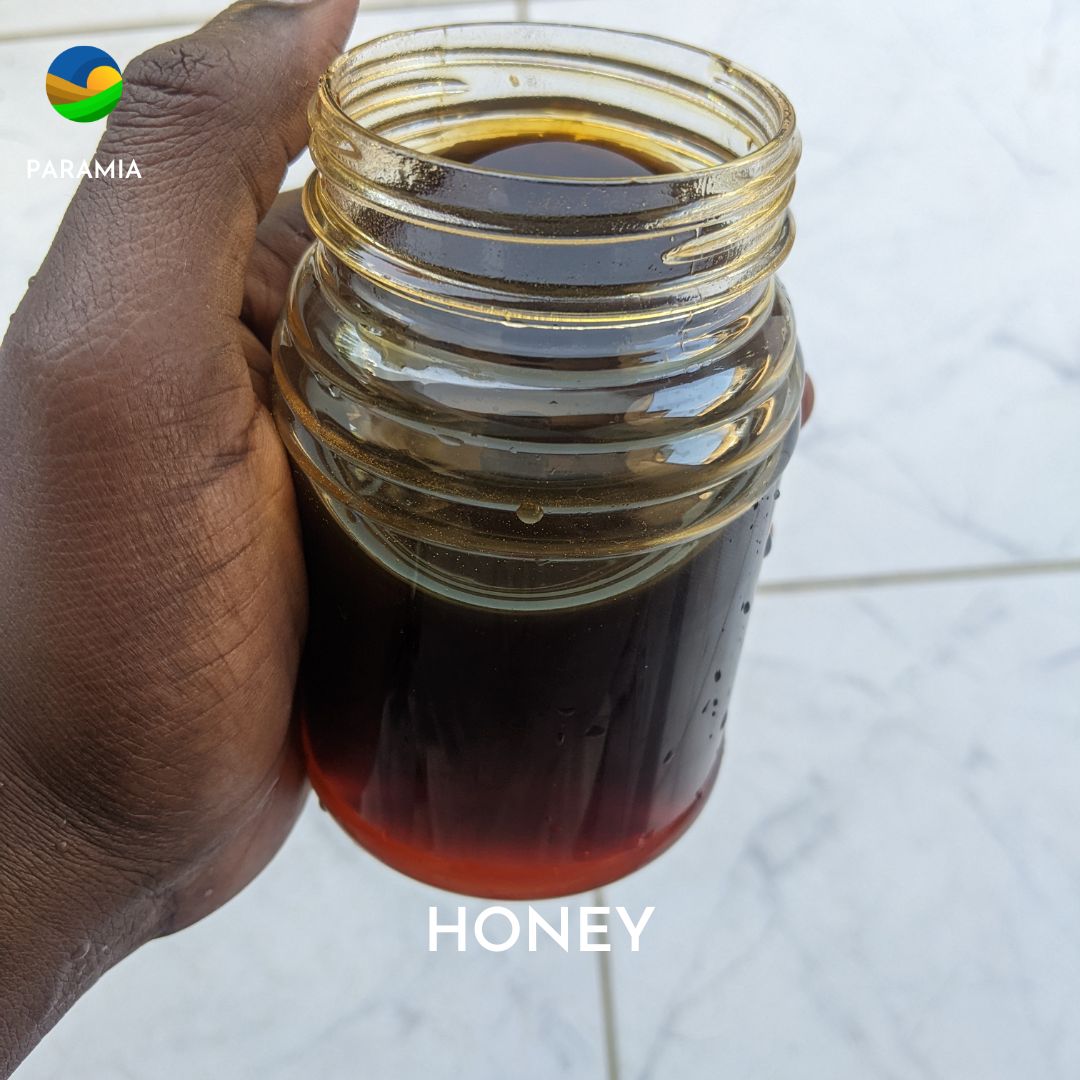
In 2024, the EU imported 174 700 tonnes of honey from countries outside of the EU.🍯🐝
The top trade partners were:
🇨🇳 China (60 300 tonnes; 35% of total imports)
🇺🇦 Ukraine (54 000 tonnes; 31%)
🇦🇷 Argentina (20 100 tonnes; 12%)
👉 https://t.co/g4WApsfnuh
#WorldBeeDay
🇹🇿🍯 From hive to high street: Tanzania's beekeepers eye global honey markets
This shift from selling raw honey to producing processed, branded products is driving the push abroad, according to local media.
👇 Watch the video to learn how the country can achieve this goal.
🐝 Happy #WorldBeeDay! 🐝
Join our buzz-worthy celebration by digging into the vital role honey bees play not only in our food system, but in communities around the world in this #CelebratingBeekeeping video:
Business boomed at Kikowani, Mombasa, as Muslims flocked to purchase goats ahead of the Eid al-Adha celebrations set for May 27th, 2026.
Photos by Omondi Onyango
Big move for Tomato Jos as the company secures a ₦2 million naira-denominated debt facility from Sabou Capital to expand its tomato processing operations and deepen support for smallholder farmers in Kaduna.
The investment is another strong step toward reducing Nigeria’s dependence on imported tomato paste and strengthening local food production. Tomato Jos says the funding will also help support over 10,000 farmers and their families across its supply chain.
Copied @Nairametrics
Big move for Tomato Jos as the company secures a ₦2 million naira-denominated debt facility from Sabou Capital to expand its tomato processing operations and deepen support for smallholder farmers in Kaduna.
The investment is another strong step toward reducing Nigeria’s dependence on imported tomato paste and strengthening local food production. Tomato Jos says the funding will also help support over 10,000 farmers and their families across its supply chain.
Copied @Nairametrics
🚨🚨 The Big Lesson from Somaliland..
Somaliland demonstrates that: Drylands are not “empty lands.”
Arid rangelands can become major foreign exchange earners.
Sheep and goat value chains can outperform many rain-fed farming systems in dry areas.
#TaitaTaveta#Kilifi#Kwale