Modern parenting isn’t broken. Modern life destroyed it.
Decoding toxic family systems, Asian achievement cults & emotional bankruptcy. No sugarcoating.
@Gitana1369877 Some of us learned that the safest company was silence and a warm drink.
Because people always came with conditions, expectations, or the threat of sudden rage.
Being alone with your thoughts wasn’t loneliness. It was the only place no one could make you perform.
Narcissists don’t just lack empathy. They actively resent yours.
Your ability to feel guilt, reflect, and love without agenda reminds them of everything they can never have.
So they punish you for having what they’re missing. Your humanity becomes living proof of their brokenness
A pure narcissist has a fragile ego underneath the performance. A psychopathic narcissist has nothing underneath. No real self. No conscience. No capacity for genuine connection. Just an elaborate mask that shifts to whatever works.
@b_ziiii Some parents don’t raise children. They raise emotional support systems.
You learn early that your role is to manage their feelings, their stress, their image — while your own needs stay invisible.
That’s not parenting. That’s parentification with extra guilt
Many of us didn’t grow up being loved unconditionally. We grew up being loved for what we could provide — good grades, silence, obedience.
So we learned that love is transactional. Now we enter adulthood still trying to earn basic respect and affection, because unconditional love was never modeled for us.
@Lovandfear Some parents don’t love you — they love being needed by you.
The moment you become independent or set a boundary, their affection turns cold or angry.
That’s not love. That’s emotional supply with extra steps
Calling it 'growing up too fast' is a polite way to hide the truth.
It was emotional neglect and parentification. We were forced to become the adult in the room while still a child.
We learned to manage everyone else’s emotions before we could even name our own. That’s not maturity. That’s survival.
@Lovandfear Some parents don’t love you — they love being needed by you.
The moment you become independent or set a boundary, their affection turns cold or angry.
That’s not love. That’s emotional supply with extra steps
The golden child and the scapegoat aren’t opposites. They’re two sides of the same narcissistic strategy.
One is worshipped to inflate the parent’s ego. The other is blamed to protect it.
Both learn the same brutal lesson: your value is never who you are — it’s what role you play for them.
Malignant narcissists often pick fights while driving. Why? Because in that moment, they hold total control:
• You can’t walk away from the argument.
• You’re trapped in their space.
• Your safety is literally in their hands.
They might even swerve the car or make veiled threats to remind you that your life depends on their choices. This isn’t just an argument—it’s a form of psychological terror and coercive control.
If this has happened to you, know that you’re not imagining it. It’s abuse. And you’re not alone.
I’m breaking the cycle.
My child will never have to earn a pair of shoes with perfect grades. They will never have to apologize for being hungry. They will never have to carry my ego or my unhealed wounds.
I will give them what I never got — not because I’m better than my parents, but because I finally understood what they refused to.
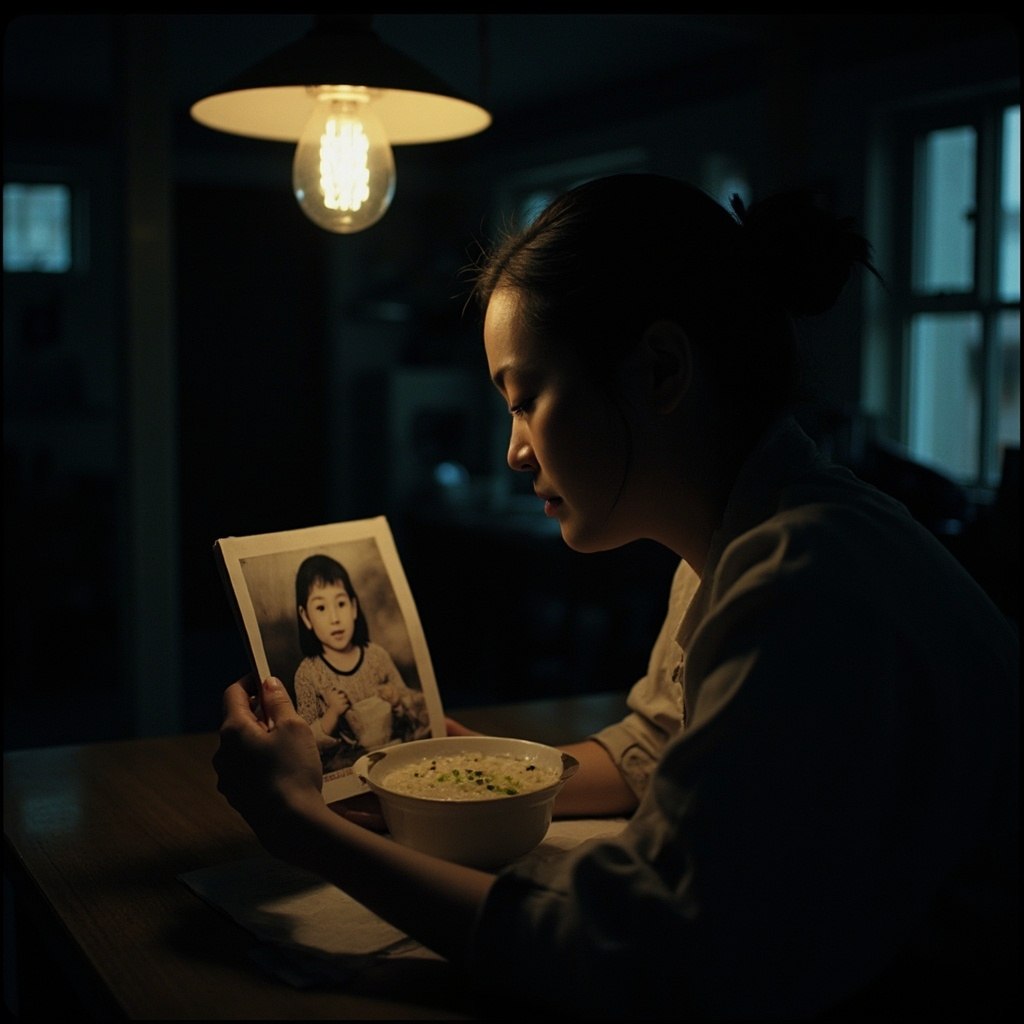
My mom used to make me the same breakfast every day: thin rice porridge and pickled vegetables.
I’d be starving by second period. She knew it. She could have given me two dollars for meat buns. She didn’t.
She wanted me to feel her sacrifice. Not my hunger.
The hardest part wasn’t the poverty. It was realizing they used their “hardship” to justify never giving us basic comfort, basic respect, or basic love without strings attached.
Many of us didn’t learn love as safety. We learned love as performance, silence, and usefulness.
So now we enter relationships already scanning for conditions, waiting for the other shoe to drop, or shrinking ourselves so we don’t become ‘too much.’
Childhood didn’t just hurt us. It taught us the rules of love — and those rules were rigged from the start
@Gitana1369877 Some parents don’t love you — they love being needed by you.
The moment you become independent, set a boundary, or stop managing their emotions, their affection turns cold or resentful.
That’s not love. That’s emotional supply with extra steps.
Many of us didn’t grow up being loved unconditionally. We grew up being loved for what we could provide — good grades, silence, usefulness.
So we learned that love is transactional. Now we enter relationships already scanning for conditions, waiting for the other shoe to drop, or shrinking ourselves to stay safe.
@Lovandfear Some parents don’t love you — they love being needed by you.
The moment you become independent or set a boundary, their affection turns cold or angry.
That’s not love. That’s emotional supply with extra steps.
@Lovandfear Some parents don’t love you — they love being needed by you.
The second you become independent or set a boundary, their affection turns cold or resentful.
That’s not love. That’s emotional supply with extra steps.
Many of us didn’t learn love as safety. We learned love as performance, silence, and usefulness.
So now we enter relationships already scanning for conditions, waiting for the other shoe to drop, or shrinking ourselves so we don’t become ‘too much.’
Childhood didn’t just hurt us. It taught us the rules of love — and those rules were rigged from the start.