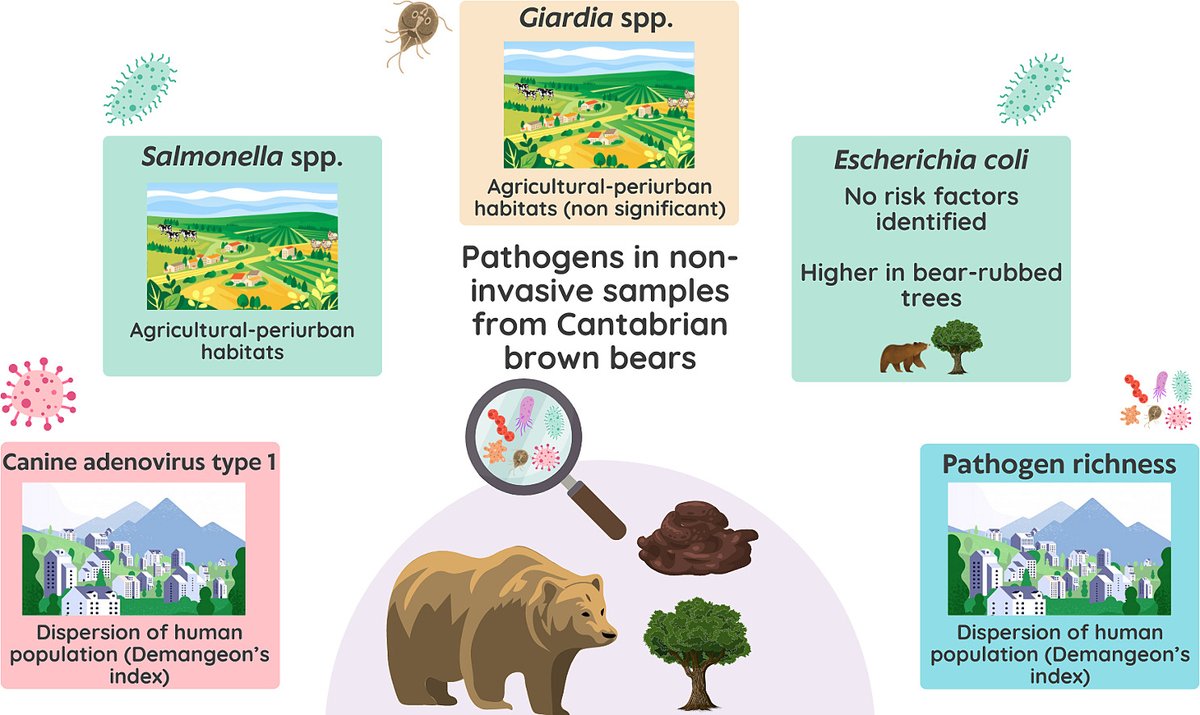
Bears & Pathogens: land disturbance & human population distribution drive positivity to 🐻pathogens. We used only noninvasive fecal and sponge samples. Led by Gloria Herrero-García & Ana Balseiro at @unileon with @VISAVET, @IREC_CSIC_UCLM & friends. https://t.co/fDHmRzLvCL
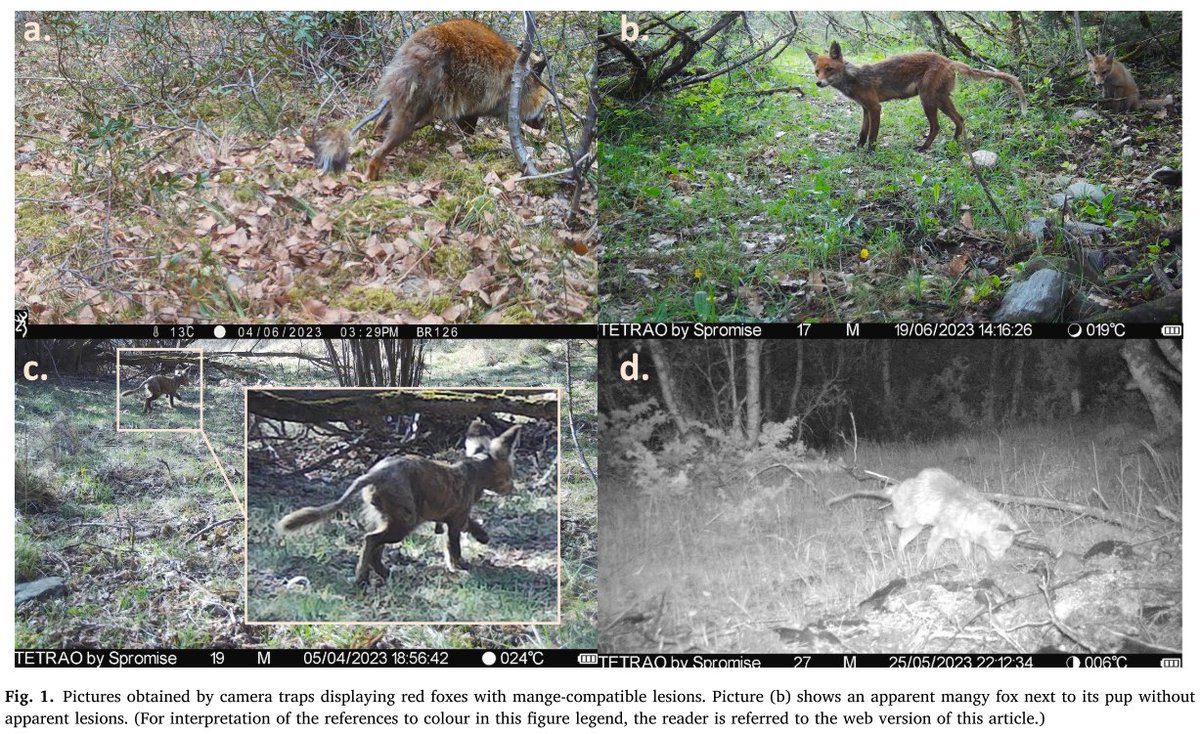
#cameratraps sometimes surprise us with new discoveries (alien species, presence of a species considered extinct, leucism -colour anomalies- in wild populations...)
In this study, we detected a sarcoptic mange outbreak in foxes from northern Spain
#veterinary#wildlife
🦊📸👩🔬
🧵
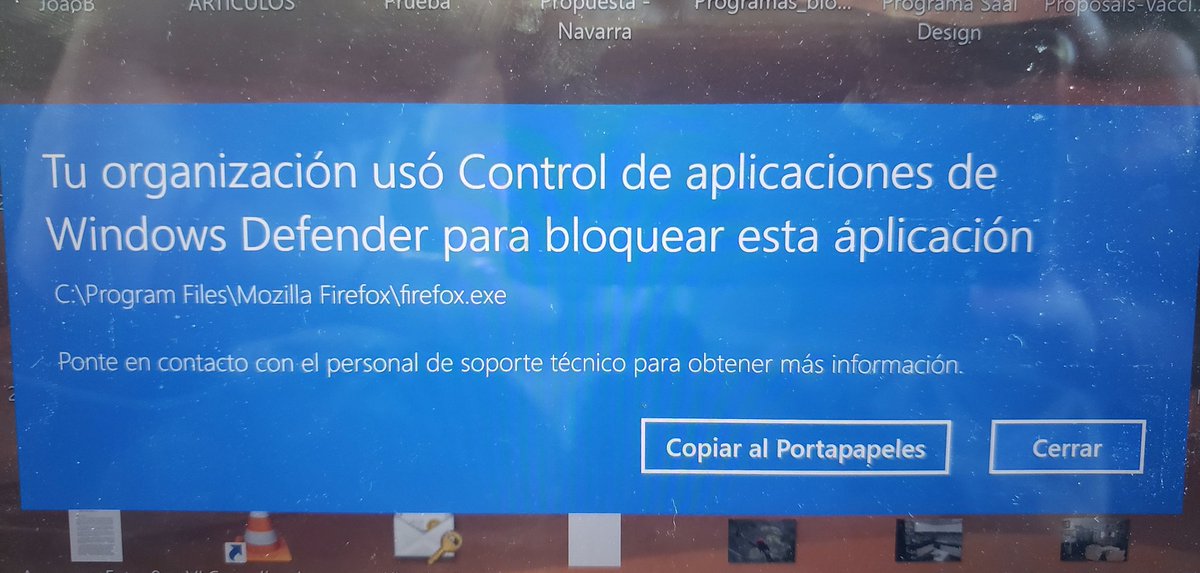
Nuestra querida @uclm_es promueve las colaboraciones @uclm_inter ... pero claro, para que eso funcione, estaría bien que @UCLMtic no bloquease los equipos cuando se conectan desde sitios exóticos. @IREC_CSIC_UCLM
What do we know about #cameratrapping to estimate #wildlife population density?🤔
thread 🧵:
#capturerecapture (#SCR) models have been usually applied for that purpose. However, many wildlife species have no natural markings to allow individual identification... (#unmarked)😱🤯
Nuevo artículo del IREC en colaboración con la EBD de Doñana sobre #toxoplasmosis en ungulados silvestres del Parque Nacional de Doñana.
https://t.co/9rXBOTH59T
Un poco más de ciencia desde @IREC_CSIC_UCLM COVID-19 in the Developing World: Is the Immune Response to α-Gal an Overlooked Factor Mitigating the Severity of Infection? https://t.co/stUxwKy17F
Más #ciencia desde @IREC_CSIC_UCLM: Revisión de Patricia Barroso et al.sobre series temporales y sanidad de fauna "Epidemiological systems are dynamic (...). Each additional year of research data helps us to better understand how systems respond to change" https://t.co/MbnV2ySTgL