Assistant Professor CamEd Business School | @LSEEI Msc | @SciencesPo - Paris M.A. | @Cal BA |Tireless Academic | World Traveler | #Foodie | #ASEAN SEZs | #BRI
Part II column Link: https://t.co/8uXlUpZaQr
This is the second column in the series on China with Prof Kent Deng (@LSEEcHist@LSEnews) diagnosing the current landscape for China’s growth position in extension of its long term model (first part here: https://t.co/TnVMVLL6Rt).
This part explains how China’s credit and debt-driven growth model is nearing its limits. The convergence of demographic, geopolitical and financial conditions that enabled its industrialisation and rapid transformation no longer exist in the same form.
China’s total non-financial debt has now climbed to well above 300% of GDP, up from roughly 135% in 2008. That trajectory is not merely a story of rising leverage. It reflects an economy that increasingly substituted debt and investment for organic household demand… via @thewire_in
Thanks to @michaelxpettis for a great lecture on trade and growth at #CamEd Business School today with collaboration with @KAScambodia. Basic takeaways: KH needs to focus on increasing productivity over all else.
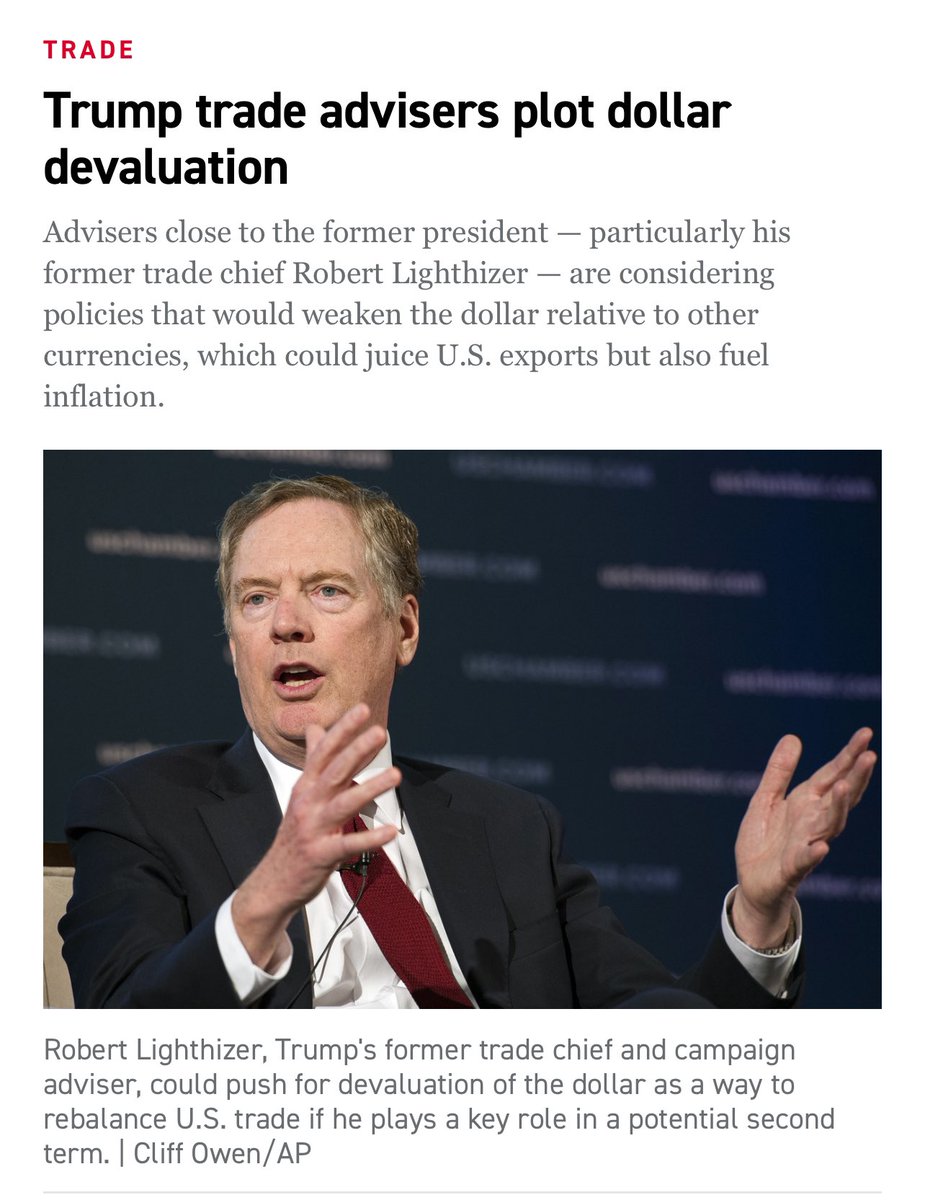
Oh boy and oh well… I mean they have to if they are to contain the trade deficit which by the way is now back to 2006 levels (as a % of GDP for goods ex-O&G). But this is a very fraught path and chances are high Trump geniuses will actually deliver a good 70s redux playing with this
@postdiscipline https://t.co/aW2VIPZfP3 for teaching the theory. You would have to provide the case study for application and to measure how well it fits.
With a lot of help of some researchers who did not want to reveal themselves for this one, I dipped my toe into the underground world of USDT use in Cambodia. It seems very likely that some is tied to the cybercrime industry https://t.co/Us93ZxwDCm
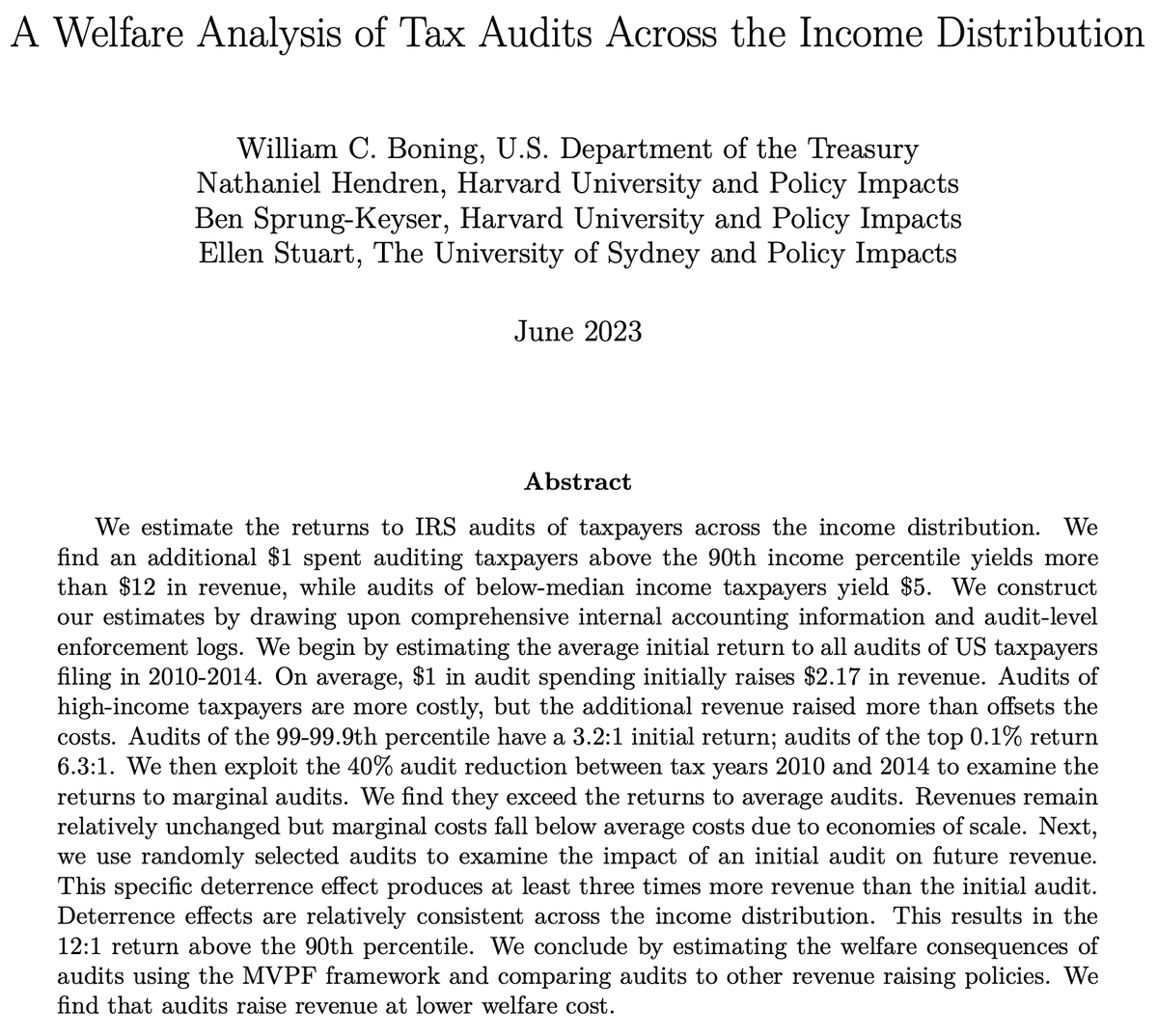
New Paper Alert 🚨
We estimate the returns to IRS tax audits across the income distribution. We find $1 of IRS spending on audits of top earners delivers more than $12 of tax revenue. Along the way, we provide new evidence of the strong specific deterrence effects of audits. 1/:
@postdiscipline@delong@cafreiman The commodity limitation is falty though and seems to break down when use/exchange value run into the commons. How is conservation of (or doing nothing to) a forest to be valued?
@battleforeurope The difference here seems to boil down to interests vs values. Corporations are devoid of values and Nation-states often sacrifice interests to maintain values.
@DanielleRose84 Based on the most recent GNI/cap data, to reach upper middle income by 2030 Cambodia needs either a 12% CAGR until then or a fundamental revaluation of GDP and GNI that includes the informal economy. The Middle income trap is already apparent in footwear and garment.
@postdiscipline@delong@cafreiman The smile curve in global value chains demonstrates that the LTV starts to erode the further a product moves away from the commodity. So, limiting to commodities does allow the theory to retain validity.