Developing a sustainable production chain for selenium-enriched functional food, supporting public health, climate goals, and fostering international collaborat
Does eating in a rush affect how we use nutrients? ⏱️
Yes, but not because the body suddenly “misses” vitamins or micronutrients. Eating in a rush mainly affects digestion, satiety signals and the food choices we make.
When we eat quickly, we often chew less thoroughly. Digestion begins in the mouth, and proper chewing makes the work of the stomach and intestines easier. Eating too fast may contribute to heaviness, bloating and discomfort after a meal.
Rush also makes it harder to read satiety signals. The body needs time to register that it has received energy. This means that eating very quickly can make it easier to consume more than we actually need.
Stress matters too. A meal eaten between tasks, in front of a screen or under pressure often leads to less mindful choices: fewer vegetables, less protein and more ready-made foods or snacks.
What can help?
🥗 start your meal with a few calm bites
🍽️ put your cutlery down between bites
🥦 add vegetables and a protein source to support satiety
💧 drink water, as thirst can sometimes be confused with hunger
Better nutrient use starts not only with what is on the plate, but also with how and where we eat 🌱
Why do we sometimes crave specific flavours? 🍫🥒
Craving something sweet, salty or sour does not always mean the body is “missing” a specific nutrient. More often, it is a mix of physiology, habits, emotions and daily routine.
A craving for sweet foods may appear after a long break between meals, poor sleep or a drop in energy. The body may be looking for a quick source of glucose, but this is not always the best long-term solution.
A craving for salty foods can be linked to intense exercise, sweating, dehydration or simply being used to highly seasoned foods. In this case, hydration and a well-balanced meal are a good place to start.
A craving for sour or fermented foods may come from taste preferences, but also from the fact that these foods are intense, refreshing and often feel like something “fresh” in the diet.
And what about micronutrients? Selenium, zinc, magnesium and iron support metabolism, nervous system function and energy levels, but a specific craving is not a simple test for deficiency. If fatigue, irritability or poor concentration appear regularly, it is worth looking at the bigger picture: sleep, meal timing, hydration and dietary diversity.
The best approach? Do not fight your appetite — understand it. Sometimes the answer is a more nourishing meal, better routine and less eating in a rush 🌱
Do vegetables from the fridge taste different from freshly bought ones? 🥬
Yes, but it depends on which vegetable you store and how you store it.
Some products are better kept outside the fridge.
🍅 Tomatoes should be stored at room temperature, as cold temperatures can reduce their aroma and affect texture.
🧄 Onions and garlic prefer a dry, dark and well-ventilated place.
🥔 Potatoes also do not belong in the fridge, they should be stored away from light.
Other vegetables do benefit from refrigeration.
🥬 Lettuce, spinach, rocket and kale wilt faster, so they are best kept in the fridge, in a container or bag with a little moisture.
🥕 Carrots, parsley root and beetroot tolerate cold storage well, especially in the vegetable drawer.
And what about mushrooms?
🍄 Do not wash them before putting them in the fridge. They absorb water quickly, which can affect their texture and freshness. It is better to store them in a paper bag and wash them just before cooking.
Cut vegetables also lose freshness faster. Greater exposure to air can affect taste, texture and some bioactive compounds.
A simple rule: not everything belongs in the fridge, not everything should be washed in advance, and not everything should be cut too early. This helps vegetables keep their flavour, aroma and nutritional value for longer 🌱
Why do some meals make us feel heavy, while others leave us feeling light? 🍽️
It is not always about portion size. Two meals of a similar size can feel completely different depending on their composition and preparation method.
A heavy feeling is more common after meals high in fat, simple sugars and low in fibre. Think fried foods, pizza with lots of cheese, fast food, sweet pastries, heavy sauces or a large meal eaten late and quickly.
A lighter feeling is usually supported by meals that include:
🥦 plenty of vegetables, preferably cooked, steamed or roasted,
🥚 a clear source of protein, such as eggs, fish, tofu, natural yoghurt, legumes or lean meat,
🌾 complex carbohydrates, such as groats, rice, potatoes or whole-grain bread,
🥑 healthy fats in moderate amounts, such as olive oil, seeds, nuts or avocado.
Micronutrients matter too. Selenium, zinc, magnesium and iron support metabolism, enzyme activity, immunity and cellular protection against oxidative stress. A meal built around vegetables, protein and nutrient-rich ingredients usually works better for the body than one based mainly on fat and refined carbohydrates.
A simple rule? If you often feel heavy after eating, try switching from frying to baking or steaming, add more vegetables and reduce very fatty toppings or sauces. Small changes on the plate can make a real difference 🌱
Can your dinner affect your energy levels the next morning? 🌙
Yes, your evening meal may influence sleep quality, overnight recovery and how energised you feel the next day.
A good dinner should be light, but still nourishing. It is worth choosing foods that support stable blood sugar levels, provide protein and deliver micronutrients important for the nervous system and metabolism.
What can you include in your evening meal?
🥚 a source of protein, such as eggs, fish, tofu, natural yoghurt or legumes
🥦 vegetables, preferably cooked, roasted or steamed if raw ones are harder to digest in the evening
🥑 healthy fats, such as olive oil, seeds, nuts or avocado
🌾 a whole-grain addition if you need a more filling meal, such as groats, rice or whole-grain bread
Micronutrients such as magnesium, zinc, iron and selenium also matter. They support metabolism, immunity, nervous system function and cellular protection against oxidative stress.
It is not about creating the perfect meal. The key is simple: dinner should nourish the body, not overload it. This small daily habit can support better recovery overnight 🌱
On 28–29 May 2026, a delegation from the University of Warsaw took part in a study visit at the headquarters of Consiglio Nazionale delle Ricerche (CNR) in Rome.
The meeting focused on research management, Horizon Europe projects, technology transfer and science communication. Participants had the opportunity to learn from CNR’s experience in grant support, partnership development, project management offices and increasing the impact of scientific results.
The programme included sessions led by representatives of CNR, REDINN and experts in research management, EU project finance and communication.
The study visit provided an important opportunity to exchange knowledge, share good practices and further strengthen international cooperation within the PATHFOOD project.
Do our taste buds change with age? 🥦
Yes, more than we might think. Children and adults often perceive the taste of the same foods differently, especially vegetables.
Children have more active taste receptors than adults, which makes bitter flavours and strong aromas feel much more intense to them. This is one reason why broccoli, kale or cabbage may taste “stronger” or less pleasant to children than to adults.
As we age, both the number and sensitivity of taste buds gradually change. Taste perception is also influenced by:
• eating experiences,
• childhood habits,
• food preparation methods,
• and even texture and aroma.
Interestingly, studies suggest that repeated exposure to certain foods can gradually increase acceptance. This means that dislike of vegetables in childhood does not necessarily last forever.
Taste is not only about the tongue, it is also shaped by biology, experience and habits 🌱
Why do some vegetables turn brown after being cut? 🔪
This is the result of natural chemical reactions that occur when plant tissues are damaged. Once a vegetable is cut, its inner tissues are exposed to oxygen in the air, activating enzymes responsible for so-called enzymatic browning.
This process commonly affects vegetables and fruits rich in phenolic compounds, such as potatoes, eggplants and mushrooms. An enzyme called polyphenol oxidase triggers oxidation reactions that lead to darker colouring.
The speed of browning depends on factors such as:
• oxygen exposure,
• temperature,
• moisture levels,
• pH conditions.
That is why adding lemon juice or storing cut vegetables in cooler temperatures can help slow the process.
Although browning may look unappealing, it does not necessarily mean the food is unsafe, it is primarily a natural chemical reaction 🌱
Do packaged ready-to-eat salads retain their nutritional value? 🥗
Pre-packed salads and cut vegetables are convenient, but many people wonder whether they still retain their nutritional value after washing, cutting and packaging.
The answer is yes, although some nutrients may gradually change during storage.
The most sensitive components are usually:
• vitamin C,
• certain antioxidants,
• bioactive compounds exposed to oxygen and light.
Cutting vegetables increases their contact with air, which may accelerate oxidation processes and reduce some nutrients over time. Important factors include:
• storage temperature,
• packaging conditions,
• time between preparation and consumption.
Micronutrients such as selenium are generally more stable than vitamins and tend to remain present even after processing.
In practice, ready-to-eat salads can still be a valuable part of a healthy diet, especially if they help increase daily vegetable intake 🌱
Does the body “signal” nutrient deficiencies? 🤔
Fatigue, poor concentration, weaker immunity or changes in skin and hair condition are often interpreted as signs of vitamin or micronutrient deficiencies. But can the body really communicate deficiencies this way?
Partly yes, but many of these symptoms are highly non-specific. This means they may have multiple causes and do not necessarily indicate a deficiency of a particular nutrient.
For example:
• chronic fatigue may be linked to iron deficiency, but also to stress or lack of sleep,
• weaker immunity can be influenced by both diet and lifestyle,
• changes in hair or skin condition are not always caused by micronutrient deficiencies.
A common myth is that the body “craves” specific foods when it lacks certain nutrients. In reality, cravings are more often related to habits, emotions or energy balance than to precise biological signalling.
This is why laboratory testing and professional assessment remain the most reliable ways to identify nutritional deficiencies.
The body may send signals, but interpreting them requires a broader perspective 🌱
Does reheated food lose its nutritional value? 🍲
It depends on the type of nutrients and on how the meal is stored and reheated.
Some vitamins, especially vitamin C and certain B vitamins, are sensitive to heat and may gradually decrease during reheating. Micronutrients such as selenium, zinc and iron, however, are much more heat-stable and generally remain present even after the meal is warmed again.
Other important factors include:
• storage temperature,
• time between cooking and consumption,
• number of reheating cycles.
Proper refrigeration and avoiding repeated reheating are key. In practice, well-stored leftovers can still be a nutritious part of a healthy diet.
This is good news not only for nutrition, but also for reducing food waste 🌱
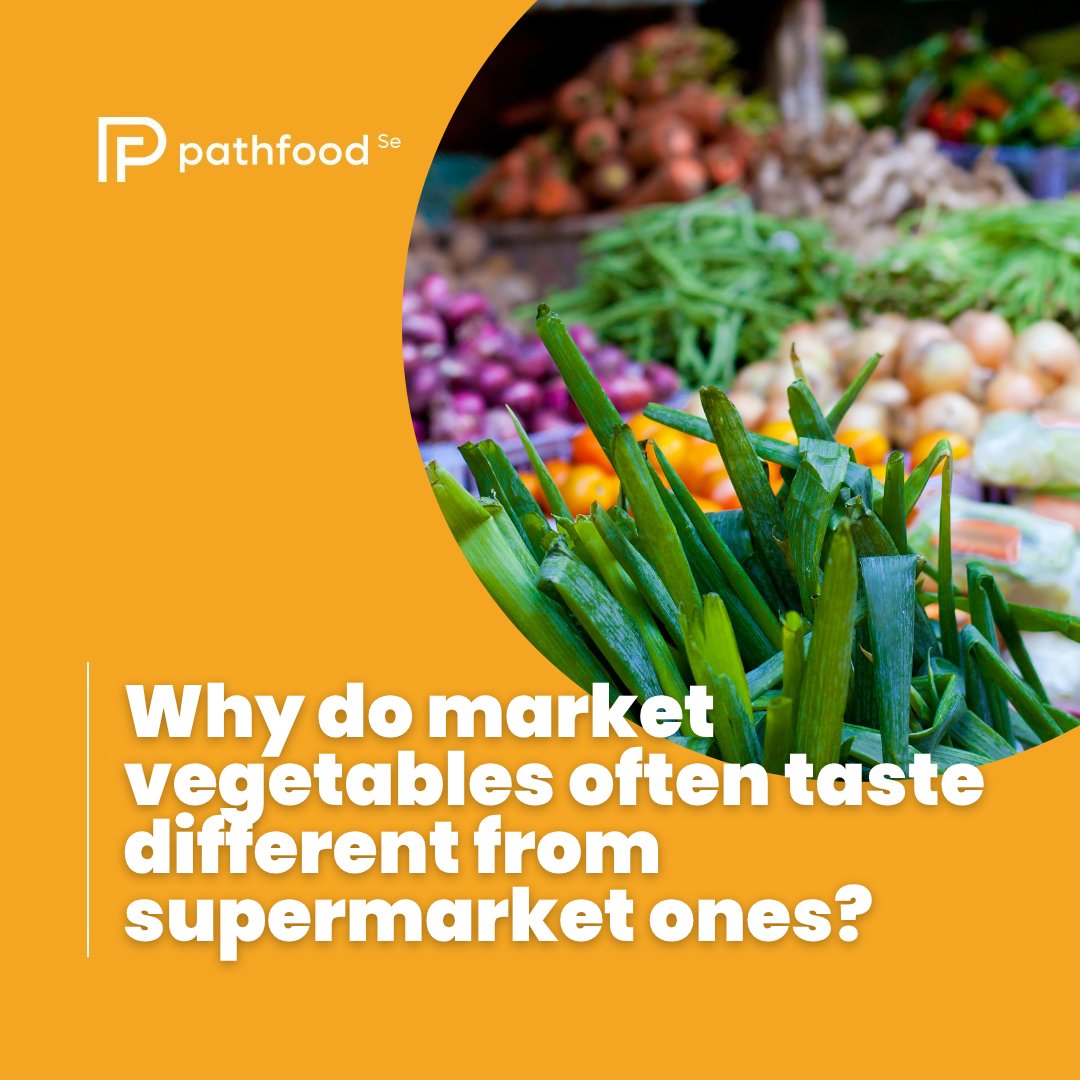
Why do vegetables from local markets sometimes taste different from supermarket ones? 🥕
Many people notice that vegetables bought at local markets often have a stronger flavour and aroma than those from supermarkets. Why does this happen?
One of the key factors is freshness. Locally sold vegetables are often available shortly after harvest, helping preserve natural compounds responsible for taste and aroma.
Other important factors include:
• transport time,
• storage conditions,
• temperature and light exposure,
• time spent in warehouses and cold storage.
During long storage periods, some bioactive compounds gradually change, which can affect both flavour and, in some cases, nutritional quality.
This does not mean supermarket vegetables are “worse.” Modern storage systems help maintain product quality for longer periods. In practice, what matters most is maintaining a varied diet rich in vegetables-regardless of where they are purchased 🌱
Does the time of day affect how the body uses nutrients? ⏰🥗
More and more studies suggest that the body does not function the same way throughout the day. Our metabolism follows circadian rhythms that influence digestion, hormone regulation and nutrient utilisation.
In the morning, the body is generally more efficient at energy metabolism, which is why a breakfast rich in protein, fibre and micronutrients may support concentration and stable energy levels during the day.
In the evening, metabolic processes tend to slow down, and heavy late meals may be harder to digest. However, there is no single “perfect” time to consume specific nutrients.
The way micronutrients such as selenium, iron or zinc are utilised also depends on:
• overall meal composition,
• interactions with other minerals,
• meal regularity,
• individual lifestyle and daily rhythm.
This is why nutrition research increasingly focuses not only on what we eat, but also on when we eat 🌱
How can stress and lack of sleep affect the body’s micronutrient needs? 😴⚡
Chronic stress and sleep deprivation affect not only wellbeing, but also how the body functions on a metabolic level.
During periods of stress, the body may use more nutrients involved in nervous system regulation, immune support and protection against oxidative stress. This includes micronutrients such as:
• selenium,
• magnesium,
• zinc,
• iron.
Insufficient recovery may also influence:
• hormone balance,
• inflammatory processes,
• appetite and food choices,
• nutrient utilisation efficiency.
Stress does not automatically cause deficiencies, but long-term overload may increase the importance of a balanced diet and regular meals.
This is why metabolic health depends not only on what we eat, but also on sleep, recovery and everyday lifestyle habits 🌱
Do children need more selenium than adults relative to body weight? 👧
Yes, when calculated per kilogram of body weight, children often require higher amounts of many micronutrients, including selenium, than adults. This is linked to periods of rapid growth and development.
Selenium plays an important role in:
• immune system function,
• protection against oxidative stress,
• thyroid hormone metabolism,
• nervous system development.
Although total daily selenium requirements are lower in children than in adults, their bodies need relatively higher intake per body weight.
This is why a balanced diet rich in natural micronutrient sources is particularly important during childhood-especially in regions of Europe where selenium availability in soil is lower.
Does the way you cut vegetables affect their nutritional value? 🔪🥦
Yes, even small preparation steps like cutting can influence how many nutrients remain in vegetables before they are eaten.
Cutting increases the surface exposed to air and light, which can accelerate the loss of certain vitamins and bioactive compounds. The smaller the pieces, the greater the potential nutrient loss-especially in leafy vegetables.
Timing also matters. Storing chopped vegetables for longer periods before consumption may reduce some of their nutritional value.
Micronutrients such as selenium are generally more stable than vitamins, but preparation methods can still influence their availability in the diet.
Cutting vegetables shortly before cooking or eating is a simple way to help preserve their nutritional quality 🌱
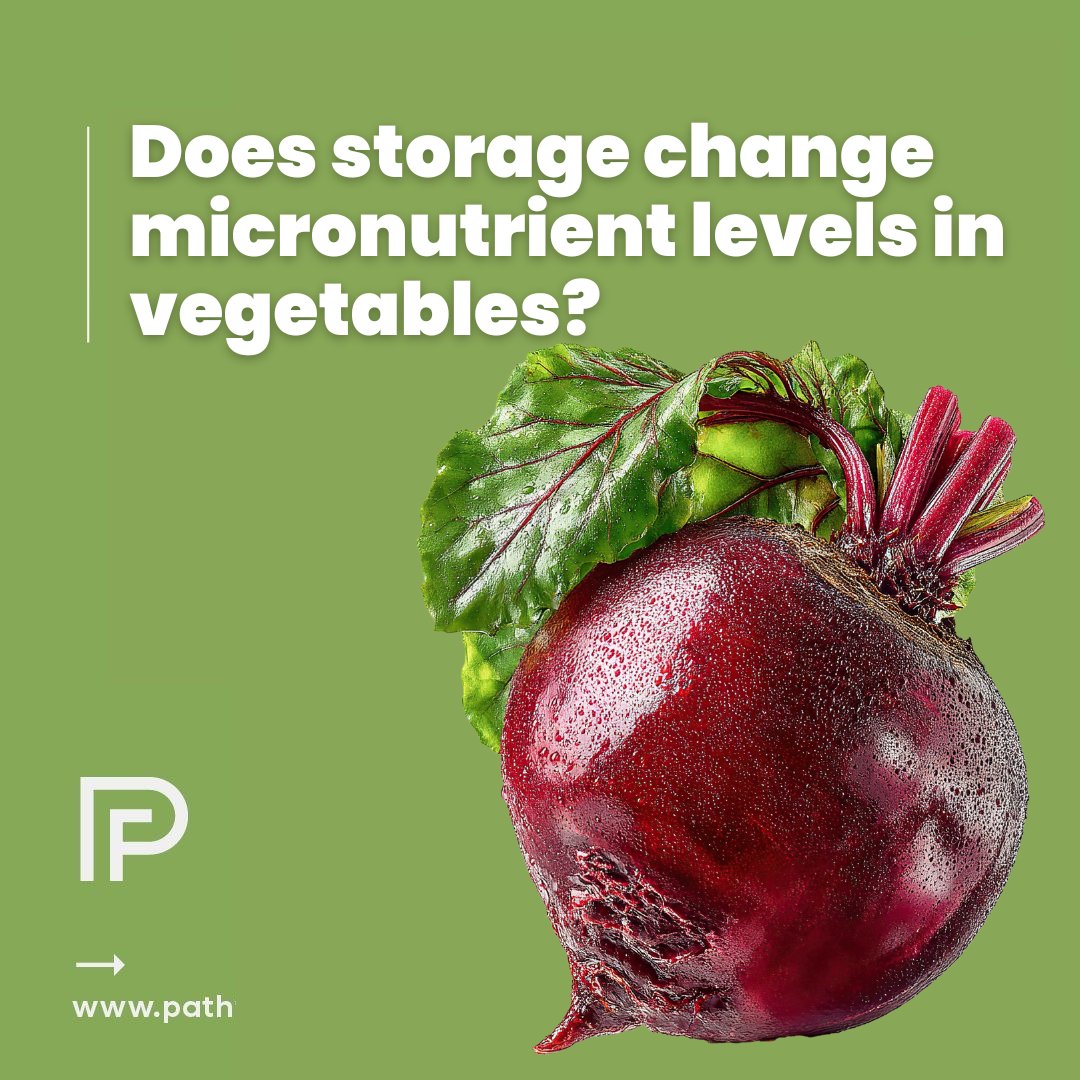
Does long-term storage affect the micronutrient content of vegetables? 🥕📦
Yes. Storage time can influence the nutritional value of vegetables, although micronutrients such as selenium are generally more stable than vitamins.
The most noticeable changes usually affect vitamin C and certain bioactive compounds, which gradually decline after harvest. Micronutrients tend to remain present for longer, but their bioavailability may still depend on storage conditions.
Key factors include:
• storage temperature,
• exposure to light,
• humidity levels,
• time between harvest and consumption.
Root vegetables such as carrots and beetroot tolerate longer storage relatively well, while leafy vegetables lose nutrients more quickly.
Choosing fresh or seasonal vegetables and storing them properly is one of the simplest ways to maintain their nutritional value 🌱
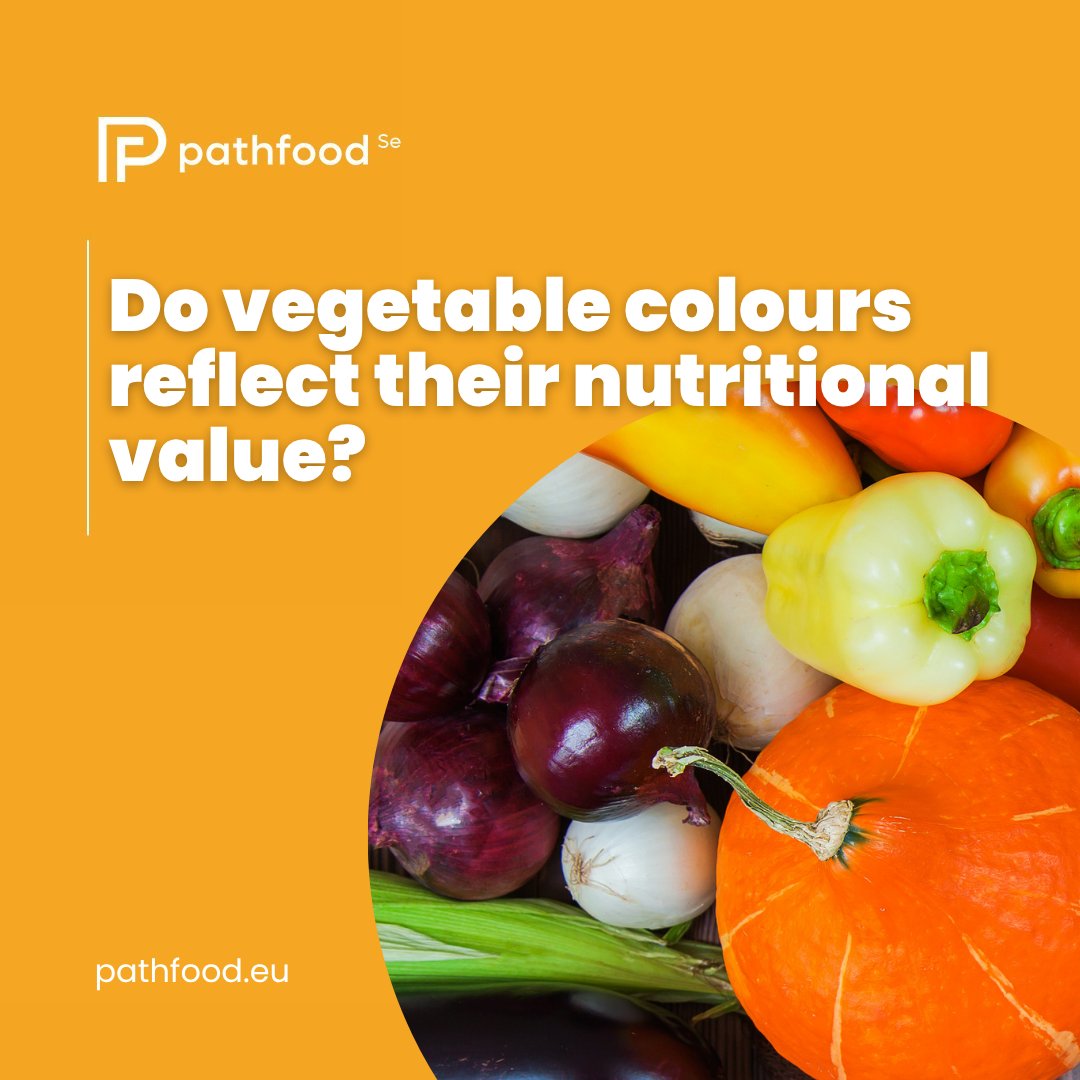
Does the colour of vegetables tell us anything about their nutritional value? 🌈
The colour of vegetables is more than just visual appearance, it often reflects the presence of specific bioactive compounds that play important roles in both plant physiology and human nutrition.
Green vegetables such as broccoli, kale and cabbage contain chlorophyll, folates and sulfur compounds. These crops are particularly interesting in selenium biofortification research because sulfur metabolism in plants is closely linked to selenium pathways.
Orange vegetables like carrots, pumpkin and sweet potatoes are rich in carotenoids, including beta-carotene, which the body can convert into vitamin A. These compounds support immune function and vision.
Purple vegetables such as red cabbage and eggplant contain anthocyanins, powerful antioxidants associated with cellular protection against oxidative stress.
While colour alone does not determine mineral content, it is a useful indicator that a more colourful plate usually means a more diverse intake of beneficial nutrients.
Does the season affect the micronutrient content of the vegetables you eat? ❄️☀️
Yes, the season influences not only flavour, but also the nutritional value of vegetables.
In summer, vegetables are often consumed shortly after harvest, which helps preserve vitamins and some micronutrients. In winter, however, many products are stored longer or transported over greater distances, which may affect their composition.
Micronutrient content depends on factors such as:
• storage time after harvest,
• transport and storage conditions,
• sunlight exposure and temperature during growth,
• soil composition in the cultivation area.
This does not mean winter vegetables are less valuable. Seasonal winter crops such as cabbage, beetroot and carrots can still provide important nutrients.
Choosing seasonal foods and maintaining dietary diversity throughout the year is one of the simplest ways to support adequate micronutrient intake.
Can a single portion of vegetables cover your daily selenium needs? 🥦
It depends largely on where and how the vegetables were grown.
Selenium content in plants is not constant and may vary significantly depending on:
• selenium levels in soil,
• plant species and variety,
• fertilisation practices and environmental conditions.
In regions with naturally selenium-rich soils, one portion of certain vegetables may provide a substantial share of the recommended daily intake. However, in many parts of Europe, soil selenium levels are lower, meaning vegetables typically cover only part of the requirement.
This is why biofortification strategies are being developed to increase selenium levels in crops in a safe and sustainable way.
Well-designed plant-based foods may play an increasingly important role in supporting adequate selenium intake in the future 🌱