We are deeply saddened to share that Dr. Paul Ekman has passed away. His groundbreaking research transformed our understanding of emotion, facial expression, deception and compassion. We are creating a memorial page if you would like to share a reflection: https://t.co/39ctcg8E9w
October is a month full of scary movies, haunted houses, and all things fear. But did you know that fear may have a smell?
A recent study found that dogs respond differently when exposed to odors collected from humans experiencing fear. The dogs stayed closer to a person nearby, held their tails lower, and were slower to approach a target, suggesting that the chemical signals associated with our emotions may communicate more than we realize.
It's a fascinating reminder that an emotional response involves changes throughout the body, not just the facial expressions and behaviors we can see.
Read more about the research: https://t.co/0BF91PJP74
October is Emotional Wellness Month, a reminder that understanding our emotions is an ongoing practice.
Emotions arise automatically, but with greater awareness, we can become better at recognizing our triggers, noticing emotions as they unfold, and creating more space between an emotional impulse and how we choose to respond.
Explore practical ways to build emotional awareness and regulation through mindfulness and everyday observation: https://t.co/afD3HsLpbY
This Friday, October 9, Dr. Eve Ekman will join researchers and practitioners from around the world for the International Society for Contemplative Research’s virtual conference on Consciousness.
As a member of the Planning Committee, Eve will also moderate an interdisciplinary panel exploring consciousness across nondual meditation, psychedelic traditions, and neuroscience.
Learn more and join the conversation: https://t.co/98MI4ORiVz
World Teachers’ Day is an opportunity to celebrate the educators who help students not only build knowledge, but also develop the skills to understand themselves and connect with others.
Emotion awareness can play an important role in the classroom, supporting communication, relationships, and a deeper understanding of human behavior.
In honor of #WorldTeachersDay, explore Paul Ekman Group’s resources and professional development opportunities for educators and academics: https://t.co/MsAZ3l0w0Q
Happy #WorldSmileDay! 😊
A smile might seem simple, but there’s more happening behind it than you might think. Dr. Paul Ekman’s research explored the many different types of smiles and the emotional and social messages they can communicate.
From smiles of genuine enjoyment to those associated with embarrassment, politeness, or even discomfort, not every smile means “I’m happy.”
Celebrate World Smile Day by exploring the fascinating science behind one of our most familiar facial expressions.
Learn more: https://t.co/Lp8YDRxDAr
What does it really mean to understand our emotions, rather than simply try to control them?
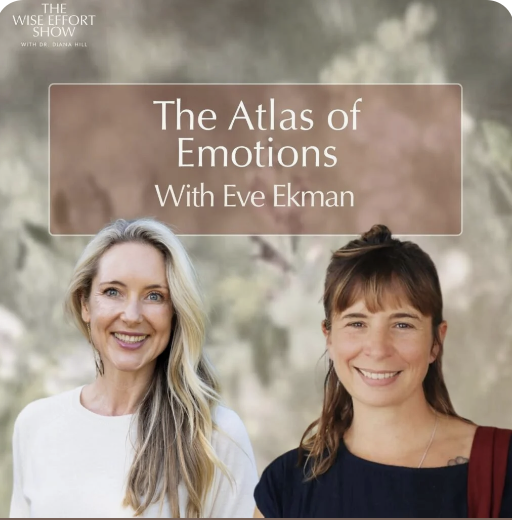
Dr. Eve Ekman recently joined Dr. Diana Hill on The Wise Effort Show to discuss the Atlas of Emotions, the interactive tool she created with her father, Dr. Paul Ekman, at the request of the Dalai Lama.
Their conversation explores how emotions unfold, the importance of understanding our triggers and responses, and why emotional awareness is something we build through ongoing practice. Eve also reflects on grief, relationships, and her personal experience of loss.
Listen in here for a thoughtful reflection on the ideas behind the Atlas and how we can bring greater awareness to our emotional lives: https://t.co/HnWuVCJxWK
For 10 years, the Atlas of Emotions has helped people around the world explore and better understand their emotional experiences. Now, we’d love to hear how you’ve made the Atlas part of your own life or work.
Have you used it for teaching, therapy, professional development, personal reflection, or with friends and family? Has it helped you better understand your emotions, recognize your triggers, or become more thoughtful about how you respond?
As we celebrate the Atlas of Emotions’ 10th anniversary, we invite you to share your experience with us. Your reflections will help us understand how the Atlas is being used around the world and inform its future. https://t.co/zwOHS3PWP2
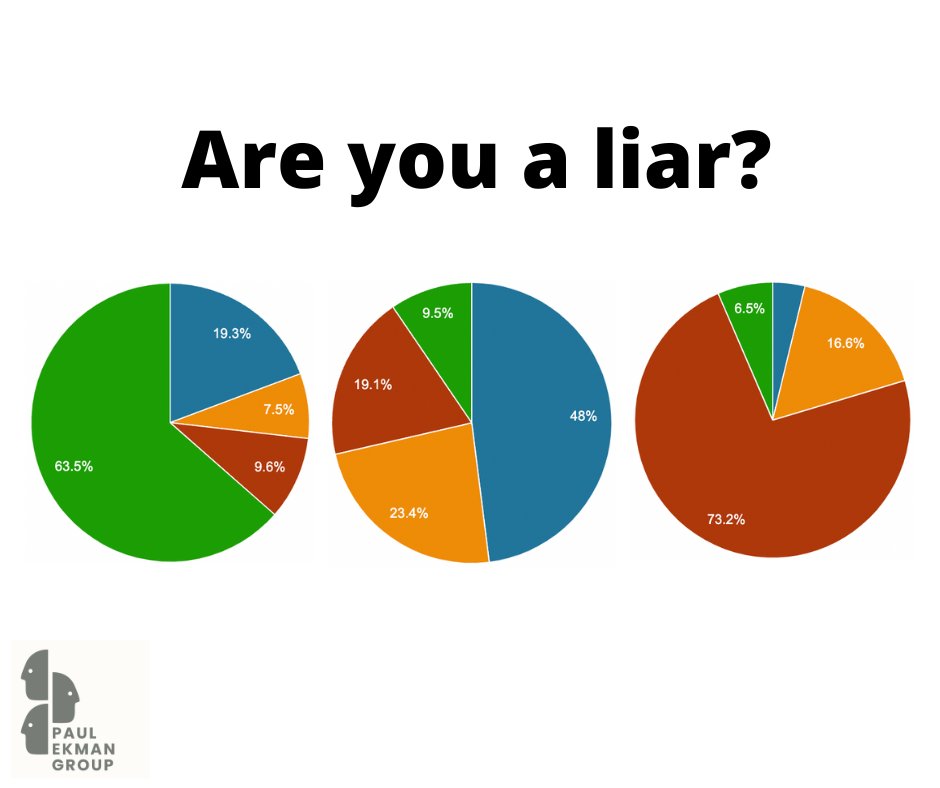
How do your choices about honesty compare with others?
In our “Are You a Liar?” quiz, you’ll consider a series of real-world scenarios and decide how you would respond. After each question, see how your answer compares with responses from other quiz takers.
You might be surprised by when others choose to tell the truth and when they don’t. https://t.co/H1wrAjBtlQ
Look behind the scenes of Dr. Ekman's groundbreaking cross-cultural research. In this blog, Dr. Ekman reflects on the experience of filming the Fore people during his field research in the 1960s. He shares the story behind the footage, the challenges of documenting expressions in a remote culture, and what those recordings came to represent in his study of universal facial expressions.
Explore Dr. Ekman’s firsthand reflections on this important chapter in his research: https://t.co/T9iQ3aFOee
A smile can mean many things, and culture can shape how we interpret it. This article from The Atlantic looks at why Americans tend to smile so readily and how cultural norms influence both when we smile and what we think a smile communicates.
It’s an interesting look at the intersection of universal facial expressions and the cultural context surrounding them: https://t.co/qtHCDRMSYh
What makes someone exceptionally good at spotting a lie?
In his research, Dr. Paul Ekman and colleagues identified a small group of people with an unusual ability to detect deception with consistently high accuracy. They became known as the “Wizards of Lie Detection.”
Learn more about who these “wizards” were, what set them apart, and what their abilities can teach us about detecting deception: https://t.co/S16WOsrhKw
Stress is a natural part of life, but why do some situations feel manageable while others leave us overwhelmed?
In this brief talk, Dr. Eve Ekman explores the relationship between emotions and stress, including how our appraisal of a situation can shape our response and how greater emotional awareness can help us recognize and navigate stress more effectively: https://t.co/mzwxRIuMX2
When emotions run high, how we communicate can matter just as much as what we say.
This article from the Greater Good Science Center explores the “four C’s” of compassionate communication: centering, curiosity, connection, and compassion. These practices can help us move from reacting in the heat of the moment toward listening, understanding, and responding with greater care. https://t.co/EzRv92aAGp
Dr. Ekman’s work has reached far beyond the study of facial expressions. For many, it has offered a new way to understand others, communicate more effectively, and bring greater awareness and compassion to everyday interactions.
We’re grateful to all those who have shared their reflections on the lasting impact of Dr. Ekman's research and teaching.
Explore Dr. Ekman’s research and trainings and discover how the science of emotion can deepen your understanding of yourself and others: https://t.co/rfQiY8WB8t
People often label emotions as “positive” or “negative,” but even the emotions we’d rather not feel have something important to tell us.
Frustration can signal that something needs to change. Loneliness can point to a need for connection. Fear, anger, sadness, and other difficult emotions evolved for a reason.
Rather than judging or suppressing what we feel, emotional awareness invites us to get curious: What is this emotion telling me? What triggered it? And how do I want to respond?
There are no bad emotions, only valuable signals waiting to be understood. https://t.co/hLWu46zKUq
Read more:
This Labor Day, invest in one of your most valuable professional skills: understanding people.
Whether you're looking to sharpen your ability to recognize micro expressions, improve communication, or deepen your understanding of emotion, now is a great time to get started.
For a limited time, save 25% on the Ekman Library during our Labor Day Sale.
Use code LaborDay2026 at checkout: https://t.co/Ttldez8R8k
The human face has fascinated artists, philosophers, scientists, and storytellers for centuries. This thoughtful review in The New Yorker explores a new cultural history of the face, touching on how we interpret expressions, identity, and what faces reveal about our shared humanity.
It's a fascinating read for anyone interested in emotion, facial expression, and the many ways our faces shape how we connect with one another: https://t.co/czPXQnT0vx
🎒 Back-to-School Special!
For the first time ever, The Feelings Field Guide is 20% off.
Built on decades of Dr. Paul Ekman's emotion research, it's a hands-on resource for teachers, counselors, therapists, parents, and anyone looking to build emotional awareness. 📚 Educator bulk pricing is also available.
Learn more: https://t.co/cijrja3gJd
On Grief Awareness Day, we recognize that grief is a deeply human experience, one that reflects the significance of what we've loved and lost.
While grief is often associated with sadness, it can also include anger, fear, guilt, relief, and many other emotions. There is no single "right" way to grieve.
If you're looking to better understand the role sadness plays in our emotional lives, explore Dr. Paul Ekman's overview of one of our core emotions and its important purpose: https://t.co/X3Lea4HbxS
Can the body reveal what words try to conceal?
In this article, Dr. Paul Ekman explores the relationship between physiology and deception, examining how stress, emotion, and the body's automatic responses can provide valuable clues during moments of dishonesty. It also highlights the importance of interpreting these signals carefully and in context.
Read more here: https://t.co/N87a1sOXB7