The Peace Airshed Zone Association (PAZA) is a nonprofit, multi-stakeholder organization that conducts ambient air quality monitoring in northwestern Alberta.
Summer is here, and so is the need for clean air! Whether you’re hiking, biking, or just enjoying the sunshine, remember to take steps to protect our air quality. Let’s work together for a healthier environment!
#AAC#SummerAirQuality#CleanAir
📊Alberta Air Quality by the Numbers (2025)
• 97 monitoring stations across Alberta
• 42 communities reporting AQHI
• Most AQHI readings remained LOW-risk
• Thousands of hours of air quality data collected to help protect Albertans
#AirQuality#AQHI#Alberta#AAC
In 2025, most Alberta communities experienced LOW risk AQHI conditions most of the time. Stay informed and monitor air quality year-round.
#AQHI#CleanAir#AAC
It’s here!! Alberta Airsheds 2025 Annual Air Quality Report on the state of the air in our province is now available. Read the full report https://t.co/2UJ409Tl38
During wildfire smoke, the AQHI helps you make informed decisions. Rated 1–10+, it provides health guidance for everyone — especially those more at-risk — and is updated throughout the day.
Check AQHI. Adjust plans. Protect your health. 💙
#WildfireSmoke#AQHI#AirQuality
Wildfire risk in Alberta is highest after snow melts and before vegetation greens up, when fuels like leaves, needles, and twigs are dry. Help prevent wildfires: manage campfires, OHVs, and burn responsibly. Before you leave a fire, soak it, stir it, soak it again
#FirePrevention
Wildfire smoke can travel hundreds or thousands of kms from the fire zone. People in areas with smoke should limit time outdoors and listen to their body. If you experience symptoms of smoke exposure, consider reducing or stopping outdoor activities.
#ProtectYourHealth#AAC
Don’t underestimate the impact of wildfire smoke on your health! Even if you’re not in the immediate path of the flames, smoke inhalation can pose serious risks. Be Prepared!
#WildfireSmoke#AQHI#AAC
PAZA will be hosting our AGM on June 1st, 2026, through Microsoft Teams
For those who are interested in attending, please send your RSVP to
[email protected]
Managing dust in livestock pens is key for animal welfare and worker health. Remove excess manure early, maintain moisture in pens, & monitor weather conditions. Dust often peaks in warm, dry evenings, so plan work early in the day when possible.
#LivestockCare#AAC
🌍 Happy Earth Day! Every day, farmers and growers work to protect our land, water, and air. Let’s celebrate by committing to sustainable farming practices, soil & water conservation, and by reducing waste & emissions. Together, we can grow a greener future! 🌎
#EarthDay2025#AAC
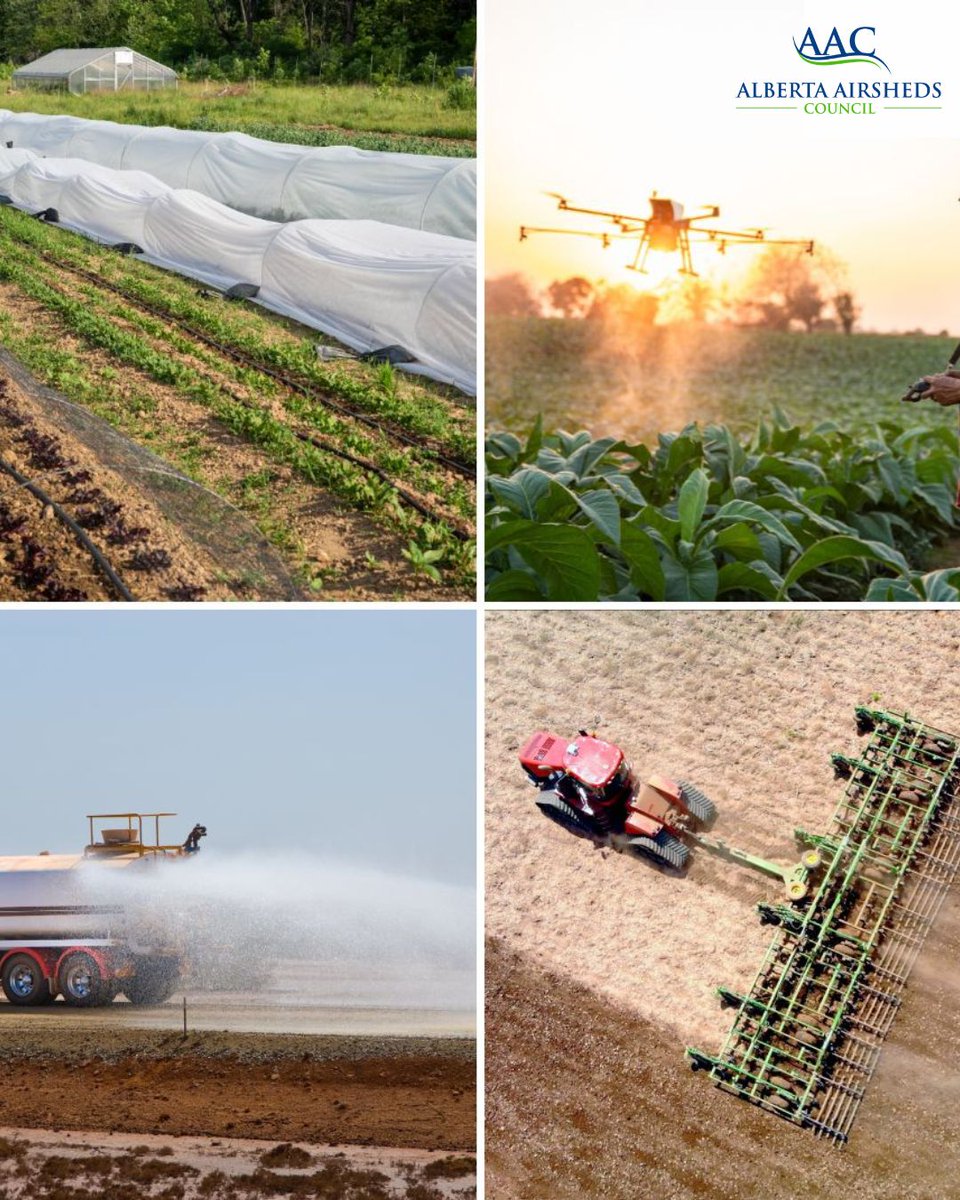
Managing agricultural dust is key to healthier air, better soil, and sustainable farming. Let’s do our part to help reduce dust and protect our land and lungs!
#DustControl#AirQuality#AAC
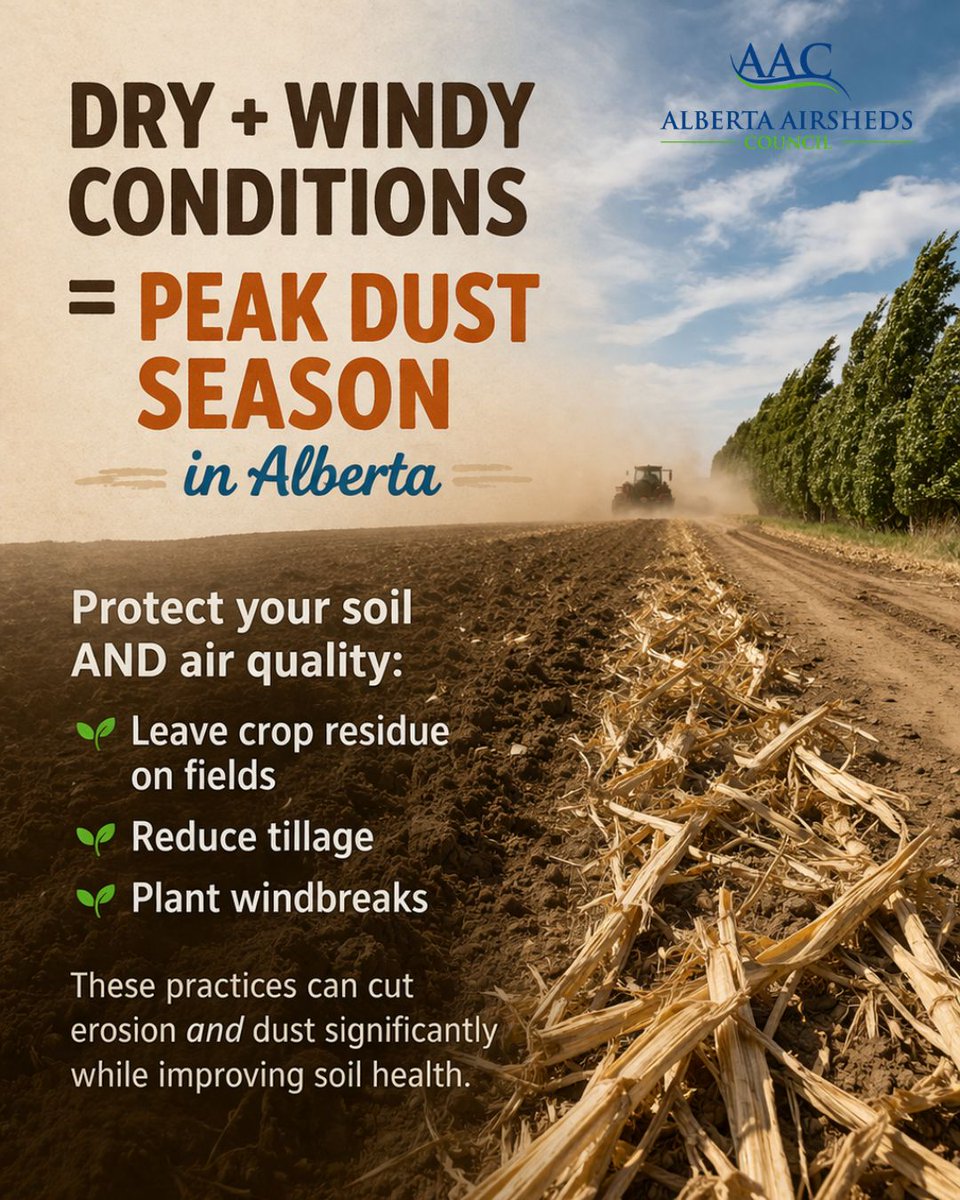
Dry + windy conditions = peak dust season in Alberta. Protect your soil AND air quality: Leave crop residue on fields, reduce tillage, & plant windbreaks. These practices can cut erosion and dust significantly while improving soil health.
#SoilHealth#DustManagement#AAC
Monitoring air quality helps identify higher-risk days, protect vulnerable people, guide community decisions, and reduce long-term health impacts. Check your local AQHI and make informed choices to protect yourself and your family.
#AirQualityMonitoring#AQHI#AAC
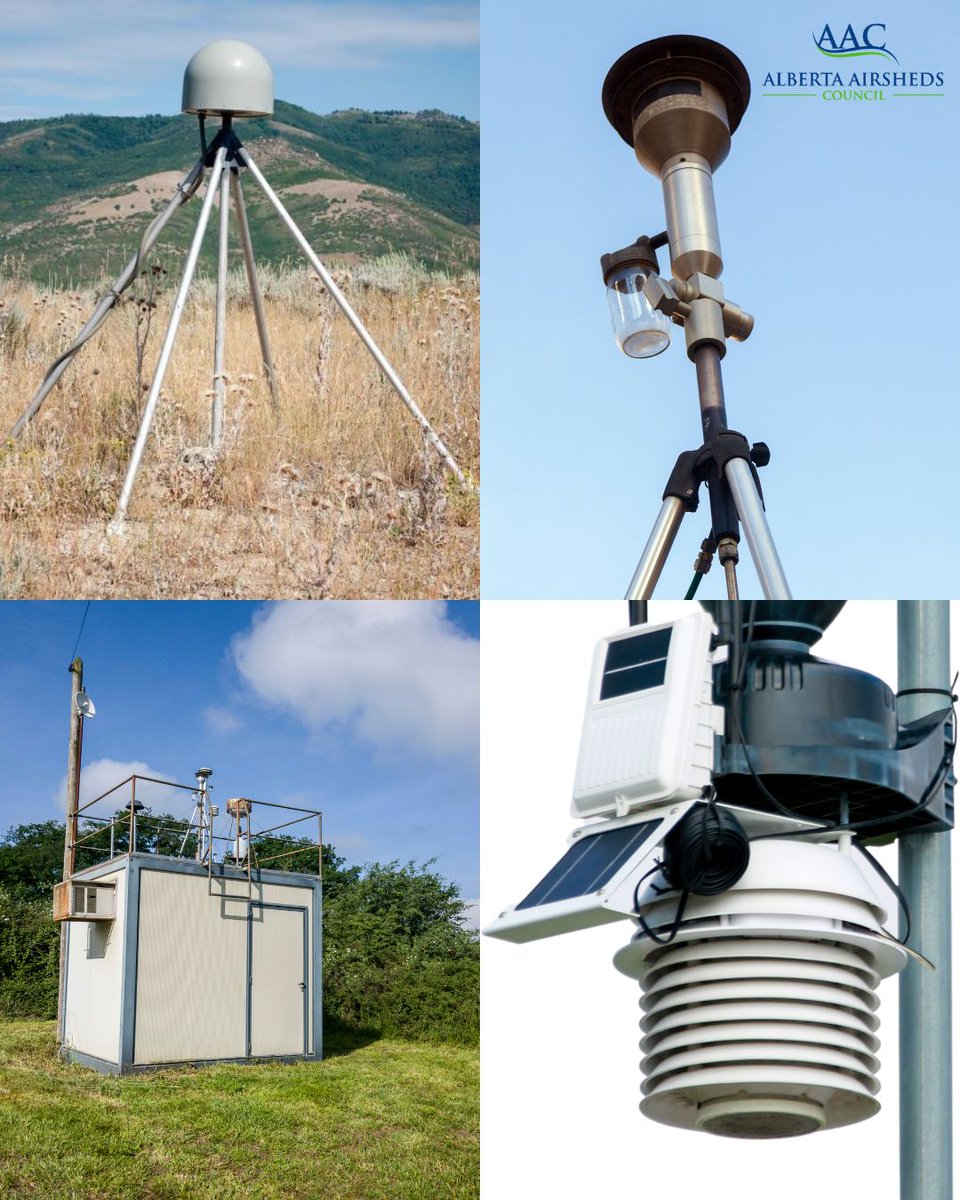
Time-Integrated - Integrated sampling methods, including canisters, specialized instruments, and analyzers are used for measurement of specific air quality parameters over selected periods of time of minutes to hours to days.
#AirQualityMonitoring#Airsheds#AAC
Alberta’s Airsheds track air quality using sensors and monitoring stations that measure pollutants like PM2.5, CO2, and ozone. The data collected helps detect pollution sources, guide policies, and protect public health.
#Airsheds#AirQuality#AAC
Air quality is a measure of how clean, or polluted, the air is. Monitoring air quality is important because polluted air can be bad for our health and the environment.
#AAC#AirQuality#Airsheds
People can reduce their impact on air quality by not idling vehicles when parked, avoiding excessive fireplace or wood stove use, and using energy-efficient products. Play your part and reduce wintertime smog.
#AirQuality#DoYourPart#AAC