Original clinical research and reviews on all aspects of acute & chronic diseases affecting kidney function in children. Official journal of IPNA @IPNA_PedNeph
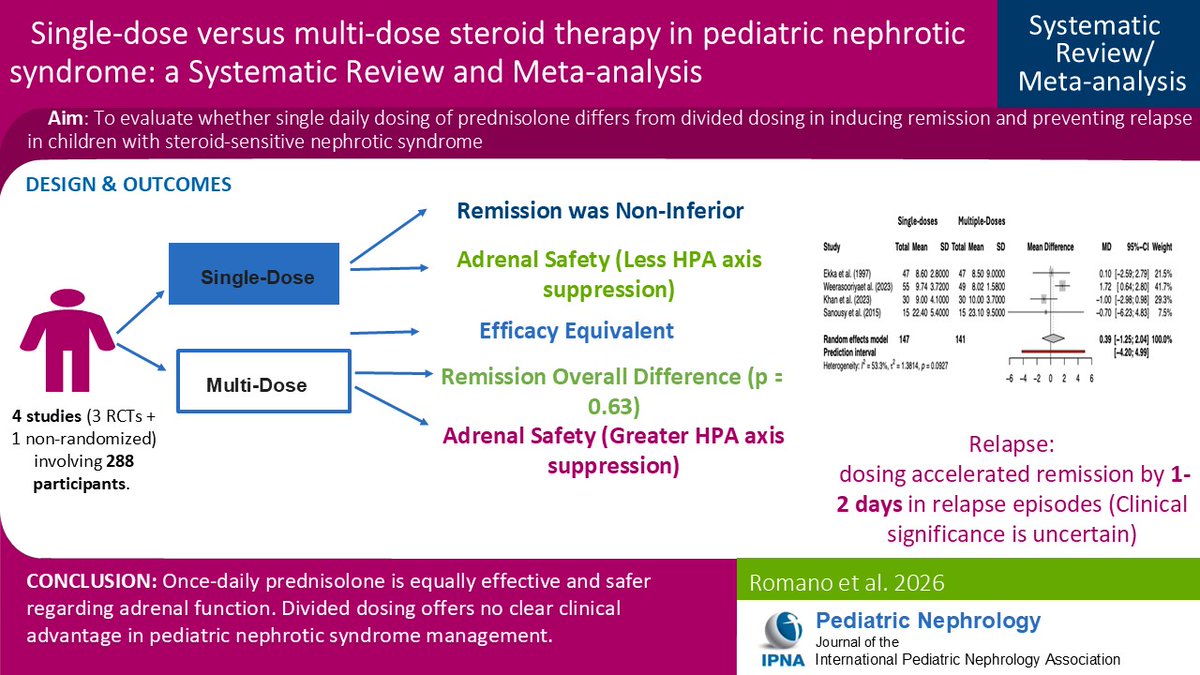
Corticosteroids are the cornerstone of therapy for steroid-sensitive nephrotic syndrome, yet the best dosing strategy remains uncertain. Read this Systematic Review /Meta-analysis of single-dose vs. multi-dose steroid therapy in pediatric NS. #OpenAccess
https://t.co/cjDPFAnuoH
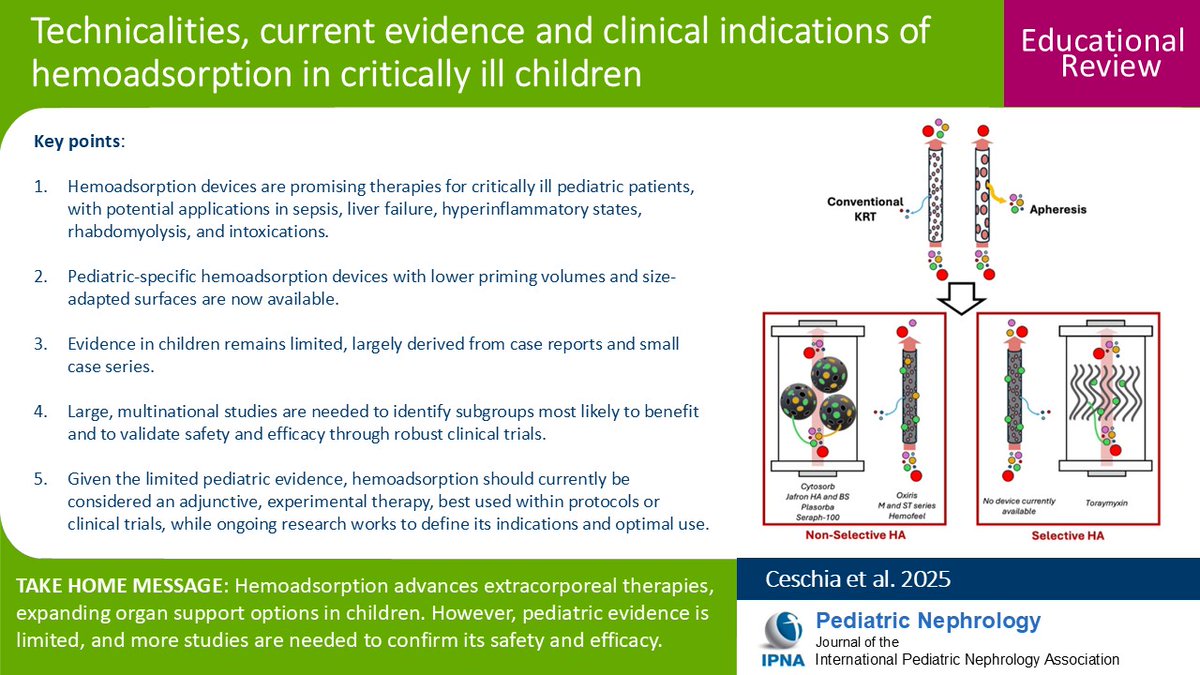
Hemoadsorption devices are a major advancement in extracorporeal organ support therapies. Read this Educational Review of technicalities, current evidence, & clinical indications of hemoadsorption in critically ill children. Free access this month.
https://t.co/oyXtGMHfzh
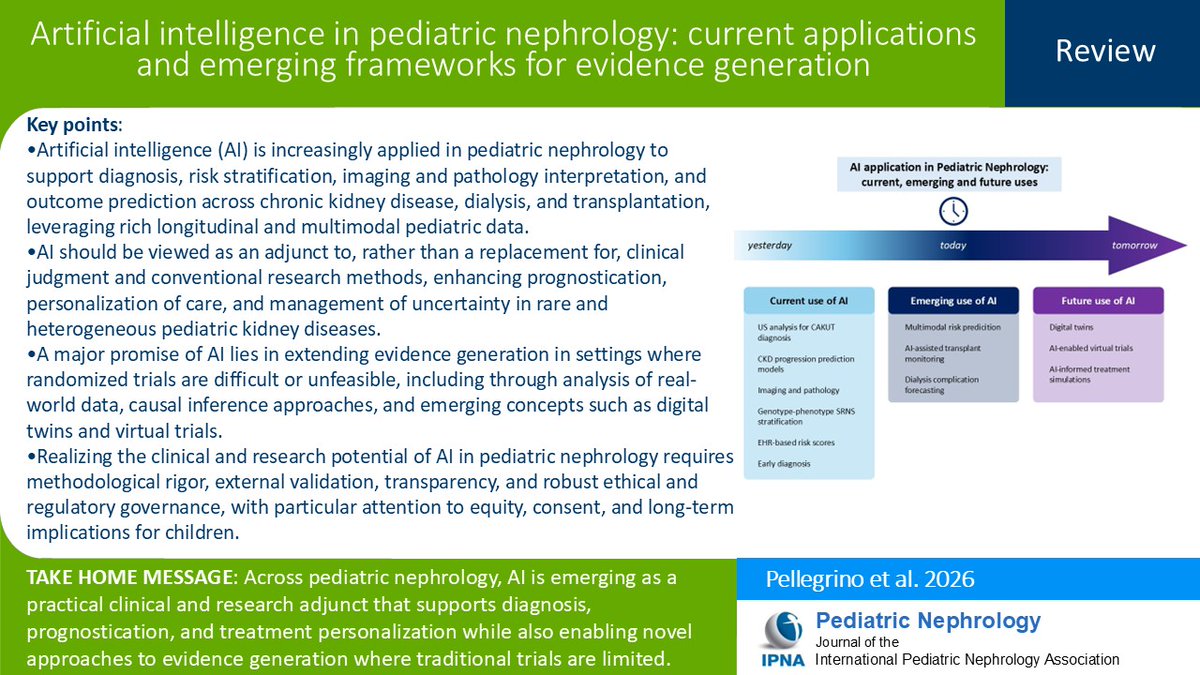
AI is rapidly transforming many areas of medicine, & pediatric nephrology may be a field of particular relevance. Read this Review of AI in pediatric nephrology: current applications & emerging frameworks. #OpenAccess
https://t.co/OqcPYssXeX
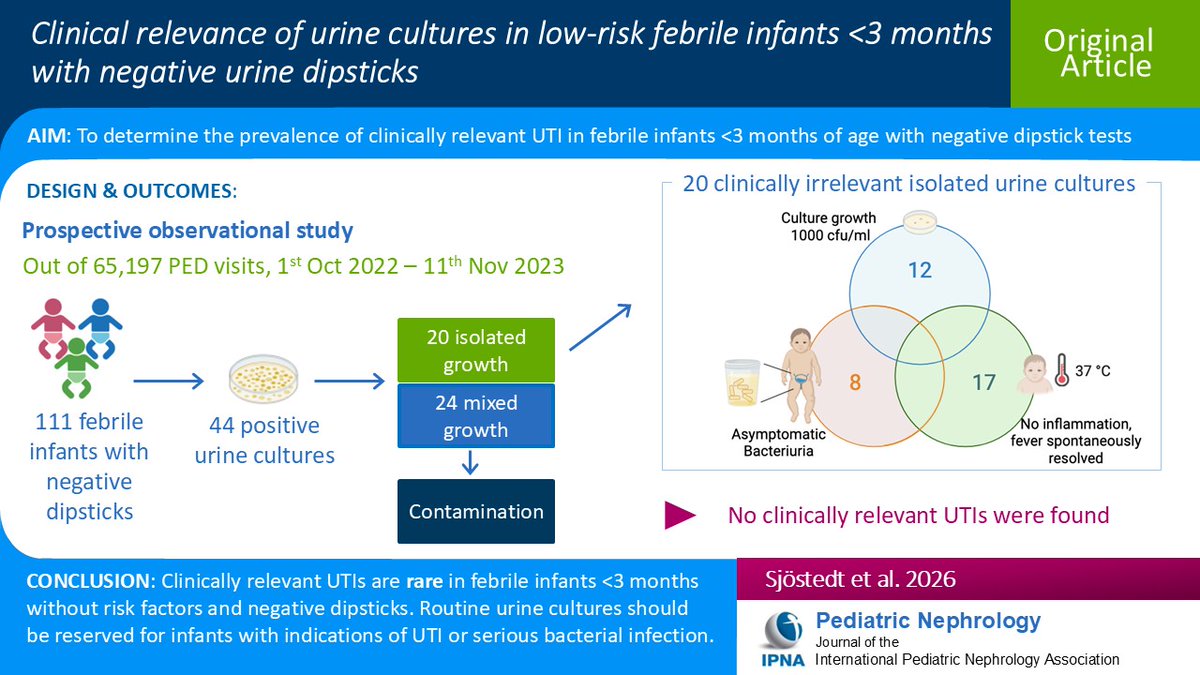
Clinical significance of positive urine cultures in febrile infants w/negative dipsticks remains debated. Read this Original Article on urine cultures in low-risk febrile infants < 3 months old w/negative urine dipsticks. #OpenAccess
https://t.co/TnK3blIig8
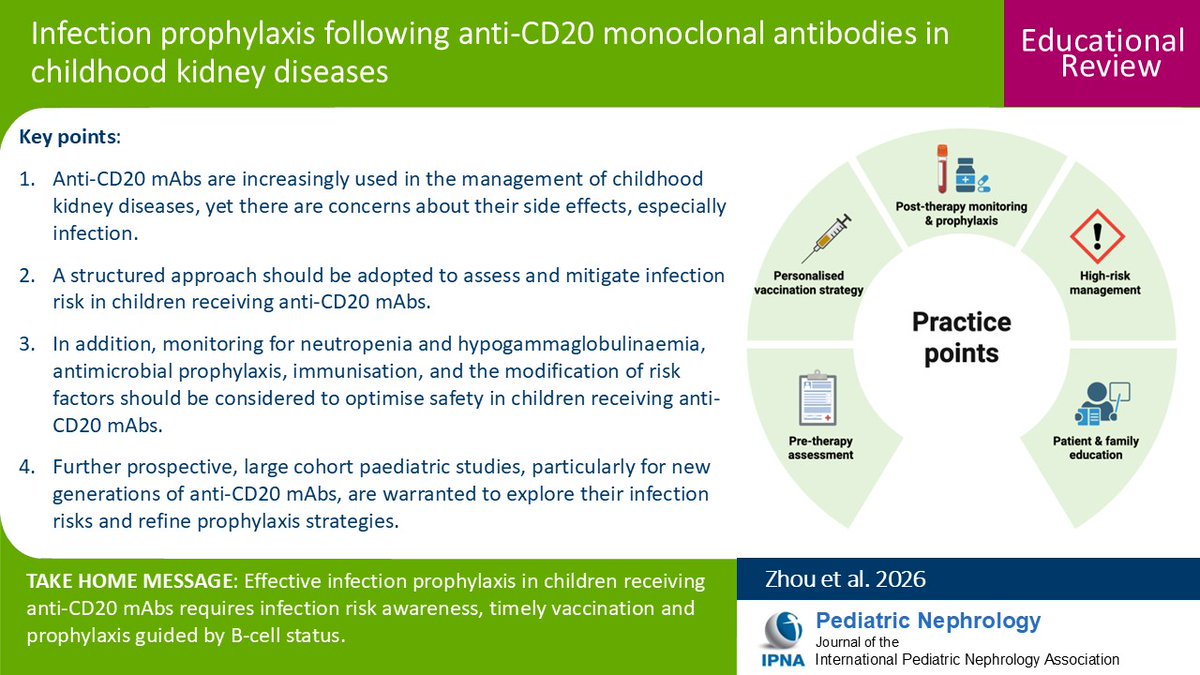
Anti-CD20 monoclonal antibodies (mAbs), which act as B-cell–depleting therapies, are important treatments for a range of pediatric kidney diseases. Read this Educ Review of infection prophylaxis following mAbs in childhood kidney diseases. #OpenAccess
https://t.co/mmebxr6WJU
Therapeutic complement inhibitors, which target complement pathway components, could revolutionize treatment for a broad range of kidney diseases. Read this Review of targeted treatments for glomerular diseases. #OpenAccess
https://t.co/vyDRbaoN1o
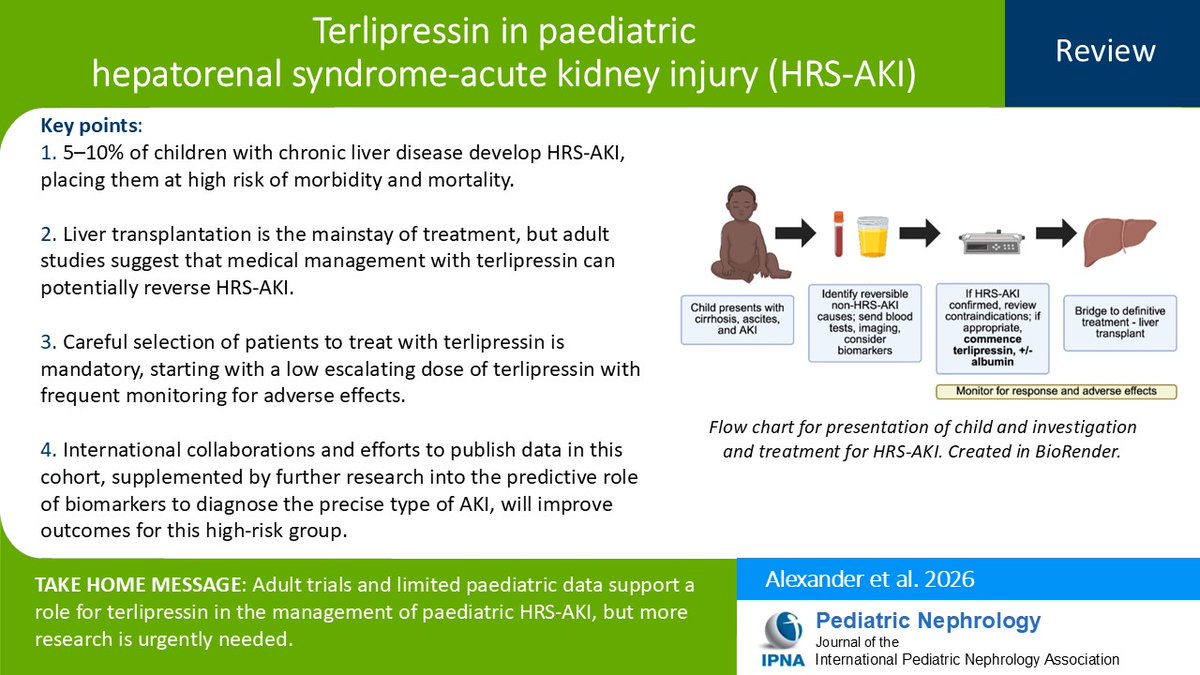
Children w/chronic liver disease are at increased risk of AKI, which could be non-hepatorenal syndrome AKI (non-HRS-AKI) or hepatorenal syndrome AKI (HRS-AKI). Read this Review of terlipressin in pediatric HRS-AKI. #OpenAccess
https://t.co/aDLvqCnuIe
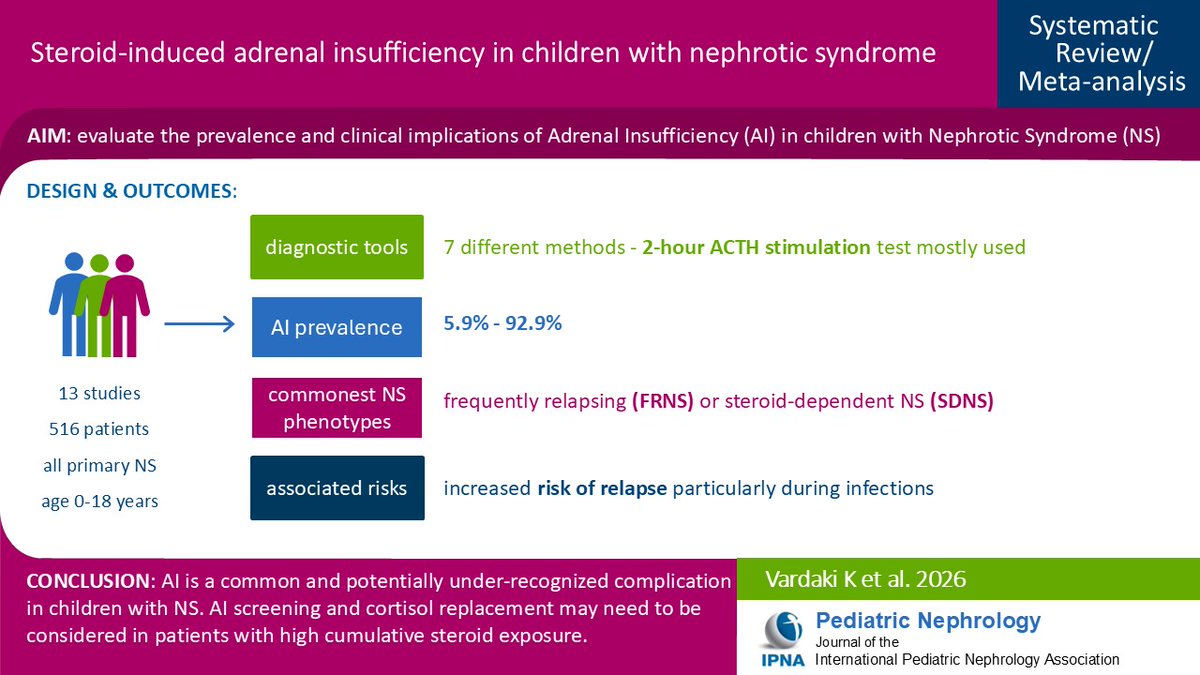
Idiopathic nephrotic syndrome (NS) is the most common glomerular disease in children. Read this Systematic Review /Meta-analysis of steroid-induced adrenal insufficiency in children w/NS. #OpenAccess
https://t.co/XAyG1IVHYm
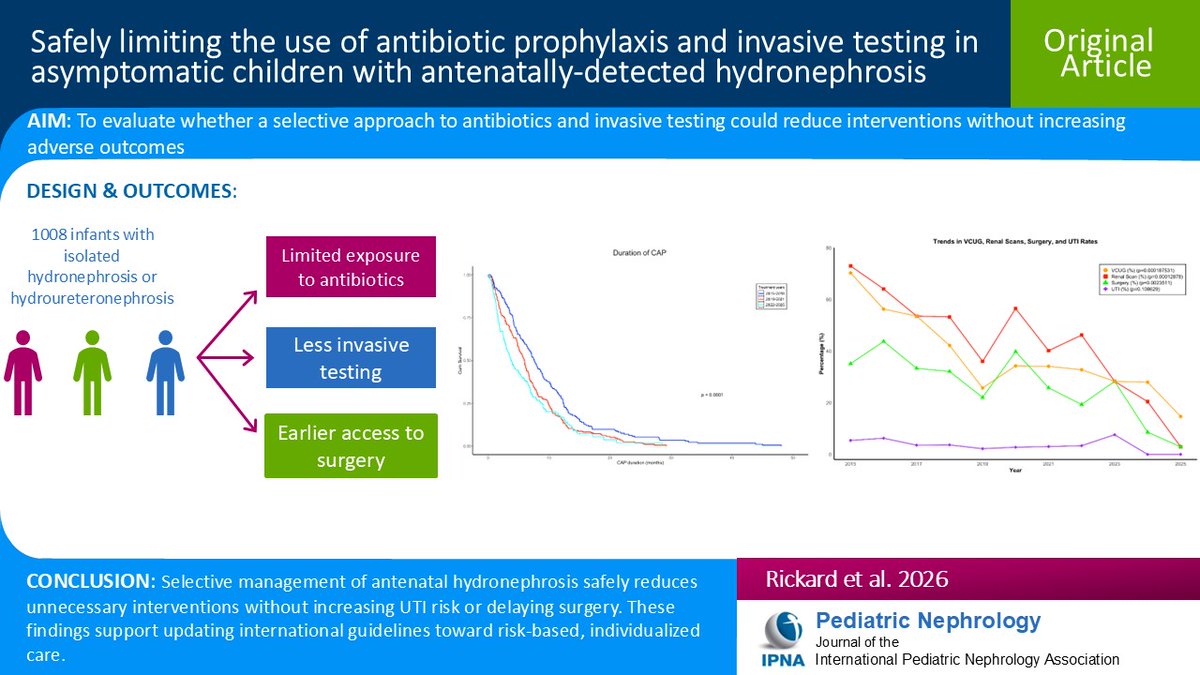
Antenatal hydronephrosis (HN) is the most common congenital urinary tract abnormality, but mgmt is controversial. Read this Original Article on safely limiting antibiotic prophylaxis & invasive testing in asymptomatic children w/antenatally detected HN.
https://t.co/Ls9YNtxbOe
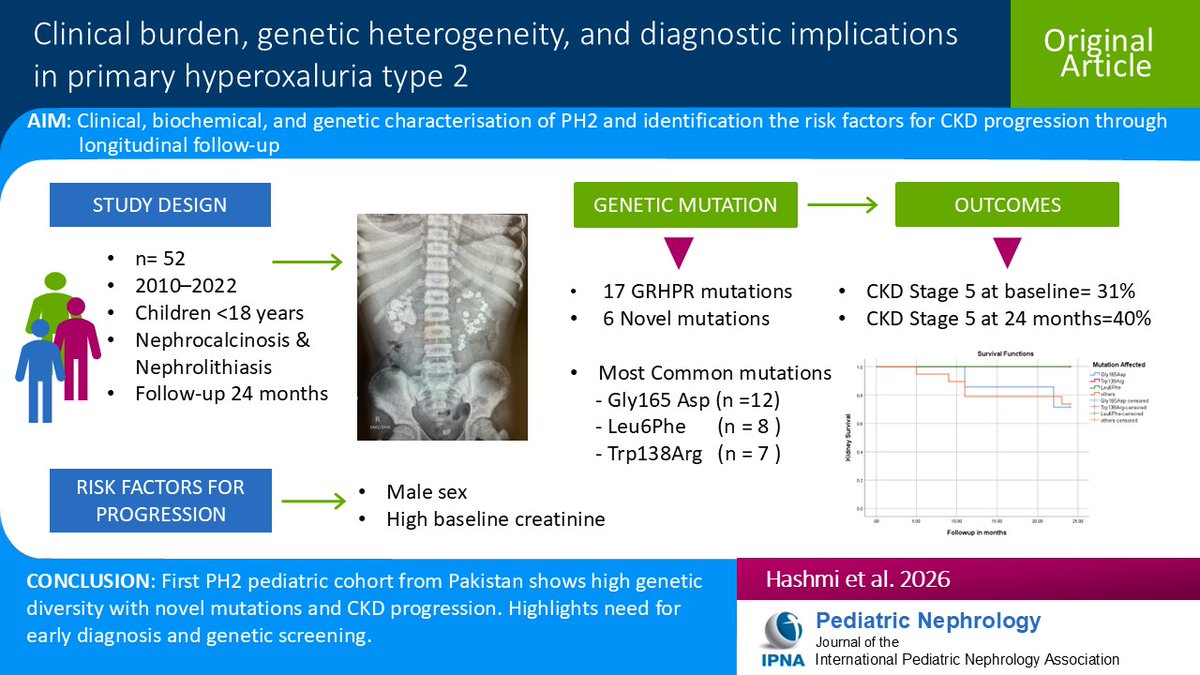
Primary hyperoxaluria type 2 is a rare genetic disorder of oxalate due to a defect in the glyoxalate reductase/ hydroxypyruvate reductase enzyme. Read this Original Article on characteristics & outcomes in a pediatric population in Pakistan.
https://t.co/gV2NhghIU6
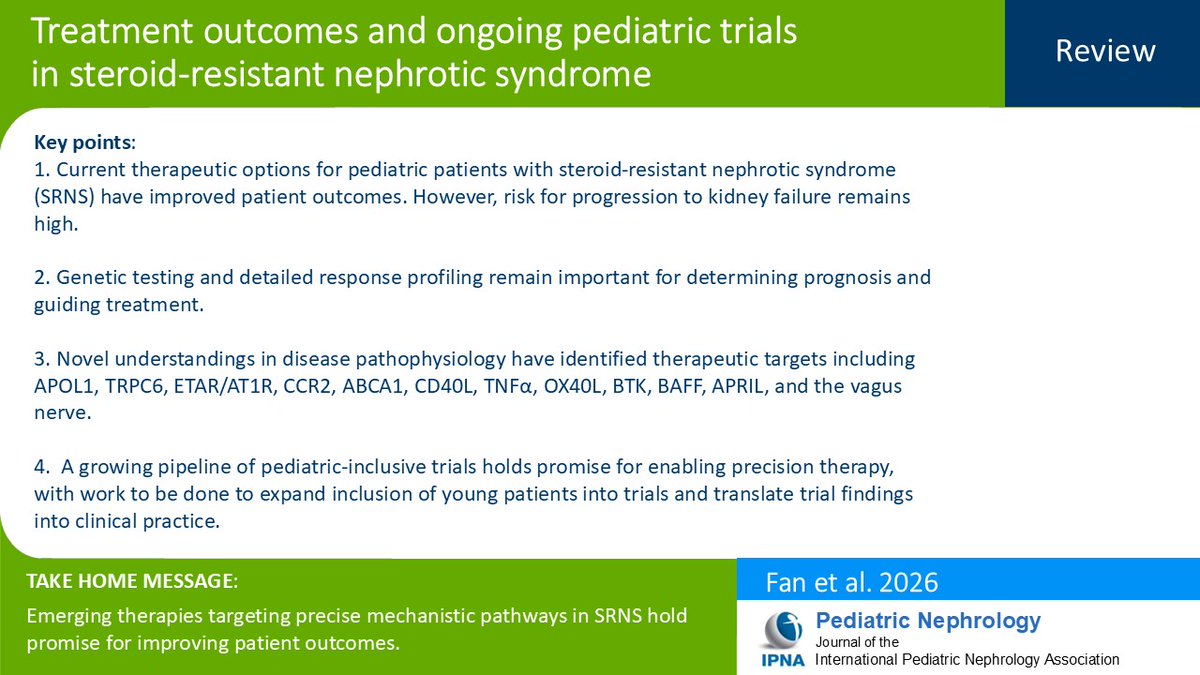
Despite an increasing number of therapeutic options for pediatric patients w/steroid-resistant nephrotic syndrome (SRNS), treatment resistance & risk of progression to kidney failure are still high. Read this Review of outcomes & ongoing trials in SRNS.
https://t.co/ex95xYDbQE
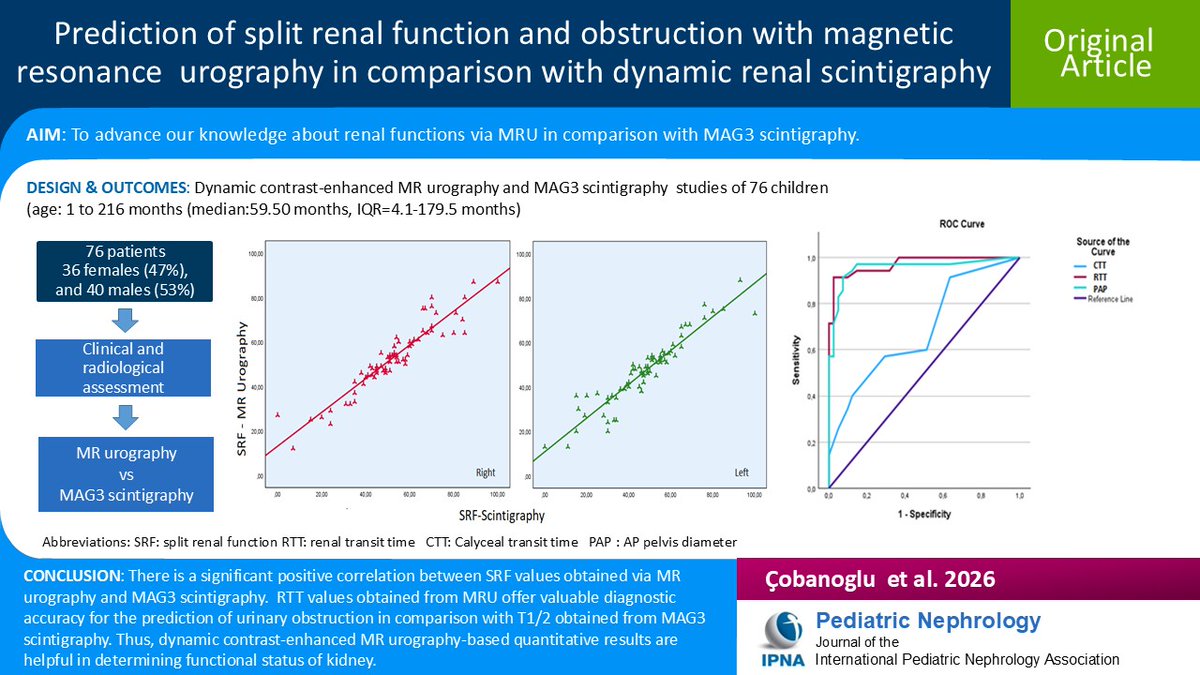
Magnetic resonance urography (MRU) examinations allow assessment of kidney functions through recently developed image post-processing techniques. Read this Original Article on prediction of split renal function & obstruction w/MRU. #OpenAccess
https://t.co/CcywcRVxCK
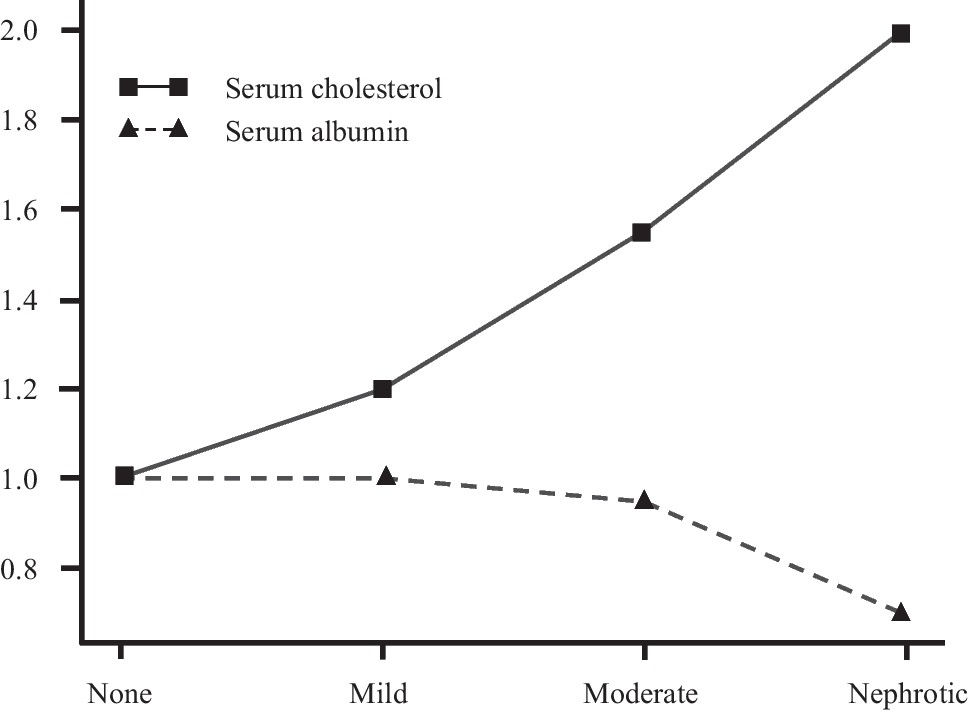
Hypercholesterolemia is considered a consequence of nephrotic syndrome secondary to hypoalbuminemia-induced hepatic overproduction of lipoproteins. Read this Research Letter on serum total cholesterol as an early indicator of proteinuria in children.
https://t.co/CSBmptqnhM
Acute rheumatic fever (ARF) & acute poststreptococcal glomerulonephritis (APSGN) are serious non-suppurative complications of group A β-hemolytic streptococcal infections. Read this Systematic Rev /Meta-analysis of coexistence of APSGN & ARF. #OpenAccess
https://t.co/RhQKmglcI3
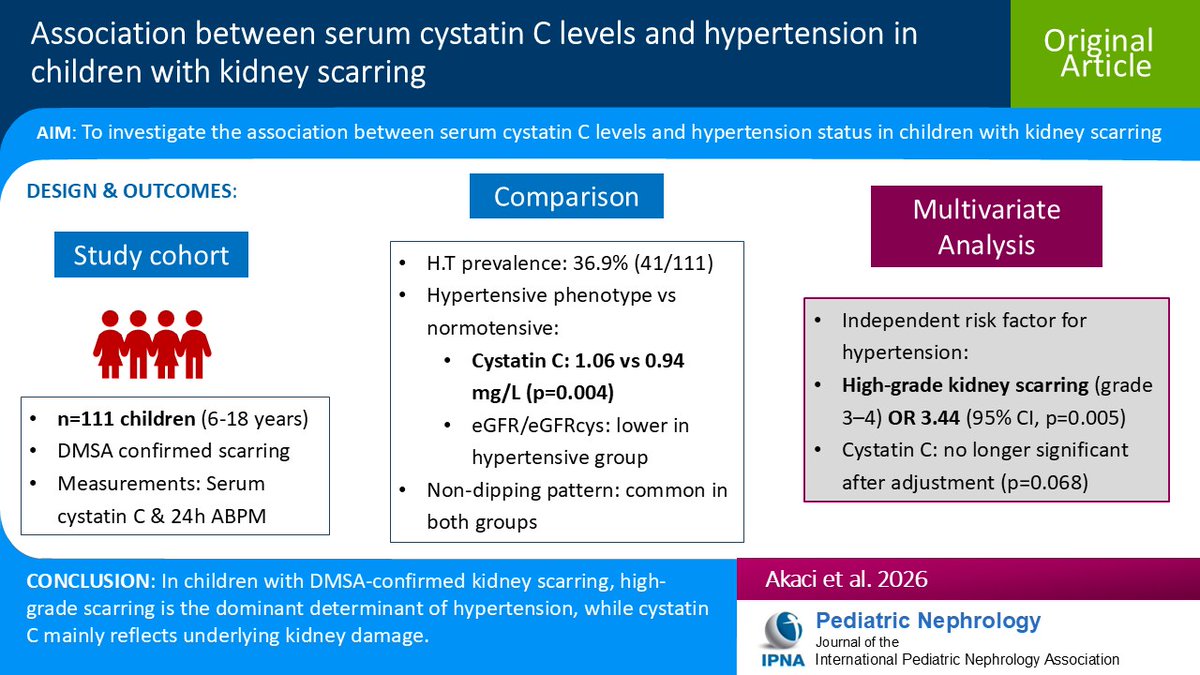
Kidney scarring (KS) secondary to urinary tract infections is a common cause of secondary hypertension in children. Read this Original Article on the association between serum cystatin C levels & hypertension in children w/KS.
https://t.co/fGcJtLydNu
The effect of continuous kidney replacement therapy w/regional citrate anticoagulation on bone mineral disease of AKI disease has not been well studied. Read this Original Article on prevalence of bone mineral disease in children w/AKI disease on CKRT.
https://t.co/Zig6FIjXt5
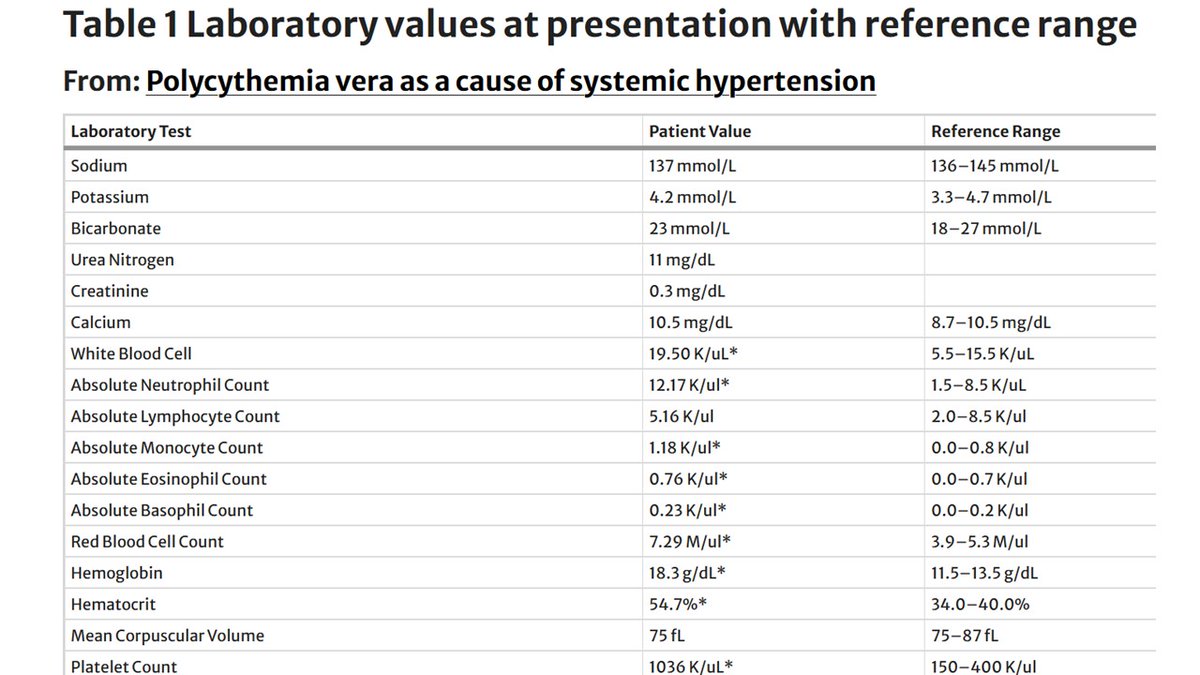
An underlying medical condition as a cause for elevated blood pressure is suspected when hypertension occurs in younger children or those w/markedly high readings. Read these Clinical Insights into polycythemia vera as a cause of systemic hypertension.
https://t.co/sYvfVn5BE8
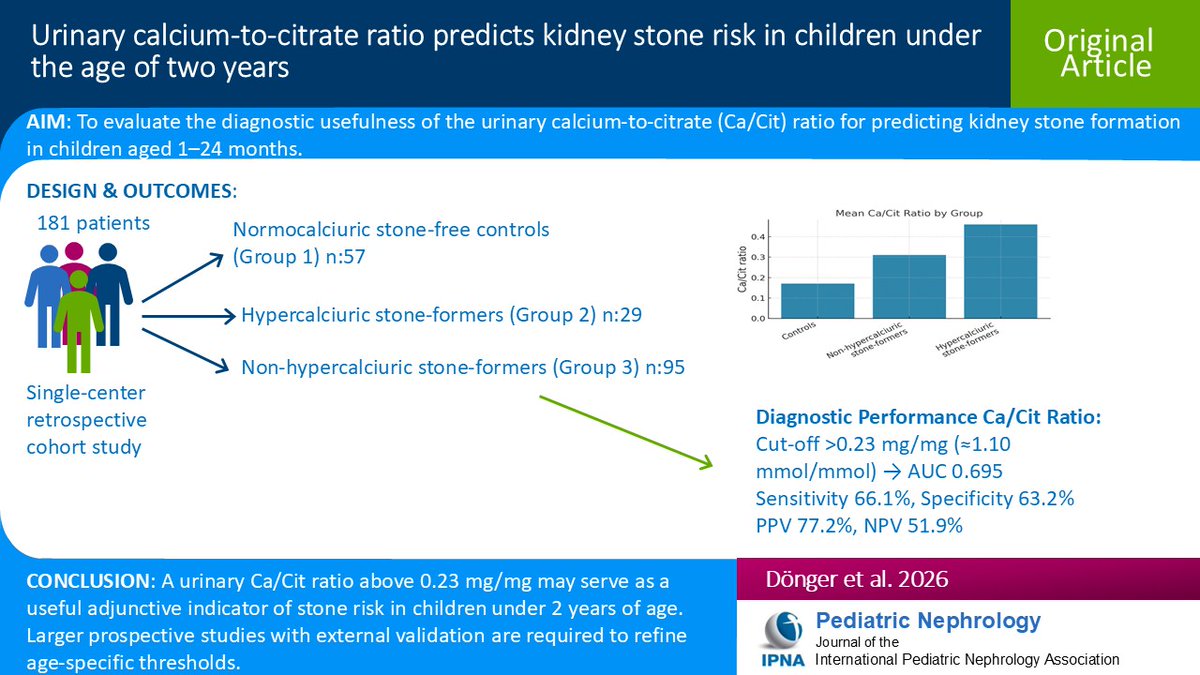
The urinary calcium-to-citrate (Ca/Cit) ratio is an indicator of lithogenic risk in older children, but no reference data exist for infants & toddlers. Read this Original Article on Ca/Cit ratio & kidney stone risk in children under 2 years. #OpenAccess
https://t.co/g2nwEEHaAi
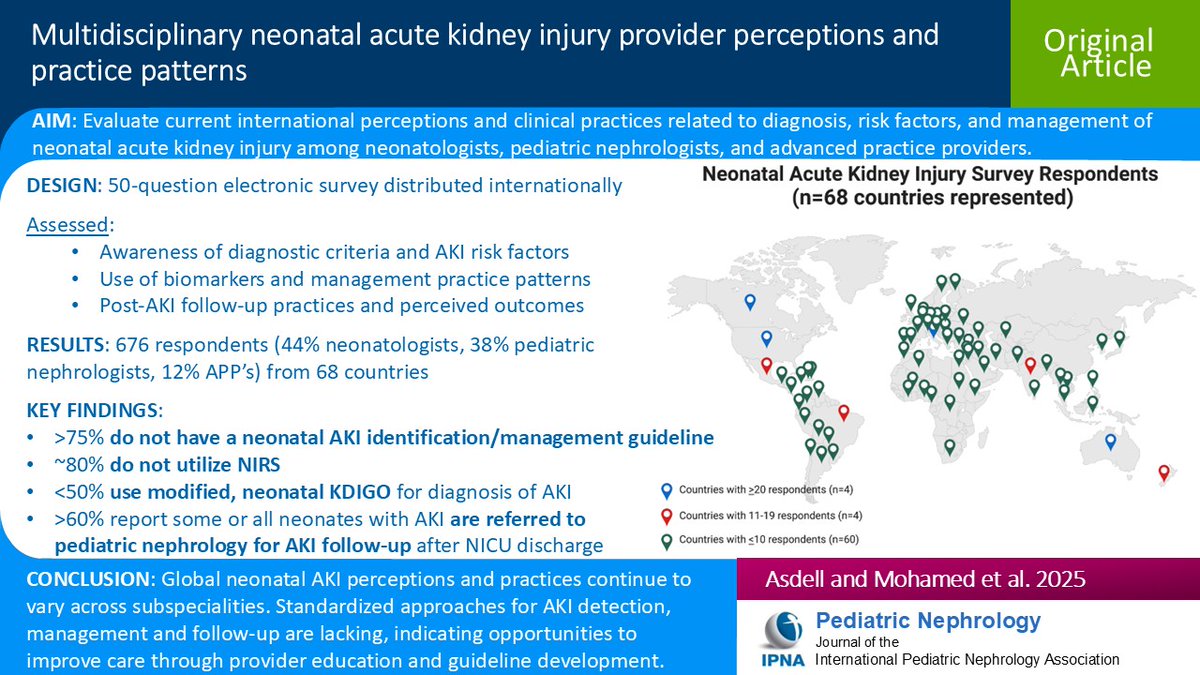
A 2017 survey of neonatologist & pediatric nephrologist perceptions & practice showed that neonatal AKI was underappreciated. Read this Original Article on an updated survey: have perceptions & practices changed w/increased awareness of AKI?
https://t.co/L9QyKqBiHb
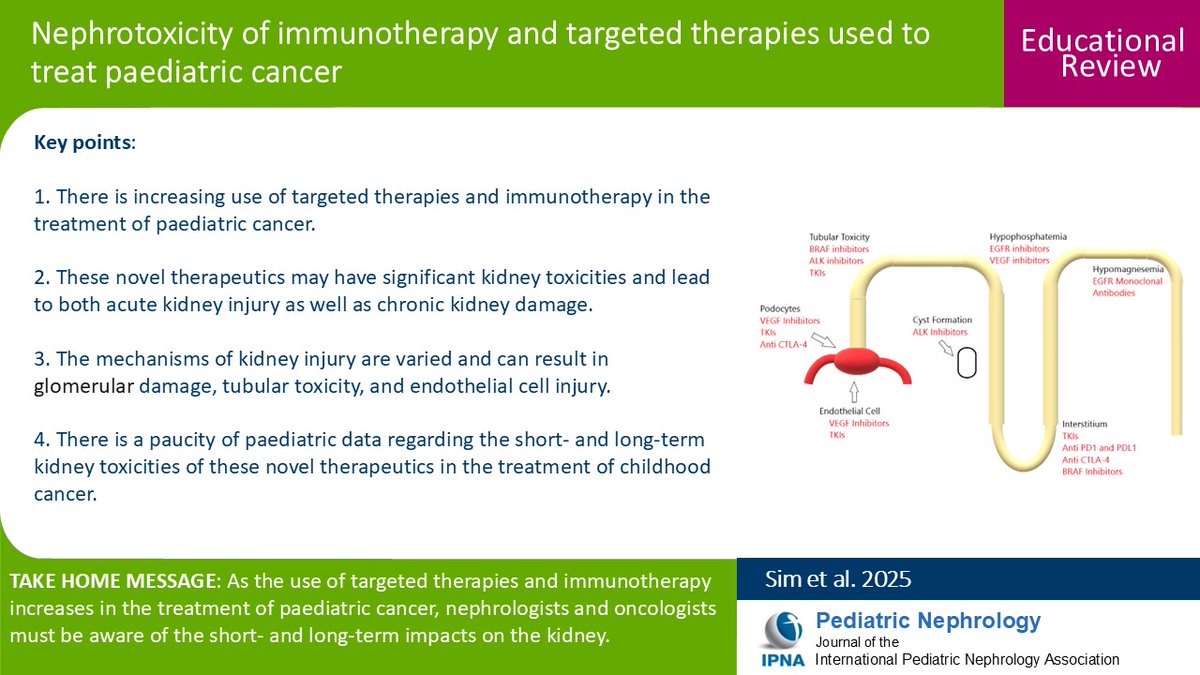
Children w/cancer have had many improvements in cure rates through advancements in surgery, chemotherapy & radiation therapy. Read this Educ Review of nephrotoxicity of immunotherapy & targeted therapies treating pediatric cancer. Free access this month.
https://t.co/ckJzXZpu1b