Reposting on day that it was announced neoadjuvant only chemo-nivolumab delivers a long term survival benefit in surgically resectable lung cancer, 3 doses of therapy (compared to potentially 16+ in other perioperative/adjuvant immunotherapy regimens) #lcsm
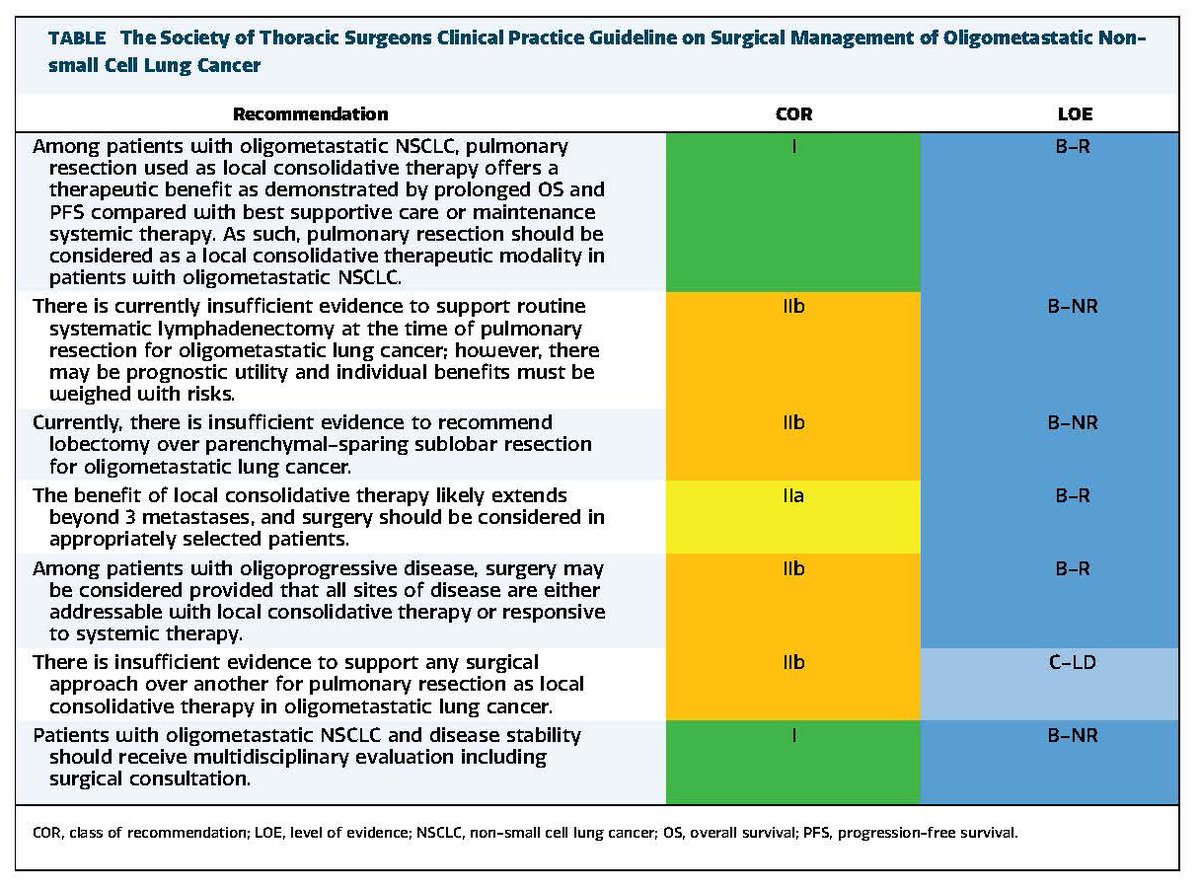
In the latest issue of STS News, discover new practice guidelines on pulmonary resection for oligometastatic NSCLC, developed by thoracic surgical oncologists from the STS Workforce on Evidence-Based Surgery, chaired by Dr. @maraantonoff. https://t.co/IlmIqhVaPg #CTsurgery
New guidelines from @maraantonoff, Rocco and coauthors aim to establish the role of pulmonary resection as a local therapeutic approach based on the best available evidence and clinical practice👇https://t.co/U1Vm0iSJey
What are your thoughts on frailty in lung transplant candidates and/or recipients?
Read this new review article co-authored by me on this domain which includes patients with chronic lung disease
https://t.co/s6sdfCAA2a
#Lungtransplant#frailtylungtransplant
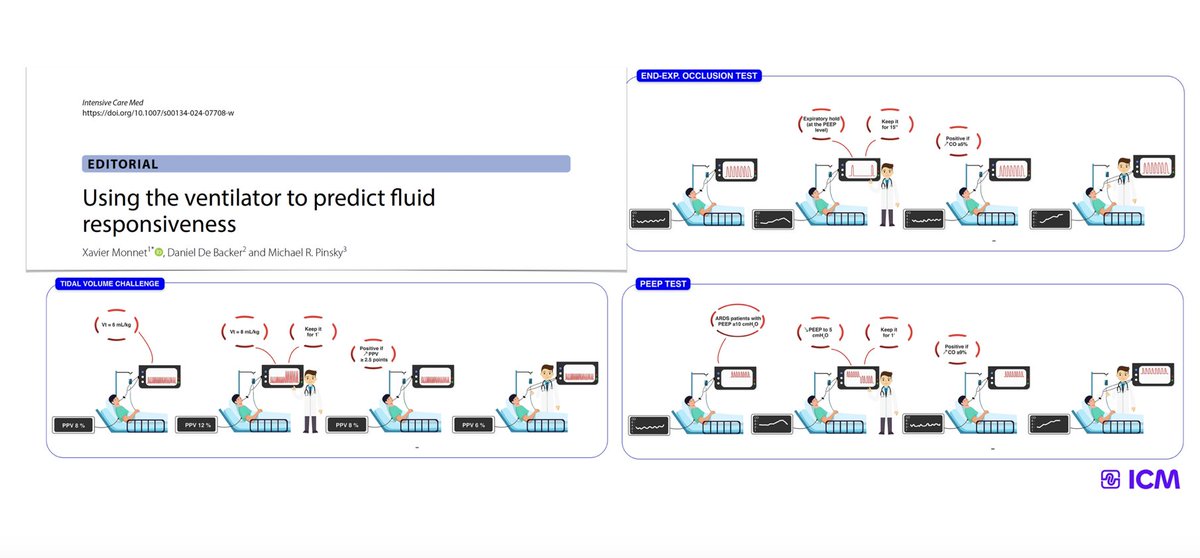
Using the ventilator to predict fluid responsiveness
🫀pulse pressure & stroke volume variation (PPV & SVV)
🖥️ vena cava diameter changes
🫁 Vt challenge
🫁 end-expiratory occlusion test
🫁 recruitment maneuvers
🫁 PEEP test
⁉️ how to select right tool?
🔓 https://t.co/raPaHPCv94
Stream a new documentary from @NHKWORLD_News profiling award-winning UHN thoracic surgeon Dr. Yasufuku Kazuhiro. Follow his journey at Toronto General Hospital, in the operating room, and beyond with @pmcancercentre@UHN_Research.
📺 WATCH: https://t.co/yPM5tlYy9n
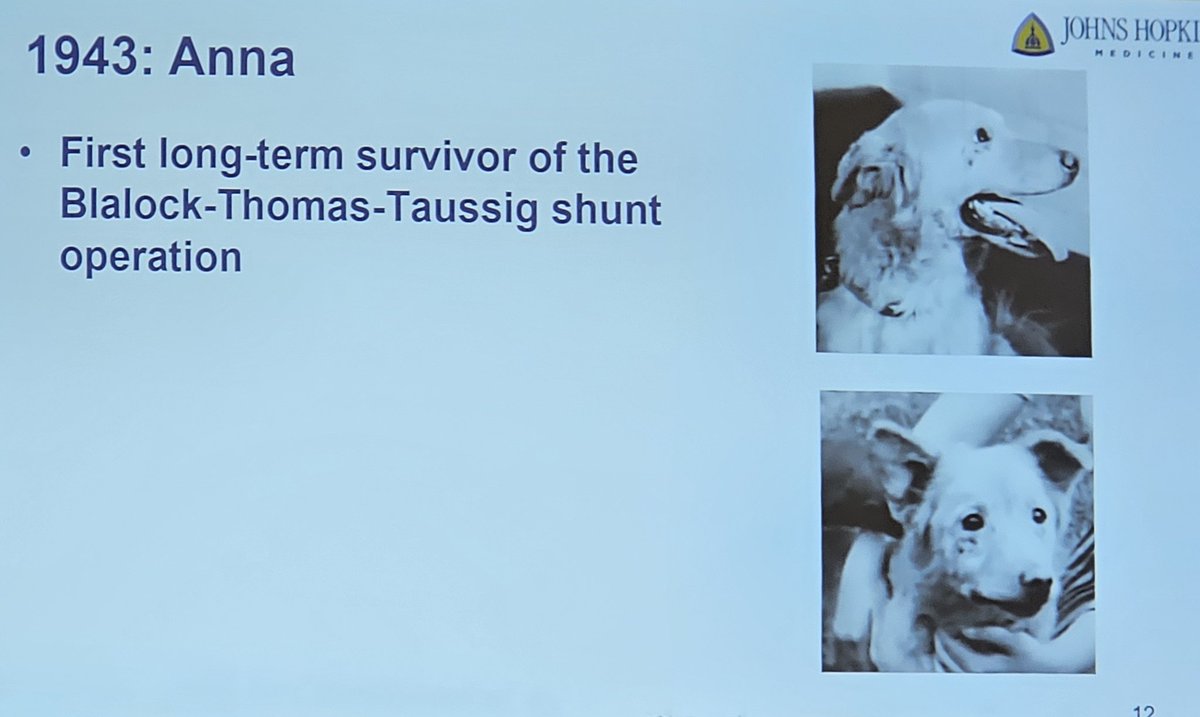
Awesome talk by @HopkinsMedicine 4th-yr med student, @AliceLiZhou, on Anna, the unsung canine hero of the Blalock-Thomas-Taussid shunt at the @OfficialSTSA meeting. Her mentor & STSA president, @SteveYangMD, has to follow with his presidential address.
Is it possible to learn to walk for the first time on ECMO? At @vallhebron#PICU we think it is. Central VA #ECMO as a bridge to #LungTransplant for 7 months. #Rehabilitation is crucial. Now he is transplanted and at home! The family agreed to share these pictures.
#TeamUHN is celebrating 1,000 Ex-Vivo Lung Perfusion (EVLP) transplantation surgeries!
"I saw the 1,000th coming and I see the 10,000th coming," says Dr. @SKeshavjee who co-created EVLP at UHN.
Learn more about the milestone and innovative technology 👉 https://t.co/SdCx6T5nJ6
From the Lab of Patient Inspired Engineering @MayoClinic, a new class of biocompatible ionic liquid that can achieve durable embolization, deliver large drugs such as Nivolumab and achieve tissue ablation. Imagine single session chemical segmentectomy!
https://t.co/2DL1xASDnc
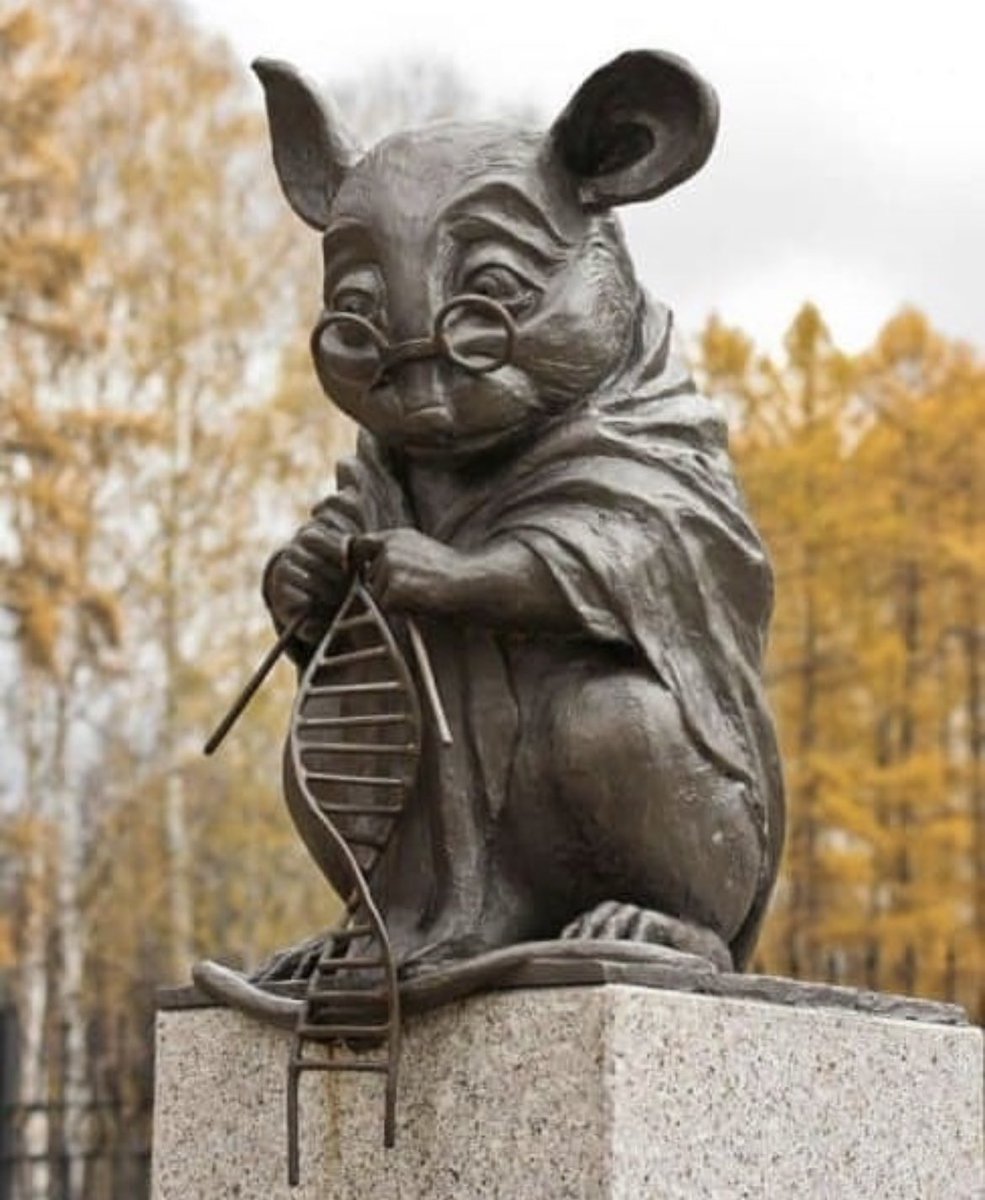
In Siberia, Russia, a bronze statue stands, portraying a laboratory mouse engaged in knitting a double helix of DNA. This sculpture serves as a tribute to all the mice that were sacrificed for genetic research aimed at developing new drugs to combat diseases. The artist behind this creation is Andrew Kharkevich.
A closer examination of the statue reveals that the DNA structure twists to the left, representing Z-DNA, which is one of the possible double helical configurations of DNA. While Z-DNA is less common than the right-twisting B-DNA, its inclusion in the monument symbolizes the ongoing work required in this field.
The first-ever photograph of DNA was captured by Rosalind Franklin, a remarkable woman who used X-ray technology. This groundbreaking image provided the basis for James Watson and Francis Crick to accurately describe the double helix structure. Although Watson and Crick went on to receive the Nobel Prize in 1962 for their work, Rosalind Franklin was not recognized alongside them. Tragically, she had passed away in 1958 due to ovarian cancer, likely caused by her extensive exposure to radiation during her X-ray research on the double helix.
@megan_campany @BrittonDonatoMD@JonathanDCunha1 Excellent work Megan! So
nice to see the final product of all the hard work you put in this project! Congrats!