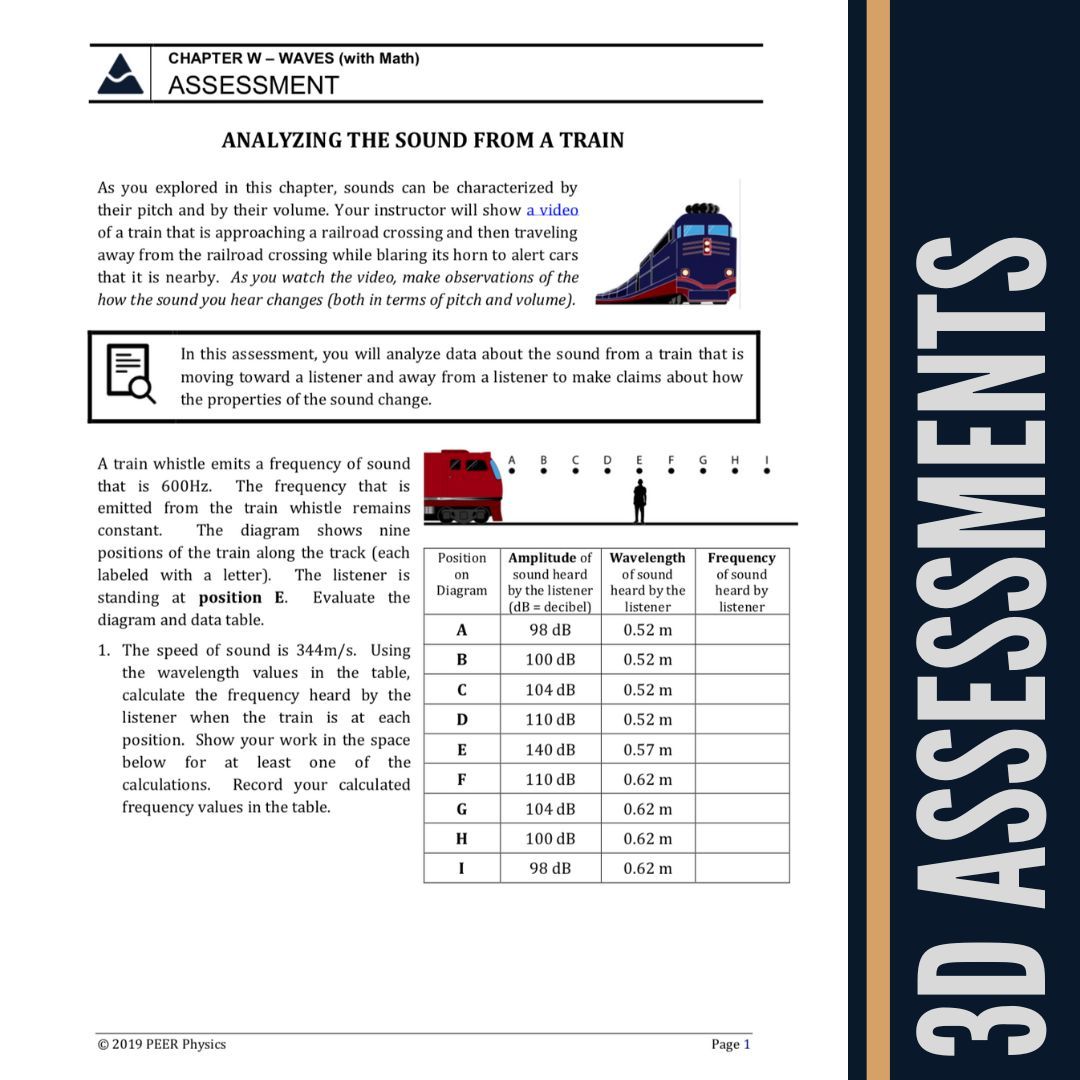
Rubrics are a valuable way to communicate with students. Our 3D assessment rubrics are thoughtfully designed to provide feedback on content (DCIs and CCCs) and student engagement in science practices. ✅
#NGSS#PEERPhysics#SciencePractices
3D Assessments challenge students to apply core science principles in new contexts, incorporate science practices, and highlight their understanding of crosscutting concepts. 🌟
#3DLearning#ScienceEducation#PEERPhysics#NGSS
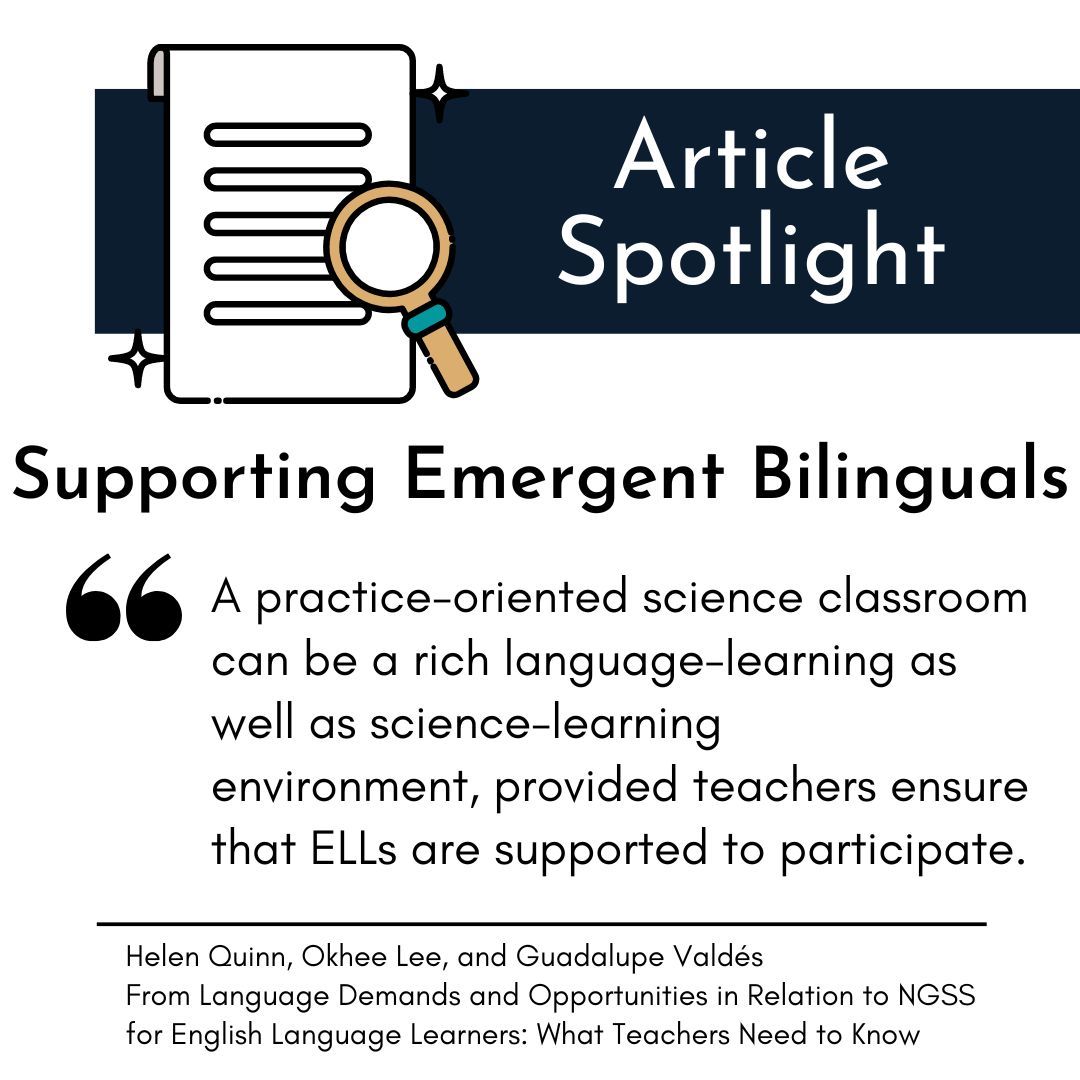
🌍 Promoting inclusivity and equitable education requires a conscientious approach to supporting emergent bilinguals in the classroom. Check out Colorín Colorado's amazing article! 💡🌱https://t.co/TS16JrqQMr
#PEERPhysics#EquitableEducation#EmergentBilinguals#ScienceEducation
Mid-year is perfect for refreshing your consensus protocols. Ready to spark deeper student engagement? Check out our website's Teacher's Guide (login required) for proven consensus-building techniques.
#PEERPhysics#highschoolphysics#ClassroomDiscussion#TeachingStrategy
🔍 Language isn't just words—it's the blueprint of classroom culture!
Our Cohort teachers are diving deep into how intentional language can transform learning environments. Check out this powerful Stanford article exploring language's hidden power: https://t.co/xKm1haDSin
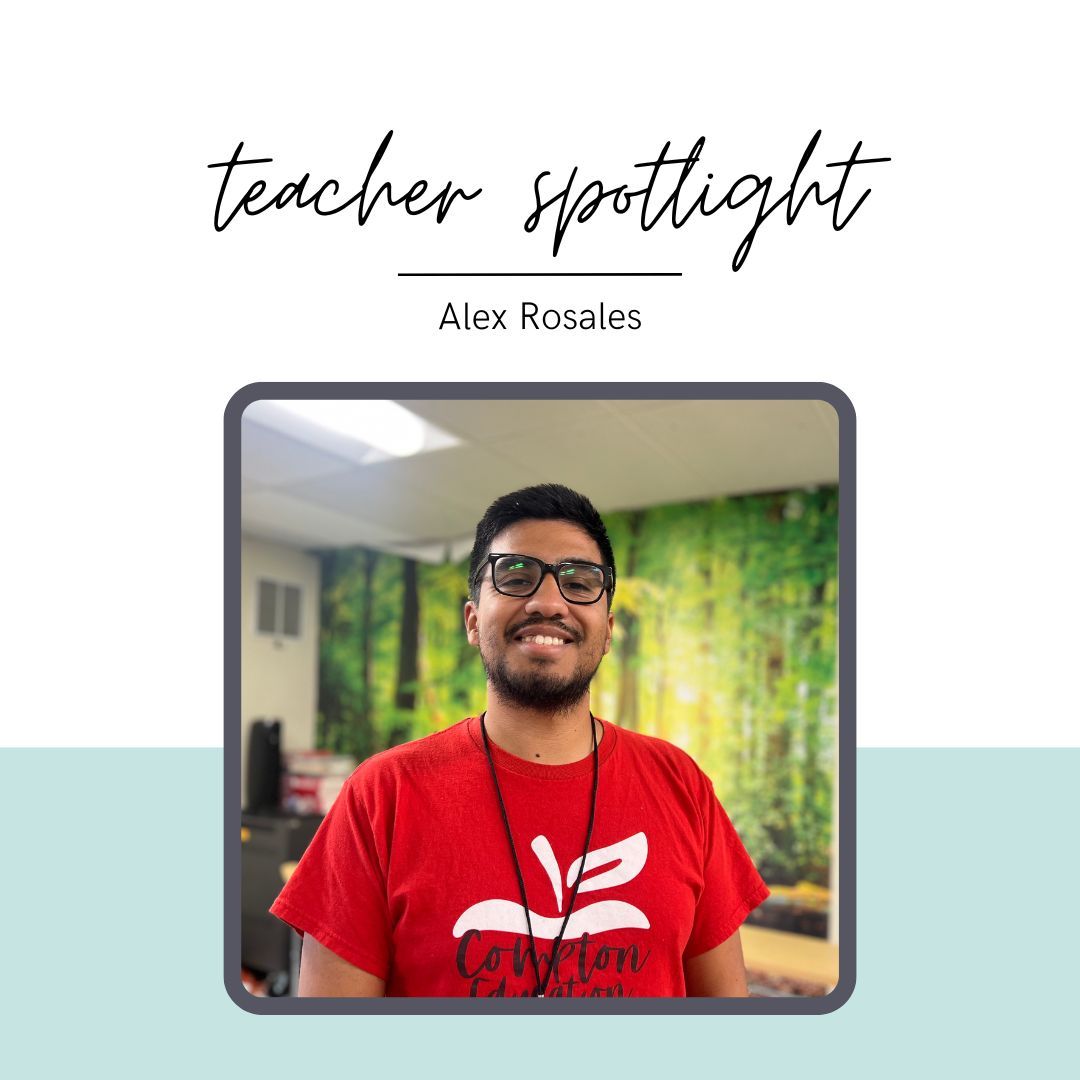
We’re honored to spotlight the great work happening in Alex Roslales's classes in Compton, CA.
💬 From Alex: "Every student who enters my class at the beginning of the year leaves at the end knowing they can succeed in physics, and I owe that to PEER Physics."
@ComptonUnified
When students learn to rely on evidence, they develop the confidence to ask questions, think critically, and challenge assumptions. Science education isn't just about learning facts—it's about empowering students with the tools to navigate the world.
#EvidenceBasedThinking
Scientific understanding doesn’t emerge from a single moment—it’s built step by step. Students begin with concrete observations, move through experimentation and modeling, and develop claims grounded in evidence.
#SciencePractices#PEERPhysics#InquiryLearning
Research shows that high-quality science instruction mirrors how scientists learn—through collaboration, data analysis, and consensus-building. These practices don’t just foster deep understanding; they also create more inclusive classrooms.
#ScientificInduction#EquityInSTEM
Induction is at the heart of scientific discovery. By drawing general conclusions from patterns and evidence, students engage in authentic scientific thinking. This process helps them move beyond memorization to build deep, conceptual understanding.
#ScientificInduction
We are deeply grateful to our partners who make the PEER Physics community thrive. Your dedication to transforming science education creates lasting impacts on students, schools, and communities. Thank you for being an essential part of this journey!
#ThankYou#PartnersInLearning
"The spirit of science isn’t a collection of facts or laws—it’s an intuition of universal connectedness. Our role as educators is to help students make that intuition concrete and valid through exploration and evidence."
Words from Charles Mann (1912)
#SpiritOfScience
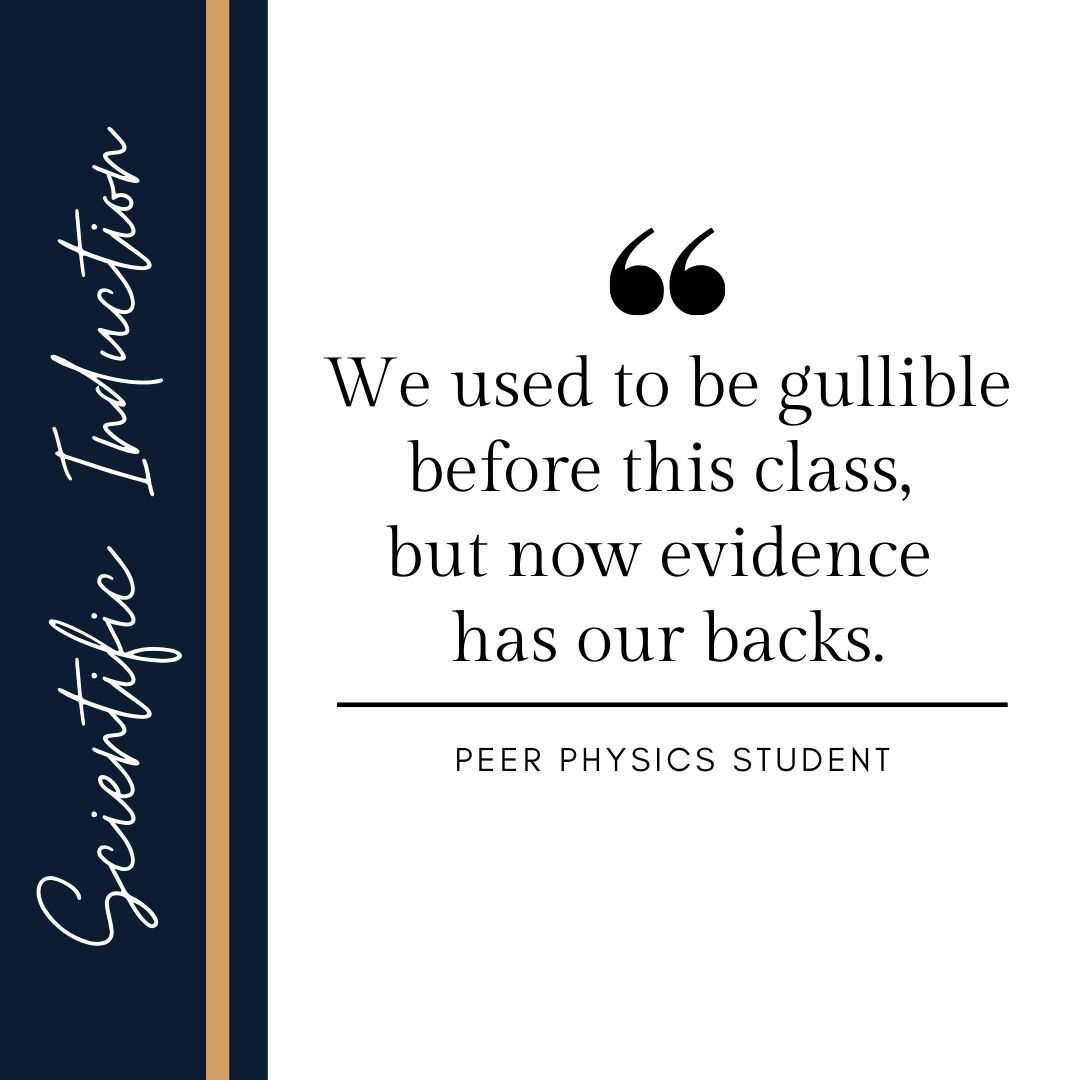
We’re honored to hear from students who experience the impact of PEER Physics firsthand. This reflection reminds us why we do what we do: to foster engaging, student-centered learning environments where curiosity and understanding thrive.
#StudentVoice#ThankYouEducators
Unlock deeper science learning by rethinking traditional lesson structures! In this session, Marci dives into student-centered strategies that spark curiosity and build true scientific understanding.
#NSTAfall24#NOLA
👋 Meet Marci, PEER Physics instructor, and Cohort Teacher, at #NSTAfall24 this week! Catch her at her Saturday workshop.
🗓️ Saturday, 11/9 at 8:45am - Resisting the Urge to Teach and Letting Students Lead the Way: Rebuilding Lesson Plans for Concept Development
#PEERPhysics