The area of Fin Garden is 2.3 hectares with a main yard surrounded by ramparts with four circular towers. Fin Garden also has one of the oldest and most amazing fountains of the world. The fountains are fed from a spring on a hillside behind the garden.
#kashan#fingarden
The construction of the Fin Garden was Completed in 1590, it is the oldest garden in Iran. The history of the garden goes back to the Safavid period. The present form of the garden was built under the reign of Abbas I of Persia (1571-1629).
#journey#persia#kashan#fingarden
Fin Garden, is a historical Persian garden located in Kashan, Iran. It contains Kashan's Fin Bath, where Amir Kabir, the Qajarid chancellor, was murdered by an assassin sent by King Nasereddin Shah in 1852.
#iran#journey#persia#kashan#fingarden#persiajourney#iranissafe
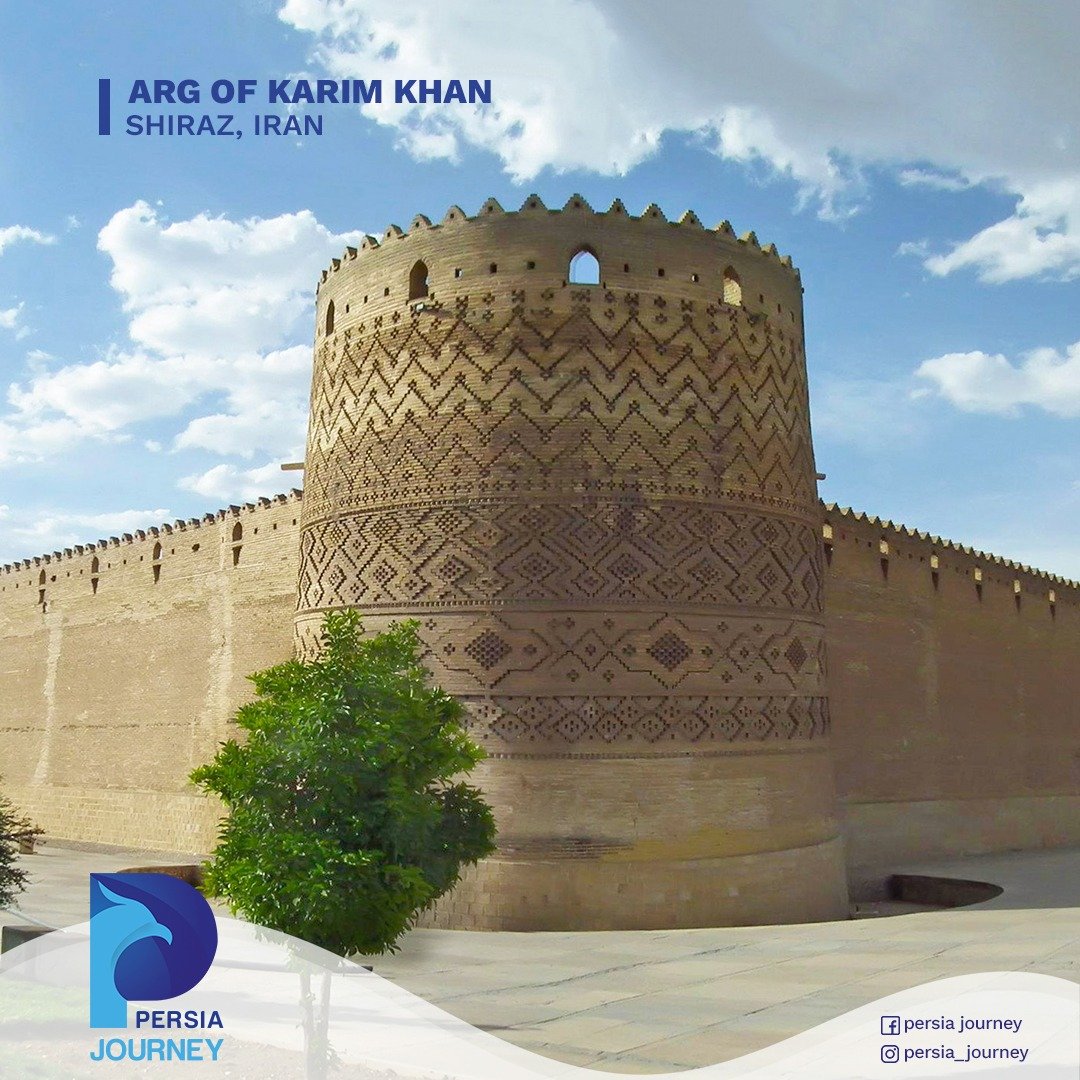
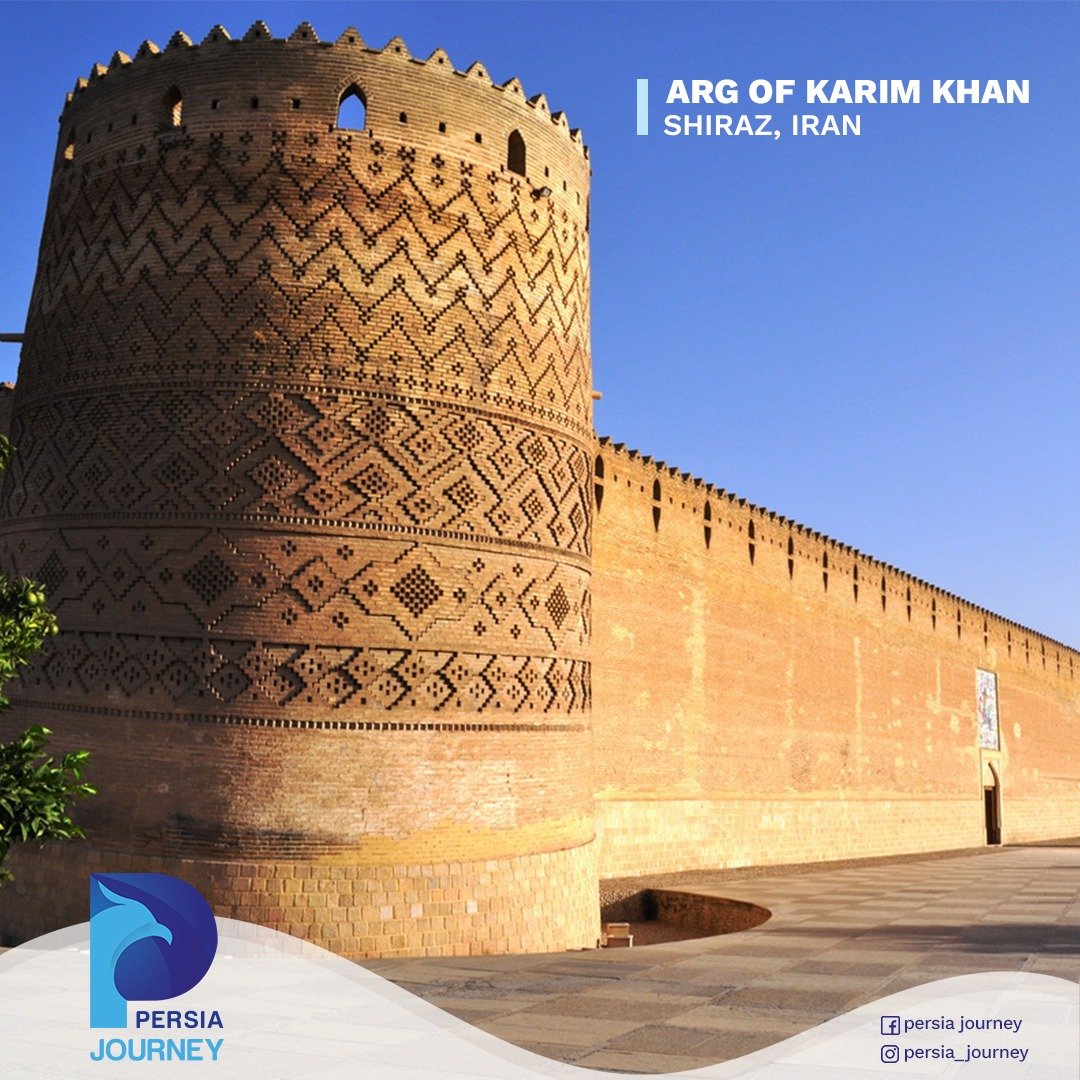
The Arg of Karim Khan was built in 1180 AH (1766-7). Karim Khan invited the best architects and artists of the time and bought the best materials from other cities and abroad for the construction of the castle of Karim Khan.
#iran#journey#persia#shiraz#argekarimkhan
The Arg of Karim Khan' is a citadel located in Shiraz, Iran. It was built as part of a complex during the Zand dynasty. It is named after Karim Khan, and served as his living quarters. It is rectangular in shape and resembles a medieval fortress.
#shiraz#argekarimkhan
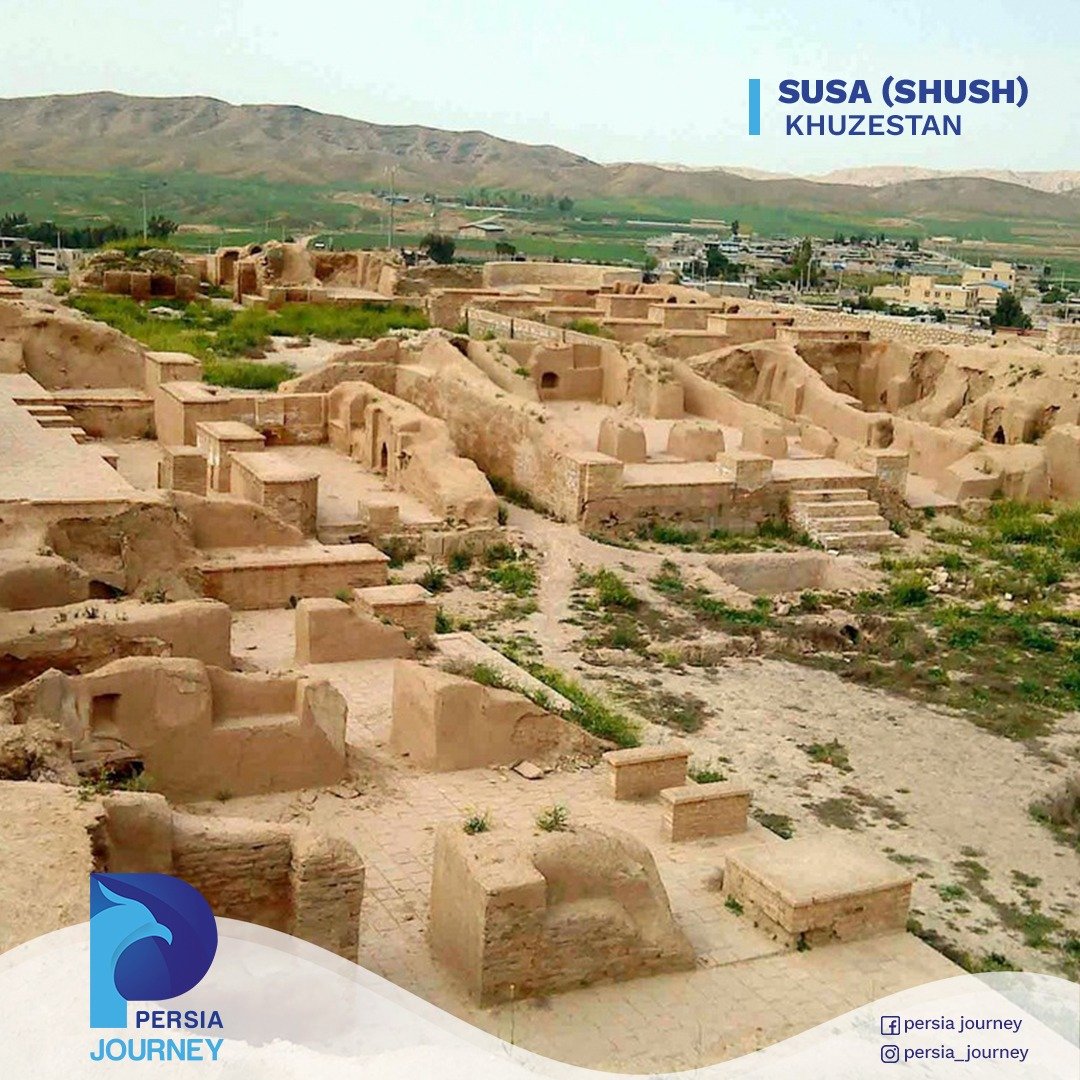
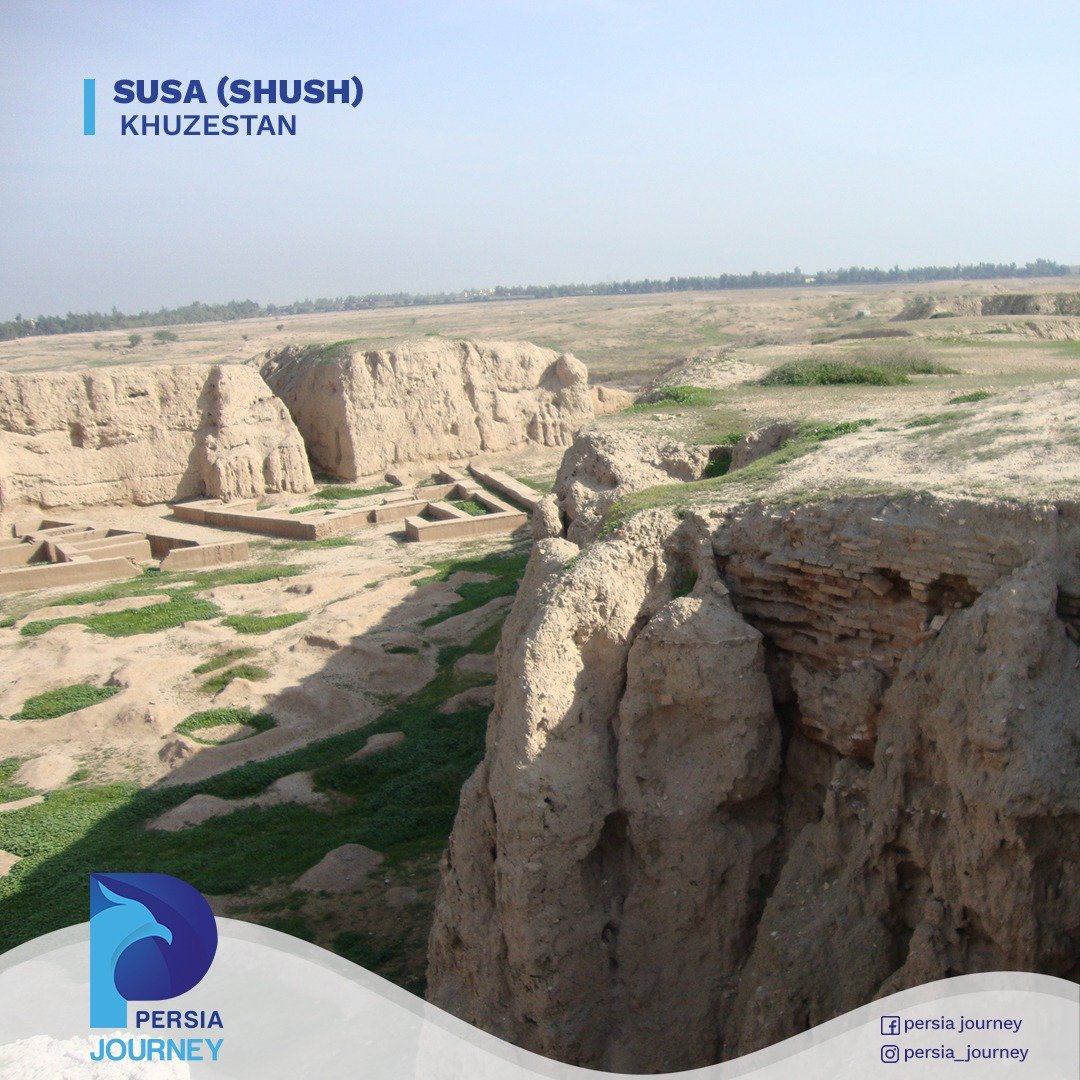
The ancient city of Susa, can be attributed to the Elamites more than any other eras. From 3500 to 2500 years B.C, during this period, the population had grown and trade exchanges had thrived. It subsequently led to the beginning of accounting and writing.
#susa#elamite
Susa was an ancient city in the lower Zagros Mountains, between the Karkheh and Dez Rivers.
Susa is one of the most important cities of the Ancient Near East. Susa is one of the oldest-known urban settlements of the region with a history of more than 6000 years.
#susa#elamite
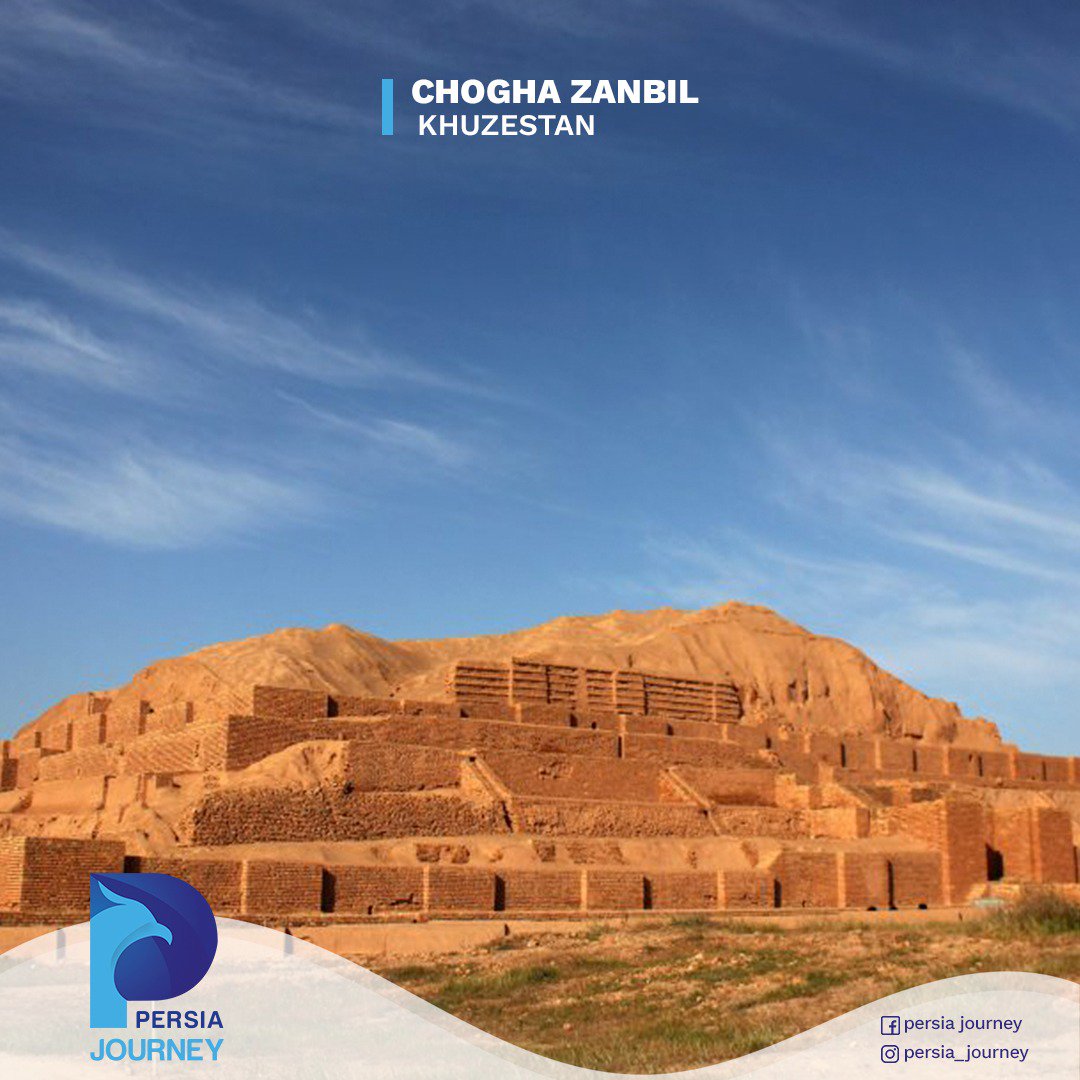
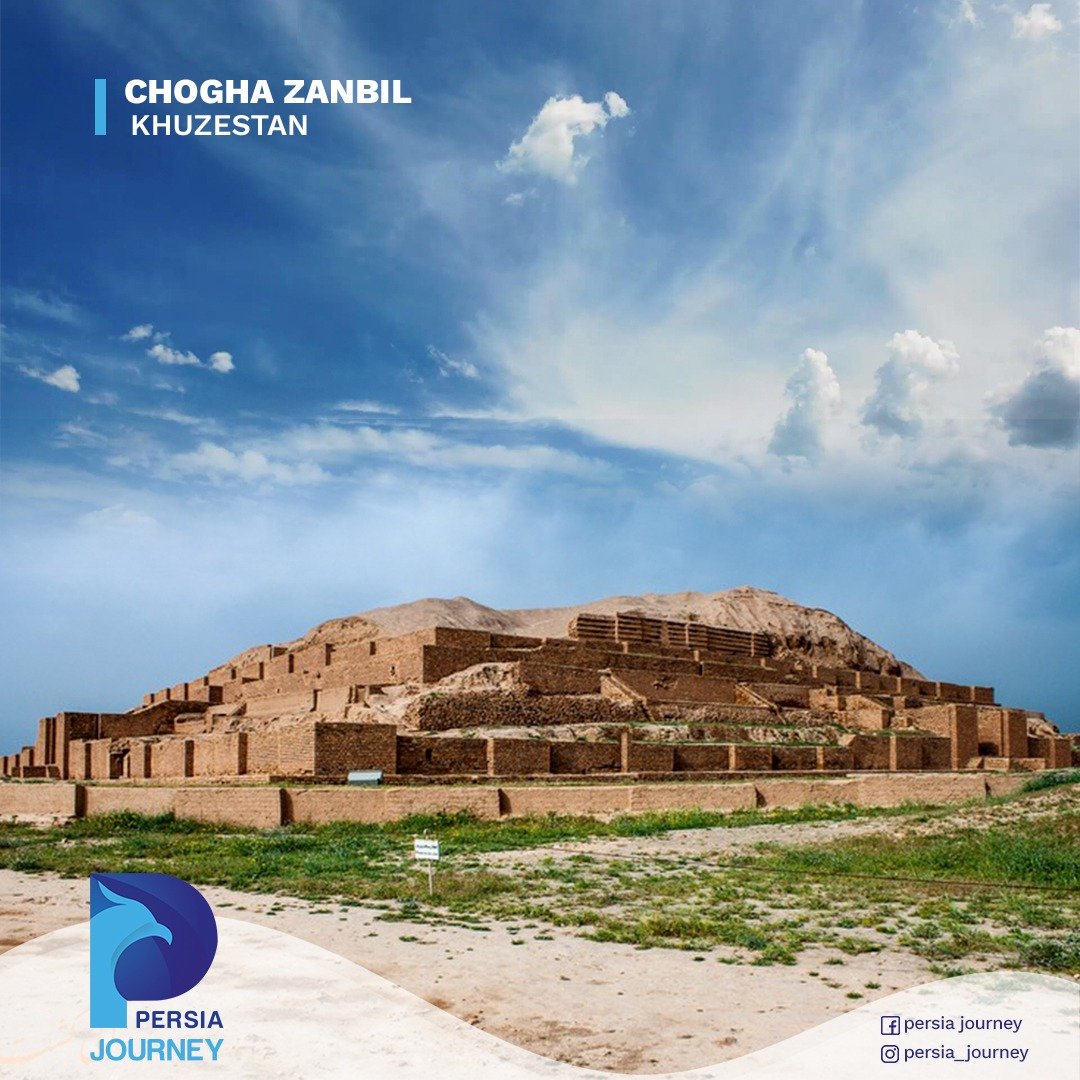
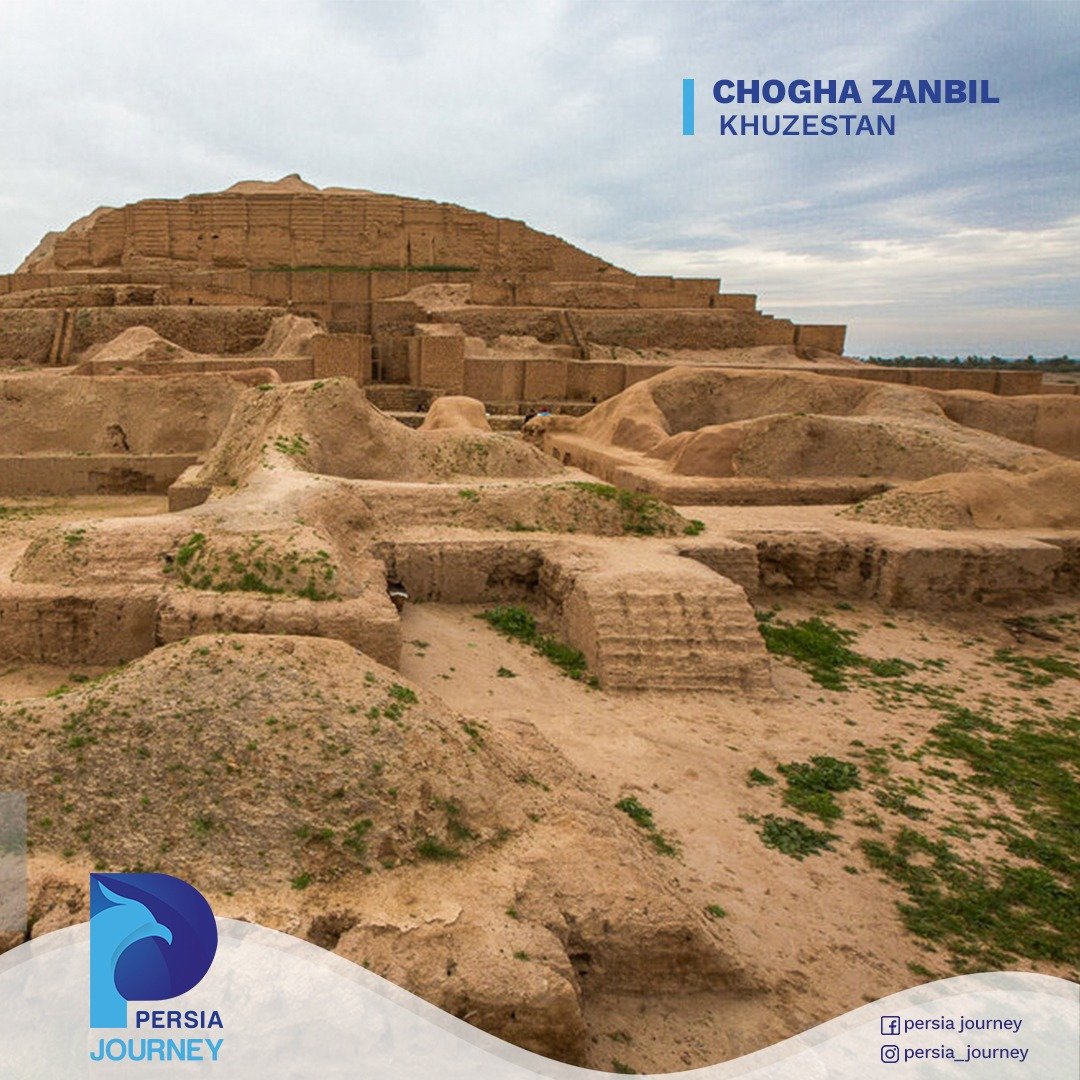
Chogha Zanbil ziggurat is estimated to be about 3,000-years-old. It was constructed by the emperor of Elamite “Untash-Napirisha “. The Elamite civilization was one of the earliest cultures who resided along the rivers of Khuzestan.
#iran#journey#persia#choghazanbil#zigurat
The Chogha Zanbil (ziggurat) meaning ‘basket mound’ is in the province of Khuzestan in Iran near the Susa. It is the oldest existing ziggurat in Iran.
Ziggurat is a rectangular stepped tower, sometimes surmounted by a temple.
#iran#journey#persia#choghazanbil#zigurat#susa
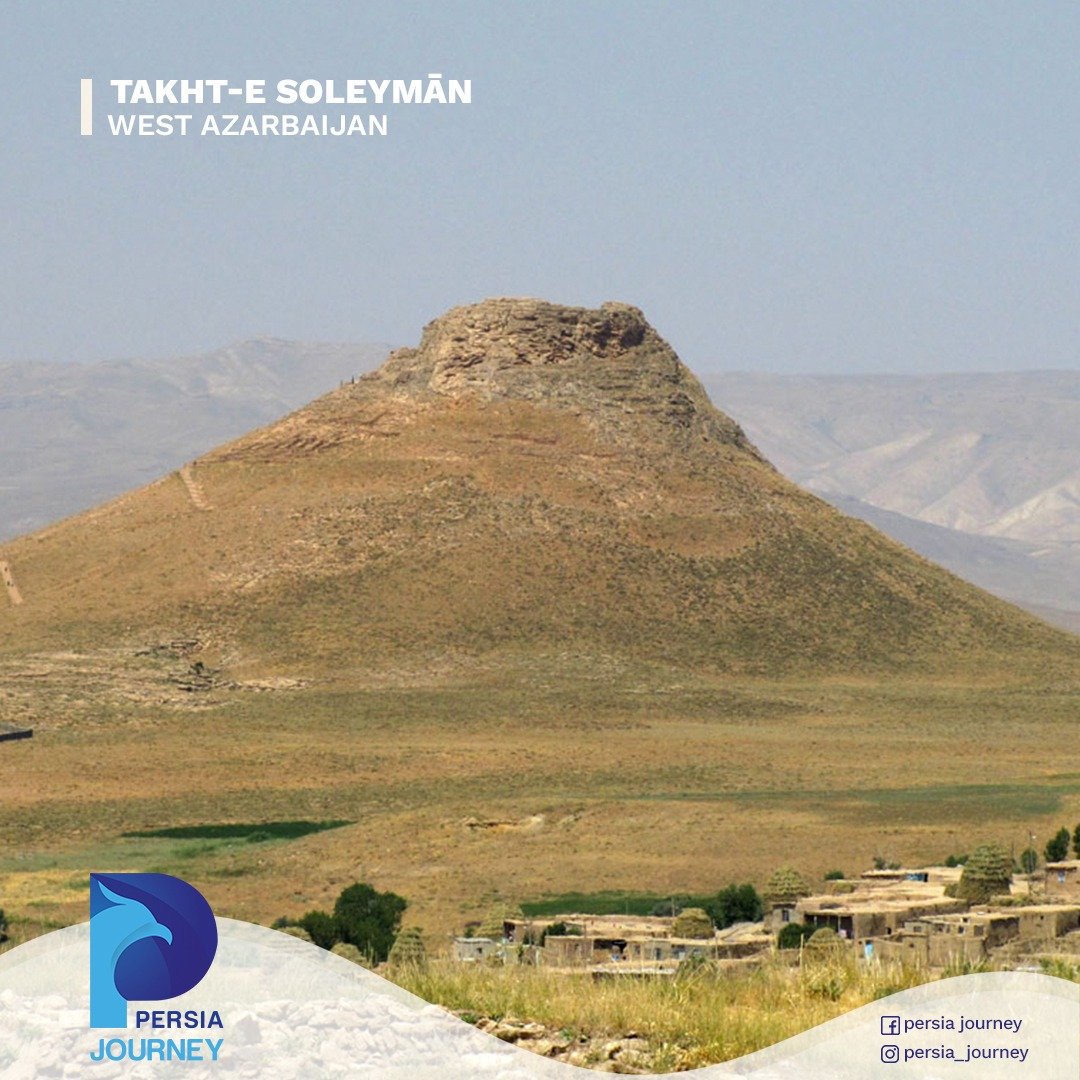
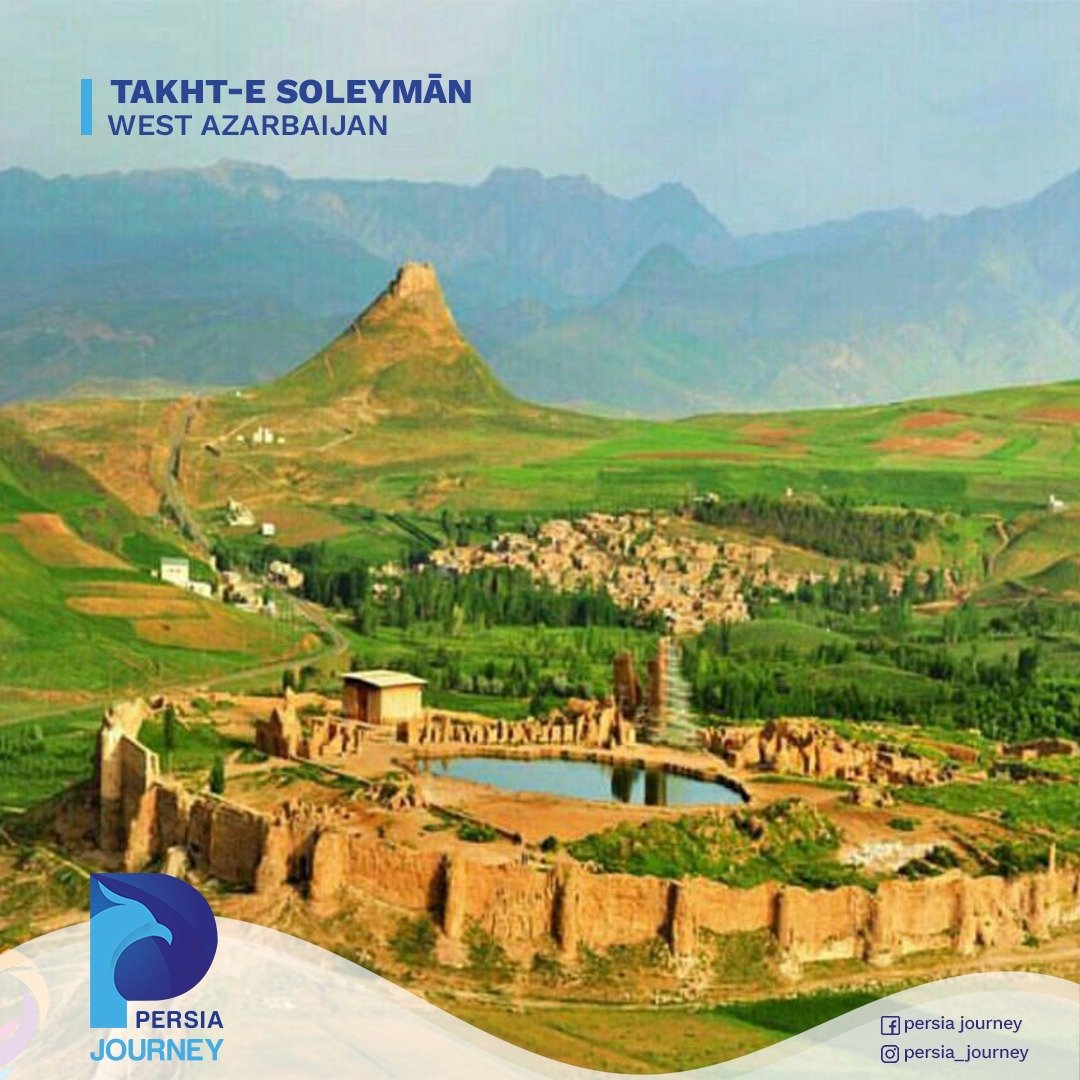
Takht-e Soleyman was rebuilt in the thirteenth century by the Ilkhanid ruler Abaqa Khan. It was used as a summer hunting palace. They chose this site because of the massive ruins remaining of the old fire temple and Sasanian palace.
#iran#journey#persia#takhtesoleyman
Takht-e Soleyman (meaning “the Throne of Solomon” in Persian) is an archaeological site in West Azarbaijan, Iran near the town of Takab. The remains of the Takht-e Soleyman complex are on a plain, surrounded by volcanic mountains.
#iran#journey#persia#takhtesoleyman
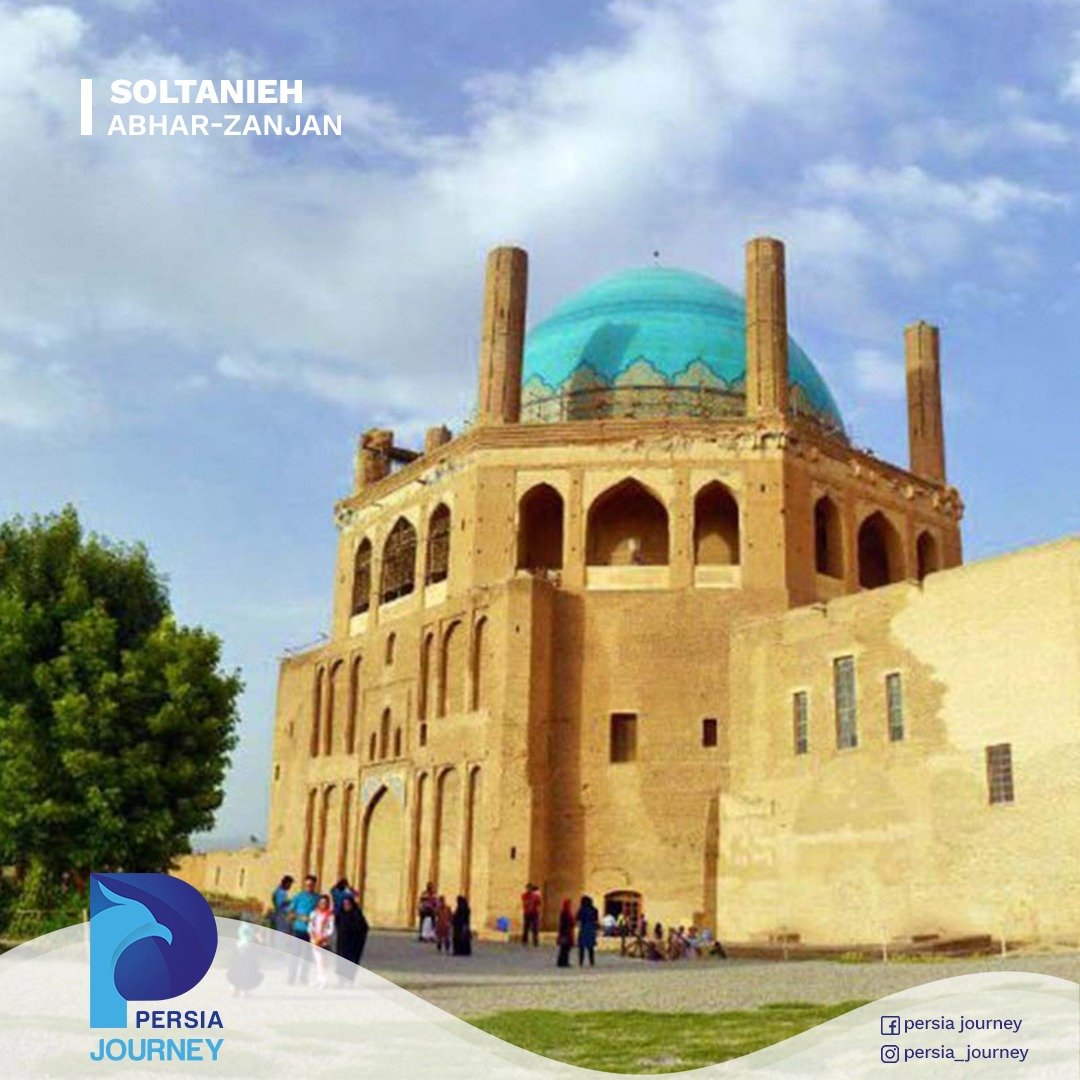
The Tomb of Oljeitu had multiple functions, such as Quran reading, praying, teaching, housing, and medical purposes. Much of its exterior decoration has been lost, but the interior retains superb mosaics, faience, and murals. I
#iran#journey#persia#soltaniyeh#persiajourney
The Mongols established a branch of the dynasty known as the Ilkhanids (1256-1353). Major developments were achieved in the decorative arts during the Ilkhanid period. Ilkhanids proved to be good builders by constructing the Dome of Soltaniyeh.
#soltaniyeh#persiajourney
The Dome of Soltaniyeh is in Soltaniyeh city of Iran. It is one of the largest brick domes in the world. It was just at the theoretical engineering limit for a brick dome and the third largest dome in the world after the domes of Florence Cathedral and Hagia Sophia.
#soltaniyeh
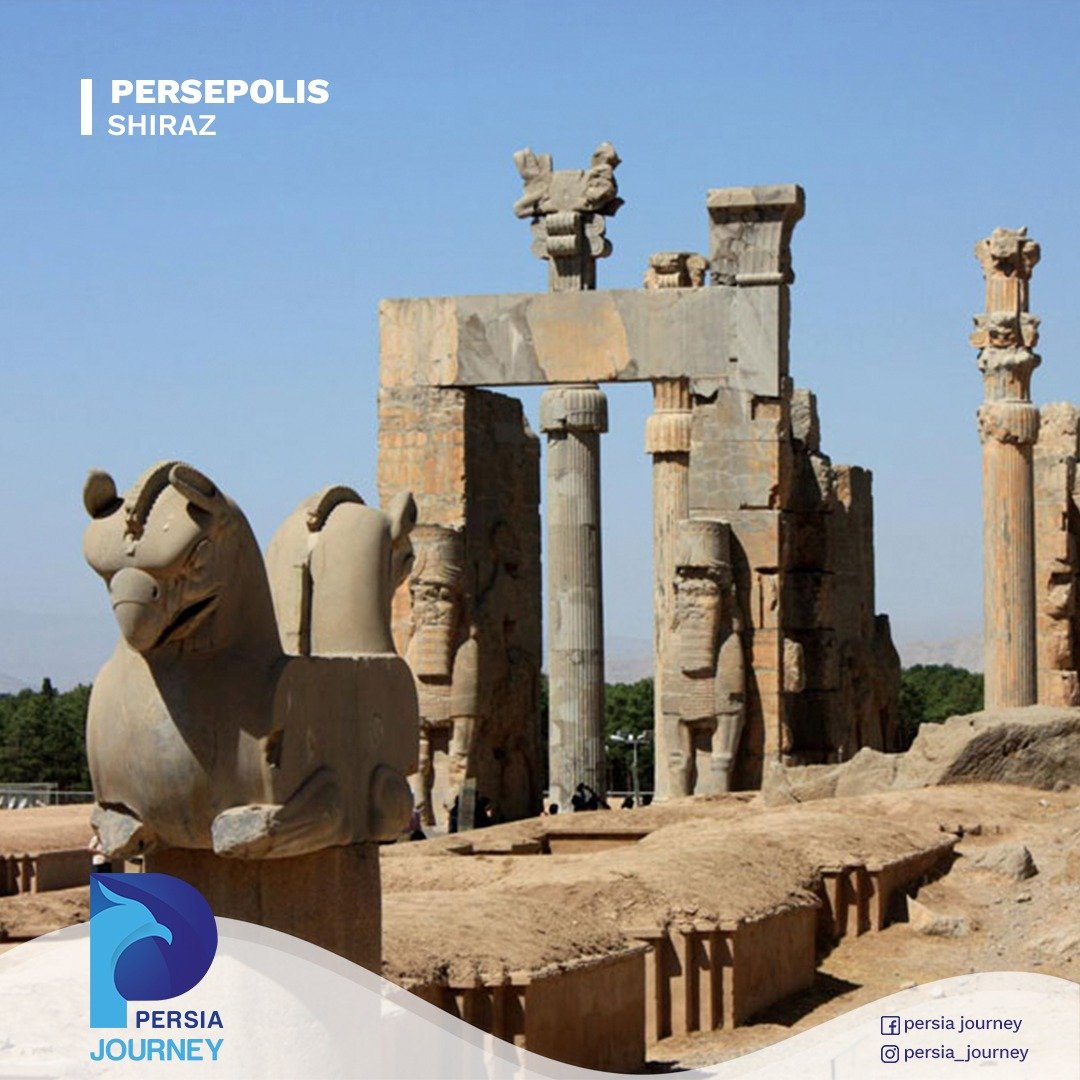
Perspolis is probably the most important remaining of the ancient Persia and because of this, it is very important for the Iranians and tourists that visit it. UNESCO declared the ruins of Persepolis as a World Heritage Site in 1979.
#iran#journey#persepolis#persiajourney
It is believed that the Persepolis became the capital of Persia during king Darius reign. Because the city is located in a remote and mountainous region, this place was an inconvenient place to reside for the rulers of the empire.
#iran#journey#persepolis#persiajourney