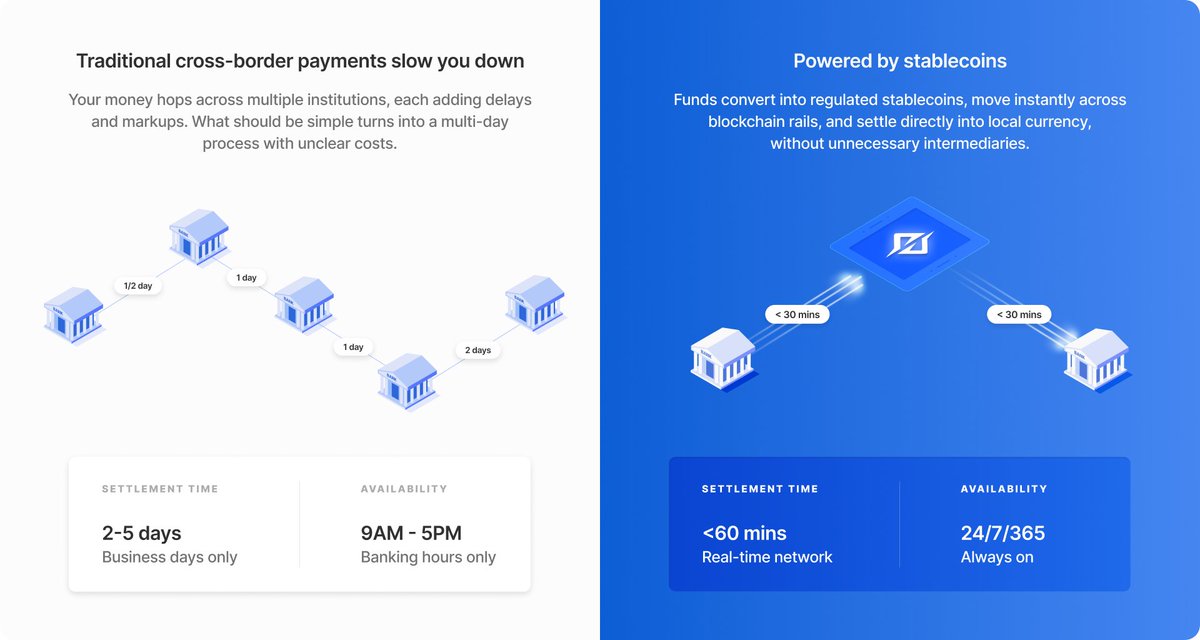
@ActusDei You can make the argument that crypto is a threat to the global financial system in general. Some countries embrace it and start re-plumbing their systems accordingly and others fight it, through bans.
Hello BLR folks👋 Hunting my replacement, this time with a tight deadline. Details:
@prashaaantin is looking for a 3rd flatmate at Shraddha Sunshine, ST Bed, Koramangala (https://t.co/KZyGBJB5fz) from 1st April.
🧵/ Today we announced something really exciting that we've been working on for a while.
@Razorpay and @NPCI_NPCI are bringing agentic payments to @claudeai & we’re starting with @zomato, @Swiggy and @ZeptoNow.
Stablecoins for B2B payments in India is hard but not impossible.
The real blocker isn’t speed. It’s compliance. More specifically, FIRC documentation under FEMA.
No FIRC = no GST claims, no clean audits, no compliance comfort.
The solution isn’t replacing banks.
It’s designing a hybrid model around them.
Full breakdown below
https://t.co/oIFU067kdW
+100
In Kerala, unionisation had gone to an extreme level that they even introduced something called ‘Noku kooli’, literally meaning - wages for watching - in Malayalam.
It basically means that worker unions can demand payment even when they do no physical work, just for being present while goods are loaded or unloaded by the actual business owners.
Everyone must be fairly rewarded ofc, and the best way to do this is through skill or output based incentives and NOT through unions.
Just for historical clarity. There is almost no examples of post independence private sector union actions leading to any reasonable successes in India. Unions can only squeeze where government is involved. Private sector in India have been surprisingly efficient at avoiding unions action altogether.
Now why do you think that is? The answer might surprise you and be just as unsurprising.