Scientist, passionate advocate for NZ flora, forests to alpine, conservation, restoration, systematics, biogeography and phylogeography. Own views.🌿🌳🌼🧬
@BruceClarkson2 There is no morphometric or other statistical analyses in support of the kanuka species or new manuka taxa making it difficult for any critique of the robustness of the taxonomic decision making process.
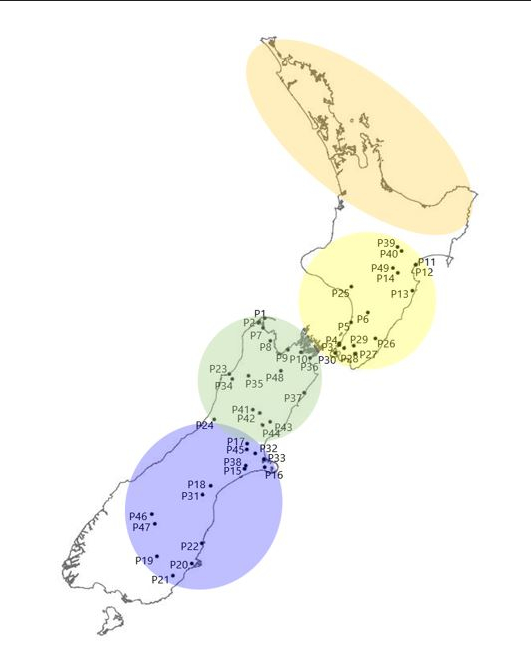
Just published on mānuka (Leptospermum scoparium) - a naturally variable tree/shrub from New Zealand and Tasmania. A genetic study using SNPs in Tree Genetics and Genomes. Open access https://t.co/Si7co5UX4v. 1/3
@BruceClarkson2 Have a read of the kanuka SNP paper (link below) to see discussion of speciation in the context of distinctive genetic lineages, reproductive isolation, hybridisation and ecotypic variation etc.
@BruceClarkson2 Similarity between manuka & kanuka genetic studies...no support for additional taxa in NZ. We have presented our evidence & its interpretation. Compare these cases with Arthopodium bifurcatum (2004) and Olearia telmatica (2008) where there was genetic support for the new taxa.
@BruceClarkson2 In manuka, analyses revealed a significant relationship between genetic clusters and the environmental variables (so not just genetics) and high gene flow between geographic groups. https://t.co/PAifBAFtcz
The geographic genetic clusters exhibit geneflow and are only weakly separated from neighbouring clusters. The SNPs provide little support for taxonomic revision and subdividing L. scoparium into new species within NZ. Plants from Buller R left and Maruia right. 3/3
SNPs show Tasmanian plants well separated genetically from those in NZ - this suggests they should be recognised as a separate Australian species. In NZ regional geographic clusters exhibit north to south landscape scale patterns - much like kanuka. 2/3
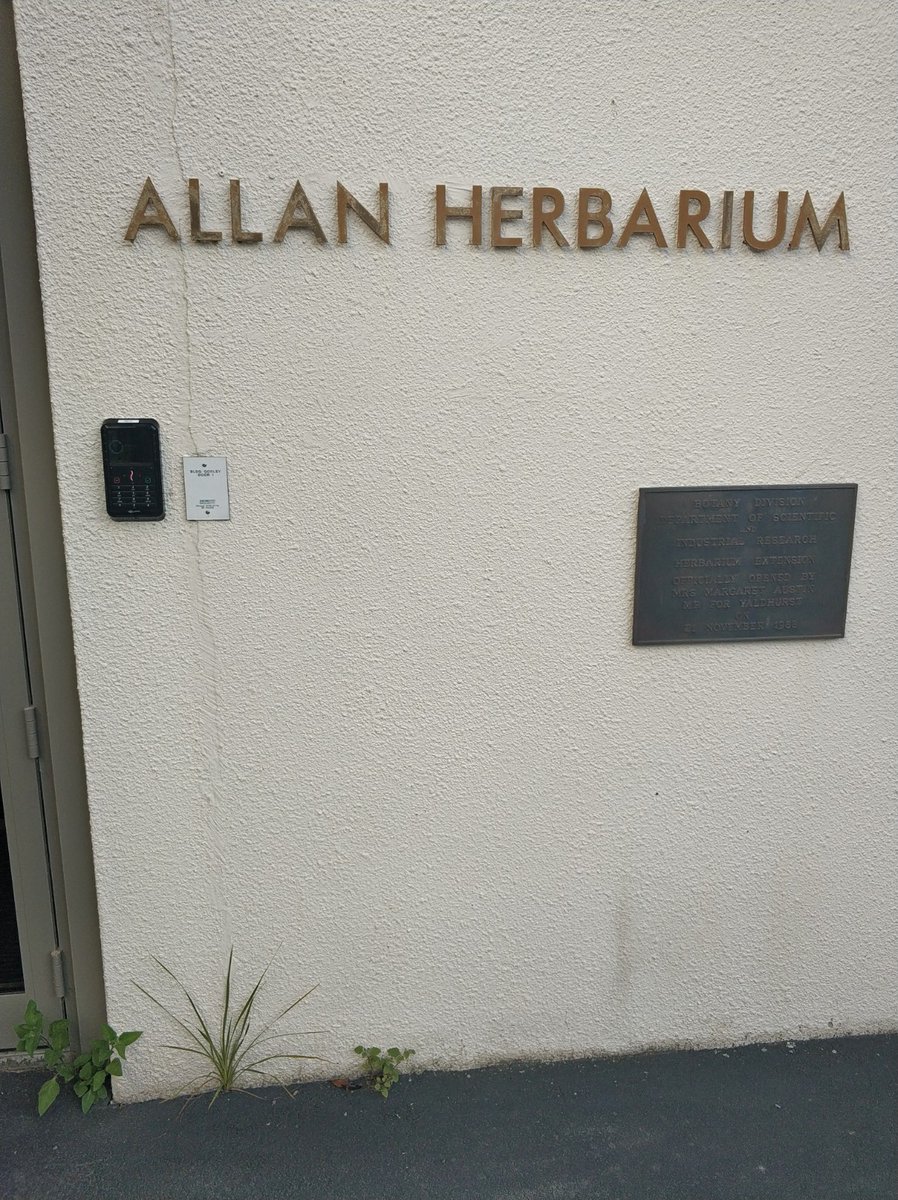
At Allan Herbarium (CHR) main entrance three plants are queueing at the door waiting to be accessioned. Two naturalised solanums (S. chenopodioides and S. nigrum) and the native ti kōuka.
We also recommend use of within species ecotypes suited to particular habitats. This is important for utilising phenotypic and ecotypic variation often encounted with widespread species. we use kanuka as an example. 8/-
Ecosourcing and seed collection zones in NZ. A new paper just published in New Zealand Journal of Botany recommending considerably expanding seed collection zones to 9 regions rather than the currently recommended ‘local’ sources. Open access, see https://t.co/5tZLG3YTMr. 1/-
We recommend for improved resilience in a changing environment 9 large ecosourcing zones that correspond to phylogeographic and biogeographic regions & national patterns of temperature and rainfall. 7/-
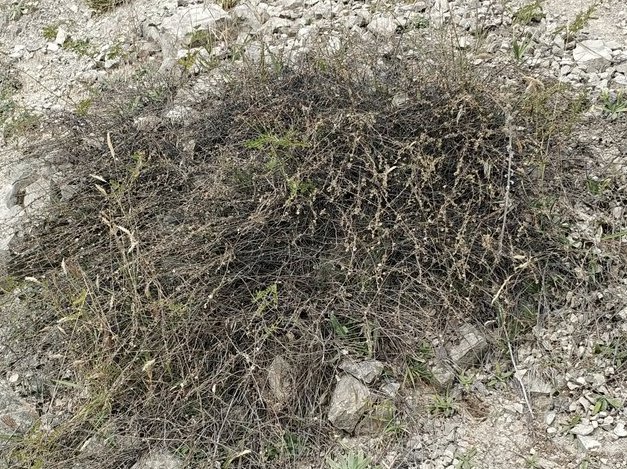
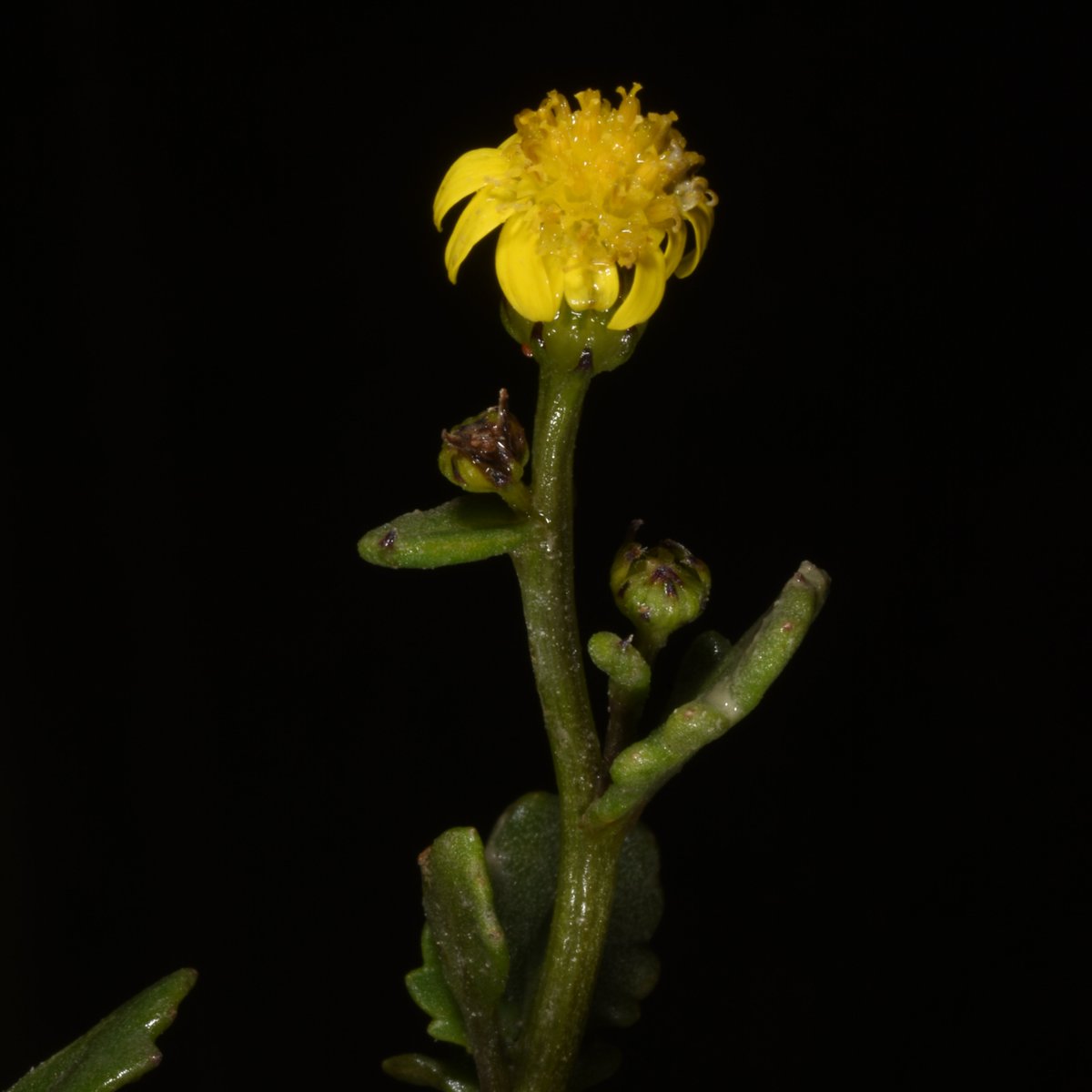
Fieldwork in Marlborough collecting tororaro (Muehlenbeckia astonii) for genetic study in vicinity of Cape Campbell. Also collected prostrate Senecio probably unnamed & restricted to C. Campbell mudstone. Picked up erect M. aff. ephedroides from inland Kaikoura Ranges.