This account is no longer active. For our key state policy findings, follow @PewTrusts and find us on:
✔️ LinkedIn: https://t.co/ROWn5CmHyy
✔️ Facebook: https://t.co/kCDJulptqf
✔️ IG: https://t.co/21HvAMtCWW
Prefer email? Sign up for our newsletter: https://t.co/gdNZWGFoLk
Costs to run SNAP are typically split evenly by states and the federal government, with the latter covering 100% of benefit payments.
Last year's federal budget bill changes that—shifting billions more in costs to states. https://t.co/jJEnX4xemu
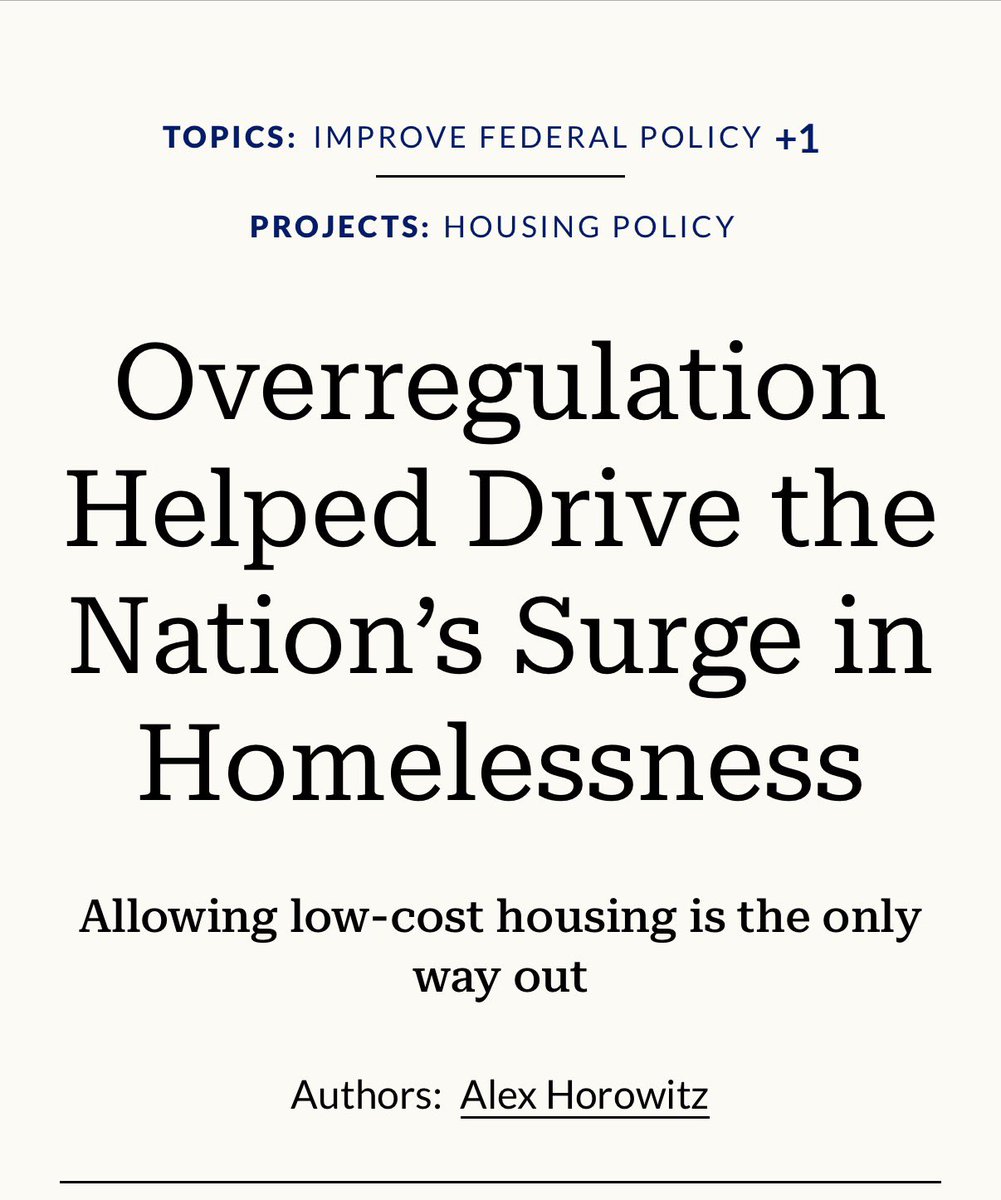
Strict zoning forces people to sleep on the sidewalk because the best housing they can afford—once-common dorm-style units—is prohibited.
States and cities can bring back better-quality version of that housing, helping make homelessness rare once more. https://t.co/GwhFNUndUm
As the U.S. dollar weakens, some states are building their cryptocurrency resumes with:
🪙 Bitcoin-backed municipal bonds.
🪙 Crypto reserves.
🪙 Their own "stablecoins"—digital currency pegged to the U.S. dollar.
https://t.co/J4h91MU0Qe
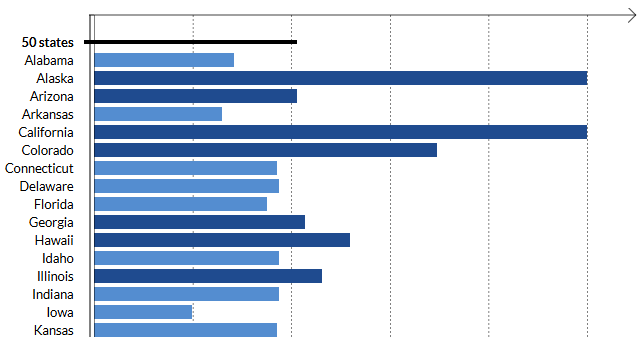
States with the most volatile tax revenue (FY20-24):
1) Alaska
2) New Mexico
3) California
4) Nevada
5) New York
... and the least volatile:
46) Washington
47) Wisconsin
48) Kentucky
49) South Dakota
50) Iowa
See your state's standing and much more: https://t.co/Wi5gbiM65r
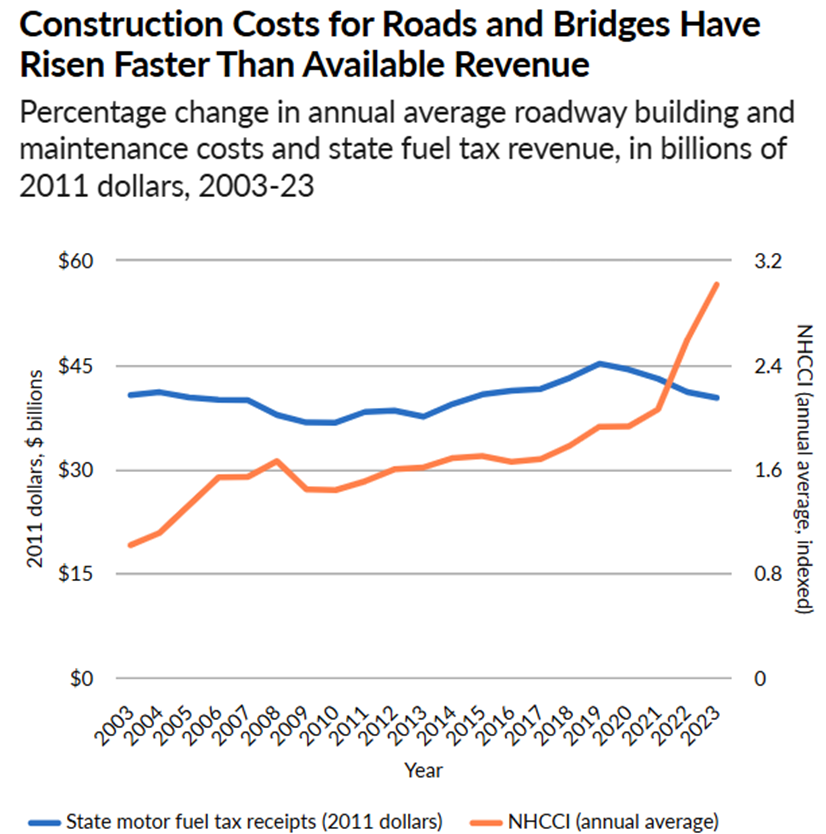
5 reasons why states struggle to maintain roads and bridges:
1) Decades of underinvestment
2) Rising construction costs
3) Lengthy reviews and other costly admin delays
4) Staffing shortages
5) Limited data that hinders effective planning
https://t.co/ok2zYwnXoa
States and cities have the power to slow rent growth while keeping Americans safer.
How? Ease zoning that blocks apartments.
After all, modern apartments are the most fire-safe type of housing. https://t.co/kS0eSYCuLP
How can states ensure equal justice for all?
One way: To turn their attention to the needs of people with disabilities.
New data show they're far more likely to interact with courts—which they often see as less fair and difficult to navigate. https://t.co/f3L5B6oV93
Two critical barriers threaten states’ progress on achieving the universal high-speed internet access goals of the 2021 Jobs Act:
➡️ Lengthy, complex permitting processes
➡️ A lack of trained workers
https://t.co/jg2Mme2KNE
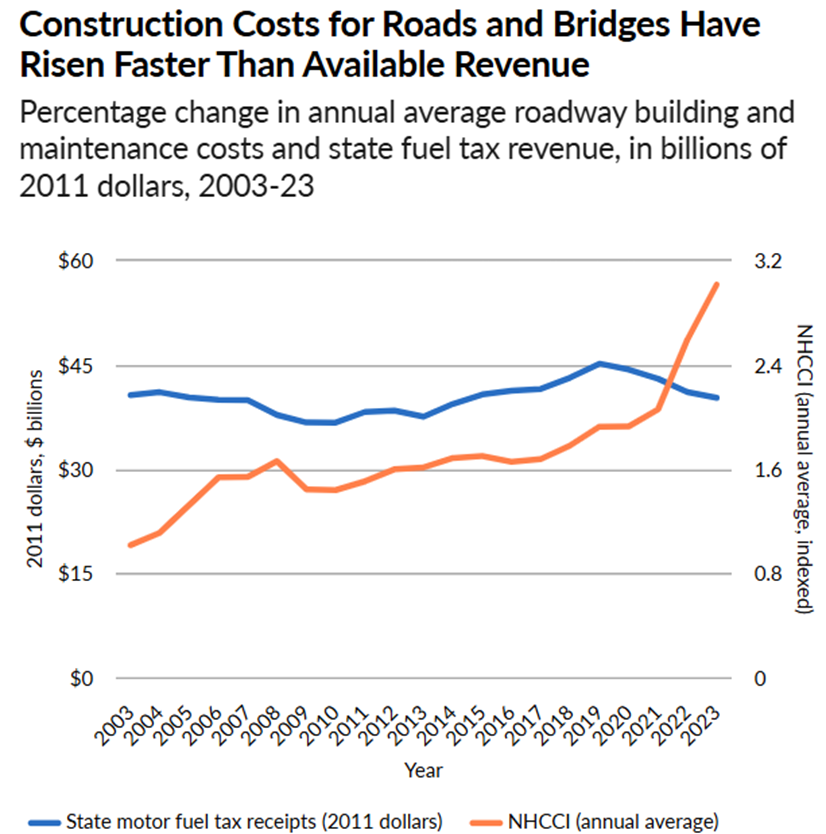
5 reasons why states struggle to maintain roads and bridges:
1) Decades of underinvestment
2) Rising construction costs
3) Lengthy reviews and other costly admin delays
4) Staffing shortages
5) Limited data that hinders effective planning
https://t.co/ok2zYwnXoa
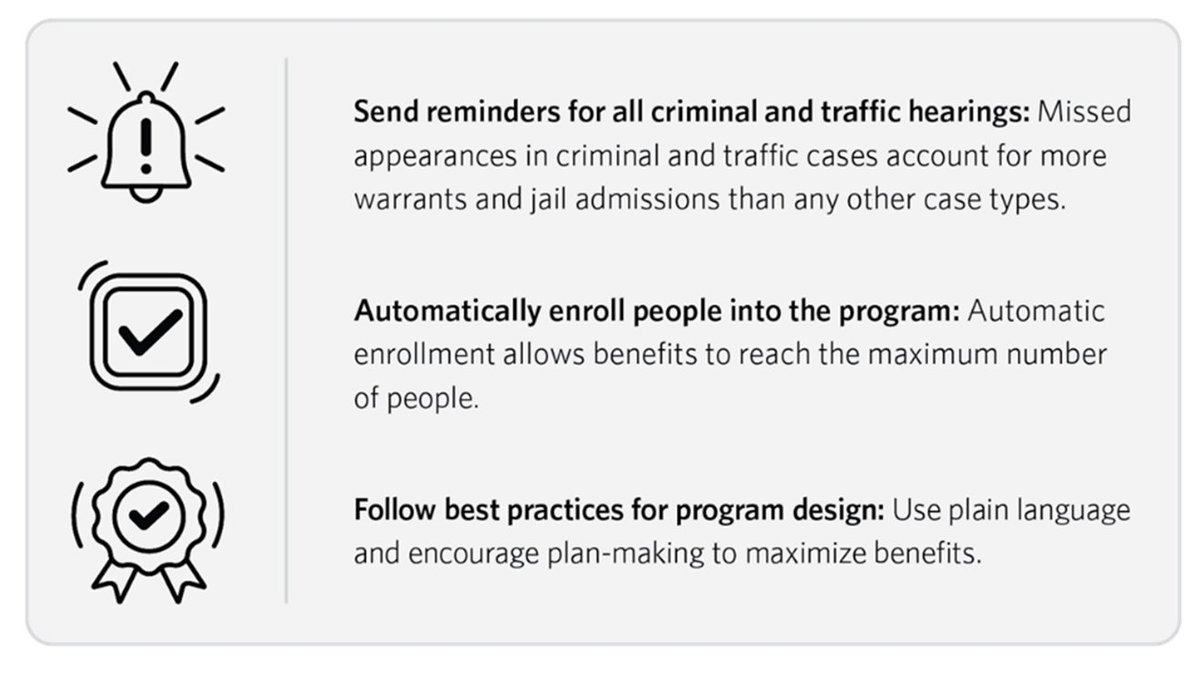
Missing court is a leading driver of arrests and jail bookings in many U.S. jurisdictions.
What's more, it wastes court resources and taxpayer dollars.
The solution? Text reminder programs, which greatly boost appearances and have bipartisan support. https://t.co/gMMVY2roR4
“Low rates of homelessness are not only possible, but prevailed here just 50 years ago. The reason? Back then, millions of small, cheap housing units were available, but overregulation put in place primarily over the 1950s to the 1970s decimated them.”
Article linked below ⬇️
The U.S. is facing a shortage of 4 million to 7 million homes, resulting in:
👉 Record-high rents
👉 Unaffordable houses
👉 Persistent homelessness
Enter: Manufactured housing. It could put millions on the path to homeownership—if federal and state officials allow it.
NEW: Our 2026 State of the City report breaks down the data shaping our hometown of Philadelphia today—with charts, graphs, and insights on issues like crime, public health, and home sales across the city. https://t.co/8ndtVNESLc
The success of billions of dollars in federal broadband investments could hinge on whether the U.S can train thousands of new, skilled telecommunications workers to fill the gap created by increased labor demand and retirees. https://t.co/v4OC42bPBZ
Naloxone can reverse an opioid overdose quickly and safely, making it essential to saving lives.
What's more, anyone can use it to help someone—and it's available by Rx and over the counter.
States can and should make naloxone easier to get. https://t.co/G4R9zA9N4Z
Costs to run SNAP are typically split evenly by states and the federal government, with the latter covering 100% of benefit payments.
Last year's federal budget bill changes that—shifting billions more in costs to states. https://t.co/jJEnX4xemu