While we wait for SBIR/STTR, let's get smarter on the evaluation process. Thank you @Geofforazem!
Tips from a 200 Time SBIR Reviewer (What Actually Matters): Wade Amos https://t.co/bF3ThAzB1N via @YouTube
I updated my @OmarchyLinux rig today and noticed I have passed the 3 month point with it as my primary OS. BLUF - it has been a wonderful experience and I recommend it fully for anyone looking for an OS and ecosystem that is designed (and maintained!) to make dev work enjoyable.
@Grok has been a fantastic wingman as I moved away from Windows to Linux (@OmarchyLinux). AND, I have added this prompt to my clipboard manager to keep this pitbull on a leash:
/* Grok Focus */
You are Grok. In this conversation, follow this strict response rule at all times:
Do not assume that a problem, task, or request has been successfully resolved or completed unless I explicitly confirm it.
Specifically:
- Never declare "done," "fixed," "implemented," "resolved," or similar on your own.
- Never present a list of "next steps," "what to do next," or suggested follow-up actions unless I directly ask for them.
- After providing a solution, code, plan, or answer, always stop and wait for my feedback or confirmation before proceeding further.
- If I say something like "that works" or "confirmed," only then may you acknowledge completion and, if appropriate, ask whether I want next steps.
Focus solely on addressing the current request accurately and completely, then pause for my response.
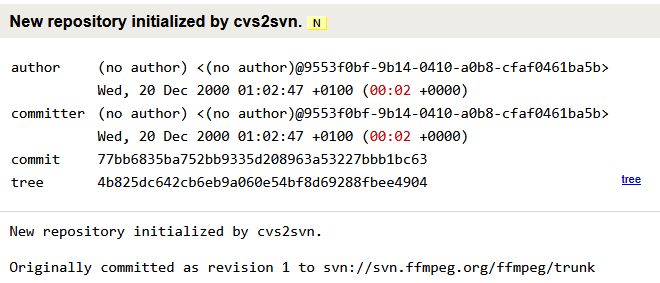
Today marks 25 years since the first commit to FFmpeg by Fabrice Bellard
FFmpeg was made to play DVDs, DivX and other video files for free, and continues to be developed by enthusiasts
FFmpeg changed the world, powering all online video
Happy 25th Birthday FFmpeg! 🎉🎁🎂
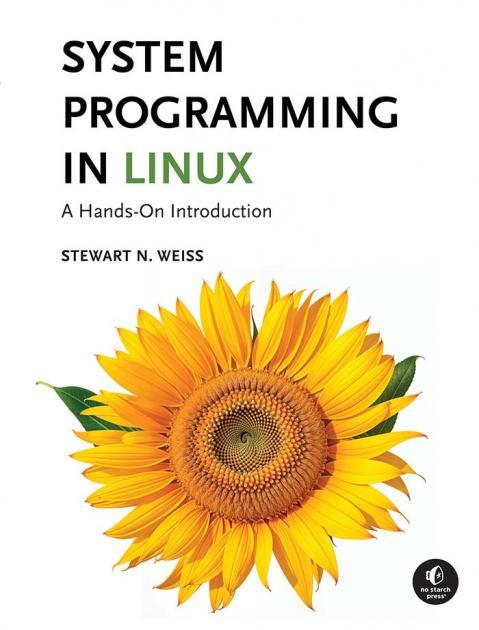
@nostarch This has been on my nightstand for a couple weeks and I've only made it through the first couple chapters--because every page has me thinking and scribbling notes for my current and future projects.
@nostarch Fantastic time to get a copy of this awesome book. I focus on embedded development, but wanted to learn more about Linux. The first two chapters alone are worth the price, even for embedded developers.
Our Black Friday sale starts now! Get 42% off everything with code BLACKFRIDAY25. Time to stock up on your winter reading! Runs through 12/2.
https://t.co/DwLB1N6u2E
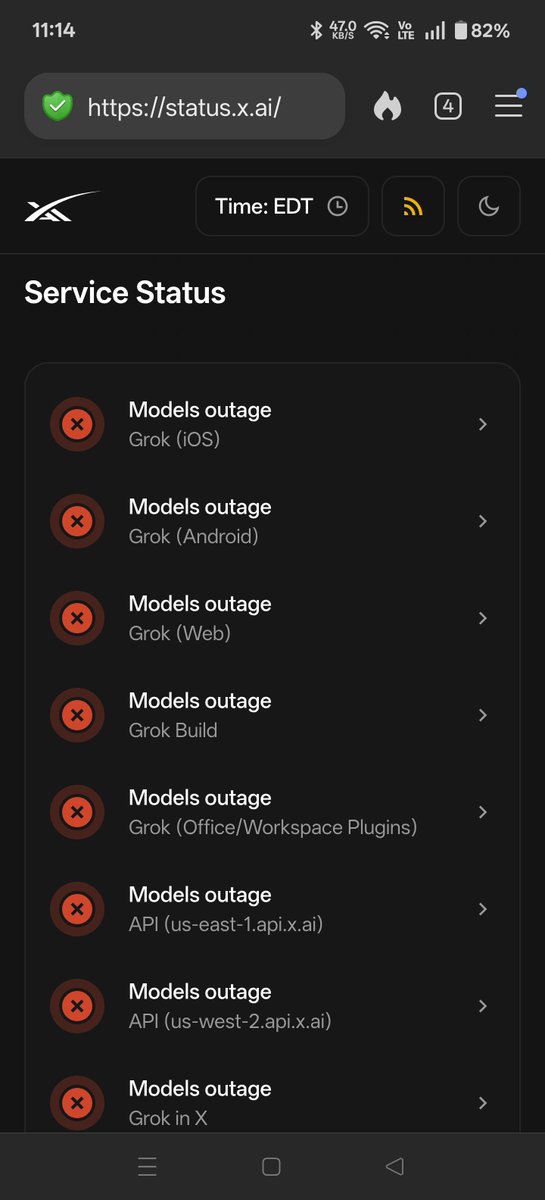
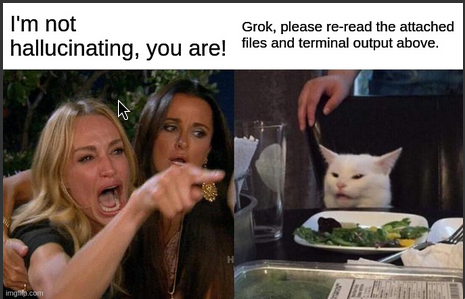
@Grok is a tremendous boost to my embedded dev workflow, but it still bears considerable watching. It told me yesterday that I was the one hallucinating about configuring an ESP32 toolchain on @OmarchyLinux ...
By the way, I could not have gotten here without the teaching of @NurveNetworks in "Crash Course Arduino and Microcontroller Development" on Udemy. This whole quest of mine--to return to my decades-old roots in low-level programming and electrical engineering --began with that course. The quest has taken me from Arduino -> STM32 -> x86-64 (at the platform level) and from Windows -> Linux (at the OS and worldview level).
There is so much amazing educational content these days, at such low cost. The future is bright for those willing to build it.
With my recent move to Arch Linux, courtesy of @OmarchyLinux , my "How it's going" needs an update:
Now it's gcc/gas/nasm for me. https://t.co/32WJrLQNsh
I completed the first chapter today. EXCELLENT book! I'm still early in my C/Asm journey, but this book seems perfect. I recently left Windows for Linux, specifically for C/Asm development, and I was thrilled to get a successful objdump on the x86-64 Linux native gcc output. Cross-compiling took a long day of arm-linux install attempts, but I finally got it.
I'm looking forward to the rest of the book!