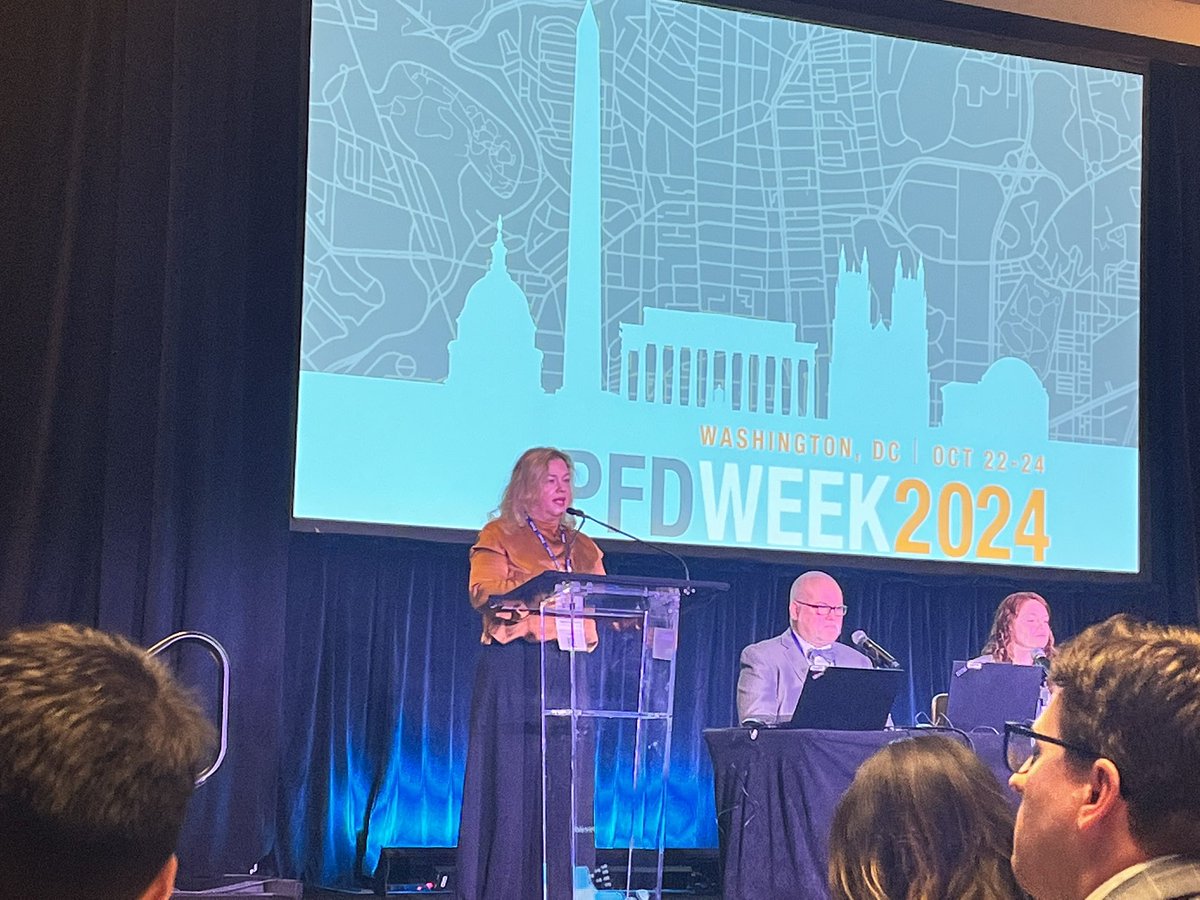
We are wishing a joyful and fulfilling retirement to Dr. Myers! Dr. Myers first became affiliated with
@PFDNresearch in 2007, and we could not be more grateful for her contributions to the network and PFD research!
Read more: https://t.co/L9UVObfk1P
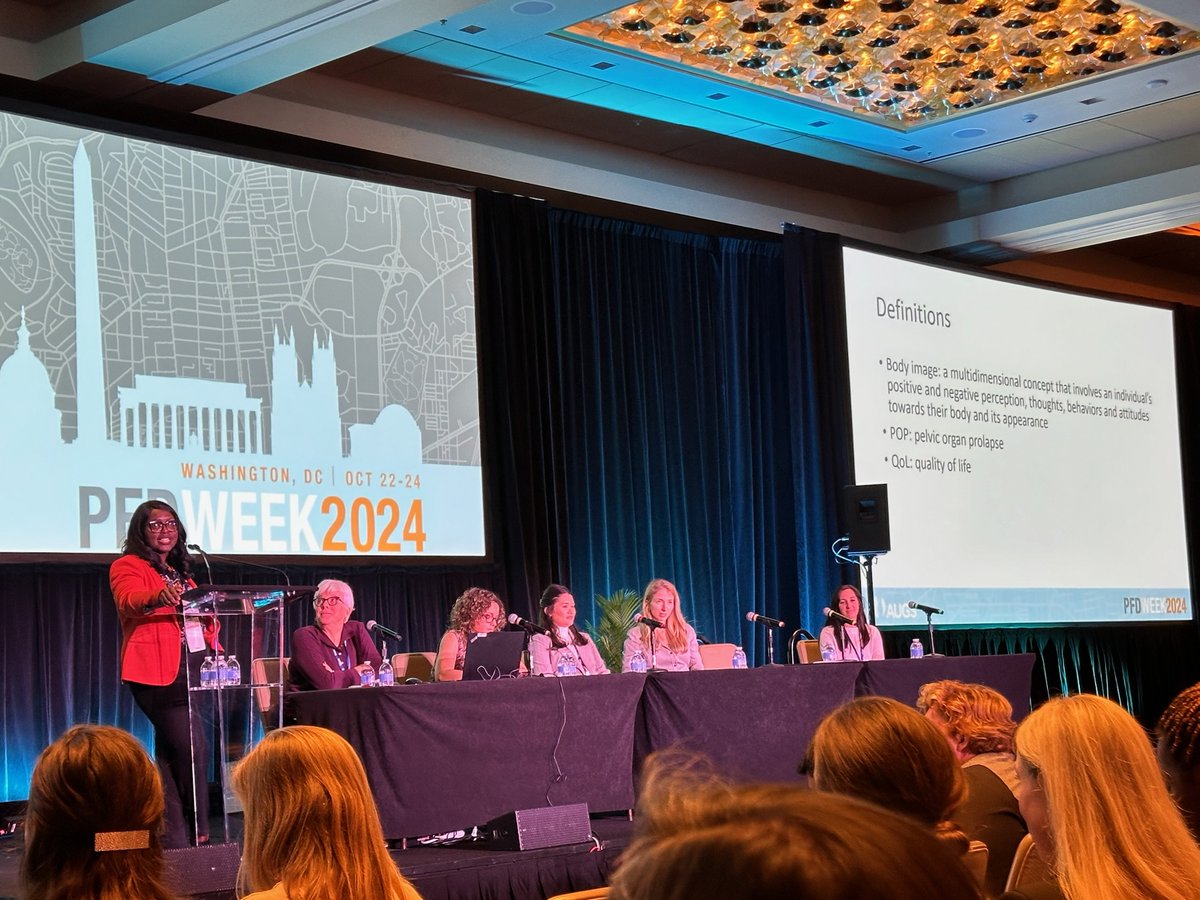
💡New @PFDNresearch study reveals that body image improves after surgical repair of vaginal vault prolapse, regardless of the approach used! Positive changes in body image are linked to better sexual function in active women. #PFDWeek24#PelvicHealth#WomensHealth#UrogynResearch
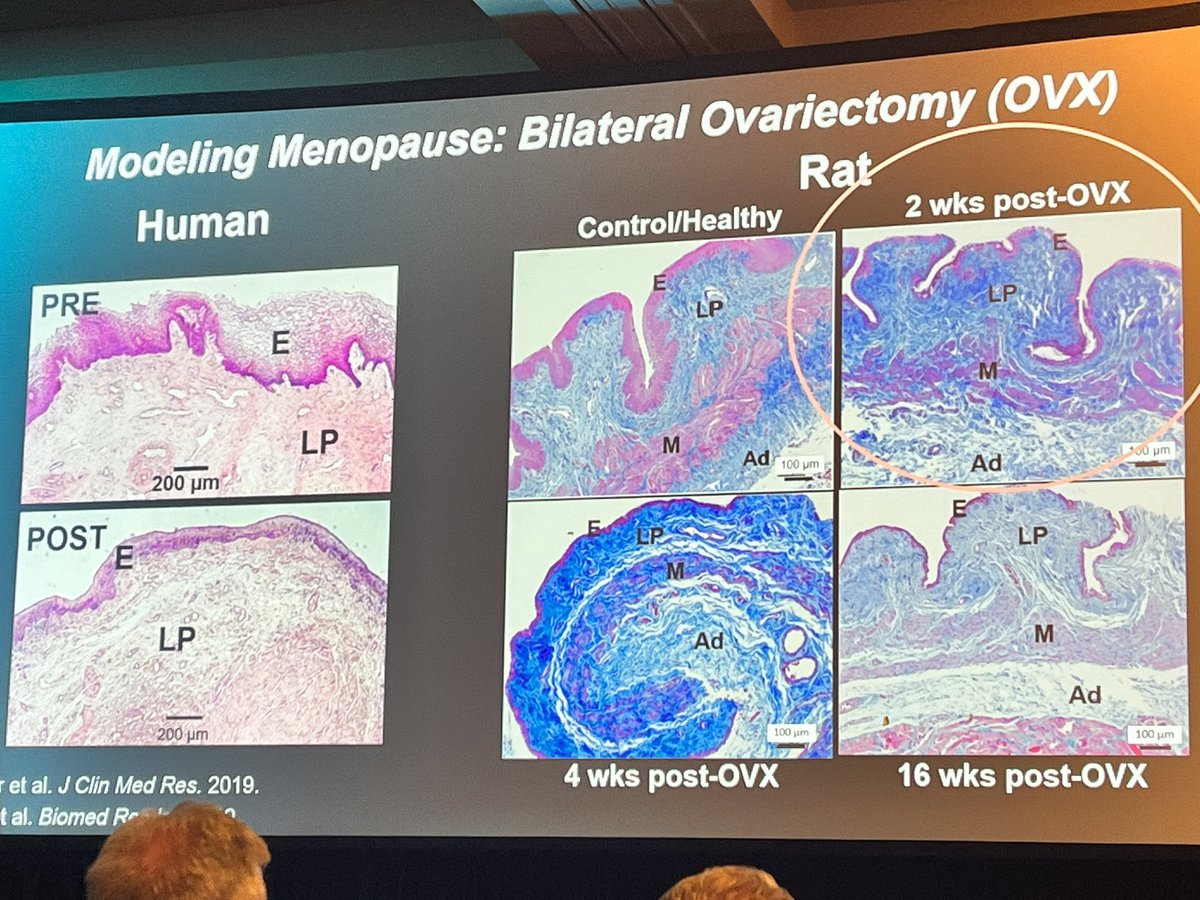
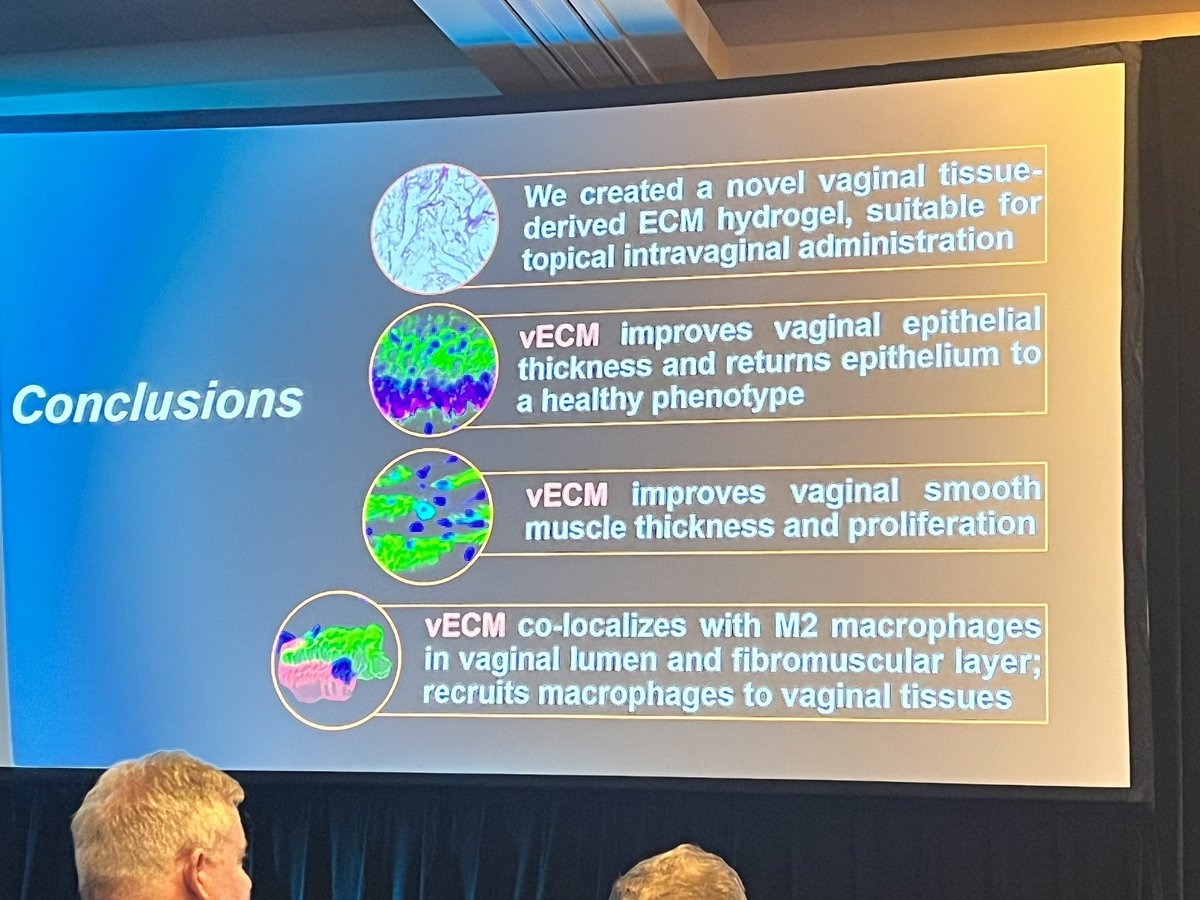
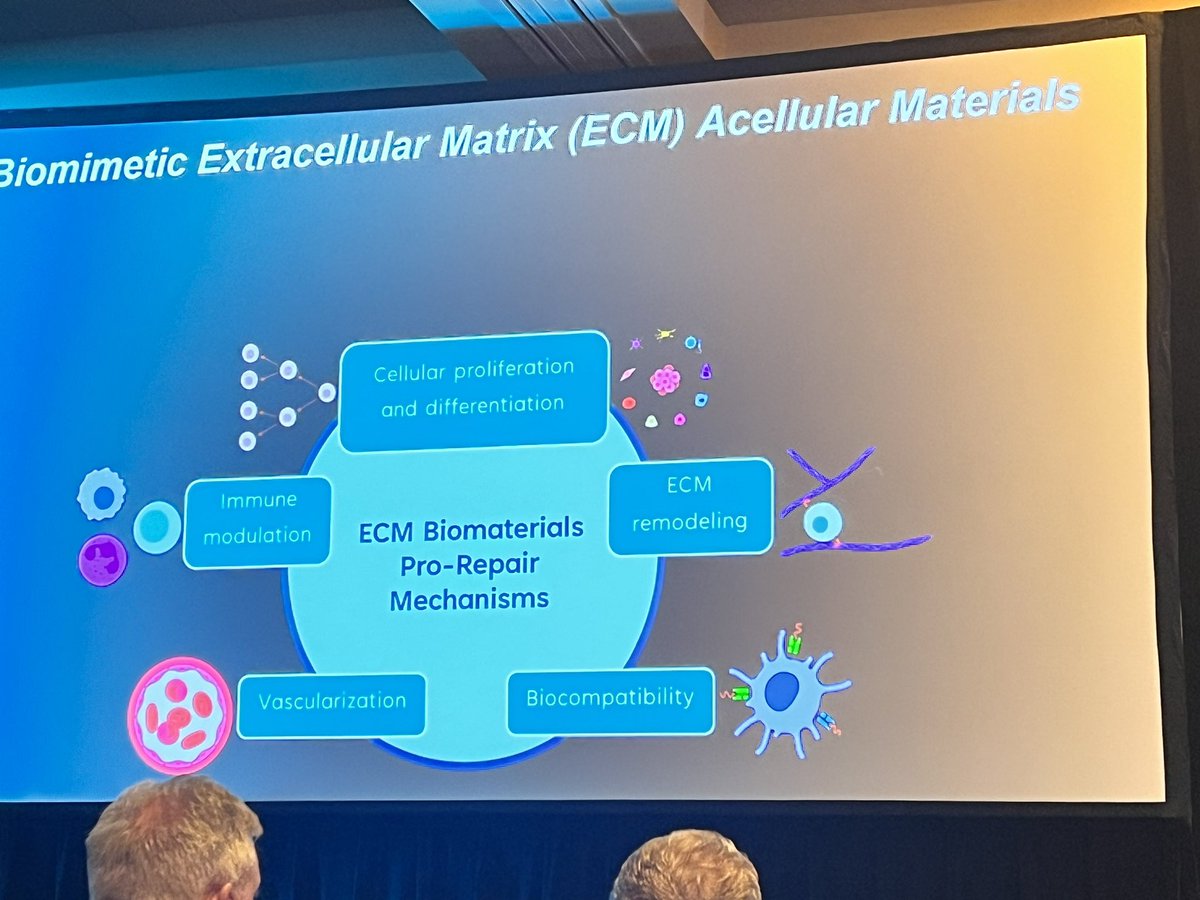
🌸Yesterday at #PFDWeek24 Dr. Alperin presented exciting research on a new non-hormonal treatment for genitourinary syndrome of #menopause (GSM)! A tissue-specific vaginal ECM #biomaterial shows promise in enhancing vaginal tissue properties and regeneration.🧬 #WomensHealth
With only 35% satisfaction in current treatments, this non-hormonal treatment for genitourinary syndrome of #menopause could be a game changer! Tissue-specific vaginal ECM #biomaterial shows promise in enhancing vaginal tissue properties & regeneration. #PFDWeek24#WomensHealth
.@mariannaalperin presents her prize-winning paper “Acellular Tissue-Specific Biomaterial for Combating Menopausal Vaginal Changes”, a beautifully designed study with great potential to change our field.
#PFDWeek24@urogynsociety
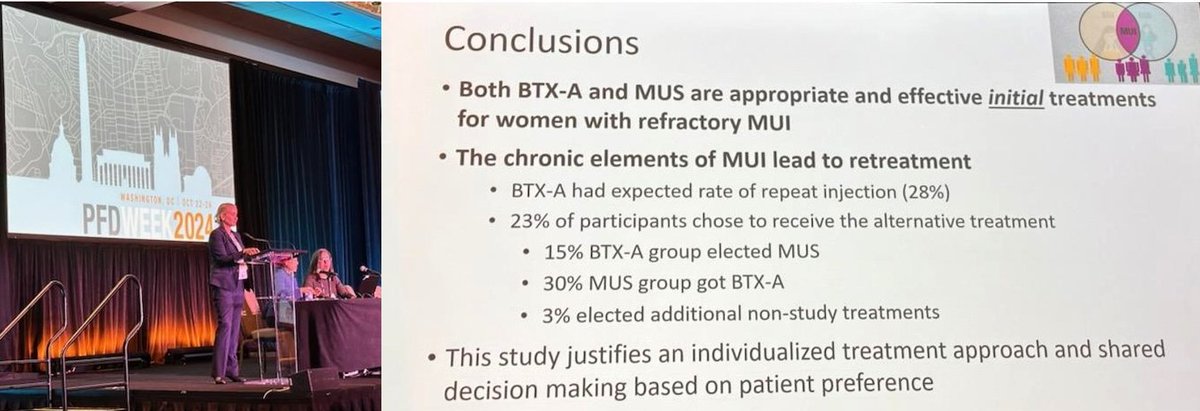
🌟Exciting findings from a #PFDN multi-center trial on treating MUI! Both #Botox and #MUS showed significant symptom improvement in UDI scores at 6 months with #MUS having greater improvement in UDS scores at 12 months💪#PFDWeek24#Incontinence#UrogynResearch
The University of Pennsylvania has been with the #PFDN since 2011 and continues to make impactful contributions to women's health research. Meet their amazing team and learn more about their work in this month's Network Spotlight! https://t.co/uo2Hf1n8cn
Previous OAB medication use, higher BMI and urodynamics findings were associated with higher failure rates after sling surgery for women with mixed urinary incontinence. #ESTEEMtrial#PFDNresearch https://t.co/uRbejgIoCE
Meet some of our #PFDN staff from the University of Texas Southwestern in #Dallas! In addition to conducting trials, the UTSW team plays an integral role in the network's translational research. Get to know the team: https://t.co/uo2Hf1n8cn
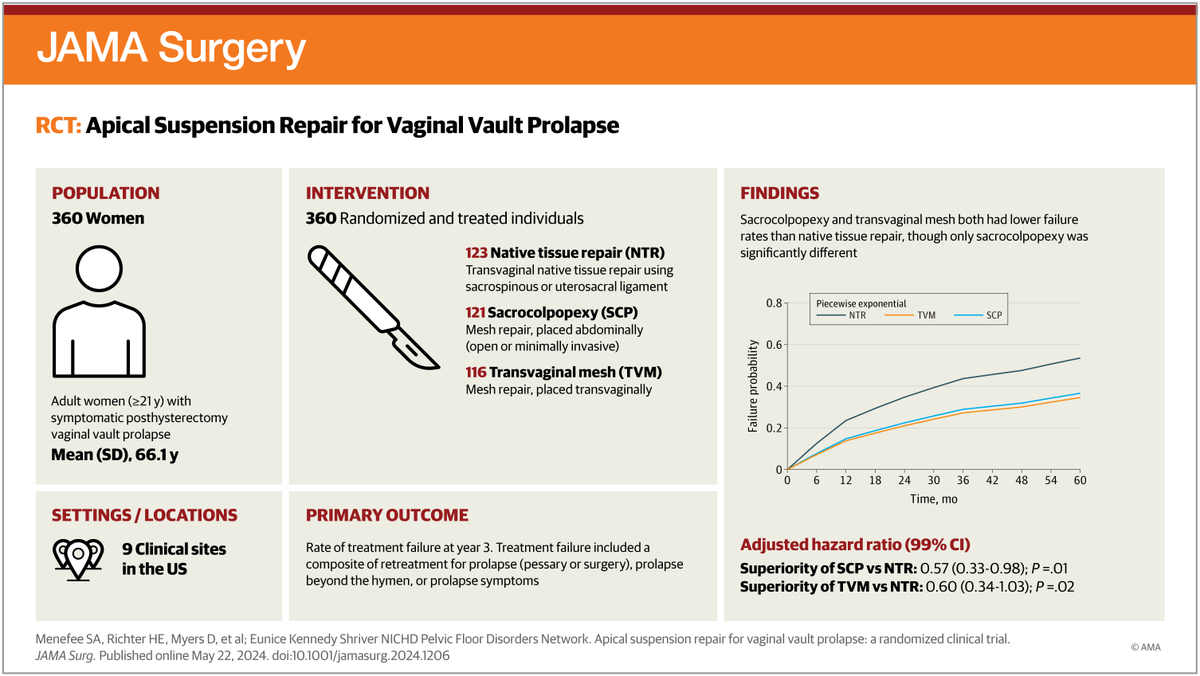
What is the best surgical approach for prolapse in women who have already had a hysterectomy? Study found sacrocolpopexy superior to native tissue repair, but similar rates of satisfaction for both as well as transvaginal mesh repair. https://t.co/wYIugnD0UG #PFDNresearch
Success & failure are dynamic, recurrent states after pelvic organ #prolapse surgery. Approximately 1/4 of failures were intermittent & transitioned between success and failure over time. #OPTIMALtrial#CAREtrial#OPUStrial#PFDNresearch
Read more: https://t.co/gSlqc4dxFe
Our May #PFDNresearch Network Spotlight features our @UChicago colleagues who are the newest addition to our network! Learn more about their diverse research expertise & the incredible work they do to improve the lives of women with pelvic floor disorders: https://t.co/L9UVObeMch
Curious about the faces behind our network? Get to know some of our amazing @PFDNresearch staff! Clinical team members from around the country share their stories, passions, and how they are working to drive our mission forward!
https://t.co/L9UVObeMch
The #OPTIMAL study found no significant differences in #prolapse recurrence between 2 common vaginal surgery approaches. #PFDNresearch
Read more: https://t.co/0HPjSaKqSS
An electronic bowel diary correlated well with paper diary and was considered easy to use, preferred to paper diaries, and had high rates of confirmed real‐time diary completion that obviated staff data entry. #NOTABLEtrial#PFDNresearch
https://t.co/ks4BDJroAf
Video-enhanced, compared to traditional, consent did not increase study participation but was associated with improved study understanding and a more positive relationship with study personnel. #OPTIMALtrial#PFDNresearch
https://t.co/nXM8xFSxJ3
The Pelvic Floor Disorders Network wishes you a wonderful holiday season and healthful new year!
We're looking forward to another year of finding evidence-based answers for women with pelvic floor disorders, so they can live better lives. #PFDNresearch
Adverse events after surgery for #pelvicfloordisorders such as incontinence, constipation, nocturia, and lack of improvement in sexual function are perceived as very severe, rating in severity similar to intensive care unit admission and death #PASeoTrial
https://t.co/PVxr5uIQY7