Entrepreneurship is the catalyst for the economic development in Botswana and it will create a sustainable business environment and ensures the country moves from an era of aid,charity to the era of self empowerment.
Botswana’s smooth democratic image nearly cracked in the 1990s. Behind the scenes, the then ruling BDP was locked in a brutal succession war that would eventually produce President Festus Mogae.
It started with a land scandal.
In 1991, allegations of irregular land allocations in Mogoditshane triggered a commission of inquiry appointed by President Ketumile Masire.
The findings rocked the political establishment.
🇳🇦 BREAKING: Namibia just paid off its entire IMF debt. Zero balance. $23.8 million repaid. No new loans. No new conditions. Freedom.
While other nations drown in IMF austerity, Namibia walked out. No more structural adjustment. No more neoliberal lectures. No more foreign control over economic policy.
This is what sovereignty looks like. Paying your debts. Refusing new ones. Charting your own path.
Namibia is free. Other African nations should take notes.
Question for the timeline: Which African country should be next to tell the IMF goodbye?
Angola 🇦🇴 has offered Botswana ����🇼 a 30% stake in the Lobito Oil Refinery.
Zambia 🇿🇲 already holds 26% in the same project.
The deal strengthens regional energy cooperation and helps Botswana secure fuel supplies, since it has no oil of its own.
The refinery in Lobito is a major development, expected to process about 200,000 barrels per day when completed.
Angola and Botswana are also exploring a joint move to buy a significant stake in De Beers, the world’s leading diamond company, as its majority owner considers changes.
Senegalese Prime Minister Ousmane Sonko has introduced legislation that significantly increases the penalties for homosexual acts.
This law carries potential prison sentences ranging from 3 to 7 years.
For those who strongly oppose this legislation, alternative options are available, such as relocating to European countries.
“We will not implement the death penalty,” President Duma Boko on SABC some years ago. There are currently some convicted murders in Botswana awaiting execution pending the President’s signature.
MINISTER KENEWENDO SETS THE RECORD STRAIGHT👋🇧🇼
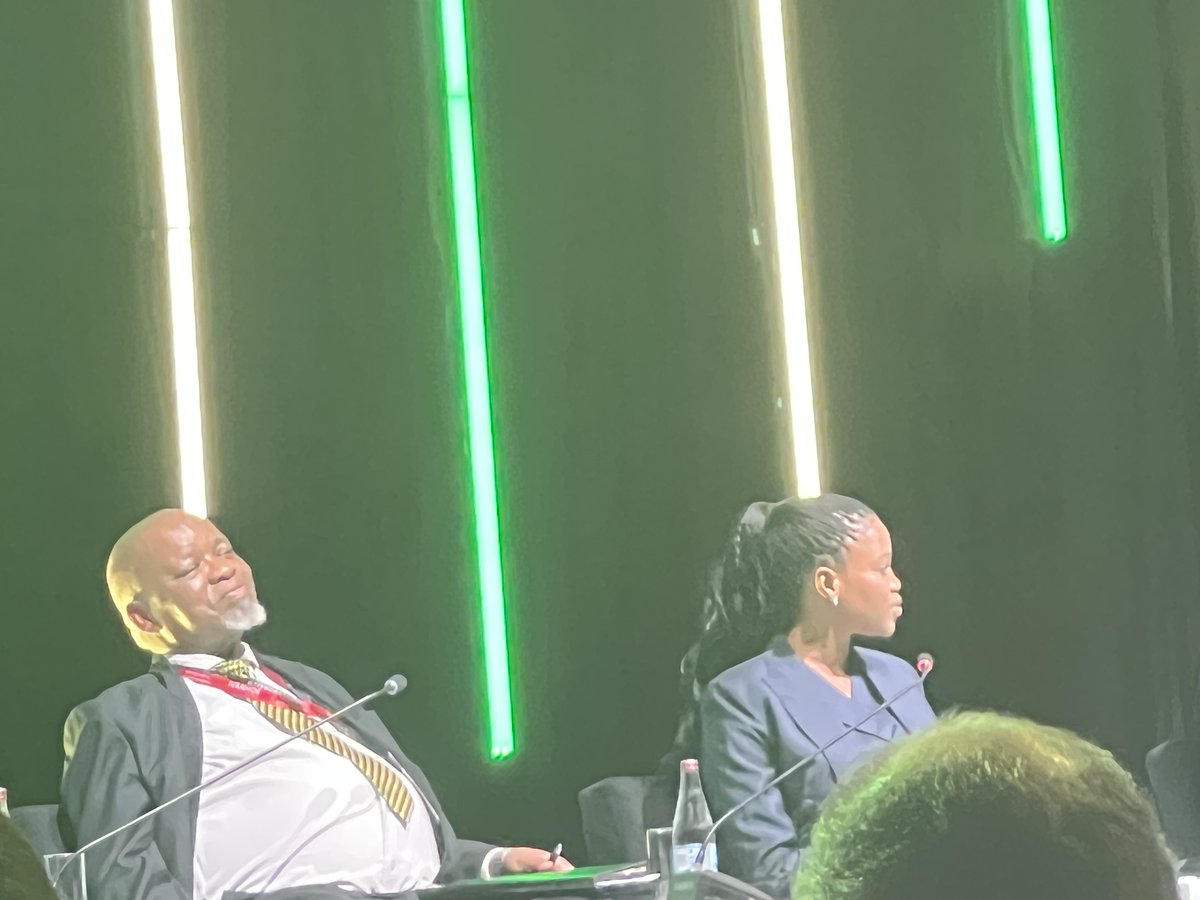
Speaking on the margins of @MiningIndaba and correcting her South African counterpart, @BogoloKenewendo reminded an audience that Botswana's ranking as a favored mining investment jurisdiction is not just in relation to other African countries, but relative to many others globally.
Minister Kenewendo was right. Botswana is well regarded for regulatory certainty, security of tenure and regard of other property rights. On the Investment Attractiveness Index by the Annual Frasers Institute Mining Survey of 2025, Botswana ranked 20th out of 82 jurisdictions and top in sub-Sahara- a near perfect 15-year record.
The question is what needs to be done for Botswana to maintain this trackrecord as some investors fear growing propensity towards resource nationalism, lack of transparency in licensing and inefficiency in issuing work permits for investors and their employees.
https://t.co/2jFfFg3cIR
@MboBW@BWGovernment@BGI_BW@MiningIndaba
🇧🇼BOTSWANA AMENDS MINING LAW & OPTS TO CEDE STATE EQUITY TO INDIVIDUAL CITIZENS⛏️⛏️
At independence Botswana’s traditional Chiefs were custodians of minerals. In 1967 they signed an MoU in which they relinquished their rights and ownership to the Republic. CHAPTER 66 02 MINERAL RIGHTS IN TRIBAL TERRITORIES.RTF The predominant principle being that successive governments would act as Trustee and manage the collective wealth to benefit all citizens.
Former President Mogae said; “This ensures that our citizens as a whole have a common stake and enjoy common benefits from our mineral revenue--.’ The State’s rights are captured in the Mineral Rights In Tribal Territories Act of 1967 which vested minerals in the State. Among others, the law presumes the Government will respect investor right to a fair return while benefitting citizens.
In 2024 under the BDP administration, Botswana’s Parliamentarians approved an amendment to the mining law including two significant provisions now effective from October 2025. Firstly, an increase of the State’s entitlement to equity in mining projects from 15% to 24%. Botswana - Enforces new 24 per cent local ownership rule for mines | UNCTAD
In a departure from the common stake principle, a second amendment provides that if the State chooses to forfeit equity, foreign investors must avail it to citizen entrepreneurs. The requirement lapses after 3 years. But the law does not specify conditions under which the Government opts out nor what happens in case of citizens being original investors. Equally unclear is why State and citizen equity are deemed mutual exclusive.
However, previously, the State forfeited equity on economically marginal deposits so as to improve project bankability, ensure meaningful return to investors by not sharing dividends while securing tax revenue, employment, and other spin-offs. Because through the amendment future governments can replaces the State with individuals as shareholders in mining companies, on equity matters, benefits that would accrue to all citizens would only be enjoyed by a few.
Admittedly, policies and laws have limitations and imply trade-offs. However, in managing natural resources, an underlying principle is State responsibility to citizens. In Botswana this requires adherence to the ‘spirit of the law’ of 1967 that granted the State custodianship. The Georgetown Law Journal describes the concept as, “the original function or purpose of the particular clauses and general structure of the text.”
Relinquishing equity is inconsistent with this, the Founding Fathers’ vision, and the Chiefs benevolence. It overlooks the fact that the Government enjoys carried interest as agent of citizens. Hence, it’s duty to protect national interests using legal powers and moral authority to impose demands on others. Entrepreneurs pursue personal ambition with no obligation to compensate other citizens nor capacity to represent them. Therefore, on balance, trade-offs far outweigh national gains, and the Government abandons its fiduciary responsibility. 😥👎😟
Look out for my views on the flaw of the argument citizen empowerment
@BWParliament@BotswanaWatch@NRGInstitute@GGA_org
@ZELA_Infor
#BotswanaChamberofMines
@spencermogapi@daddyhope@EverythingBW66@bocongoinfo