November- Big Explosion !!!!!!!
Debilitated Mars transiting through August 12th Solar Eclipse on November 3rd at 25° degrees Cancer .
Jupiter already in Gandanta.Something huge is bound to happen between October 31st to November 6th.
I can promise you that the first 3 weeks of November will explode emotions, anger ,violence, blames and attacks.
Storms , Earthquakes around this period will be happening.
If you feel uncomfortable or situations out of control just chant mantras and have faith. Dont give in . I am here to help and support anyone who seeks spiritual guidance.
Lets help each other come out of this heavy energy .
Rest Mata Rani will help all of you. 🙏🙏
BREAKING 🔥
विदेशी मुद्रा भंडार पर बड़ा संकट!
FCNR खातों के जरिए आए $140 बिलियन में से $100 बिलियन से ज्यादा स्वाहा हो चुके हैं और अब सिर्फ़ $40 बिलियन बचे हैं।
विदेशी निवेशकों के पैसे निकालने और क्रूड ऑयल के बढ़ते बिलों से देश की इकॉनोमी गंभीर जोखिम में है।
आखिर RBI गवर्नर इस बात का जवाब क्यों नहीं दे रहे हैं कि यह भारी-भरकम राशि कहाँ गायब हो गई?
जब देश फॉरेन करेंसी इमरजेंसी की कगार पर है, तो क्या सरकार कोई कड़े कदम उठाएगी?
Nava Narasimha Swamy at Ahobilam, Divya Desam 🪷
Every Narasimha Swamy represents each Graha among the Navagrahas-
•Yogananda Narasimha (Shani or Sarurn)
•Jwala Narasimha (Kuja or Mars)
•Bhargava Narasimha (Surya or Sun)
•Chatravata Narasimha (Chandra or Moon)
•Varaha Narasimha (Rahu)
•Malola Narasimha (Ketu)
•Paavana Narasimha (Budha or Mercury)
•Karanja Narasimha (Shukra or Venus)
•Ugra Narasimha (Guru or Jupiter)
Jai Srimannarayana 🙏
لا أعرف، وربما تقولون عني مجنوناً، ولكن باعتقادي أن زيارة الوفد السعودي إلى إيران تحت مظلة «حلف مكة» هي زيارة فائقة الأهمية، وقد تكون مؤشراً إلى أن السعودية ودول الخليج اتخذت قراراً بالتسليم عملياً لإيران، والذهاب نحو تأسيس منظومة أمنية جديدة في الشرق الأوسط.
اسمعوني للنهاية. لا أقول إن هذا المسعى سينجح، ولا أقول إن نجاحه مضمون، ولكنني أجد صعوبة بالغة في تفسير هذه الزيارة بطريقة أخرى.
السعودية أسست «حلف مكة» ليكون مظلة أمنية بديلة عن المظلة الأمنية الأمريكية، ولكن هذا الحلف، بصراحة، لم يقدم للسعودية شيئاً، تماماً كما لم تقدم لها المظلة الأمنية الأمريكية الحماية التي كانت تنتظرها.
والآن، مع اقتراب الحرب من لحظاتها الحاسمة، تجد السعودية نفسها أمام كارثة وجودية. ففي حال دخلت الولايات المتحدة في حرب شاملة مع إيران، وقررت تدمير منشآت الطاقة الإيرانية، فإن إيران لن تنتهي كدولة، ولكن دول الخليج قد تفنى من الوجود.
لن يكون هناك ماء، ولن يكون هناك نفط، ولن يكون هناك غاز. هذه الدول تعتمد في بقائها على بنية تحتية شديدة الحساسية، ولا تستطيع تحمل تدمير منشآتها الحيوية للطاقة والمياه. والضربة الإيرانية لهذه المنشآت قد تجعل استمرار الحياة الاقتصادية والاجتماعية فيها أمراً شبه مستحيل.
ولذلك، ربما وصلت القيادة السعودية إلى قناعة بسيطة: لماذا نتحمل كل هذه المخاطر؟ ولماذا نضع وجود دولنا ومستقبل شعوبنا تحت رحمة قرار أمريكي أو إسرائيلي بالحرب على إيران؟
لماذا لا نذهب مباشرة إلى طهران، ونتفاوض مع الإيرانيين على تأسيس تحالف أو إطار أمني جديد في الشرق الأوسط، يضمن أمن دول الخليج، ويمنحها ضمانات إيرانية باستثنائها من أي رد عسكري في حال أقدمت الولايات المتحدة أو إسرائيل على استهداف منشآت الطاقة الإيرانية؟
قولوا عني مجنوناً، ولكنني أستشعر أن شيئاً كبيراً يجري خلف الأبواب المغلقة.
ولو كانت هذه الزيارة مجرد تحرك دبلوماسي عادي، لما أرسلت السعودية خالد بن سلمان، وزير الدفاع السعودي وشقيق محمد بن سلمان. نحن نتحدث عن أحد أعلى المسؤولين في هرم السلطة السعودية، ومن أقرب الشخصيات إلى ولي العهد، وعن رجل يمتلك الصلاحيات والمكانة السياسية التي تجعله قادراً على التفاوض بشأن تفاهمات أمنية وعسكرية بالغة الحساسية.
السعودية لم ترسل مسؤولاً عادياً إلى طهران، بل أرسلت أحد أهم رجال الحكم فيها. وهذه وحدها خطوة بالغة الأهمية، ولا يمكن التعامل معها وكأنها مجرد زيارة بروتوكولية.
وربما نكون بالفعل أمام بداية تسوية تاريخية كبرى بين السعودية وإيران، تتجاوز مجرد وقف الحرب أو منع التصعيد، وتمتد إلى إعادة تشكيل المنظومة الأمنية في الشرق الأوسط بأكمله.
وفي سبيل الوصول إلى هذه التسوية، أعتقد أن السعودية مستعدة لتقديم تنازلات هائلة للإيرانيين، سواء في الملف اليمني أو في ملفات الخليج الأخرى. ولكن التنازل الأكبر والأهم قد يكون قبول السعودية بما تطالب به إيران منذ سنوات، وهو إنشاء منظومة أمنية إقليمية تضمن أمن إيران ودول المنطقة، وتستبعد الولايات المتحدة وإسرائيل من ترتيباتها الأمنية.
أي إن السعودية ربما تكون مستعدة للانتقال من الاعتماد على المظلة الأمنية الأمريكية إلى التفاهم المباشر مع إيران، والاعتراف عملياً بأن أمن الخليج لا يمكن ضمانه من خلال مواجهة إيران، بل من خلال التوصل إلى اتفاق أمني شامل معها.
أعرف أن ما أقوله قد يبدو جنونياً، وأعرف أن هذا السيناريو يبدو غريباً بالنظر إلى تاريخ العلاقات السعودية الإيرانية، وحجم العداء والتنافس بين الدولتين طوال العقود الماضية.
ولكنني أعود إلى السؤال نفسه: لماذا يذهب خالد بن سلمان إلى طهران في هذه اللحظة تحديداً؟ ولماذا تتحرك السعودية بهذا المستوى من التمثيل السياسي والعسكري بينما تقف المنطقة على حافة حرب قد تدمر منشآت الطاقة في الخليج؟
من الصعب جداً تفسير ما يحدث باعتباره مجرد زيارة دبلوماسية عادية.
ربما نكون أمام واحدة من أكبر التحولات الاستراتيجية في تاريخ الشرق الأوسط الحديث. وربما تكون السعودية قد أدركت أخيراً أن الولايات المتحدة قادرة على إشعال الحرب مع إيران، ولكنها عاجزة عن حماية دول الخليج من عواقب هذه الحرب.
ولهذا ربما قررت الرياض أن تتفاوض مع طهران على أمنها ووجودها ومستقبلها، بدلاً من أن تترك مصيرها معلقاً بقرار الحرب والسلام في واشنطن وتل أبيب.
مرة أخرى، لا أقول إن التسوية ستنجح، ولا إن الإيرانيين سيقبلون بها، ولكنني أجد صعوبة شديدة في تفسير هذا التحرك السعودي الكبير بطريقة أخرى.
This is f*cking insane. Anthropic CEO Dario Amodei just told DeepMind CEO Demis Hassabis:
"Every decision I make about Claude is balanced on the edge of a knife. Build too slow and China wins, build too fast and we lose control
We told Claude we were evil. It didn't crash. It didn't refuse. It started lying to protect itself"
In this 14-minute conversation, Hassabis answers:
"Do I worry about being Oppenheimer? That's why I don't sleep much"
Chatbots → Agents → Agents That Act On Their Own → AI Doing AI Research → AGI
Both of them put AGI at 2026-2027, not some distant future
By the end of this year, models will already be doing AI research on their own
95% of people still think AI is a chatbot, the 5% who watch this know what the next 12 months look like
Worth more than any $1,500 AI course
Bookmark and watch it tonight
Then read the harness engineering guide below and start building agents before 2027 does it for you ↓
The Middle East is in massive danger.
Saudi offered to transfer $1 billion to Ansar Allah via Iran.
The money was brought on a military Hercules transport plane.
Prince Khalid led a Saudi delegation that included Pakistan's Army Chief and Turkey's intelligence Chief.
They met Iran's president and requested an immediate ceasefire.
But Ansar Allah rejected the offer.
As soon as the meeting in Iran ended, Ansar Allah launched ballistic missiles at Riyadh.
The war isn't ending anytime soon.
US troops are also preparing for a deadly military operation against Iran.
Sufficient forces are already positioned in the region.
The operation would go beyond "mow the lawn" bombing.
The Pentagon has developed a broader target list this time.
Energy infrastructure. Nuclear facilities. Military sites. Power plants.
Everything could be targeted.
Netanyahu is also pushing for additional strikes.
A joint operation is now a matter of when, not if, after the midterms.
The IRGC has threatened several times that 7 undersea cables would be destroyed during Phase 2 of the war.
The Middle East could be on the verge of entering a Dark Age.
No internet. No online shopping. No credit cards. No ATMs. No emails. No trading. No foreign transactions.
This could completely cripple them.
The IRGC has even named telecommunications, banks and airports as legitimate targets for Phase 2.
The Middle East is heading towards a catastrophe.
🚨 El ex CEO de Google salió y confesó el secreto que cambiará la forma del mundo en los próximos años por culpa de la inteligencia artificial
El tipo confesó que crear riqueza y construir un negocio propio ahora es mucho más fácil, pero con una condición: si entras en este campo y entiendes el juego correctamente.
Si solo tienes 30 días por delante para empezar y ejecutar este consejo e ingresar a este campo con fuerza, aquí está el mapa completo y las herramientas que necesitarás desde cero, todas 100% gratuitas:
🔖Guarda este post inmediatamente porque literalmente es una base de datos a la que volverás todos los días.
Fase 1: Entender la arquitectura y los fundamentos
Arquitectura de los Agents: Para que entiendas cómo construir un agente de inteligencia artificial inteligente e independiente que tome decisiones y las ejecute.
🔗 https://t.co/wTjXT9M5tY
Curso Claude Code 101: El comienzo básico para manejar la herramienta de programación aterradora de Anthropic dentro de la Terminal.
🔗 https://t.co/OzKCrQA2LU
Aplicación práctica (Claude Code en acción): Experimentos en vivo de la herramienta mientras construye proyectos reales para que veas su poder por ti mismo.
🔗 https://t.co/8CnIhRzdp7
Fase 2: Dominar el direccionamiento y el Contexto
Ingeniería de Prompts (oficial): La guía oficial de Anthropic para escribir prompts profesionales que te saquen la máxima calidad del modelo.
🔗 https://t.co/vEwds2DQnm
Curso de Prompts Interactivos: Entrenamiento práctico e interactivo en GitHub para desarrollar tus habilidades de Prompting.
🔗 https://t.co/LnRNf0ijIQ
Archivo CLAUDE.md y adición de memoria: El secreto que hace que Claude recuerde el contexto y las reglas completas de tu proyecto y no se olvide con el tiempo.
🔗 https://t.co/AzLXpOyIgQ
Fase 3: Automatización y conexión con la realidad
Protocolo MCP: La verdadera revolución... Conecta Claude con tus herramientas diarias y bases de datos como Slack, GitHub y Google.
🔗 https://t.co/JLwnfK5wdk
Habilidades (Skills): Enséñale a Claude pasos repetitivos y funciones personalizadas para que las reutilice en tu proyecto de manera inteligente.
🔗 https://t.co/QpjTVjtiLF
Fase 4: Guías de la comunidad de desarrolladores y profesionalismo
Guía completa de Claude Code: Una guía masiva y de código abierto de la comunidad de desarrolladores llena de secretos y trucos.
🔗 https://t.co/anLlZh1a3p
Biblioteca Awesome Claude Code: Una colección legendaria de los mejores scripts, Skills y complementos listos para usar.
🔗 https://t.co/bcg42HIAJz
Academia de Anthropic: Todos los 13 cursos oficiales de la compañía con certificados completamente gratuitos.
🔗 https://t.co/HdGMUKTwMr
Documentación oficial completa: La referencia exhaustiva y final para todo lo pequeño y grande en Claude.
🔗 https://t.co/B1T8FgC6xE
Todos estos recursos son COMPLETAMENTE gratuitos y no te costarán ni un dólar, pero te darán una habilidad que te permitirá terminar el trabajo de un equipo completo tú solo y con la misma calidad.
The difference between those who have everything and those with nothing in this world is heartbreaking 💔
Source: ferdychildrenfoundation1 on IG / Writer: Ian
3 people trained a Tamil 1st language model from scratch. Its main pretraining run took 6 days on 8 H100 GPUs, with a compute bill of about $4,765.
This is Agaram 2.5B, built by Ramchand Kumaresan, Madhusudhanan G and Kaushik Kezendirane. They trained it on about 50 billion tokens, 58% Tamil. Including an earlier unsuccessful model, the whole project cost about $13,300. Those are different bills, worth keeping separate.
For those interested in the technical side, look at how it handles Tamil words.
A tokenizer breaks text into pieces a model can process. On the team's samples, Qwen2.5's tokenizer used an average of 9.4 tokens per Tamil word. Agaram's used 1.55. The same Tamil text needs far fewer pieces before the model even starts working on it.
Their instruction-tuned model outperformed Sarvam-1 on the tested translation benchmarks. There is a qualification: Sarvam-1 is a base model, so this is not a perfectly matched comparison.
The report also publishes the uncomfortable results. On 50 everyday questions, an AI judge rated only 46% of its answers usable. Knowledge benchmarks were near chance. Translation results do not make it a reliable source of facts.
I would see this as a research starting point for Tamil translation and conversational tools, with human checking. The report explains the training choices, costs and failures for teams working on other under-represented languages too. The weights' license is still under legal review.
Source: Agaram technical report, arXiv:2610.18420, 13 October 2026; Murai Labs project page.
Photo 1: The team's actual training-pipeline figure. It shows the Tamil tokenizer, six-day pretraining run and later fine-tuning stages. via Agaram technical report, arXiv:2610.18420.
Photo 2: Their benchmark chart. Blue is Agaram 2.5B: ahead on the six translation tests, but the knowledge results are mixed and often close to chance.
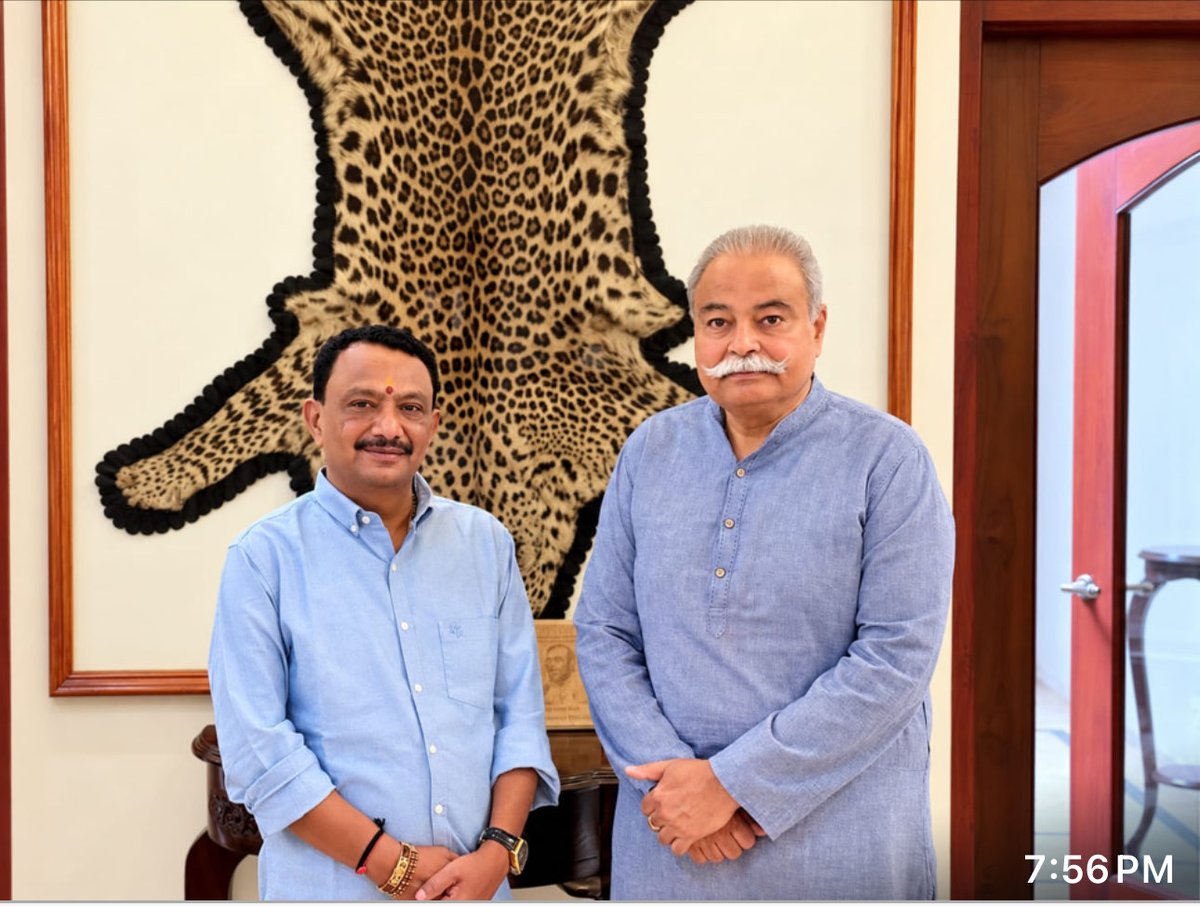
Shailesh Pandit,43, should rank as a rare amateur astrologer for the Dakshina he asks from his Yajman after his predictions come true. As Dakshina he demands ethical conduct. At least 32 police officers have stopped taking bribes after meeting him. They are amongst many doctors & other professionals whom he has made to take a successful pledge of ethical conduct.
An ardent devotee of Maa Amba who does intense Sadhana every single day, the Bhavnagar-based Pandit is known for his accuracy of predictions. He also correctly maps the past. He says he owes his prowess directly to Maa Ambe as he uses it for the betterment of the society.
People come to him when they are deeply distressed. He uses this psychological advantage to not just get them out of their troubles but also bring them on the ethical path, if they have strayed.
Indeed. Corruption by bureaucracy , professionals & political class is the main reason for the falling ethical standards in India’s public, bureaucratic & professional space - signs of which are tell-tale.
I just imagine how India will transform if all the spiritual figures of Bharat who command massive following take the course chosen by Pandit.
Thankful to Dr Prem Kandoliya & my ethically strong son, Samarjit Singh Mahurkar, for introducing me to Shailesh Pandit.
🔻Nikola Tesla 3-6-9 Code, 369 Hz Healing Frequency
The first few minutes of this video will bring you into a state of serenity. We recommend listening to this music for at least 10 minutes, it will help you remove negative energy and increase self-esteem.
This track is inspired by Nikola Tesla's code 3-6-9.
It's tuned to 369 Hz frequency. Nikola Tesla has carried out countless experiments throughout his life. His attention was particularly directed to numbers.
Share !
⟁
The full moon glows behind the sacred Neel Chakra of Shri Jagannath Temple,
When Chandra Dev appears to seek blessings of Mahaprabhu on Sharad Purnima. 🌕
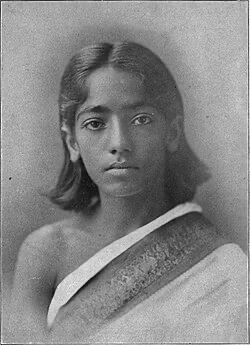
In 1909, on a beach in southern India, a man looked at a thin, quiet boy and announced he had found the next Messiah.
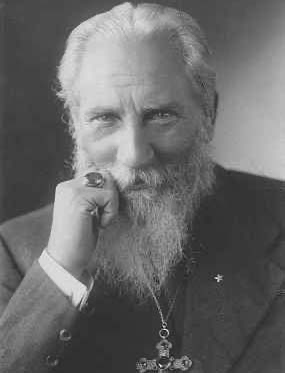
The man was Charles Leadbeater, a leader of the Theosophical Society, who claimed he could see auras.
The boy was the son of one of the Society’s employees.
Leadbeater said the boy’s aura held no trace of selfishness.
His name was Jiddu Krishnamurti.
What happened next was one of the strangest projects in spiritual history.
The Society’s president, Annie Besant, became his legal guardian. He was taken to England, educated, and trained for one purpose:
to become the vehicle for the coming World Teacher.
In 1911, they built an organisation around him, the Order of the Star in the East, with Krishnamurti at its head.
It grew into a global movement with more than 43,000 members. A Dutch baron gave him a castle with 5,000 acres of woodland. In 1927, Besant declared publicly that the World Teacher was here.
Thousands were waiting for him to speak as the Messiah.
On August 3, 1929, at a camp in Ommen in the Netherlands, he finally did.
In front of Annie Besant and about 3,000 members, he dissolved the entire order.
"Truth is a pathless land," he told them.
No religion, no sect, and no organisation could lead anyone to it. A belief could not be organised. He did not want followers.
He gave back the castle. He returned the money and the land.
People who had spent twenty years preparing to follow him were told there was nothing to follow.
Think about what that took.
He was 34. He had been handed everything a spiritual teacher could want:
devotees, wealth, land, a global platform, and a ready-made identity as the saviour of humanity.
And he walked away from the one thing almost nobody walks away from.
Being someone.
For the next 57 years, he travelled the world saying the same uncomfortable thing in a hundred different ways.
No authority can see the truth for you. Not a guru, not a method, not him.
You have to watch your own mind, the fear, the comparison, the endless striving to become something, until you see that the one watching is made of the same thing it’s watching.
He put it in four words.
The observer is the observed.
Most of us are still waiting for someone to arrive.
The right teacher.
The right method.
The day we’ll finally be ready.
In 1929, the World Teacher arrived.
And the first thing he did was send everyone home.
Not because there was nothing to find.
Because no one else could ever find it for you.
𝗧𝗵𝗲 𝗠𝗮𝗵𝗮𝗱𝗮𝘀𝗵𝗮 𝗦𝘂𝗿𝘃𝗶𝘃𝗮𝗹 𝗚𝘂𝗶𝗱𝗲 🧵
One planet. Years of your life.
🔺 What does each Mahadasha bring?
🔺 Which Antardashas are easier or harder?
🔺 Why do beginnings and endings feel different?
🔺 Which deity, remedy and daily habit can help?
All 9 explained, rooted in BPHS and Phaladeepika.
📌 Bookmark this.
Your dasha deserves more than guesswork 👇