⚽️ 𝑰𝒕𝒔 𝑮𝒂𝒎𝒆 𝑫𝒂𝒚 ⚽️
Gs are on the road today as we make the short journey to @fc_abbeyrangers. Kick off 3pm. Their teabar and clubhouse will be open. See you there! COYGs
@CoveFC_Official@Malikshittu18 Really pleased for you Mo. Hope you and Cove have a successful season going forward. Always here for any support you need.
Unfortunately football doesn’t play out how you expect sometimes🤷♂️ Many thanks to the supporters and players at Godalming Town for their support.
Ready for a new chapter ⚽️ RTs appreciated 💛
One night of drinking cuts REM sleep, dehydrates you, slows glycogen refill, and cuts muscle protein synthesis 37 percent. The 72 hour timeline and the fixes. https://t.co/kWh4ZSvbaw
A single night of sleep deprivation is enough to impair muscle protein synthesis. (I’m a terrible sleeper, so I share this with some dismay.)
In a randomized crossover study of healthy young adults, one night of total sleep deprivation reduced postprandial skeletal muscle protein synthesis by 18% the following day (and lowered testosterone by 24%).
Unfortunately, this means a single bad night is therefore enough to create meaningful anabolic resistance. This immediate and acute drop in muscle protein synthesis helps explain why chronic sleep loss is linked to reduced muscle mass.
https://t.co/KLpJmG3x4t
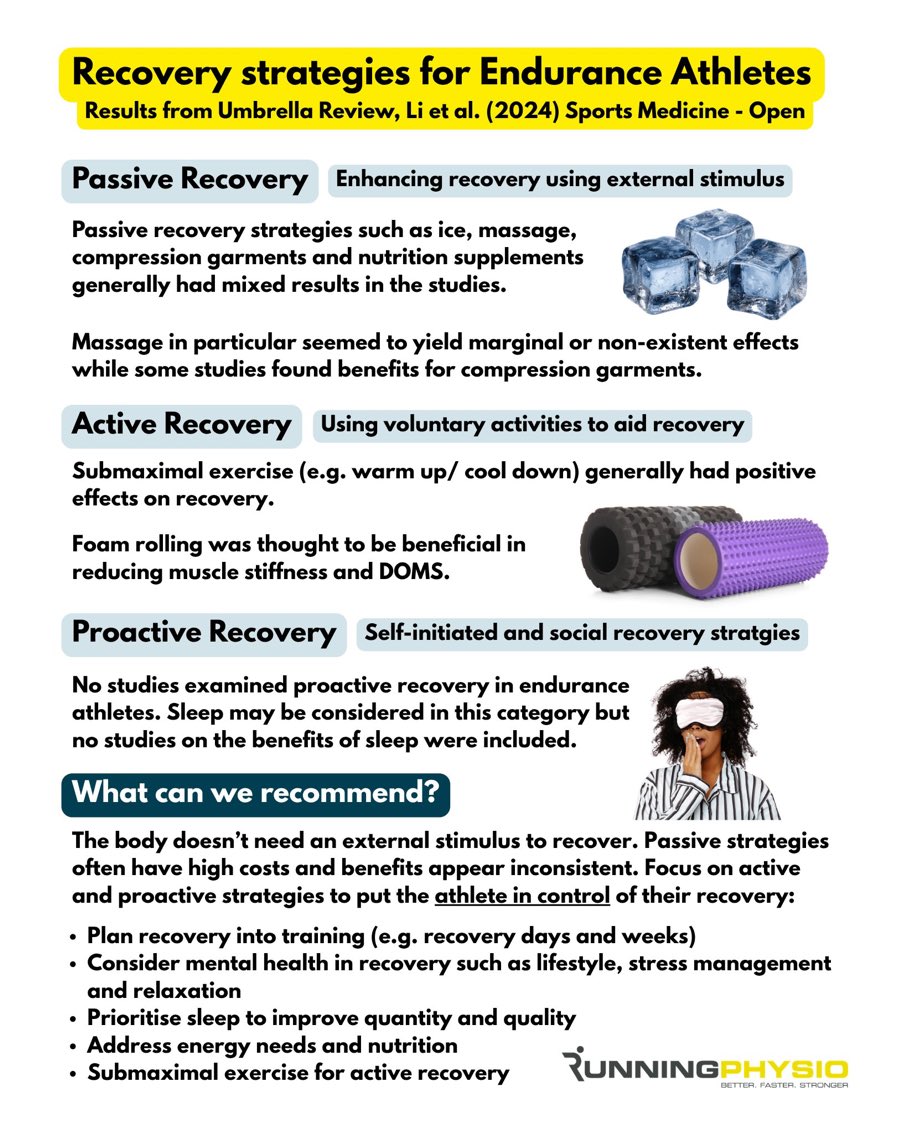
Athletes use ice baths after training, but there's been concern that cooling might block the stress signals muscle needs to adapt. A new study tested whether cold water actually interferes with the molecular pathways driving strength gains.
The concern comes from understanding how muscle adapts to training. Resistance exercise creates oxidative stress, reactive molecules that activate genes controlling mitochondrial growth and metabolic function. Cold water immersion changes blood flow, oxygen delivery, and tissue temperature. If those changes suppress oxidative signaling, they could block the adaptations you're training for.
Researchers tested this with two connected studies. First, nine men completed resistance workouts followed by either 10 minutes of cold water immersion at 10°C or 10 minutes of light cycling. Blood and muscle samples were collected before exercise and up to 48 hours after to measure oxidative stress markers and gene expression.
Second, 21 men trained twice weekly for 3 months with lower-body resistance exercise. Half used cold water immersion after every session. The other half used active recovery. Muscle biopsies before and after training measured mitochondrial enzyme activity, protein markers of mitochondrial biogenesis, and oxidative capacity using near-infrared spectroscopy.
Key findings from the acute study:
• Blood markers of oxidative stress increased after exercise in both groups
• F2-isoprostanes, a lipid damage marker, were lower 1-2 hours post-exercise in the cold water group
• Glutathione peroxidase, an antioxidant enzyme, was higher 2 hours post-exercise in the cold water group
• Expression of redox-regulated genes (NRF2, HMOX1, GCLM, TP53) increased after exercise with no difference between cold water and active recovery
Key findings from the 3-month training study:
• Citrate synthase activity increased similarly in both groups
• Mitochondrial complex I and IV activity increased in both groups
• p-AMPK protein, a regulator of mitochondrial biogenesis, increased in both groups
• Muscle oxygen consumption during 50 maximal contractions increased 43% in the cold water group but didn't change in the active recovery group
• Oxygen desaturation during isometric contractions slowed in the cold water group, indicating improved oxygen delivery
Think of the genes measured here as your body's cleanup and repair crew. When exercise creates oxidative stress, these genes turn on to protect cells and build defenses. NRF2 activates your antioxidant system. HMOX1 shields cells from damage. GCLM produces glutathione, one of your body's main protective molecules. TP53 helps cells survive stress. All of these activated equally after exercise, whether you used cold water or not.
Mitochondria are the power plants inside muscle cells. The enzymes measured here, Complex I and IV, are part of the machinery that converts fuel into usable energy. Both groups increased these enzymes after 3 months of training, which means cold water didn't block the adaptations that improve your ability to produce energy.
The oxygen findings tell a different story. Researchers used near-infrared light to watch how working muscle consumes oxygen during repeated contractions. Think of it like measuring fuel efficiency during sustained effort. The cold water group used 43% more oxygen during 50 maximal contractions after training. More oxygen consumption means muscle is generating energy through aerobic pathways instead of the glycolytic pathway that produces lactate and causes that burning fatigue sensation.
The cold water group showed greater oxygen consumption and slower desaturation during contractions after training. This suggests enhanced oxygen delivery through increased capillary density or improved matching of oxygen supply to demand during work. The correlation between mitochondrial complex adaptations and oxygen handling supports this interpretation.
What this means practically: the ability to maintain oxygen consumption during repeated high-intensity contractions determines how long you can sustain work before fatigue forces you to stop. Sports that require repeated explosive efforts, sprints within endurance events, or final accelerations in races all depend on this capacity.
If cold water immersion improves the muscle's ability to use oxygen during sustained effort, it could benefit performance in contexts where recovery between training sessions matters less than the quality of adaptations over time. The 43% improvement in oxygen consumption during repeated contractions represents a substantial enhancement in the muscle's ability to generate power aerobically.
This also reframes the recovery versus adaptation debate. The concern has been that anything reducing acute inflammation or metabolic stress might blunt long-term gains.
These data suggest the opposite may be true in some domains. Cold water reduced some markers of acute damage but enhanced the chronic adaptations that determine fatigue resistance during repeated work.
The limitation is that the cold water protocol used here, 10 minutes at 10°C, represents one specific dose. Different temperatures, durations, or timing relative to exercise might produce different effects.
The study also included only men, and metabolic responses to cold exposure can differ between sexes.
This study suggests something counterintuitive. The prevailing theory has been that cold water immersion blunts training adaptations by suppressing the inflammatory and metabolic stress signals that trigger muscle growth. These data point in the opposite direction.
The acute oxidative stress responses and redox-regulated gene expression were equivalent between recovery methods. The chronic mitochondrial enzyme adaptations were also equivalent. Cold water didn't interfere with the molecular signals that drive adaptation. If anything, it enhanced muscle oxidative capacity during repeated contractions.
This is one study with 21 participants and a specific cold water protocol. The findings need replication across different populations, training protocols, and cooling methods. But the implications are interesting because they challenge the assumption that reducing acute damage necessarily compromises long-term adaptations.
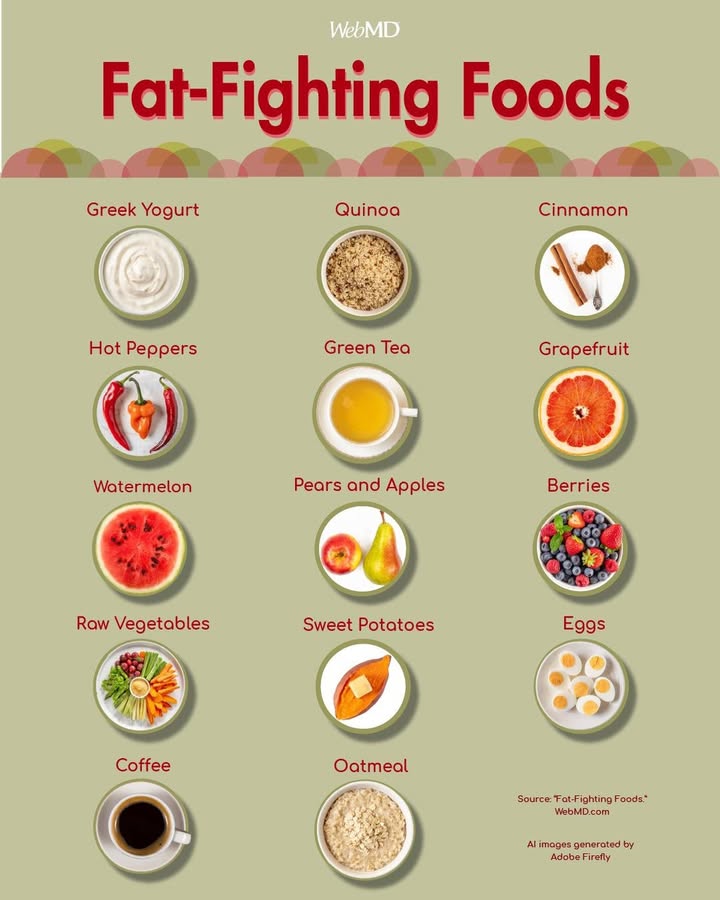
One egg has only 75 calories, plus 7 grams of protein along with other vital nutrients. Remember, your body will burn more calories digesting eggs than a carb-heavy breakfast. And the good news is that eggs are no longer on the "no-list" for people concerned about high cholesterol. It's saturated fat not dietary cholesterol we need to be wary of. Click on the link to read in details about other fat-fighting foods along with surprising facts about how they may work. https://t.co/C85eEAsDYr