In this @PurduePhysAstro SMAP lesson students use relative and absolute magnitudes of #Type1a supernovae to calculate cosmic distances. How far away IS the night sky? Our students find out for themselves in this far out interactive lesson!
https://t.co/ENE5L11KJV
Vera Rubin LSST Techs and Specs
What goes into the making of the biggest astronomical camera ever built? Get the inside story of the history and capabilities right here from Purdue Physics and Astronomy's own Professor John R. Peterson.
https://t.co/72Avmzowns via @YouTube
From Out of the Past at Yerkes
The incredible journey of 100 year-old astronomy plates from the attic of the physics building. We trek to iconic Yerkes Observatory in Williams Bay to take them home. @PurdueAlumni@LifeAtPurdue@PurdueScience
https://t.co/jL3pghXD22 via @YouTube
Purdue @PhysAstroK12 Force & Energy Show = fast paced physics fun. We did it again! 🎉 We did it again! Explosive demos, student volunteers, and science that wows. Check us out! 🧲🌀#STEM#PurduePhysics#ScienceShow
Some regions on Mars are almost crater-free; others are practically crater. Why? This lesson provides insight into what planetary scientists can learn about the ages of planetary terrains by analyzing crater patterns.
https://t.co/xvv2UsUlCu From @PhysAstroK12
Chemistry in Space - Where's the Water?
Did you know that Earth's water is older than the sun? How do we know? With @PurduePhysAstro Professor Merel van 't Hoff, SMAP students weigh spectroscopic evidence for the formation and origin of Earth's water.
https://t.co/JZfH5AN8GE
Measuring the speed of light the SMAP way from @PurduePhysAstro. Discover the secrets for optimal results. Thanks to PhysAstro grad student Jonathan Sullivan-Wood for directing. Follow Saturday Morning Astro at Purdue for more lessons and subscribe https://t.co/x6S5mOQGkV.
Where did Earth's water come from? Asteroids? Or was water actually incorporated into the early stages of formation? SMAP students will examine the spectra of circumstellar disks for water and draw their own conclusions. @PurduePhysAstro Prof. Merel van 't Hoff presents.
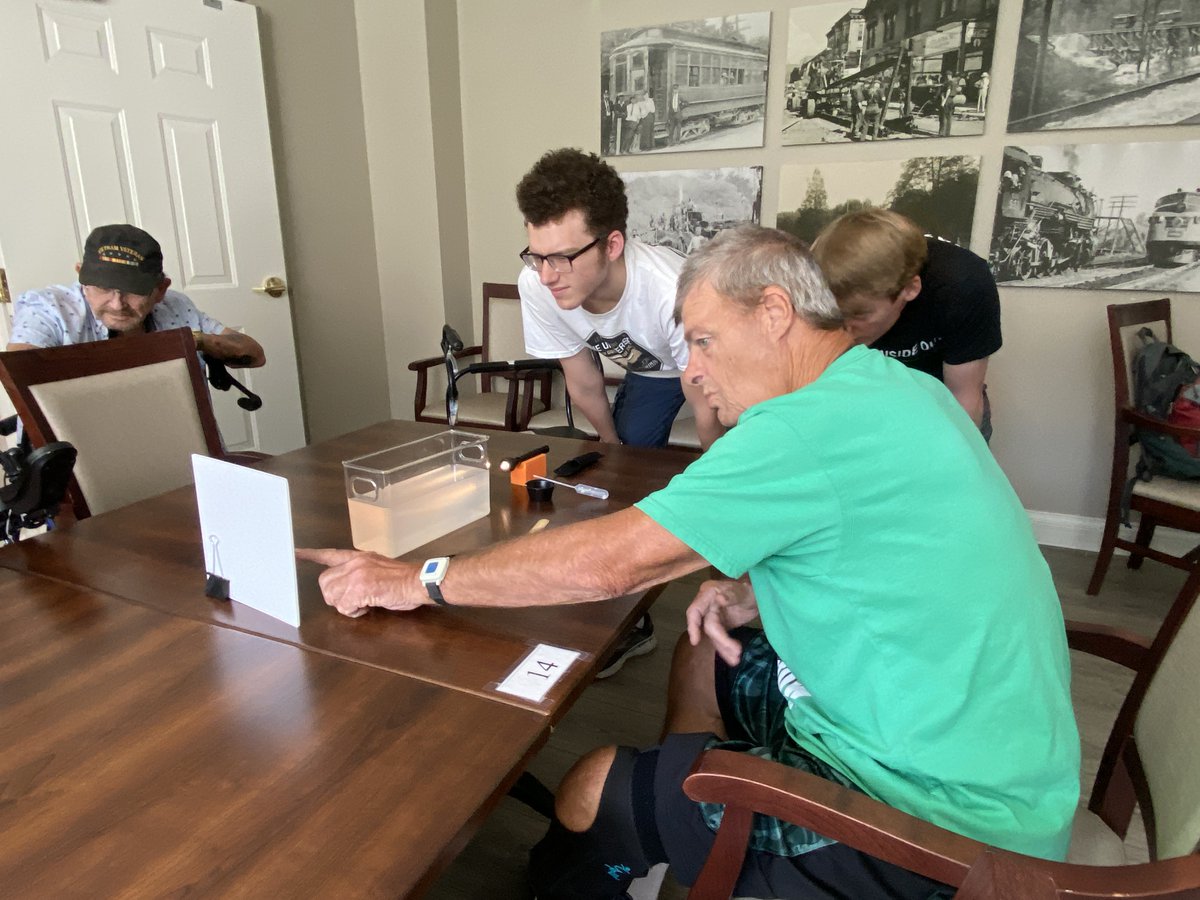
Purdue Physics and Astronomy Outreach engaged local seniors with The Sun in Lore and Science. Residents learned about ancient cultural interpretations of the Sun and how differences in light emitted by stars gives clues on the chemical nature of their cores. Thanks to PAC!
The analysis of crater impacts on Mars and other terrestrial planets and moons can reveal a lot about the terrain's geology and history. In our latest SMAP, grad student Mariana Aquilar shows how; https://t.co/U1fUzAmd1g. SMAP is free for students in grades 8-12 worldwide!
In Jurassic Park, Dr. Malcolm proposed "Life finds a way." If there are as many exoplanets as stars, some surely habitable, is intelligent contact limited only by distance? In the context of Frank Drake's legacy, SMAP students explored the question.
https://t.co/WGtDJbXKn5
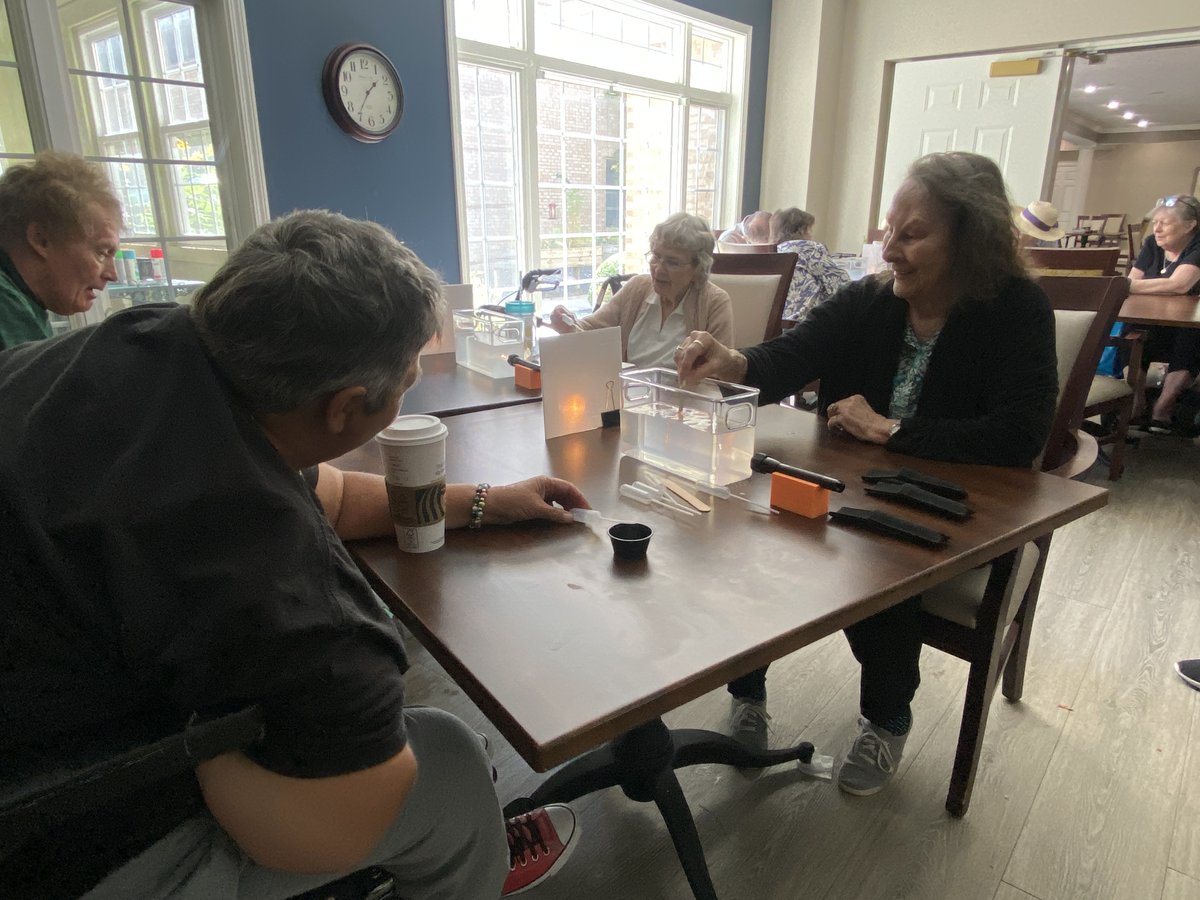
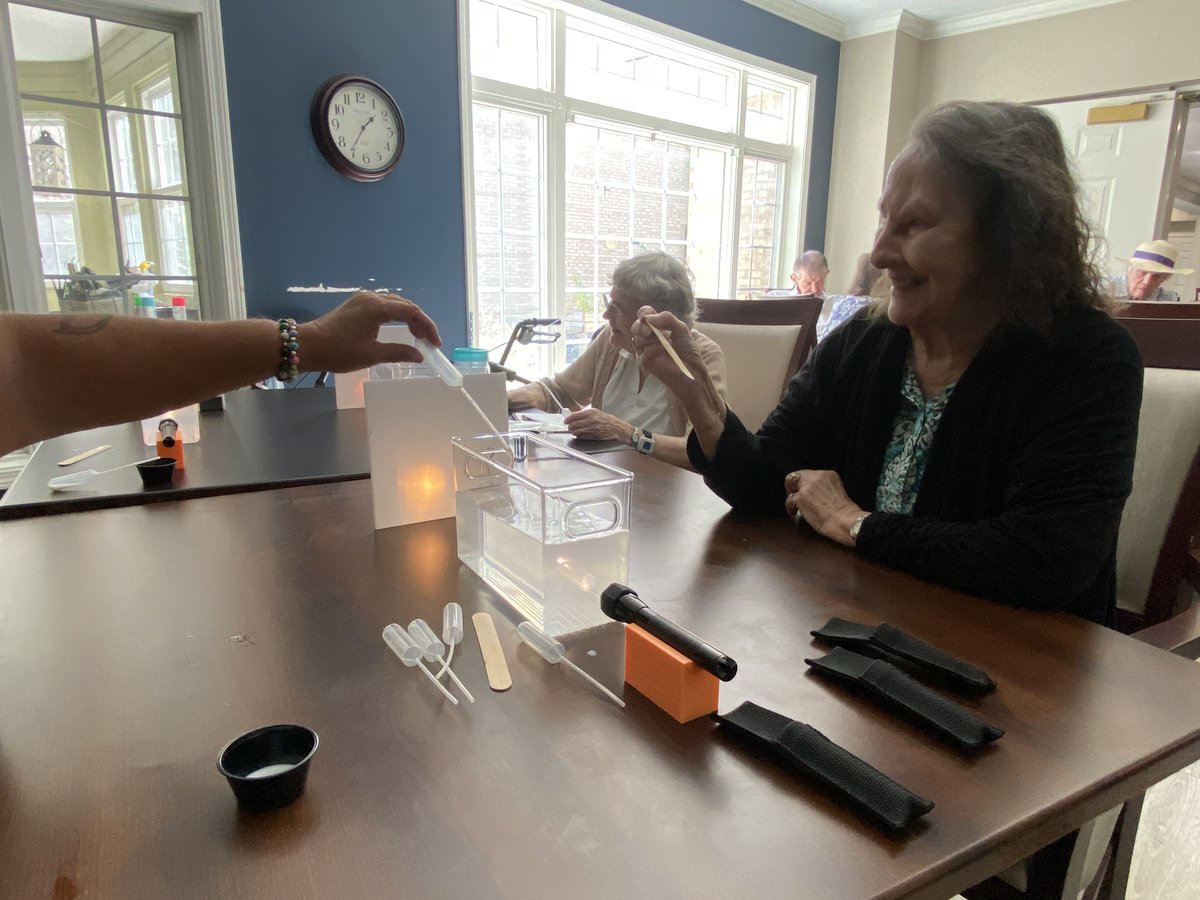
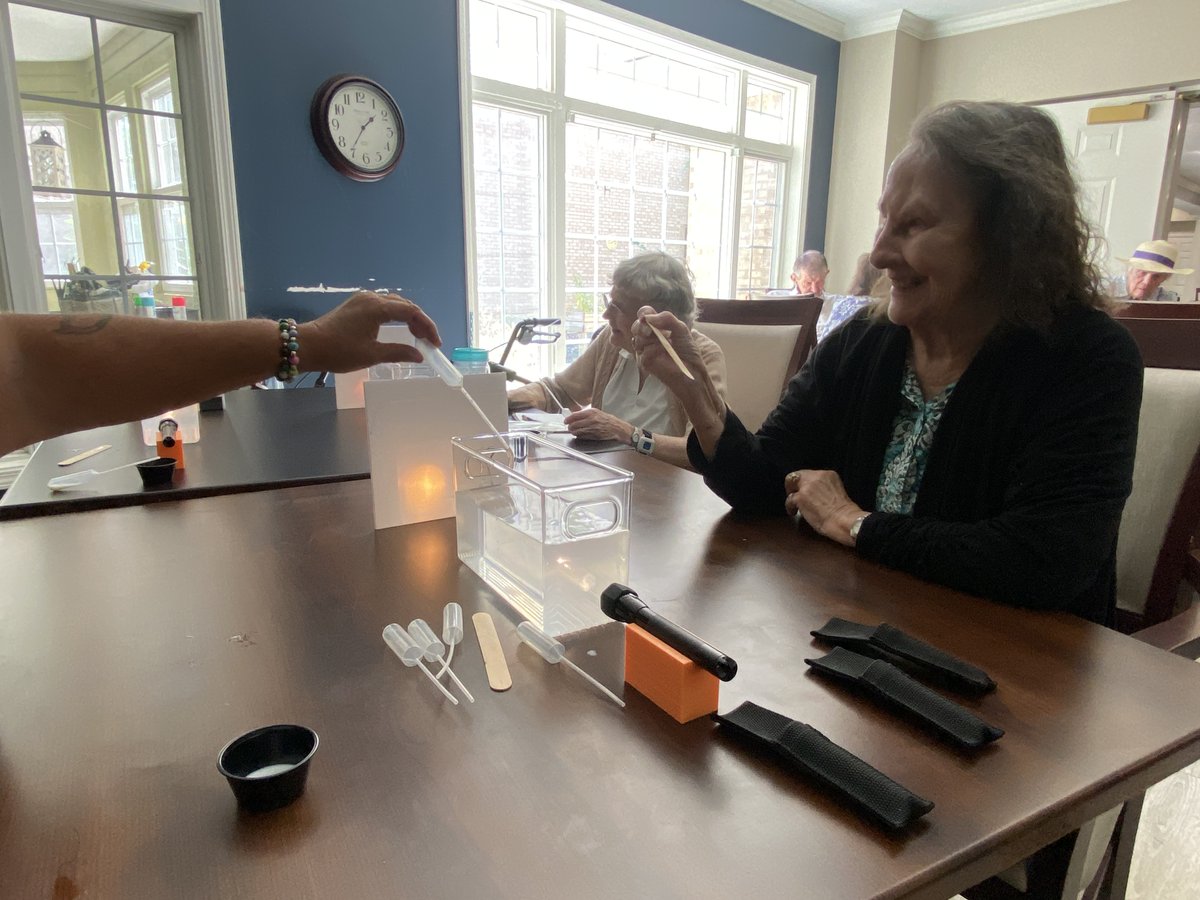
ICYMI @PhysAstroK12 took WL Assisted Living by storm with Blue Skies and Red Sunsets. Residents learned about scattering and transmission of different wavelengths of light in the Earth's atmosphere. Round 2 coming up!
Saturday Morning Astro at Purdue is primed and ready for tomorrow's super cool lesson, Crater Impact Analysis: How Planets Show Their Age. SMAP is monthly on Zoom, it's free and open to students in grades 8-12. Check out past events! https://t.co/ZGg52xBVZW
@PurduePhysAstro and @PurdueAstroClub took West Lafayette Assisted Living by storm with our interactive presentation of #BlueSkies and #RedSunsets. Residents learned about scattering and transmission of wavelengths of light in Earth's atmosphere. @PhysAstroK12 rocks.
The Great Filter - Does Life Find a Way?
SMAP Live with @PurduePhysAstro grad researcher Anirudh Kumar and The Great Filter. Evolution and extinction, life and survival, chance or fate. Does life always find a way? Think for yourself!
https://t.co/02zktCwn4Z via @YouTube
Eat your astronomy project? SMAP students used OREOs for the moon to explore phases. Thanks to Jonathan Sullivan-Wood for his engaging interpretation and to our @PurduePhysAstro volunteer TAs who ran the show. Grade 8-12 students can register for SMAP https://t.co/AqYftwQAxX.
Could there be a scientists hiding inside you? Interested in big data projects? Could you even be a budding amateur astronomer? Our recent SMAP Zoom may come to your rescue. Take a look as @PurduePhysAstro Professor Jeff Gerber leads the way. https://t.co/Gpd8Ya88Pm