Measuring sedentary and active behaviours in university students: The validity and practicability of the Italian version of the Simple physical activity questionnaire https://t.co/prRa2sZN4C
What makes a meta-analysis believable?
In our latest issue, a new Viewpoint outlines how to identify meta-analyses that merit clinical confidence.
Explore the full issue: https://t.co/ms0qkr6Fr3
🕛 Hourly movement breaks feasible and effective for mitigating sedentary harms
🚶 Boost mood, lessen fatigue, and don't undermine work performance
✅ Potential for public health strategy and inclusion in existing guidelines
🔗 Read now https://t.co/aiyqt4Xwf0
👀📑 Check out our new article: Tuccella et al. evaluate the impact of home-based adapted physical activity intervention on adult women with fibromyalgia syndrome (FS).
🔗Read more at: https://t.co/ku8nf3uwKm
#Exercise#Fitness#Fibromyalgia#OpenAccess#MDPI
🚨 Sit-to-stand test emerges as a powerful prognostic factor of future health outcomes 📈
Different versions, measurement properties and future perspectives 🤔
NEW #BJSMEditorial 📄
Link ➡️ https://t.co/TSvKARHmvF
🔥📑 Feature article: "Relationship Between Training Frequency and Training Session Duration on Vitality in Recreational Runners: A Cross-Sectional Study" by Varela-Sanz et al.!
🔗Read more at: https://t.co/PWl0cQRFgN
#Exercise#Running#Wellbeing#OpenAccess#MDPI
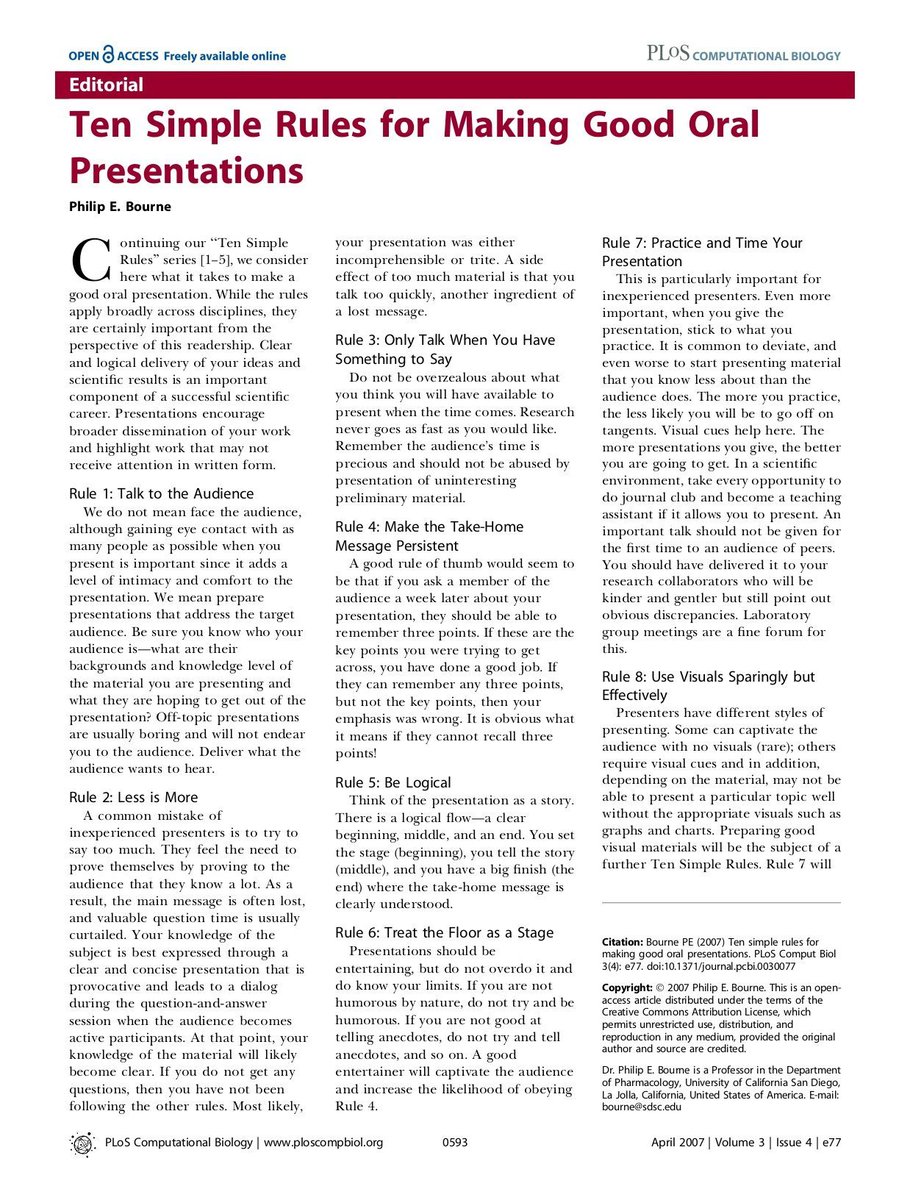
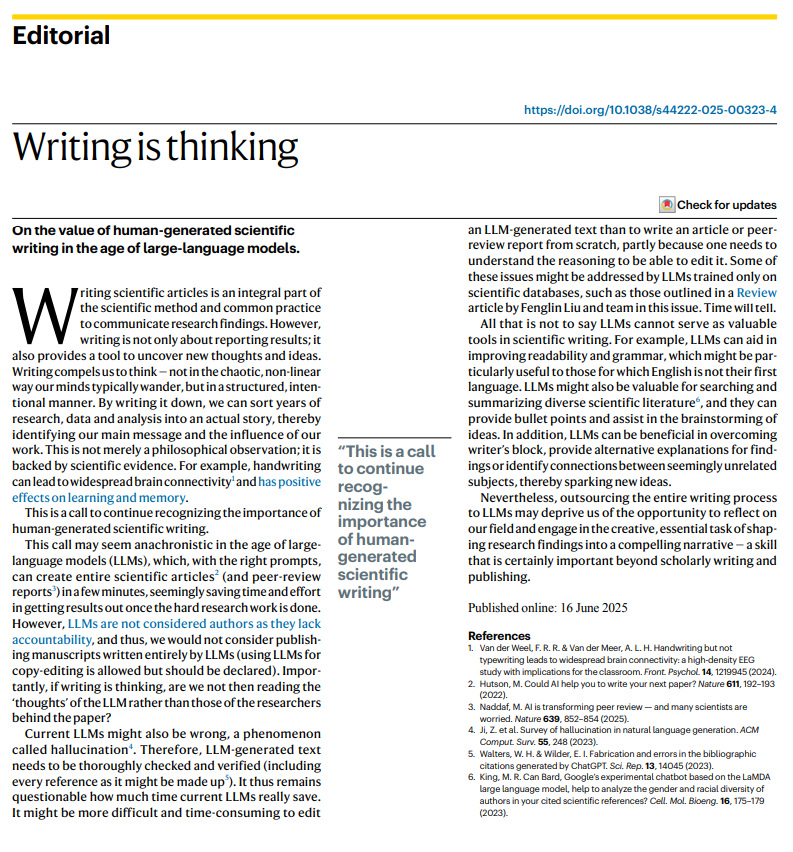
Escribir bien no consiste en sonar más complicado, sino en ser más claro. Palabras simples, frases limpias, poda sin piedad y mucha reescritura. Casi nadie escribe bien a la primera.
The Economist: una de las mejores lecciones para escribir mejor: piensa en el lector, no en ti. Gran parte de la mala escritura nace de la “maldición del conocimiento”: asumir que los demás entienden lo que tú ya sabes. Claridad es también empatía.
https://t.co/OYpKsl3uv7
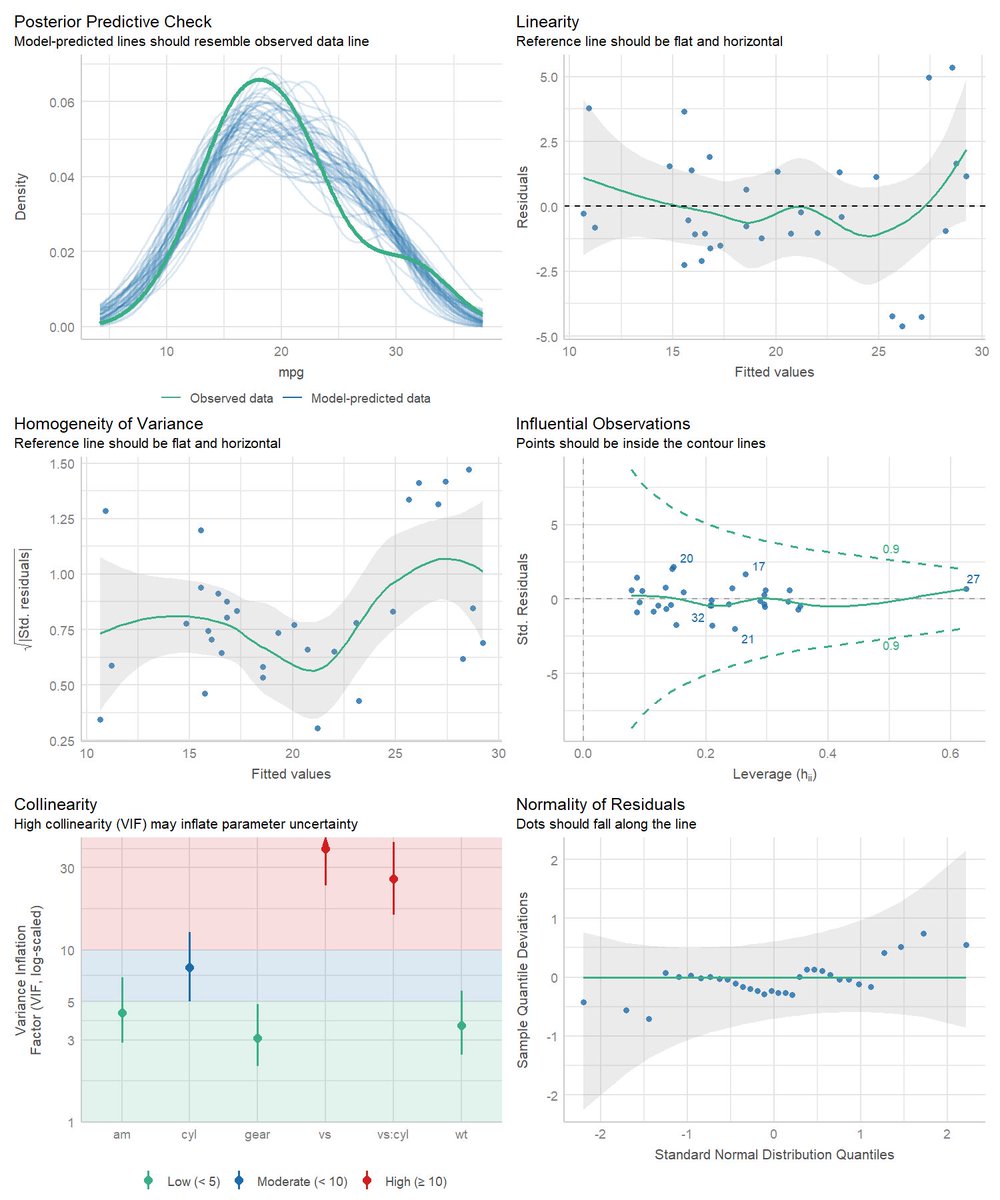
Evaluar un modelo de regresión es una parte clave del análisis. Un modelo puede parecer “bueno” a simple vista, pero sin una evaluación rigurosa es fácil caer en conclusiones engañosas.
Ahora, para evaluar un modelo necesitas múltiples perspectivas y preguntas distintas👇🧵
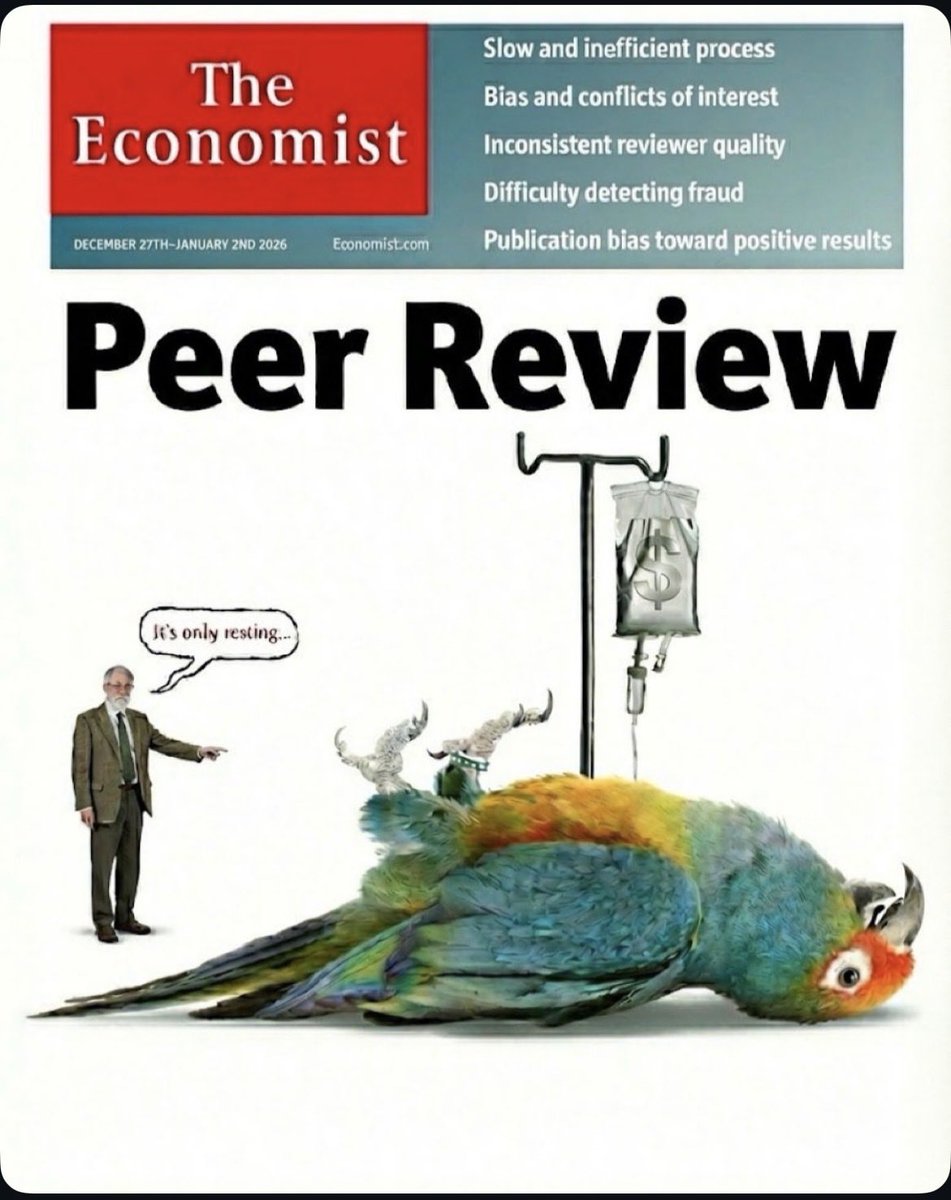
For decades, peer review has been treated as the gold standard of scientific validation.
Yet many scientists know the reality: the system is far from perfect. Peer review is broken and sometimes even corrupted.
The process can be slow, inconsistent, and vulnerable to bias. Reviewers are sometimes asked to judge work outside their true expertise. In other cases, they may be evaluating ideas that challenge the very paradigm in which they were trained. And occasionally, reviewers are simply competitors.
Ironically, the most prestigious journals can also be the most conservative. Truly new ideas are often met with skepticism, while safer work that fits the current narrative moves more easily through the system.
Increasingly, papers are judged less by the originality of the idea and more by the volume of data, the sophistication of statistics, and the beauty of the figures. Science risks becoming data-rich but idea-poor.
But there is an important reality to remember: journals do not ultimately decide the impact of scientific work. Impact is decided later, by the community. By the scientists who read it, test it, debate it, and cite it.
In the end, citations and ideas determine the legacy of a paper, not the impact factor of the journal that first published it.
Science has always advanced by questioning assumptions. Perhaps it is time we also question the system that filters scientific ideas.
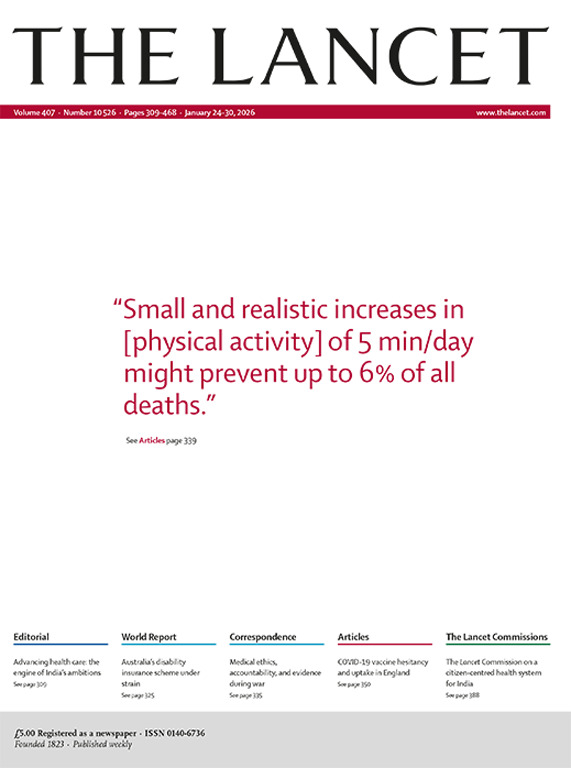
Can small changes in physical activity make a major difference?
On the cover, a meta-analysis suggests that 5 extra minutes of moderate physical activity a day is associated with a reduction of up to 6% of all deaths in the least active adults.
Read this & more 👉 https://t.co/CjW7g8x8JG
Why is it important to be stupid in research?
5 key points from this article.
1. Doing good research is very hard
2. Research is much harder than courses
3. Research is mostly uncertain, no surety
4. Being stupid means, you are actually trying
5. Being stupid leads to big discoveries
Effectiveness of exercise for improving cognition, memory and executive function: a systematic umbrella review and meta-meta-analysis https://t.co/FP48rT93Tl
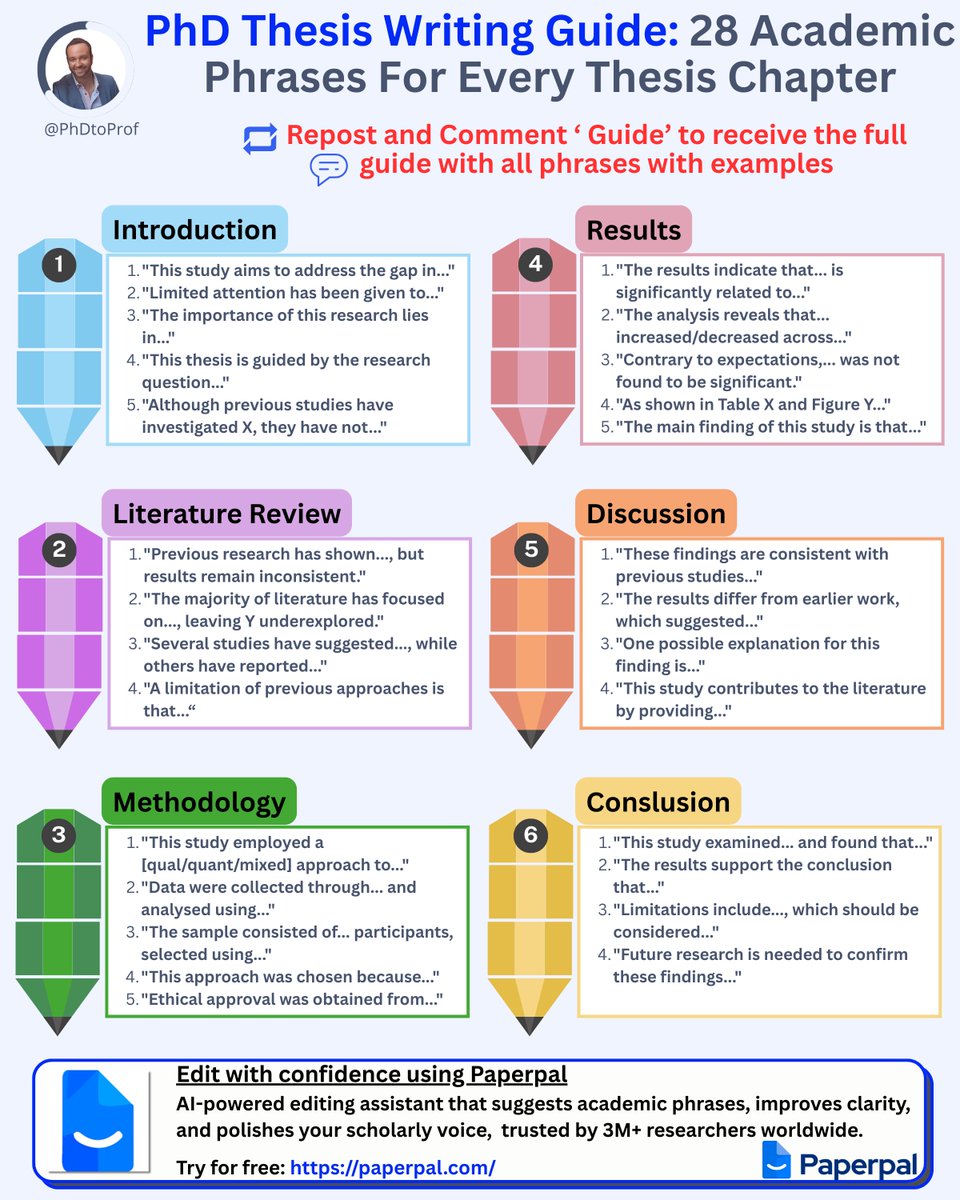
Words that fail PhD theses:
"This study shows...",
"It is important to note...",
"As mentioned above..."
After reviewing 25 successful theses, I mapped exact phrases for each chapter:
Repost & Comment 'guide' for full phrase guide 👇