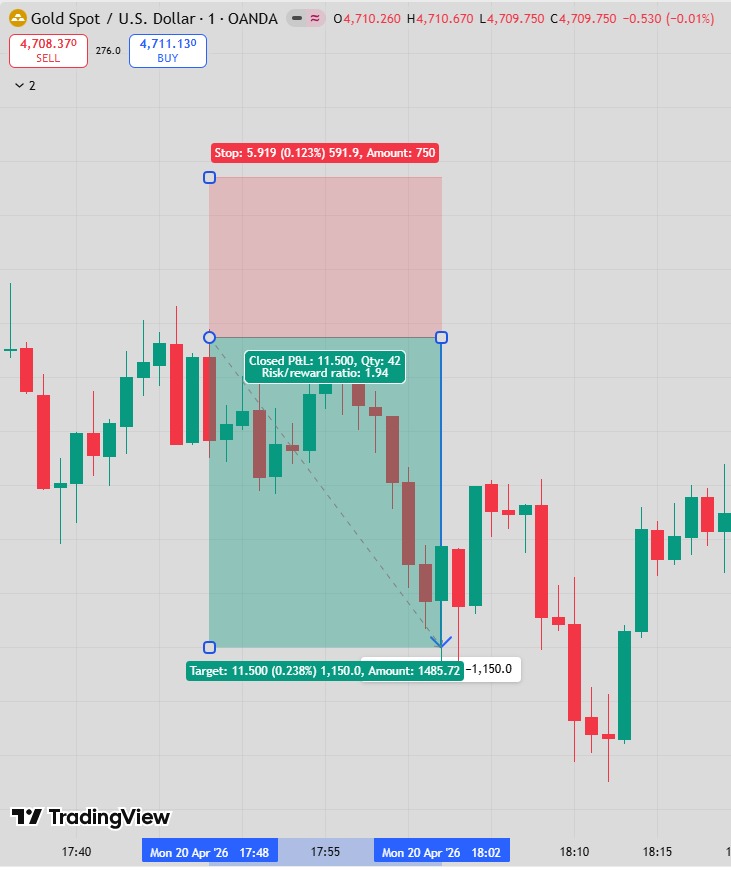
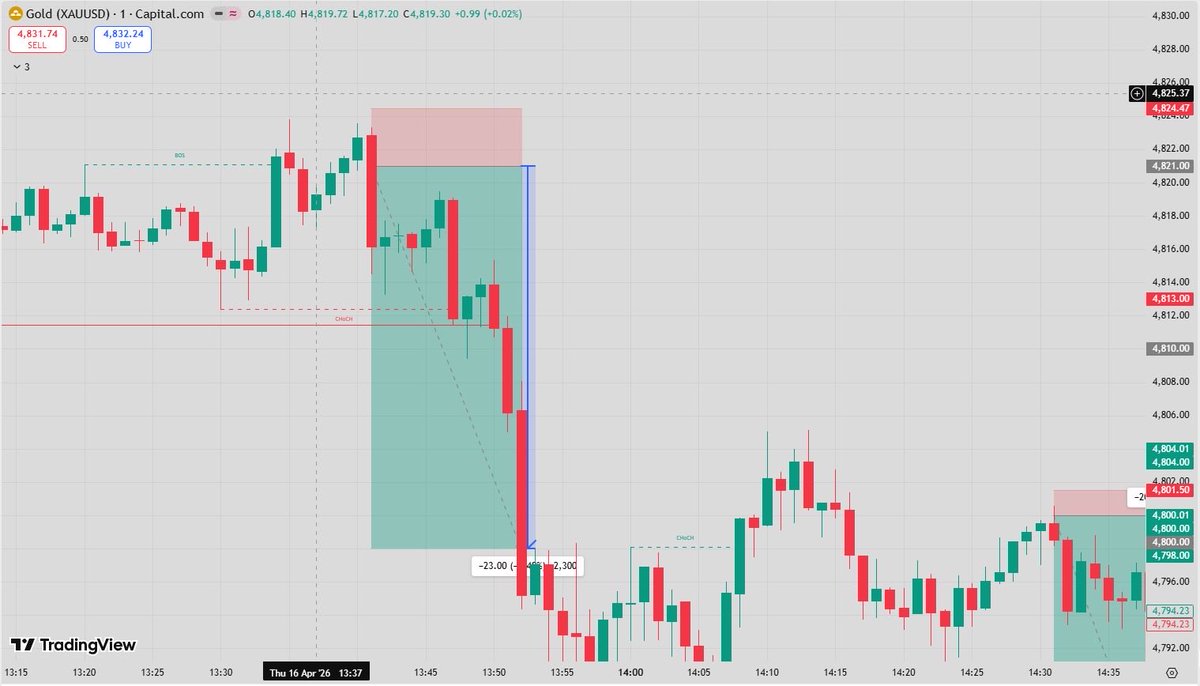
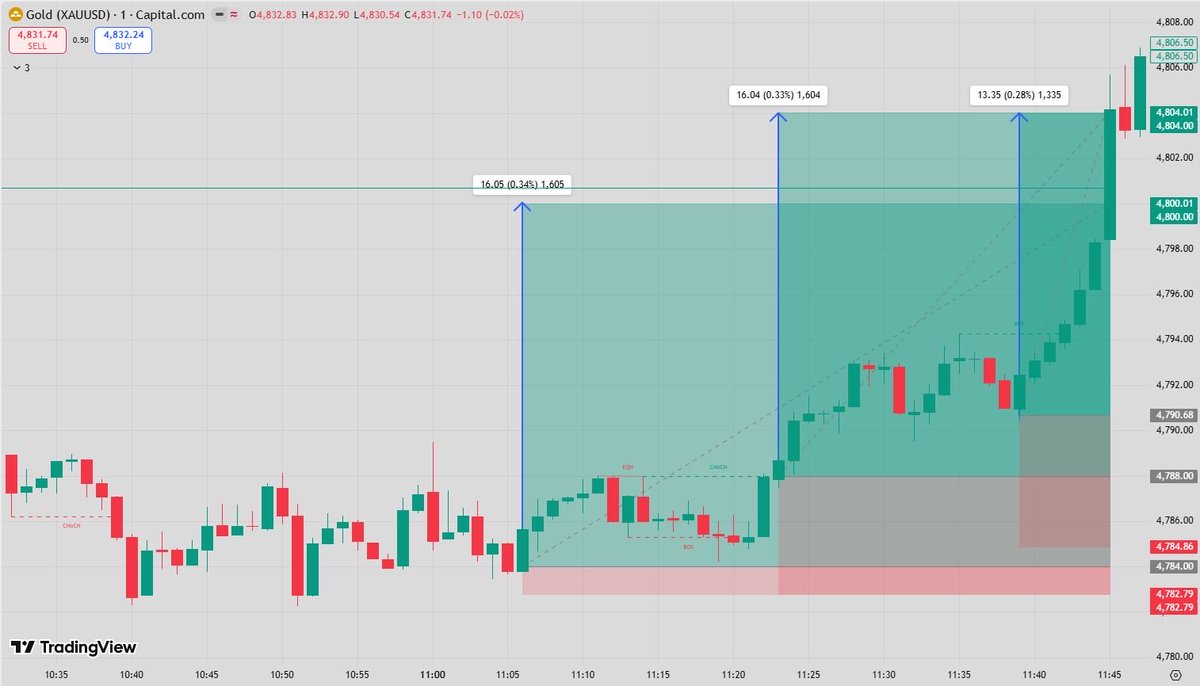
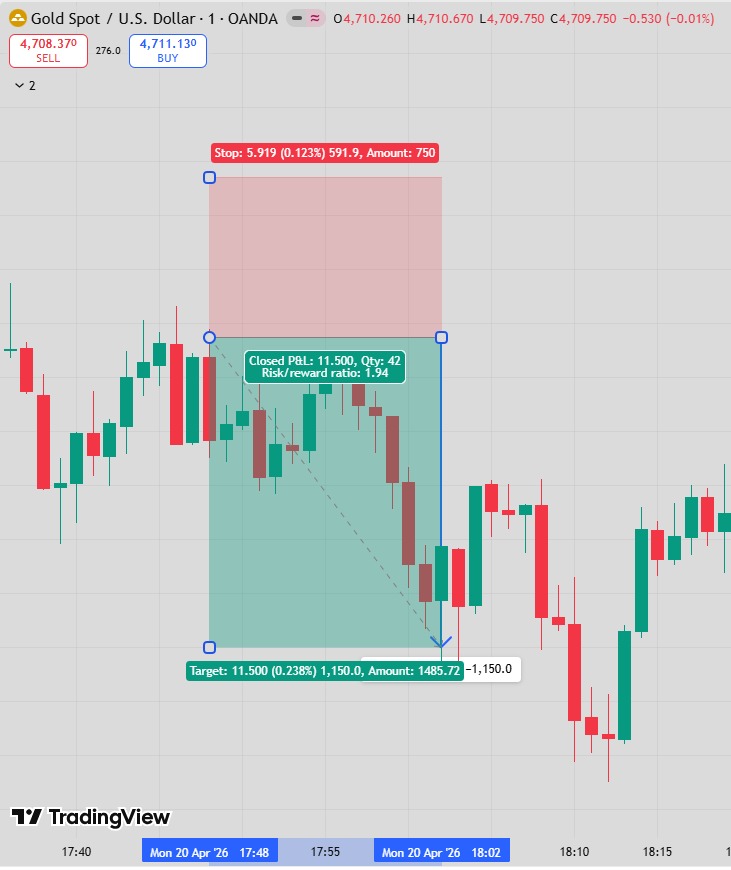
TP3 HIT LIVE AGAIN 🚀📈
400+ PIPS CAUGHT ON LIVE SESSION 😮💨🔥
This is why patience + precision matters.
No gambling. No random entries.
Just clean execution & market structure 🧠
Who caught this move with us? 👀👇
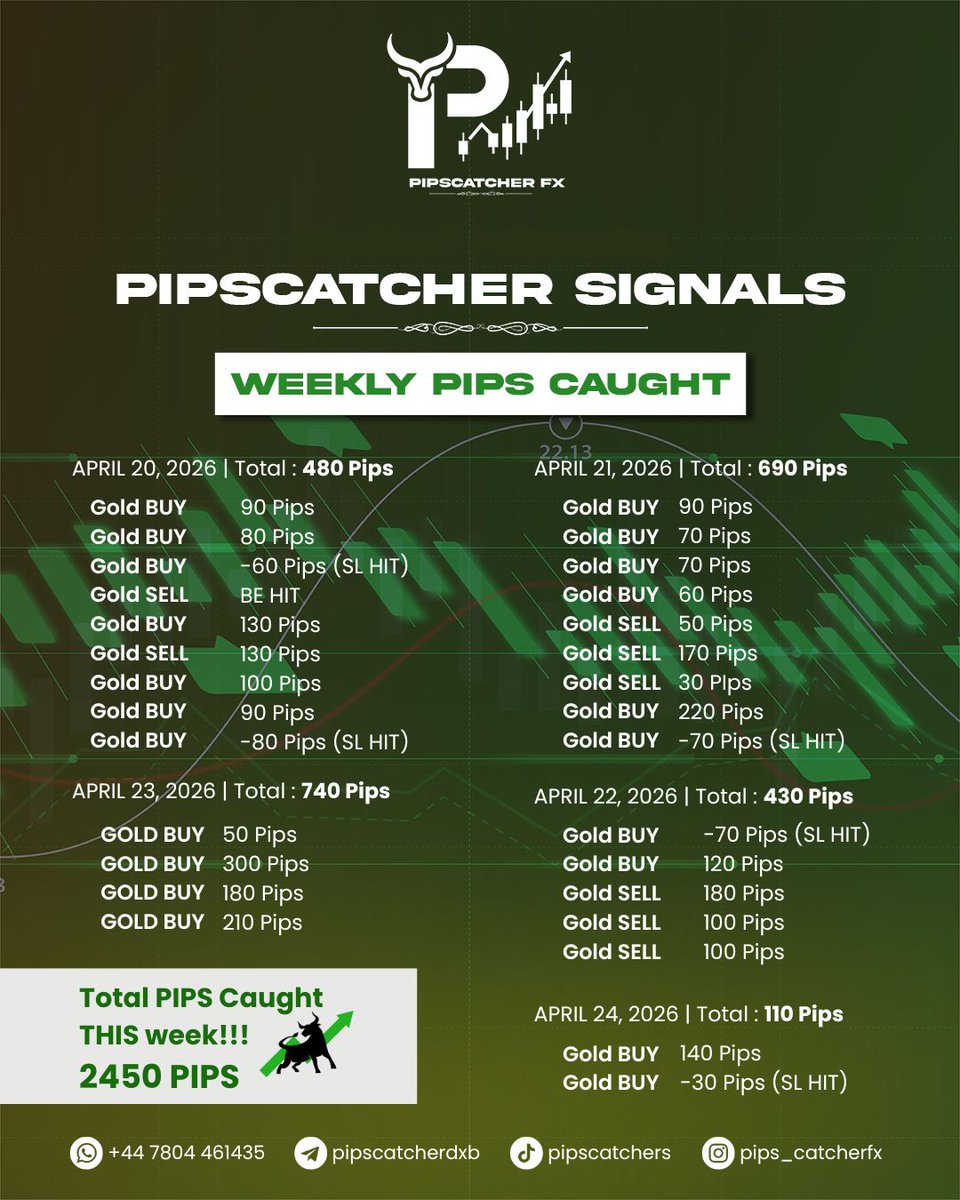
10,000+ pips last month.
Most traders enter too early.
We wait for confirmation.
That’s why they get stopped out…
and we catch the move.
DM us if you’re done gambling.
This is where most traders get greedy.
Professionals get disciplined.
Momentum candles confirm direction.
They’re not for chasing entries.
They’re for managing risk and securing profits.
This is where trades begin.
In Part 4, we move from preparation to execution with the Marubozu.
Strong body. No hesitation.
This is control, not uncertainty.
Professionals don’t guess here.
They act after the close.
Quiet candles are not useless.
They’re telling you what’s coming next.
In Part 3, I break down the Spinning Top and how professionals use it to prepare for the next move.
Patience here changes everything.
Not all candles are signals. Some are warnings.
In Part 2 of the series, I break down rejection starting with the Hammer and Shooting Star.
One shows buyers stepping in.
The other shows sellers taking control.
The wick tells the story. Most traders miss it.
Stop guessing entries. Start reading the market.
In this series, I break down how professionals read candles starting with the Doji.
It’s not a signal.
It’s information.
Watch closely, and you’ll start seeing what others miss.
Before joining any signal group, ask:
Is risk fixed?
What’s the RR?
Are losses transparent?
How are drawdowns handled?
No structure = no consistency.
If you want structure, DM “STRUCTURE.”
Save this. It protects accounts.
Signals are tools.
Not shortcuts.
If you depend on them emotionally,
drawdowns will break you.
Professionals integrate signals.
They don’t chase them.
Part 4 shows how to evaluate any signal group properly.
Win rate isn’t the edge.
Risk control is.
60% win rate with strong RR beats
80% with poor management.
This is Part 2 of Signal Psychology.
Part 3 changes how you use signals completely.
Comment “RR” if you get it.
Most traders don’t have a signal problem. They have a discipline problem.
Two people. Same signal. Different results.
Execution.
This is Part 1 of Signal Psychology. Part 2 exposes the mistake most traders don’t see.
Save this if it hit.
Trading University | Part 6 Risk Management
This is where most traders fail, not the entry, the risk.
That’s the full framework:
Bias → Liquidity → Manipulation → Displacement → Entry → Risk.
Follow for more Trading University.
This is how traders level up.
Trading University | Part 5 Entry Model
Pros don’t chase price.
They wait for pullbacks into imbalance or a fair value gap,
or a clean retest of the last order block.
Entry comes after rejection, never before.
This is where risk gets small, structure makes sense.
Trading University | Part 4 — Displacement
This is how you know the trap is over.
After manipulation, wait for displacement
a strong, decisive move that breaks structure with intent.