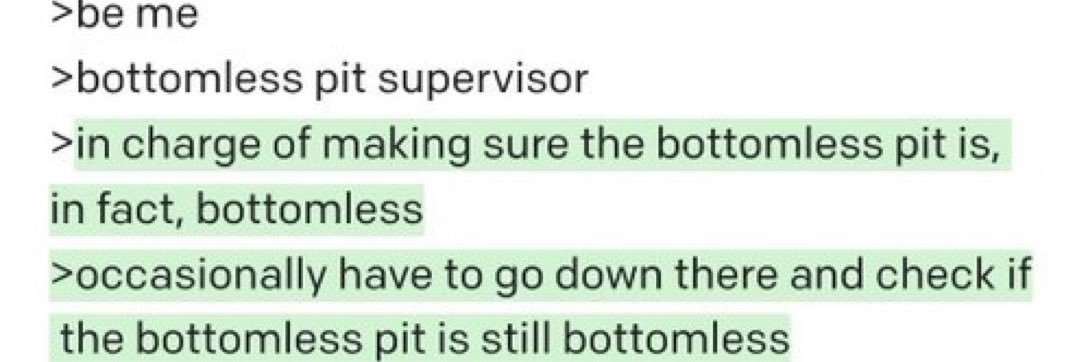
There is probably a correlation between morality and sense of humor.
Larry Niven once theorized that humor is associated with an interrupted defense mechanism.
The idea is that you have a situation presented to you which would normally trigger a defensive response, but when you realize it is actually harmless, the response that you experience as laughter or amusement is your brain's way of derailing that inappropriate defense mechanism.
Because it isn't appropriate to fight or run away from harmless things.
This mechanism become easy to see when you look at very simple or developing senses of humor. To a baby, unexpected + safe = comedy gold.
And my cat Dante's favorite joke is "I BITE your toes! ... but actually, I don't bite them! I just lick them by surprise, watch you jump, then run away mewing and looking pleased with myself!"
Humor can become quite sophisticated, but I've never yet seen anything funny that couldn't be understood this way.
But there's a certain type of evil person who is evil precisely because they don't interrupt defense mechanisms.
They fight harmless things. Even beneficial ones. And they give you long lectures about how the harmless or even the wonderful thing is ackshually super-problematic.
This is the visible symptom of a form of neurotic hypervigilance which can, and often does, progress to the point of simply lashing out, figuratively or even literally, at random parts of the environment, because the brain has constructed some narrative whereby it's a threat.
The humor response is our natural way of not doing this.
For 37 years, over 2,000 images taken by a Chinese state media photographer were hidden in a metal box, surviving brutal purges—until now.
These raw, powerful photos show the courage of the students, the scale of the protests, and the horror of what the Chinese Communist Party did.
Now, The @EpochTimes is making the photos public for the first time. [1/2]
I remember a video where someone made a “robot” that was a human-shaped effigy with a GoPro attached, with a sign indicating it wanted to hitchhike across the country. The vast majority of people who interacted with it were kind, gave it rides, stood it back up if it had fallen over, despite the fact that absolutely no one believes a vaguely man-shaped bit of metal is conscious. The very few people who exhibited cruelty towards it were roundly and viciously condemned.
I think this intuitive morality is correct. We judge actions not primarily based on the impact they have on others, but on what they say about the actors.
I thank my waymos even though they can’t hear me. It is good for my soul to be kind to something that helped me. And I feel an extreme revulsion at people who use abusive AI prompts.
Too many people are really excited at the opportunity to exhibit “safe” sadism.
On this night in 1781, one man on a horse saved the American Revolution from losing Thomas Jefferson, Patrick Henry, and half of Virginia's government in a single morning.
You were never taught his name.
June 3, 1781. The British had chased Virginia's entire government out of Richmond. Jefferson, in his final days as governor, and the legislature had fled to Charlottesville, thinking they were safe in the foothills.
They were wrong.
That evening, 26 year old militia captain Jack Jouett was at a tavern in Louisa County when roughly 250 of the most feared cavalry in the British army came pounding down the road. Their commander: Banastre Tarleton, nicknamed "The Butcher," the man whose dragoons had cut down surrendering Americans at Waxhaws.
There was only one place they could be going. Charlottesville. 40 miles away. And the capture of Jefferson, the author of the Declaration of Independence, would be the prize of the war.
Jouett couldn't outrun them on the main road. So he didn't use it.
He swung onto overgrown backwoods trails and the abandoned Old Mountain Road, riding 40 miles through the dark with only the full moon for light. Legend says low hanging branches whipped and scarred his face for life.
Tarleton stopped his men for a 3 hour rest. Jouett never stopped.
Before sunrise on June 4, he came up the mountain to Monticello and woke Jefferson. Then he rode down into Charlottesville and warned the legislature.
Jefferson got out with minutes to spare. British dragoons were coming up his mountain as he left. The legislature escaped over the Blue Ridge to Staunton. Tarleton caught only seven stragglers, one of them a frontiersman serving in the legislature named Daniel Boone.
Paul Revere rode about 12 miles in 1775 and got captured before reaching Concord. Longfellow wrote him a poem and made him immortal.
Jack Jouett rode 40 miles, lost nothing, saved everything, and got a thank you gift of two pistols and a sword from the Virginia Assembly.
No poem. No fame. Almost no memory.
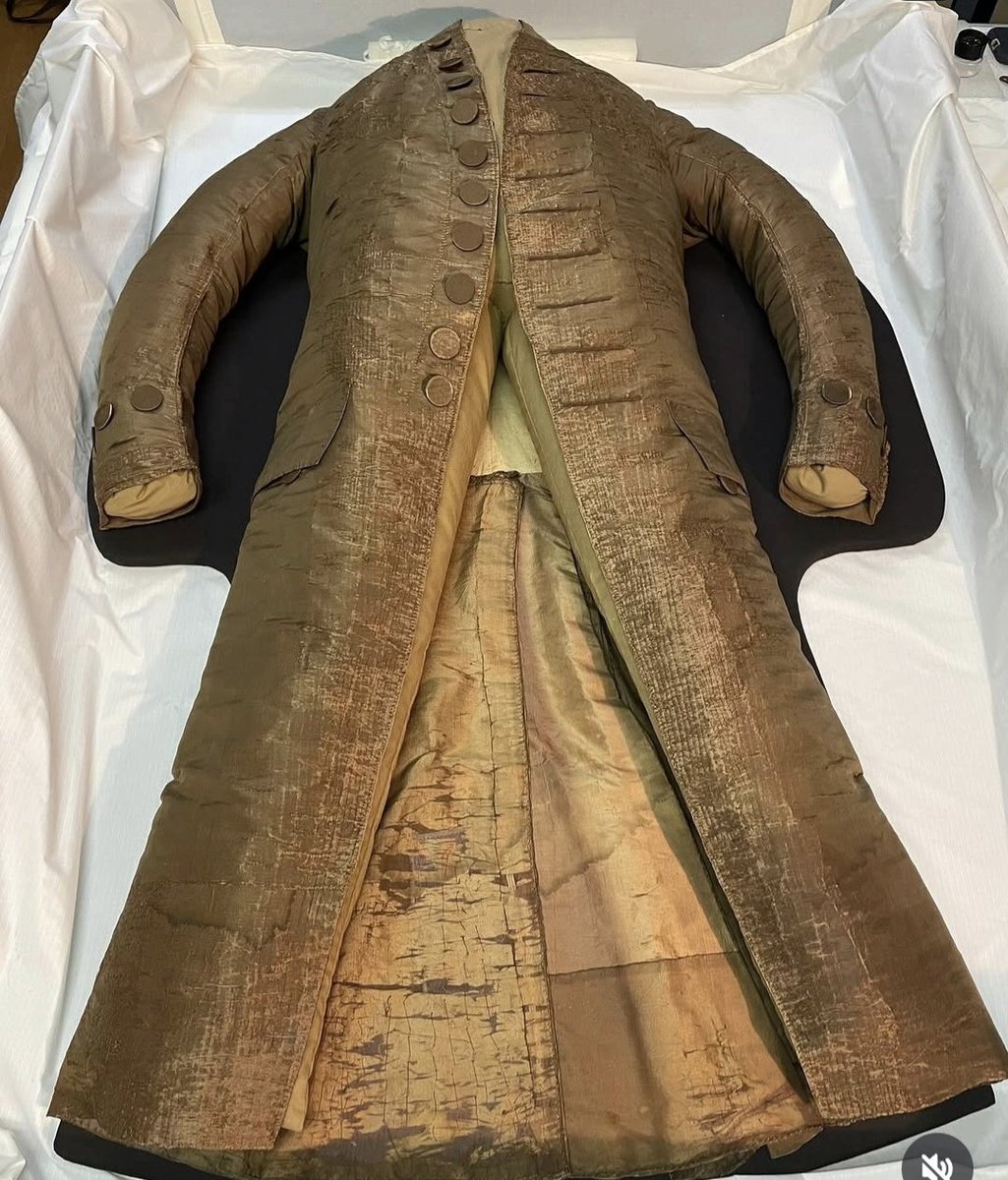
Via the National Parks Service on IG: George Washington's coat from his inauguration ball, and the reproduction showing the actual color it was prior to fading. For those with eyes to see and ears to hear...
The US has one of the largest rail networks on Earth. We just use it for the part that still makes economic sense here: freight.
Passenger rail stopped being viable as a private business shortly after WWII.
Cars took short and medium trips. Airlines took long trips. Highways and airports got massive public investment.
By the 1960s, private railroads were losing money on passenger service, which is why Amtrak was created in 1970 (and it's been losing money ever since)
The US has tons of rail routes, and trains.
They’re just hauling cargo.
The Welsh language has such a peculiar hissing sound, i love it. Welsh is one of very few Celtic survivors in today’s world. It is also the inspiration for Tolkien’s Sindarin Elvish language
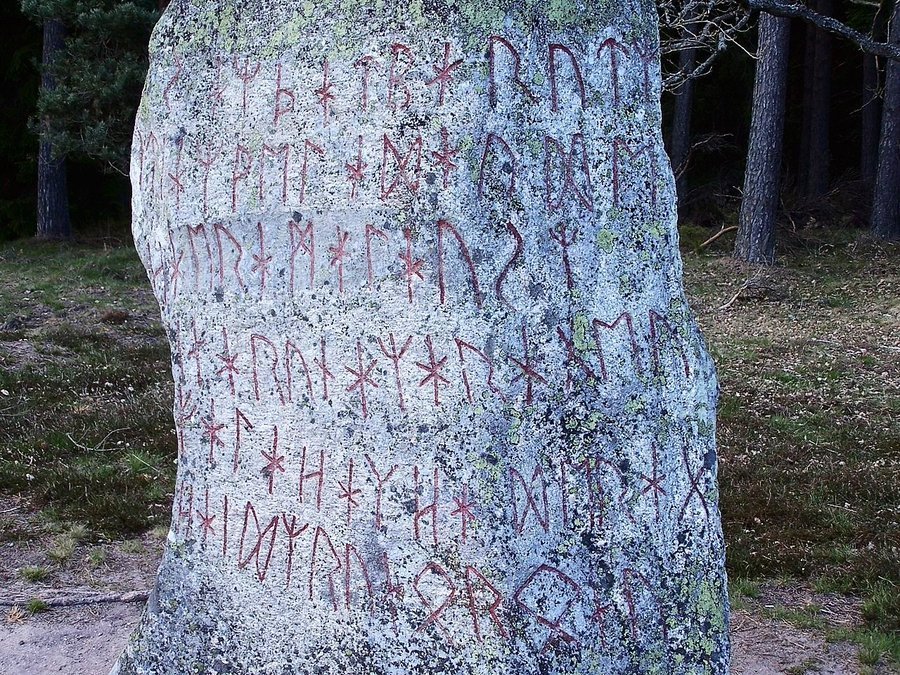
Everyone needs to know the origin of the word “rune.” When ancient Germanics formed their own alphabet, they called the letters *rūnōz or “whispers,” because as your eyes followed them, they spoke to you, silently. Reading is magic to a people at the dawn of literacy, who haven’t yet learned to take the miracle for granted.


![JanJekielek's tweet photo. For 37 years, over 2,000 images taken by a Chinese state media photographer were hidden in a metal box, surviving brutal purges—until now.
These raw, powerful photos show the courage of the students, the scale of the protests, and the horror of what the Chinese Communist Party did.
Now, The @EpochTimes is making the photos public for the first time. [1/2]](https://pbs.twimg.com/media/HJ91wfIX0AA7ZsO.jpg)
![JanJekielek's tweet photo. For 37 years, over 2,000 images taken by a Chinese state media photographer were hidden in a metal box, surviving brutal purges—until now.
These raw, powerful photos show the courage of the students, the scale of the protests, and the horror of what the Chinese Communist Party did.
Now, The @EpochTimes is making the photos public for the first time. [1/2]](https://pbs.twimg.com/media/HJ91RzVWkAAypoW.jpg)






![JanJekielek's tweet photo. For 37 years, over 2,000 images taken by a Chinese state media photographer were hidden in a metal box, surviving brutal purges—until now.
These raw, powerful photos show the courage of the students, the scale of the protests, and the horror of what the Chinese Communist Party did.
Now, The @EpochTimes is making the photos public for the first time. [1/2]](https://pbs.twimg.com/media/HJ93AneWwAA6d7L.jpg)