🚨 America needs MORE skilled workers
Mike Rowe: "The Pentagon needs 400,000 welders and electricians just for submarine contracts over the next seven or eight years. It's mind-boggling—and they're all competing for your kid."
Students are always learning from the adults around them, especially in moments of stress.
When the adult response is built on control, students may comply for the moment, but they do not necessarily learn trust, reflection, or responsibility. When the adult response is steady, clear, and relational, students are more likely to stay connected enough to hear correction and practice a better next move.
This does not mean lowering expectations. It means understanding that influence grows through trust, not fear.
The adults students trust are often the ones they are most willing to learn from, especially when the lesson is hard.
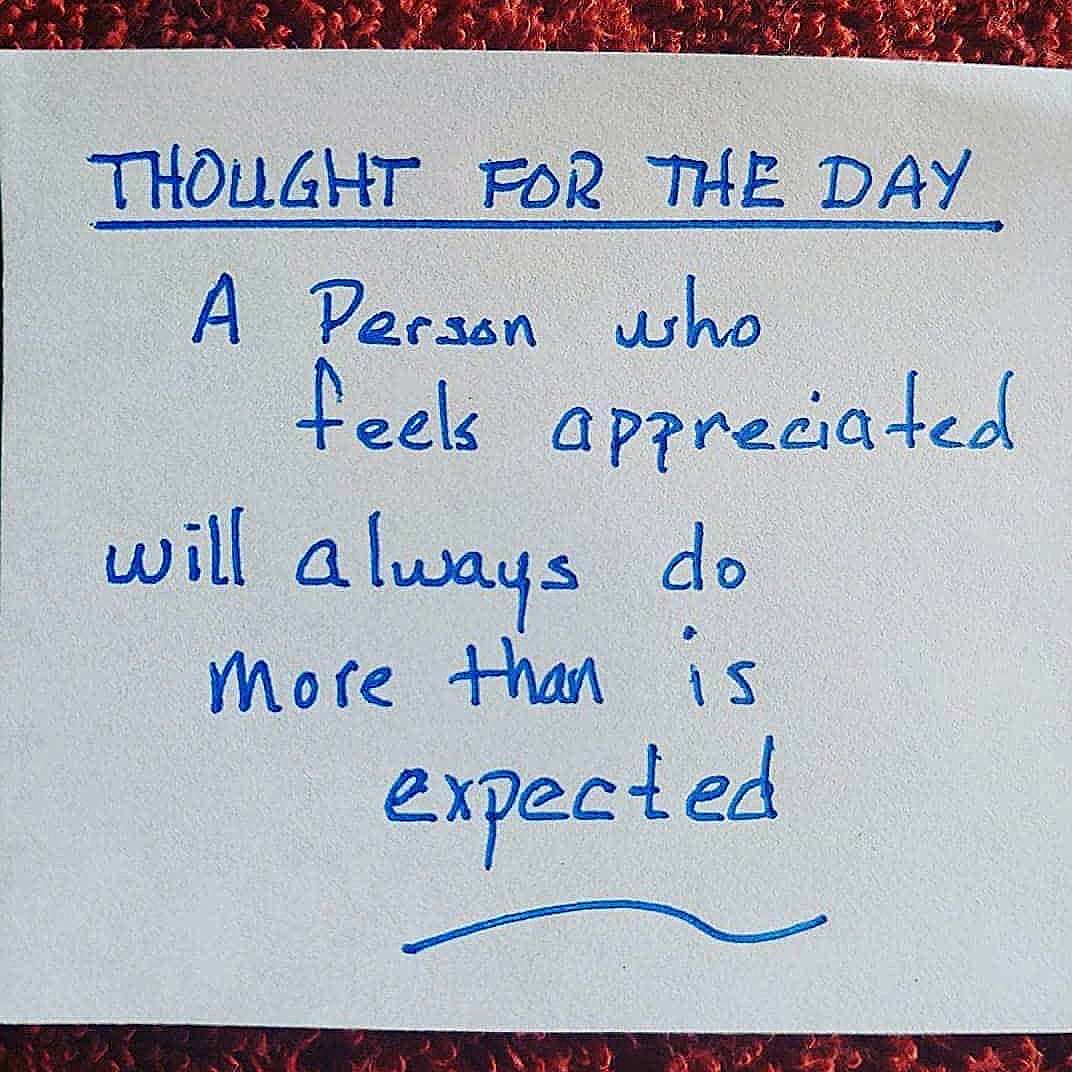
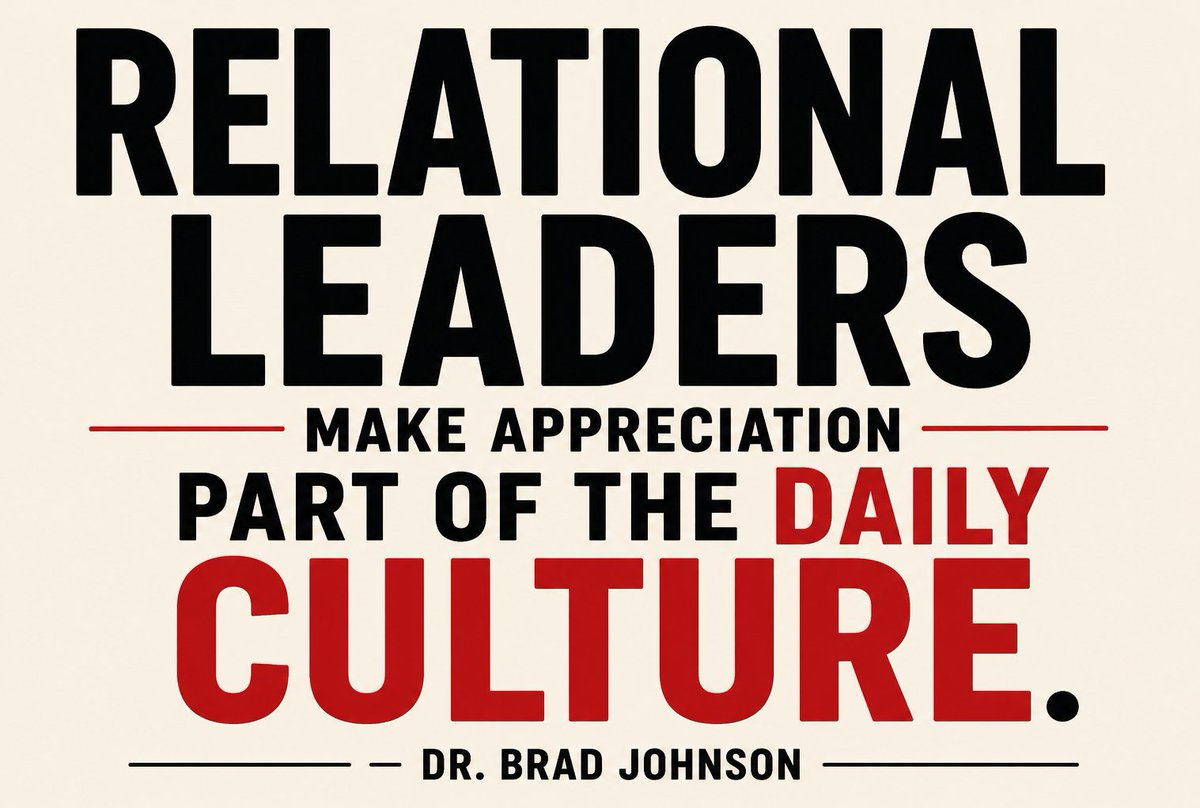
Appreciation changes what people believe about their place in the room.
In schools, classrooms, workplaces, and teams, people do not give their best because they are constantly criticized, overlooked, or taken for granted.
They give more when they feel seen.
They show up differently when they feel valued.
They stay more connected when their effort is noticed.
Teacher appreciation, staff morale, student belonging, and school culture are not built through one big gesture.
They are built through daily reminders that people matter.
A simple thank you.
A specific compliment.
A moment of recognition.
A leader who notices the quiet effort.
A classroom where students feel valued before they are asked to perform.
People do more when they feel appreciated because appreciation reminds them their effort has meaning.
A number of years ago, I asked a third-year teacher a simple question:
"What have you learned during your first few years in the classroom?"
I expected a few comments about lesson planning or classroom management.
Instead, she shared four pieces of advice that every educator—whether you're in your first year or your thirtieth—could benefit from remembering.
1. Pay attention to the needs of your students... not just the standards.
Standards matter. Curriculum matters. Assessment matters.
But the students sitting in front of us matter most.
Sometimes the greatest lesson we teach on a given day isn't the one we planned. Sometimes it's making a child feel seen, heard, and valued.
2. Talk through behavior issues... don't just assign consequences.
Consequences certainly have their place.
But if all we do is punish behavior without understanding it, we often miss the opportunity to change it.
Conversations build relationships. Relationships build trust. And trust often changes behavior more effectively than consequences alone.
3. Rely on your colleagues.
Teaching was never intended to be a solo endeavor.
The best schools are filled with educators who share ideas, encourage one another, ask for help, and celebrate each other's successes.
None of us has to do this alone.
4. Take things in stride.
Not every lesson will be perfect.
Not every parent meeting will go smoothly.
Not every day will end the way we hoped.
Learn from the difficult moments—but don't let them define you.
It's remarkable that a teacher only three years into her career had already discovered these truths.
Maybe that's because wisdom isn't measured by the number of years we've spent in education.
Sometimes it's measured by our willingness to learn from each day we're given.
As another school year approaches, these four reminders are worth carrying with us. They're simple enough to remember, yet powerful enough to shape the culture of a classroom—and even an entire school.
If you had to add a fifth lesson to this list, what would it be?
We keep blaming teachers for declining literacy.
But we're raising a generation that consumes information through 15-second videos, endless scrolling, and constant notifications. Then we assess them as though they've spent years building the reading stamina to sit with a complex text for 30 or 60 minutes.
Scrolling is a sprint.
Reading is a marathon.
Today's students interact with language differently than any generation before them. They skim. They swipe. They jump from one idea to the next. Yet our literacy assessments still require sustained attention, deep comprehension, inference, vocabulary, and the ability to remain engaged with complex texts.
Those are essential skills. They always will be.
But if children spend far less time reading books outside of school than previous generations, why are we surprised when reading stamina declines?
This isn't about blaming parents or lowering expectations. It's about recognizing a profound cultural shift. Schools are increasingly being asked to develop skills that many children have fewer opportunities to practice beyond the classroom.
Teachers matter.
Instruction matters.
But literacy has never begun with a standardized test.
It begins with hearing stories, seeing adults read, turning pages, asking questions, imagining new worlds, and discovering that some things are worth staying with long after the first page.
If we want stronger readers, we can't place the entire burden on teachers. Building literacy has always been, and will always be, a shared responsibility between schools, families, and the culture our children grow up in.
Sources: @SouthernMissBSB is hiring former Mississippi State and Houston assistant Kyle Cheesebrough as its recruiting coordinator, while also elevating Ladd Rhodes to hitting coach, I'm told. Cheesebrough on the recruiting side is a strong addition for #USM.
#SMTTT
Updated Carousel: https://t.co/ACD7AJRtHv