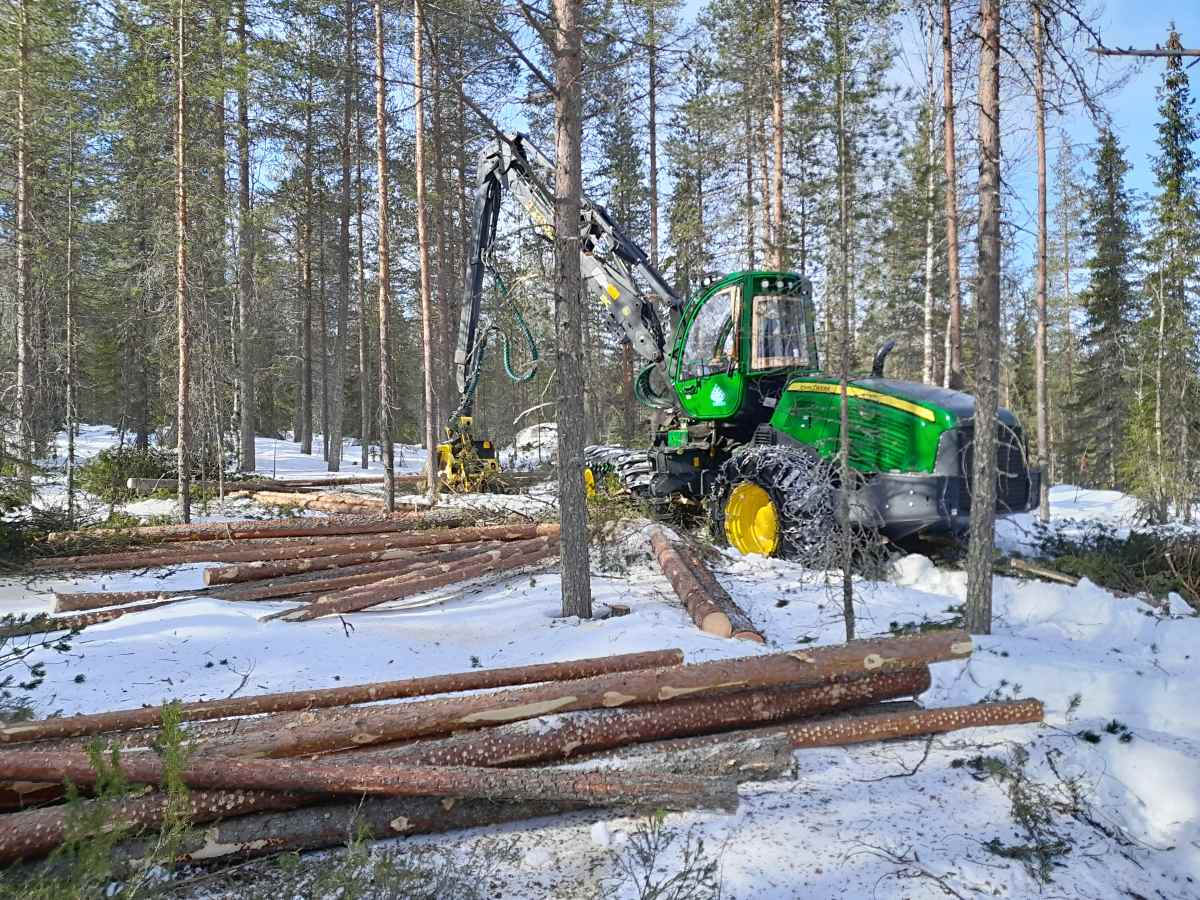
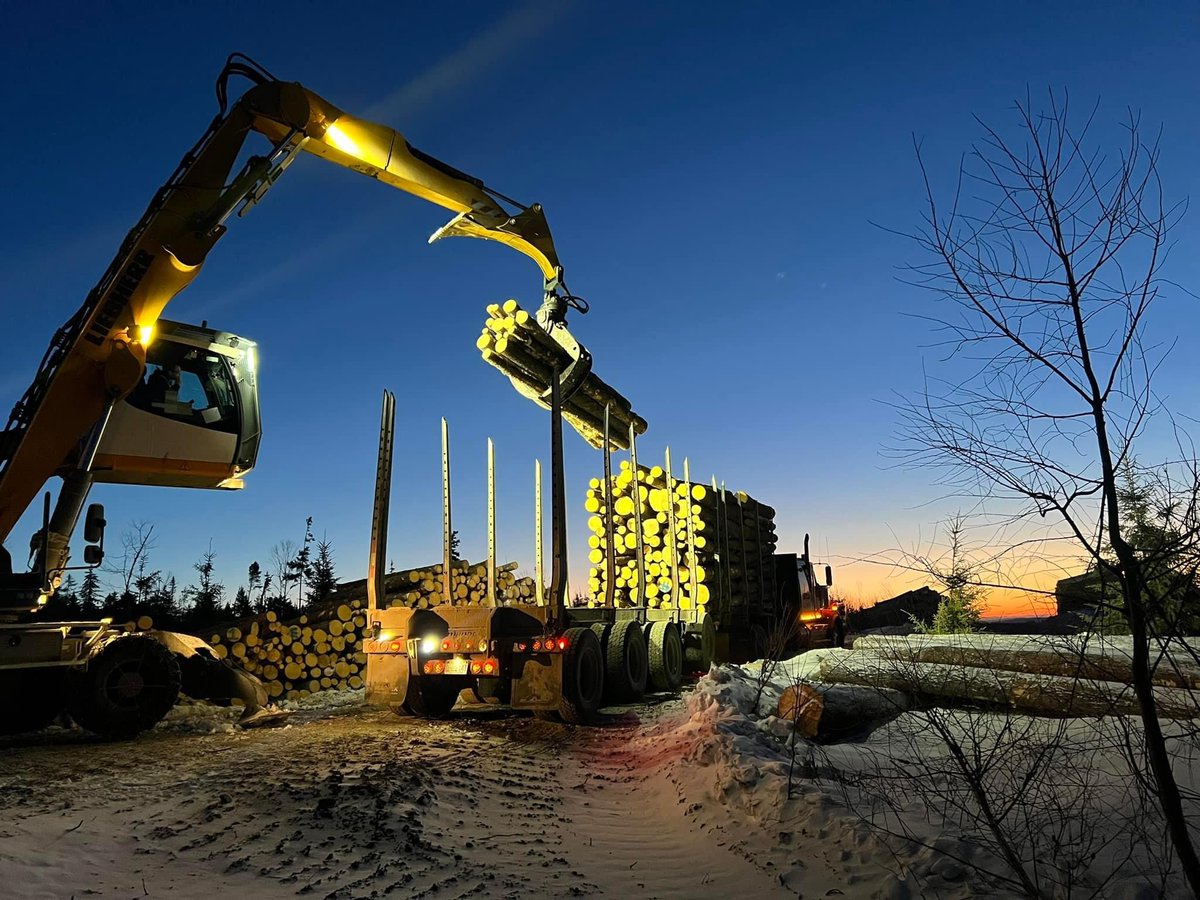
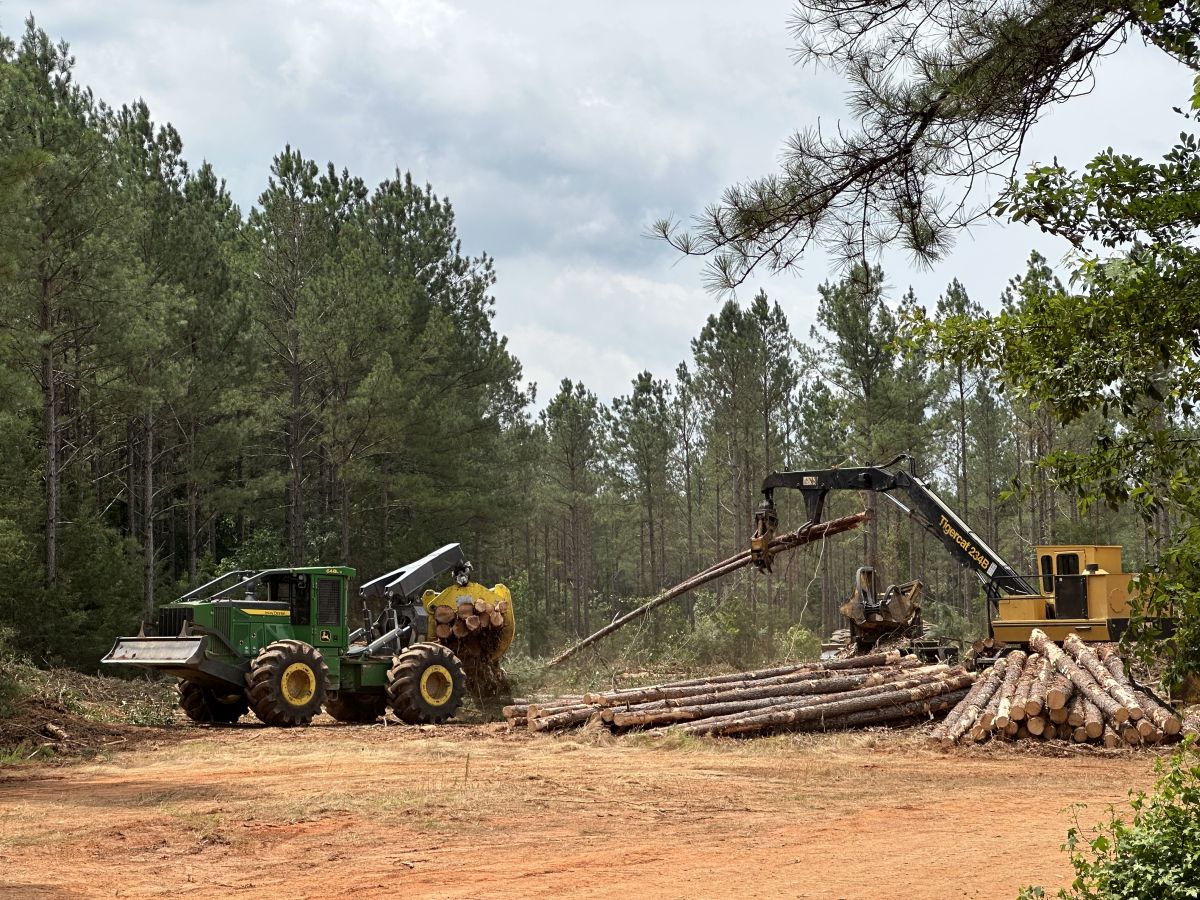
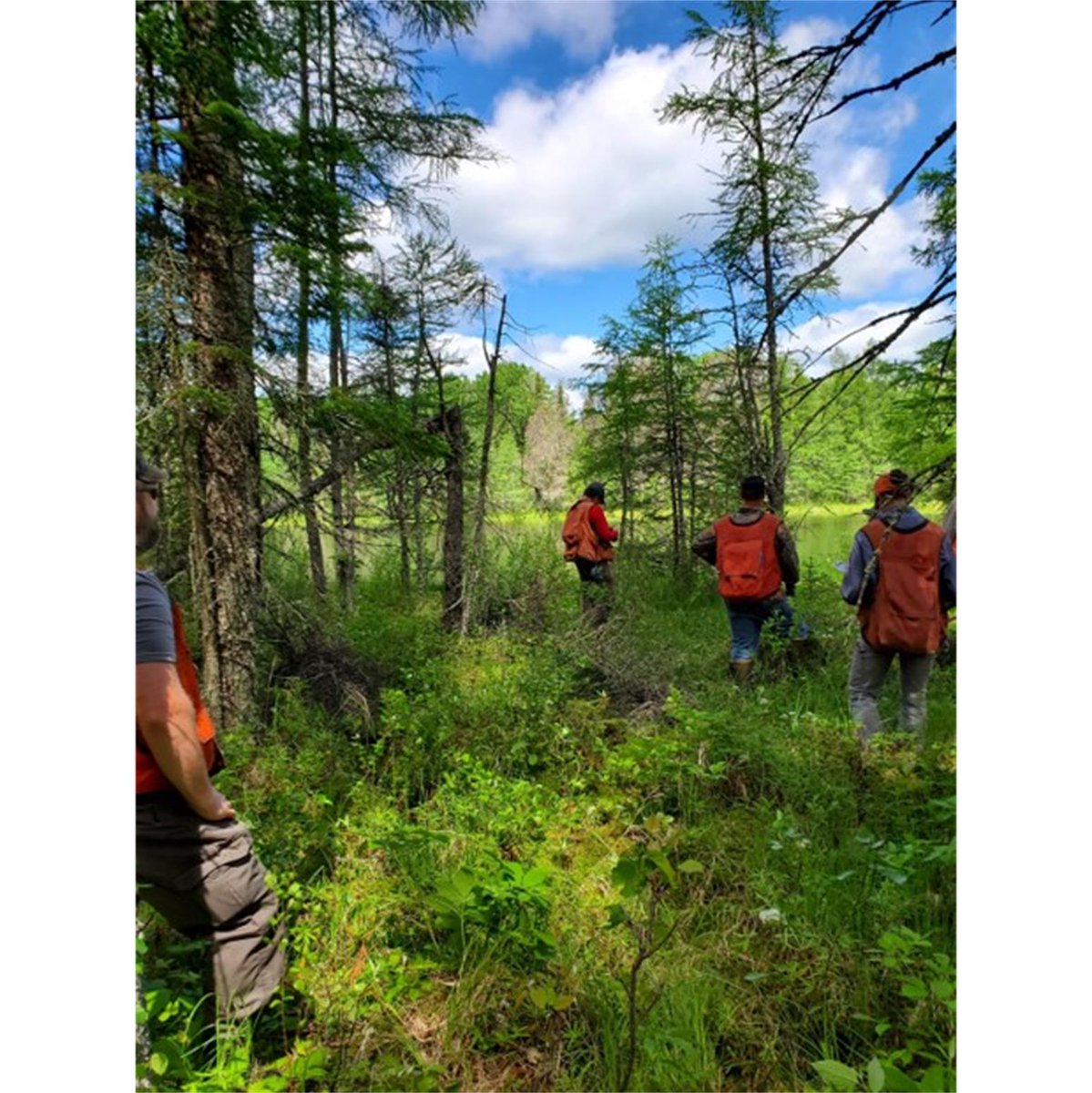
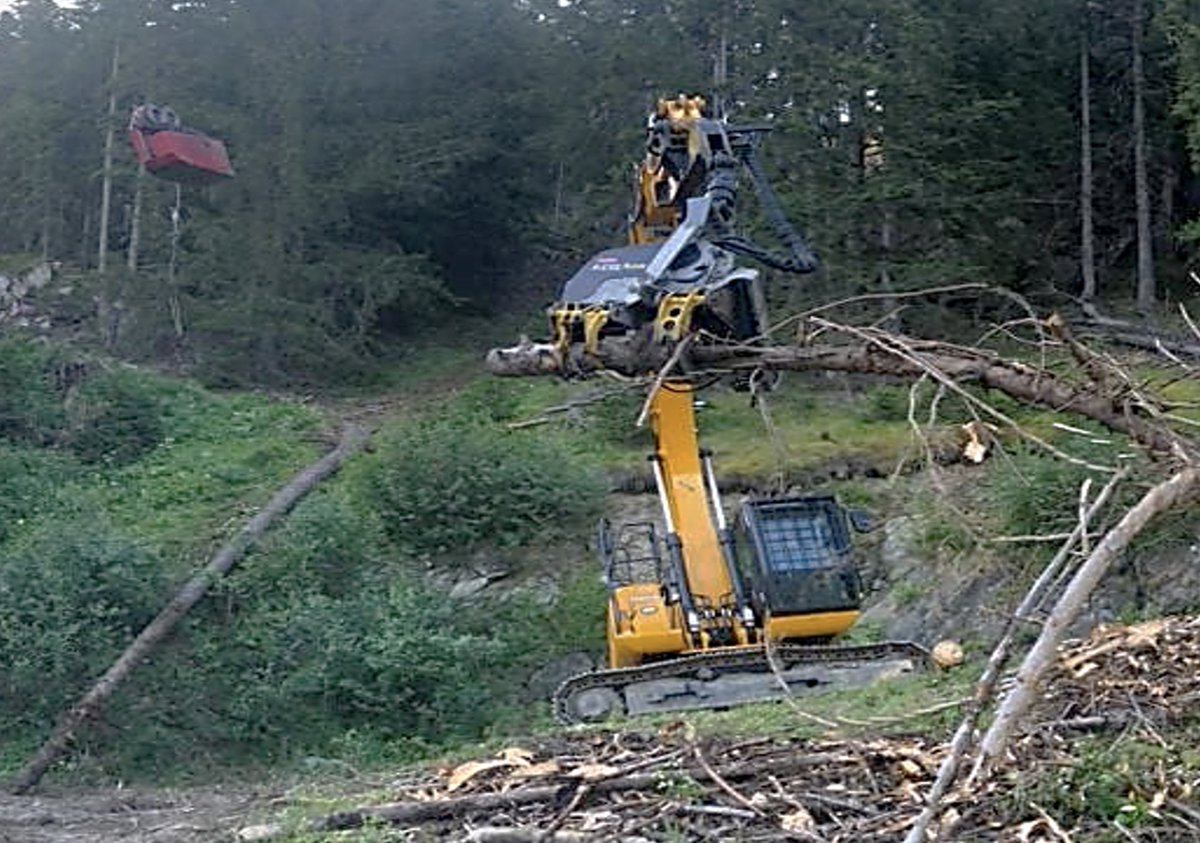
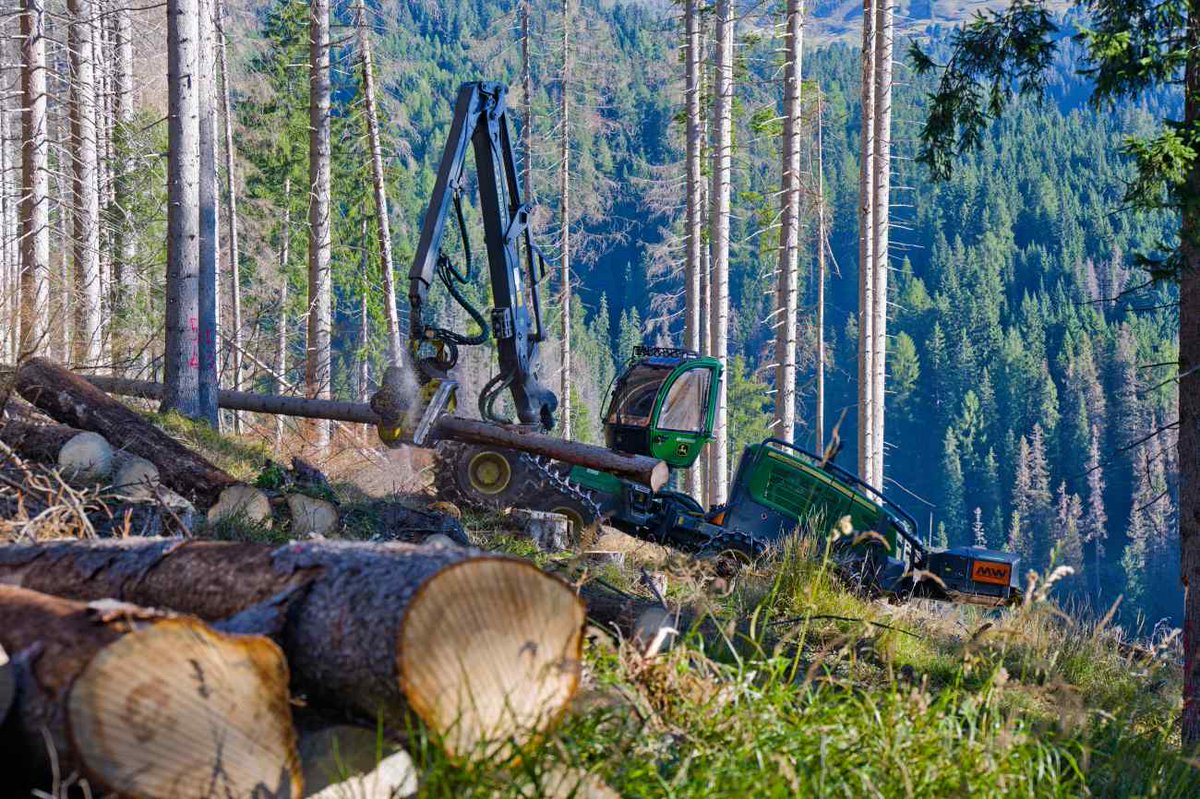
Switching to continuous cover forestry impacts machine productivity. Selection cutting and thinning from below have similar productivity when stem volumes are equal, but both are significantly less productive than clearcutting. https://t.co/ET0DK2ZV2o
Can ultra-wideband or Bluetooth low energy sensors make forestry safer?
The prototype tests conducted highlight their potential to detect people in danger zones, addressing key challenges in forest operations. A step forward in improving work safety. https://t.co/2wdCK7yr3l
The use of horses 🐴 to transport timber from a forest is environmentally friendly. This paper provides an overview on the breeds of horses used for logging in Europe and data on their main characteristics in the Hungarian state forests.
https://t.co/AQ452qG37C
Forest fragmentation in eastern Canada complicates operations. A recent study explores alternative harvesting systems, identifying two Cut-to-Length (CTL) systems as the most cost-effective, offering a $4/m³ advantage.
https://t.co/oWotAt9L0V
The mental and physical workload of forestry machine operators is important to forest equipment operators in South Carolina. Advanced workload assessments needed to ensure operator safety and sustainability in the forestry industry. https://t.co/OlkHGk2qFq
Minnesota, USA: Timber harvest best management practices (BMPs) are more frequently used on certified vs. noncertified forests. For large public agencies, organizational factors beyond forest certification influence the use of BMPs during timber harvests. https://t.co/I30Kiwwjbh
New insights into operational dynamics and economic considerations of an excavator-based processor working at yarder landings in North-western Italian Alps ⛰️. The results underline the potential of this equipment as a cost-effective #harvesting solution. https://t.co/mruVVip5QD
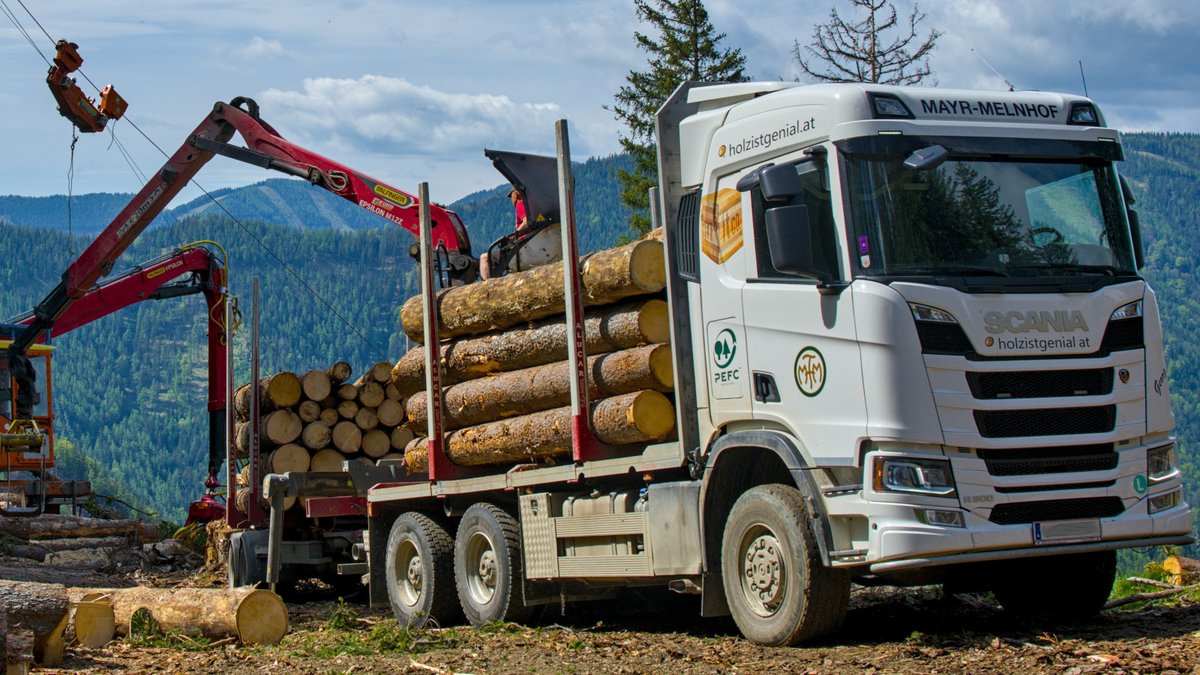
The International Journal of Forest Engineering is assembling an article collection on the transportation. The collection will consider both review articles and original research on the following topics related to timber truck transportation. https://t.co/bwcPi3GAt8
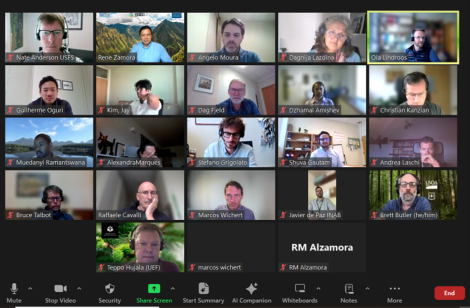
IUFRO Division 3 first business meeting after World Congress for Europe/Africa/America time zones. Welcome to 2024-2029 officeholders! A great group of experts committed on bringing the best research in forest operations for people and nature! @IUFRO
New study shows that stem size variation in forest stands impacts harvester productivity. Data from 11 harvesters reveal productivity drops in final fellings with more stem size variation and broadleaf trees, but rises with pine trees in thinnings. https://t.co/3BZi4uSP4q
Latest paper on Forestry 4.0 focusing on process reengineering, digital twins and Internet of Things to enable end-to-end network in heterogenous fleets: Smart forestry – a forestry 4.0 approach to intelligent and fully integrated timber harvesting https://t.co/9E8oi7L4qs
Next-generation logging systems demand automatic data gathering and work guidance. Artificial intelligence prompts re-evaluation of current approaches to automatically gather data, especially for forwarders, Jussi Manner opens discussion in Silva Fennica. https://t.co/5h3Mduryya
Thinking critically about our own practice, how do we react to results that are in the opposition to our expectations? asks Subject Editor Hanne K Sjølie in her editorial. Scientists have to acknowledge that as humans, we are by nature biased. https://t.co/0vjYMCW54j
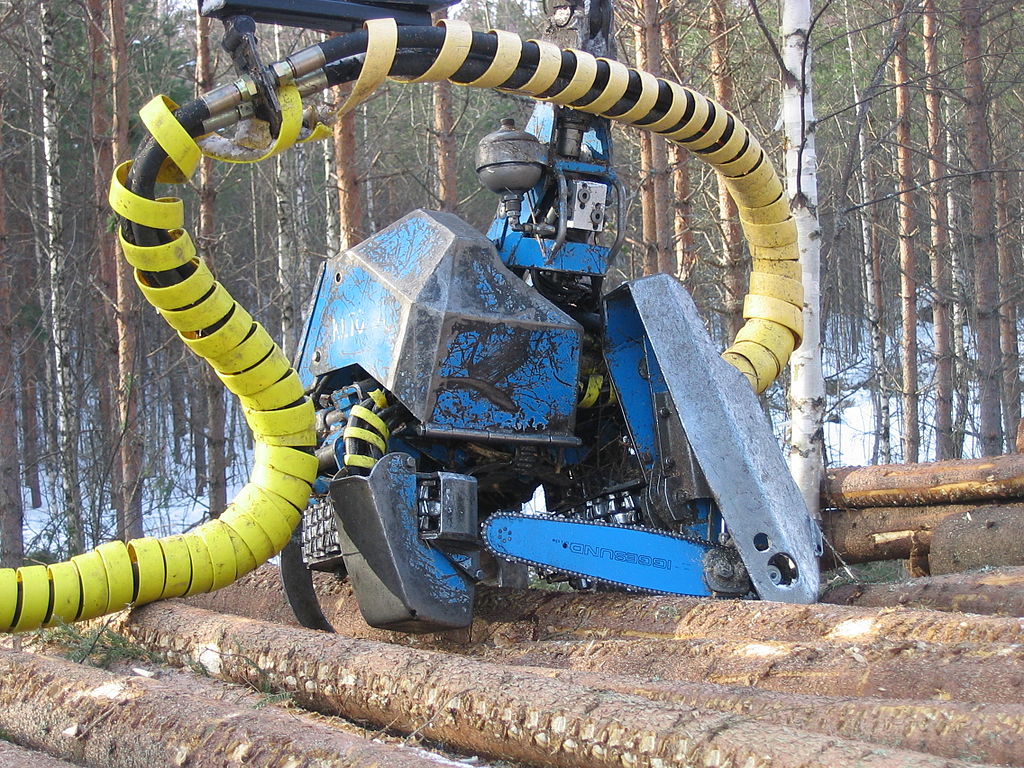
Codominant forked stems double harvester time consumption; double crowns have minor impacts on harvester time. Forked trees should be removed during thinning when they can be multi-tree handled. At a later rotation age, time consumption becomes excessive. https://t.co/zAtUZngGiS
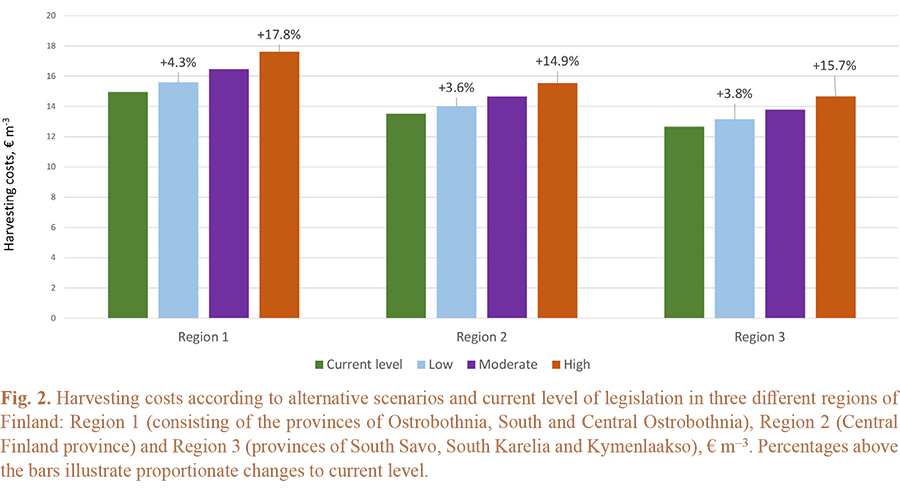
The effect on timber harvesting costs of EU Directives & Regulations depends on the policy implementation. Harvesting costs would increase by < 10% from the current in low- & moderate-impact scenarios while in a high-impact scenario costs' increase is 18%. https://t.co/SZWXpUUF6D
Cable yarding in flat terrain gains more interest.
Researchers from @WSL_research published a recent study on flat land cable yarding: Productivity and cost analysis of cable yarding operations in flat terrain in the canton of Aargau in Switzerland https://t.co/X6r0FA2rv3
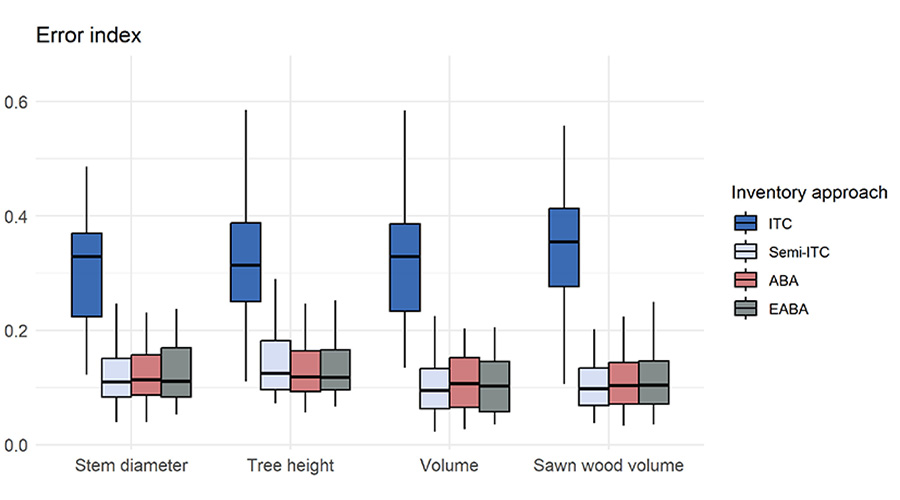
Forest attribute, inventory approach, stand size and the laser pulse density have significant effects on the accuracies of imputed stem frequency distributions using airborne laser scanning (ALS), the ALS delay and percentage of deciduous trees do not. https://t.co/HM8M4k8D3x
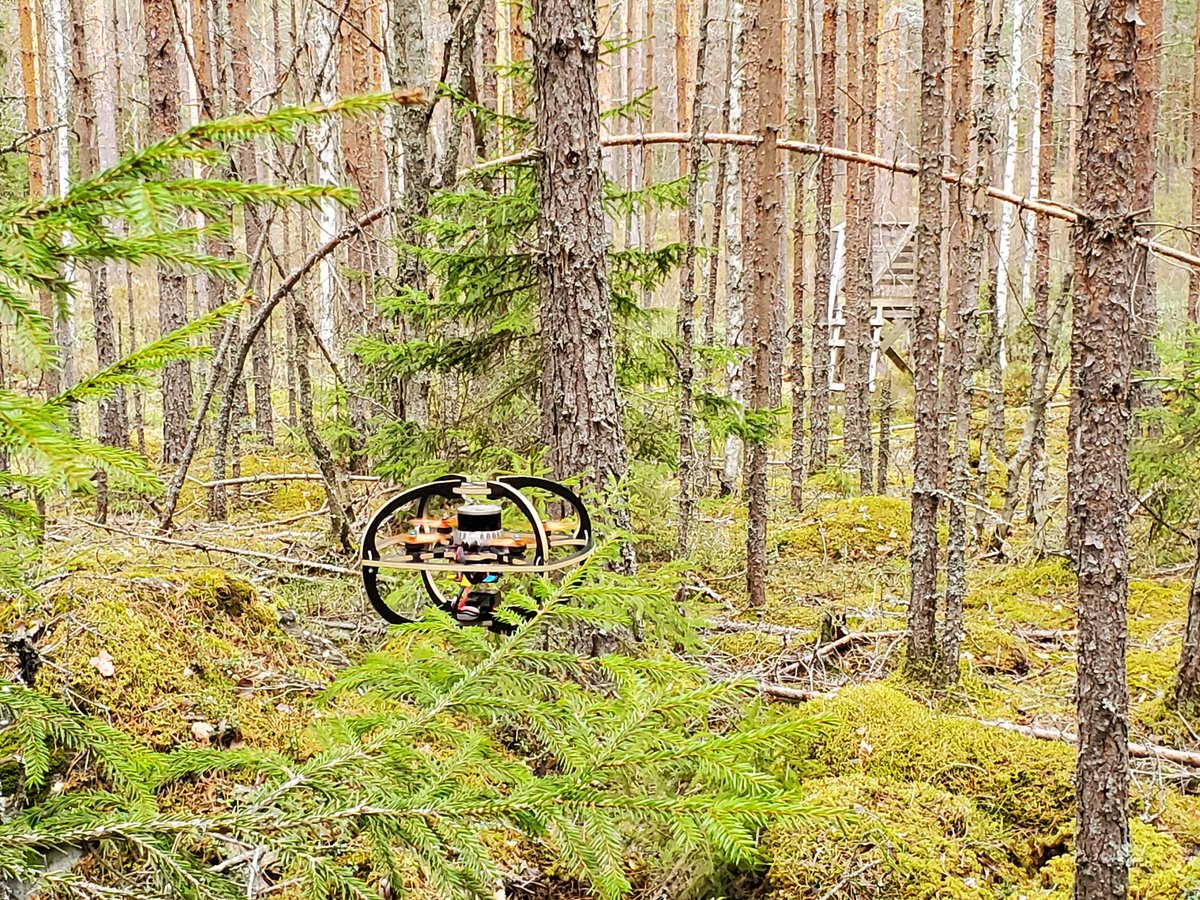
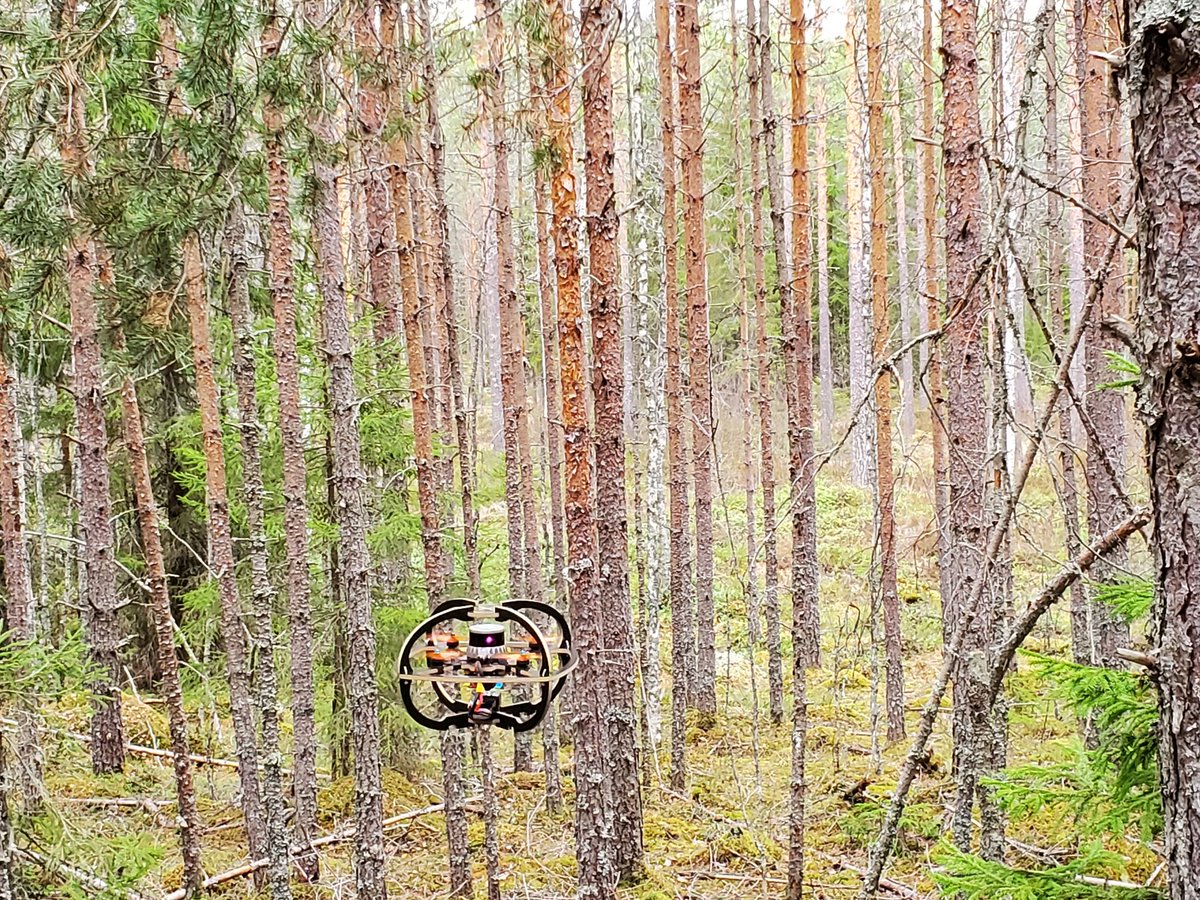
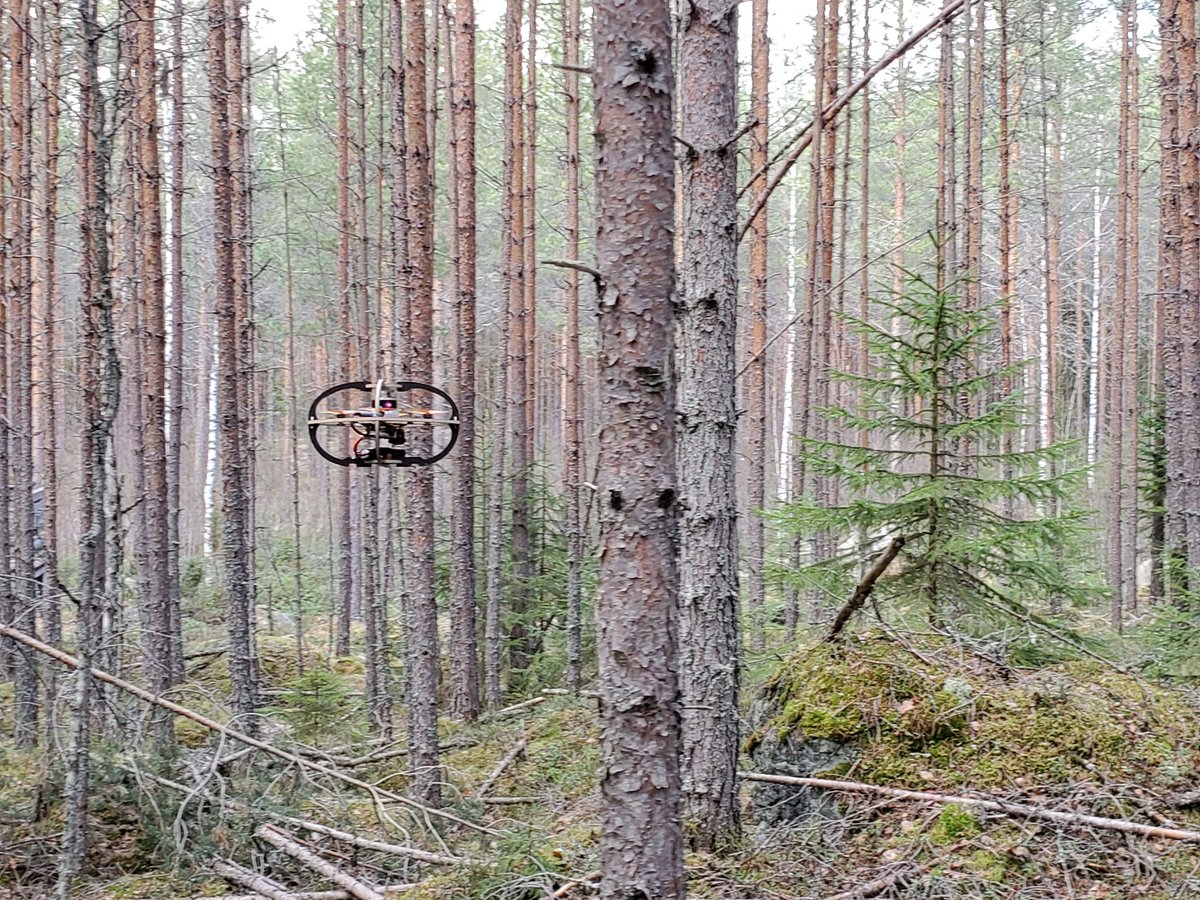
Conducting tests of autonomous forest under canopy navigation and mapping in Finland as part of the @digiforest_eu project with great partners and friends. Working to make any place a "walk at the park" for robot autonomy ;)