What does the next decade of BRICS cooperation look like for the Global South?
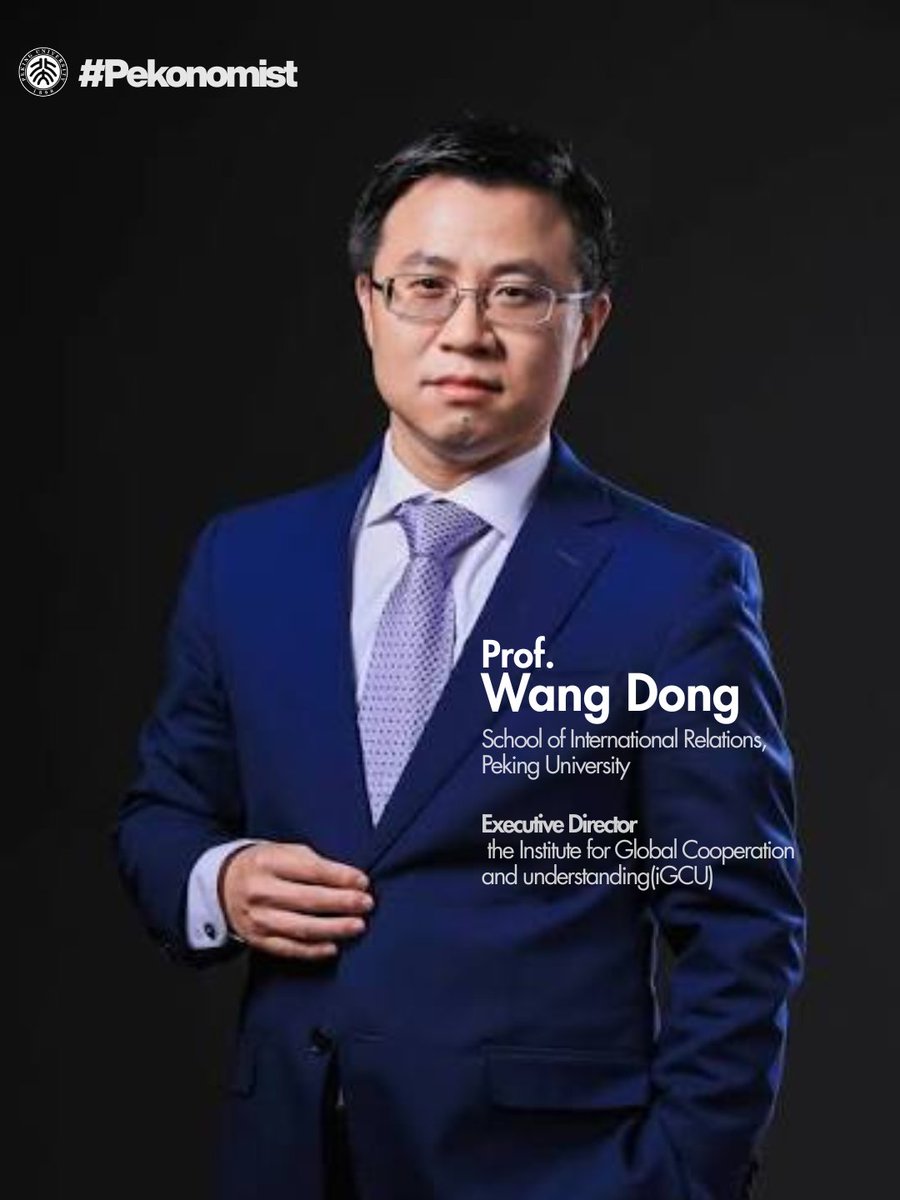
Open-source AI, streamlined trade, smarter manufacturing, and a stronger talent pipeline: writing for Peking University, Pekonomist Prof. Wang Dong of the School of International Studies unpacks five initiatives aimed at helping Global South economies move beyond low-end industry constraints.
He argues these mark a shift from expanding scale to genuine transformation, positioning BRICS as a growing force in global governance rather than a purely regional platform.
AI could be one of the biggest opportunities for the Global South in centuries?
Ahead of the Global South Modernization Forum 全球南方现代化论坛 in Cairo, Egypt, on September 30, Pekonomist Professor Huang Yiping 黄益平 of Peking University looks at what AI could mean for developing economies.
If AI becomes a "general-purpose technology" like electricity or the steam engine, developing countries could have a chance to move ahead. But without the right conditions, they could also risk falling further behind.
Huang points to China's experience in AI applications and cooperation as one way for the Global South to capture what he calls a rare opportunity.
🎤: Du Muqin, Guo Yasong
🎦: Zheng Zibo
— Open Question Series
Part of Peking University’s “Re-encounter with Chinese Glories” initiative, this film explores the ideas behind the interdisciplinary exhibition 𝑴𝒊𝒂𝒏 𝑴𝒊𝒂𝒏 𝑮𝒖𝒂 𝑫𝒊𝒆 (绵绵瓜瓞): 𝑬𝒏𝒅𝒍𝒆𝒔𝒔 𝑽𝒊𝒏𝒆𝒔—𝑷𝒂𝒕𝒉𝒘𝒂𝒚𝒔 𝒊𝒏 𝑰𝒏𝒕𝒂𝒏𝒈𝒊𝒃𝒍𝒆 𝑪𝒖𝒍𝒕𝒖𝒓𝒂𝒍 𝑯𝒆𝒓𝒊𝒕𝒂𝒈𝒆.
Long before Bézier curves had a name, craftspeople were already making them by hand.
Following that thread, computer scientist Chen Baoquan and mathematician Fu Xiang move from repeating structures in traditional window lattices and nested folk tales to embodied AI and interactive media, looking at why certain ideas keep resurfacing in new mathematical and digital forms.
Trace it further in the Digital Intelligence episode of Pathways in Intangible Cultural Heritage.
197 clubs. One very loud quad. Zero chance you walk away without finding your people.
PKU Club & Societies Fair, find your poison in 30 seconds. 🎞️
Photographed by Guo Mengjiao, Ji Haoyu, Li Jiayi, Li Xinchen, Huang Zhe, Wang Ziqian, Zhu Chengxuan, Zheng Tao, Zhao Xinmiao
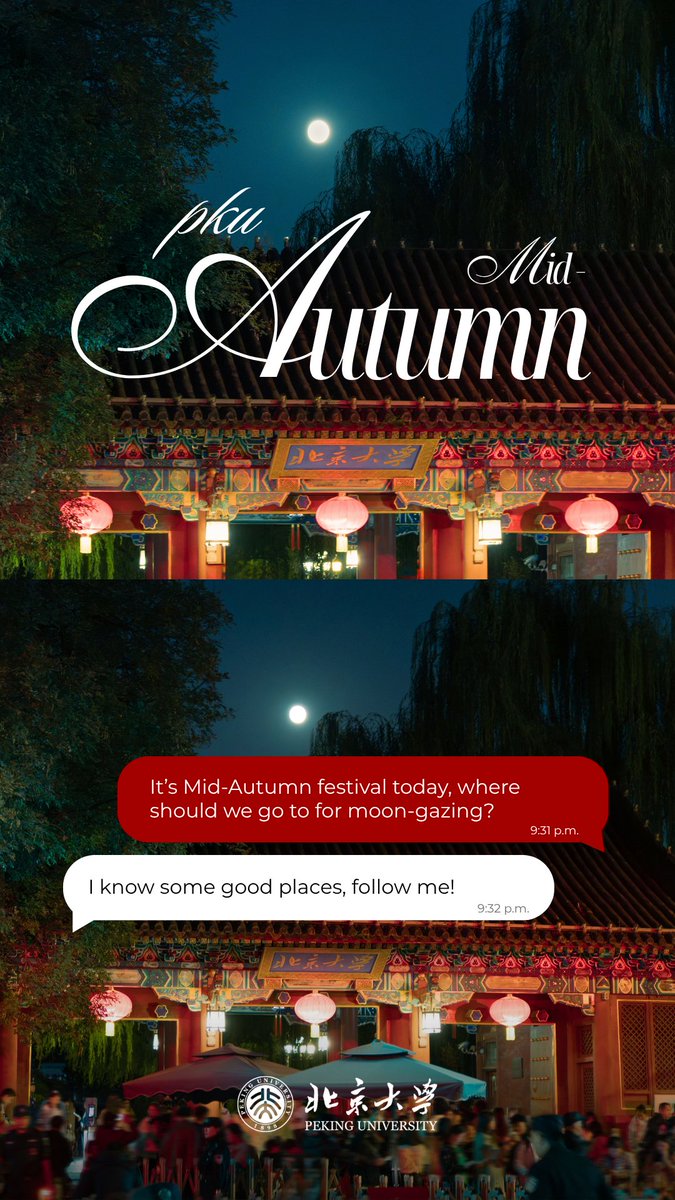
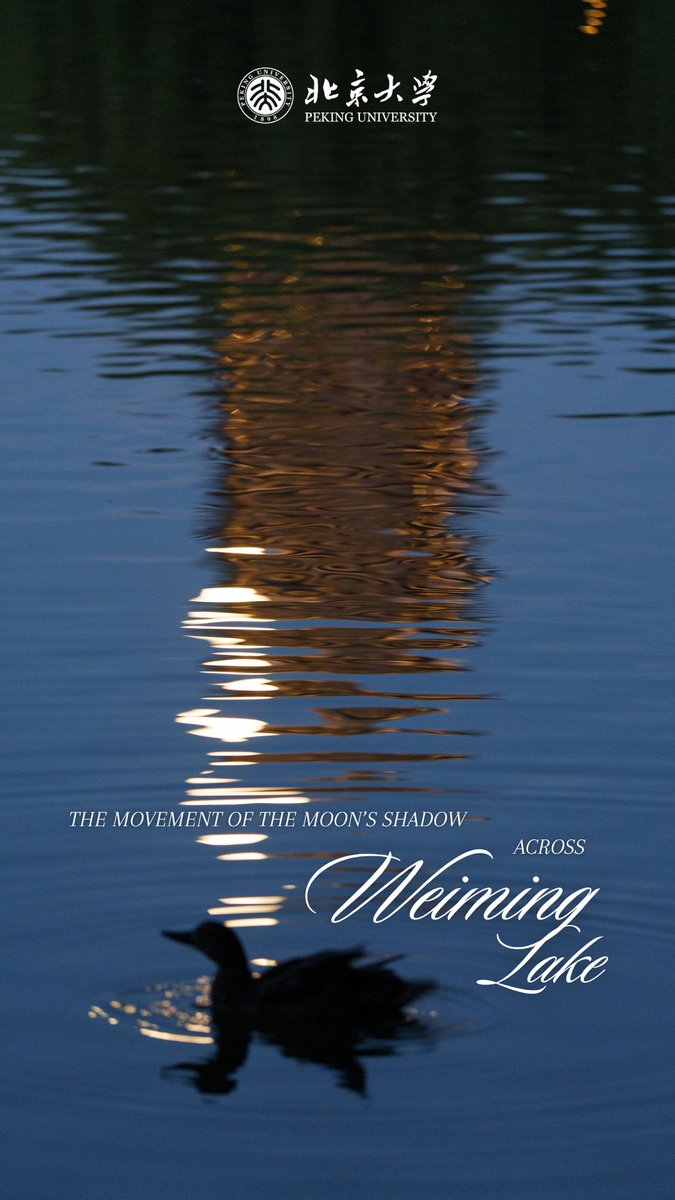
The Mid-Autumn Festival is here. PKUers can admire stunning full-moon views all across campus! 🌕
Wherever you may be, let’s gaze up at the same moon and savour this precious moment together.
Photographed by Wu Lianliang, Yang Yizhe, Ji Haoyu, Li Jiayi
Designed by Ng Wan Xuan Florence
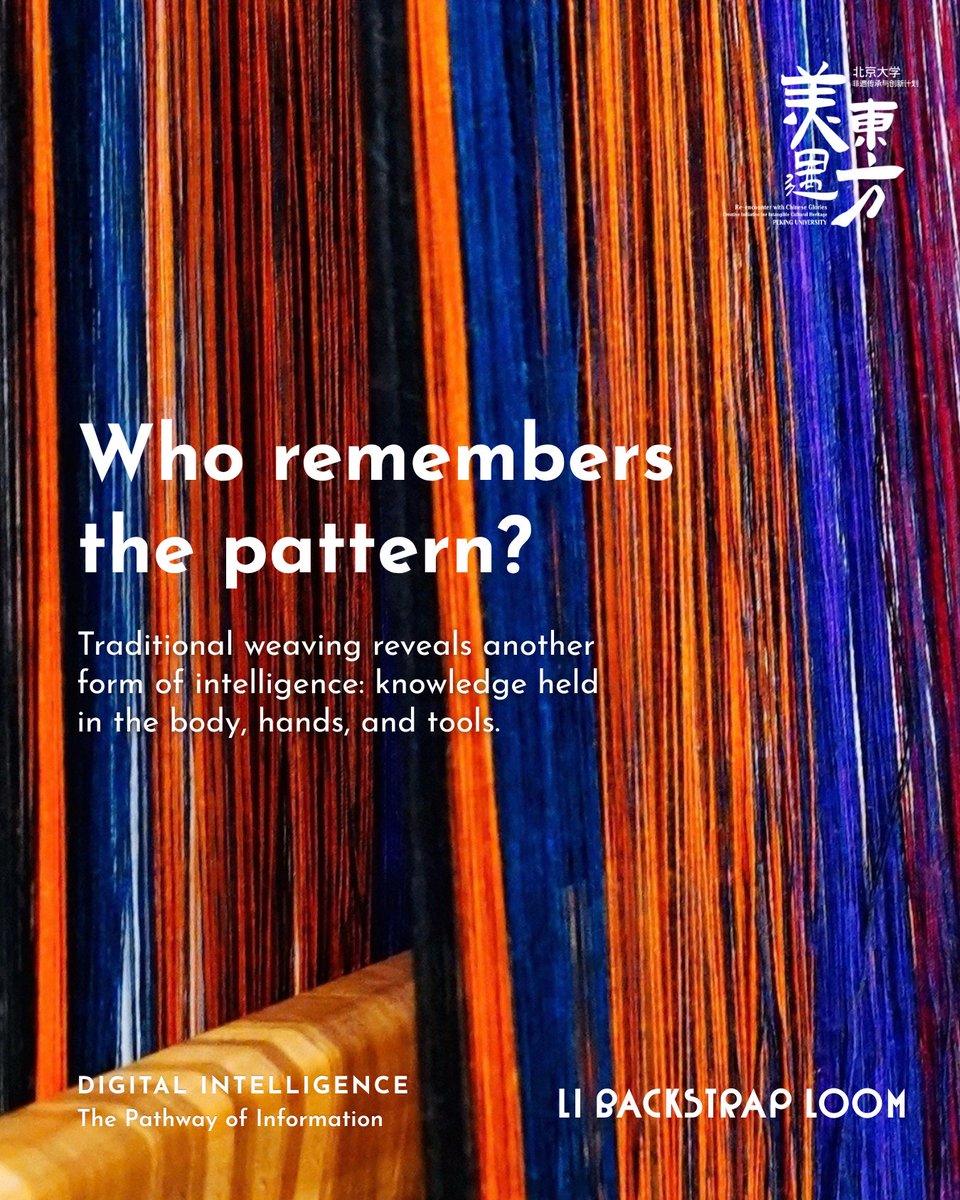
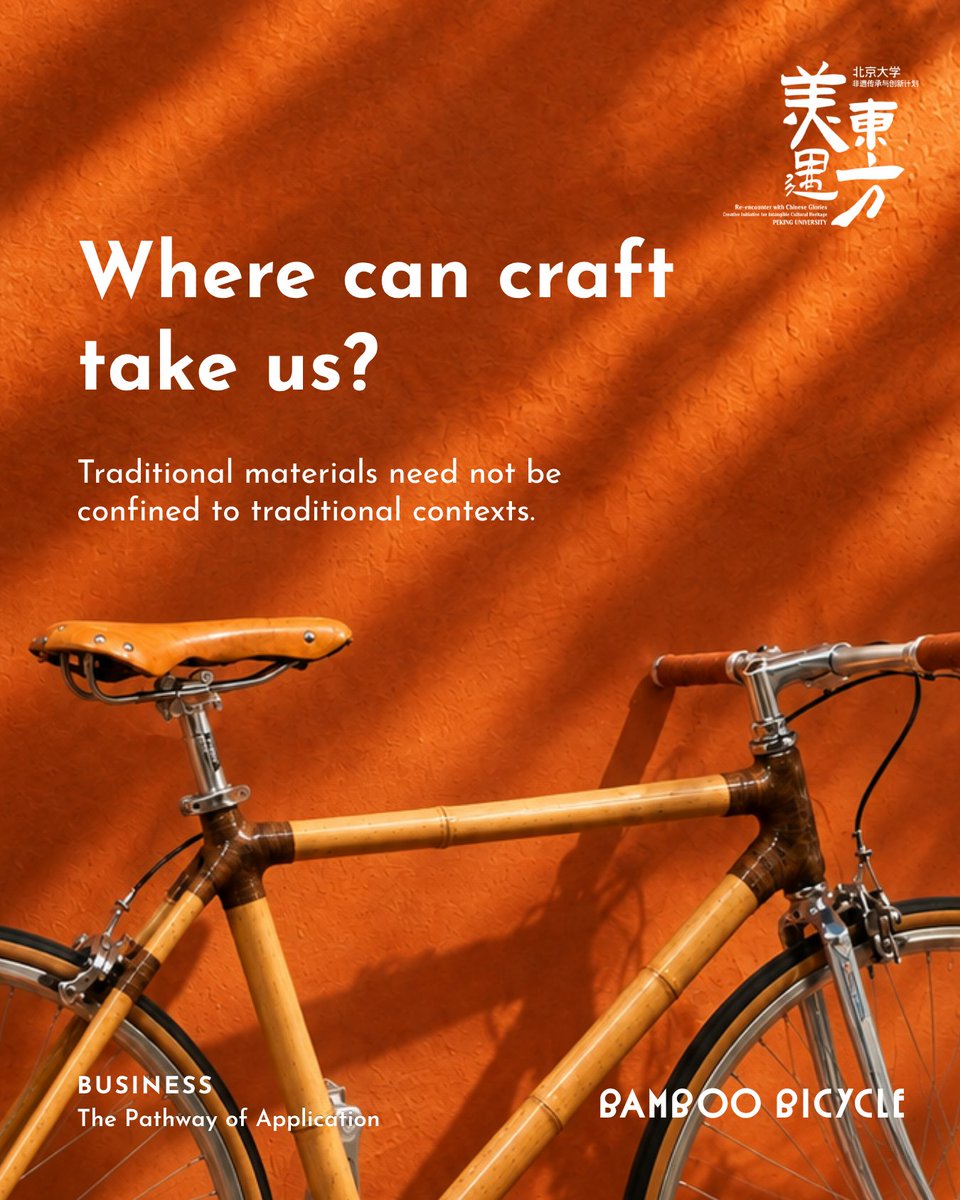
Why do a cloth tiger, a backstrap loom, and a bamboo bicycle belong in the same gallery?
At 𝑬𝒏𝒅𝒍𝒆𝒔𝒔 𝑽𝒊𝒏𝒆𝒔 绵绵瓜瓞, we explore how intangible cultural heritage evolves through matter, form, structure, memory, and application. As the exhibition’s Macao run comes to a close, let’s take one more look around.
PKU Guanghua MBA students recently traveled to Lisbon for a five-day Global Business Immersion Program in partnership with ISEG – Lisbon School of Economics & Management.
Under the theme "Responsible Growth: Agriculture Meets Technology," the program took students beyond the classroom and into cork oak forests, olive groves, and vineyards, offering a closer look at how a mature agricultural economy pursues high-quality, long-term growth through technology, sustainability, and value-chain innovation.
Five days in Portugal offered a fresh perspective on growth: it does not always mean disruption. Sometimes, it means using technology to build on tradition, while turning patience into a competitive advantage.
#PKUGuanghua #GuanghuaMBA
At the 18th BRICS Leaders' Meeting in New Delhi, China put forward five initiatives to deepen cooperation among member states: open and inclusive AI, trade and investment facilitation, digital industry cooperation, intelligent manufacturing, and science and technology talent development.
Tian Li, director of the Internet Development Research Center at Peking University, noted that these initiatives translate a shared aspiration across the Global South for equitable development into concrete, actionable plans.
In her view, the initiatives provide both direction and method, giving member states a practical framework for advancing development together as the bloc looks ahead.
Watch the full interview:
https://t.co/5mCkRxErUn
#Pekonomist
#AutumnEquinox is here! 🍂 Mornings and evenings are getting cooler, while the days still hold onto a touch of summer warmth. A fresh autumn breeze is sweeping across #PKUCampus, bringing a new season into view.
#PKUCalendar#24SolarTerms
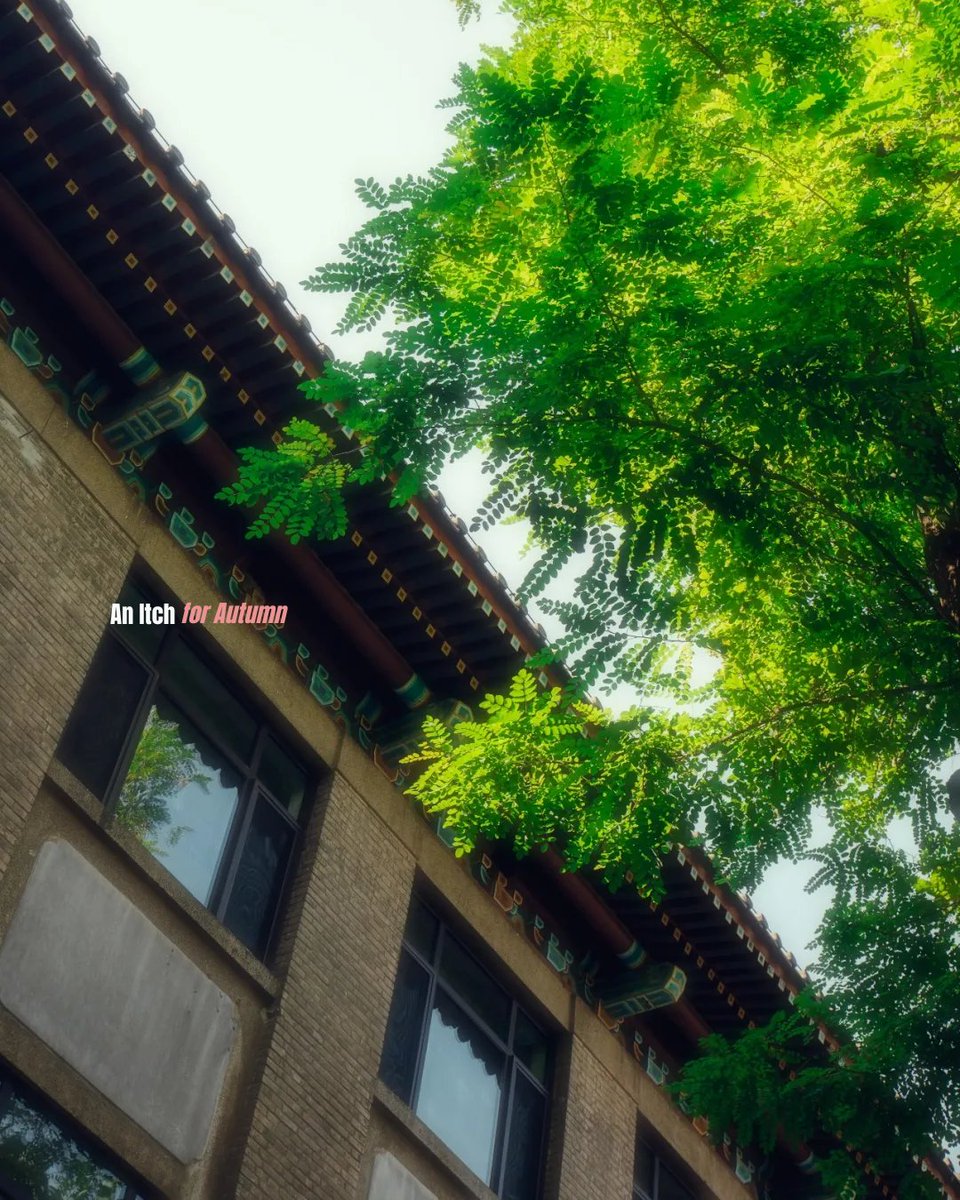
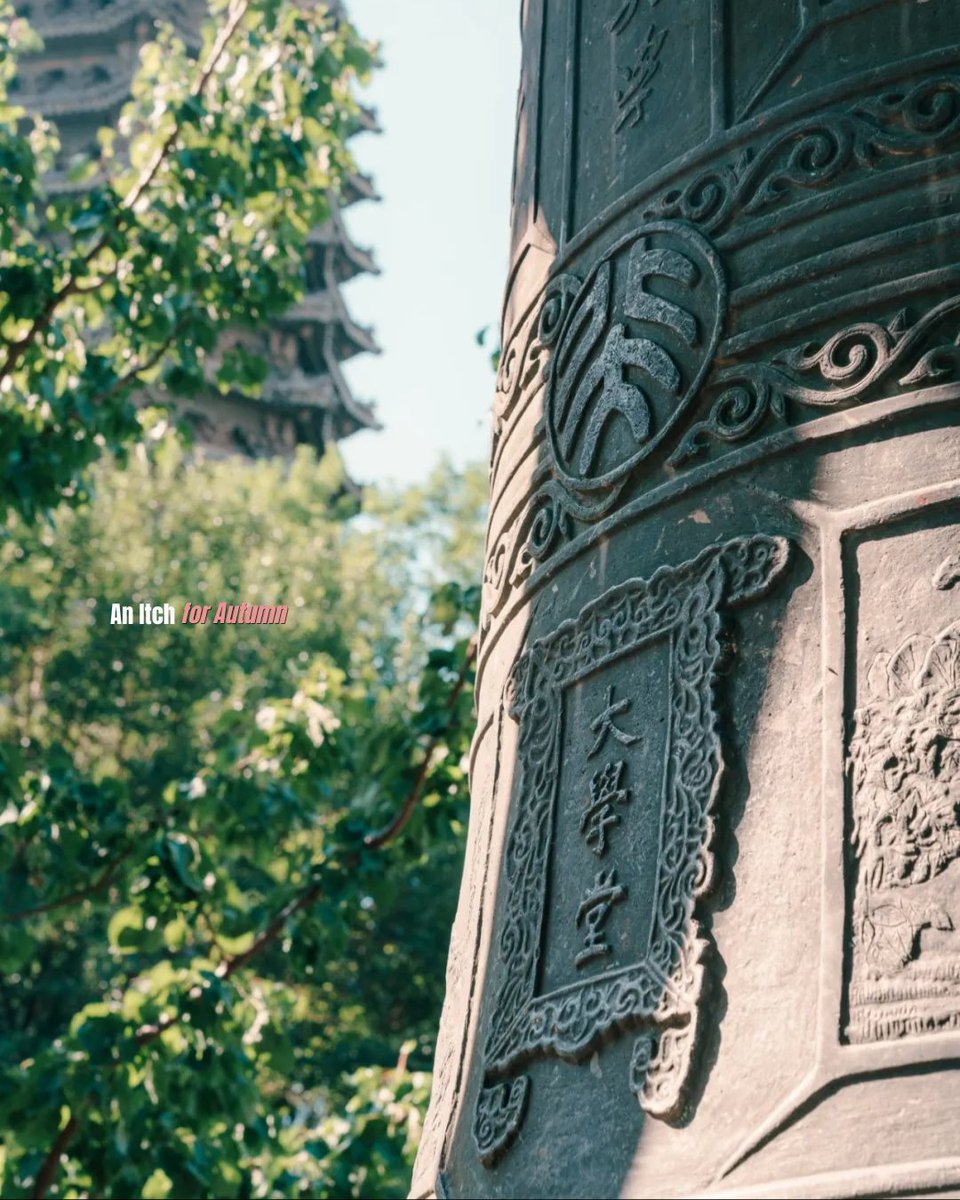
An itch for Autumn,
like for all.
Not gold yet.
But the light's already changed its mind —
Autumn arrives in the air before it arrives on the trees.
Photographs by Chu Zhaohan, Huang Zhe, Guo Mengjiao, Xiang Tingyan, Zhai Mengkun, Wang Ziqian
#PKUinAutumn
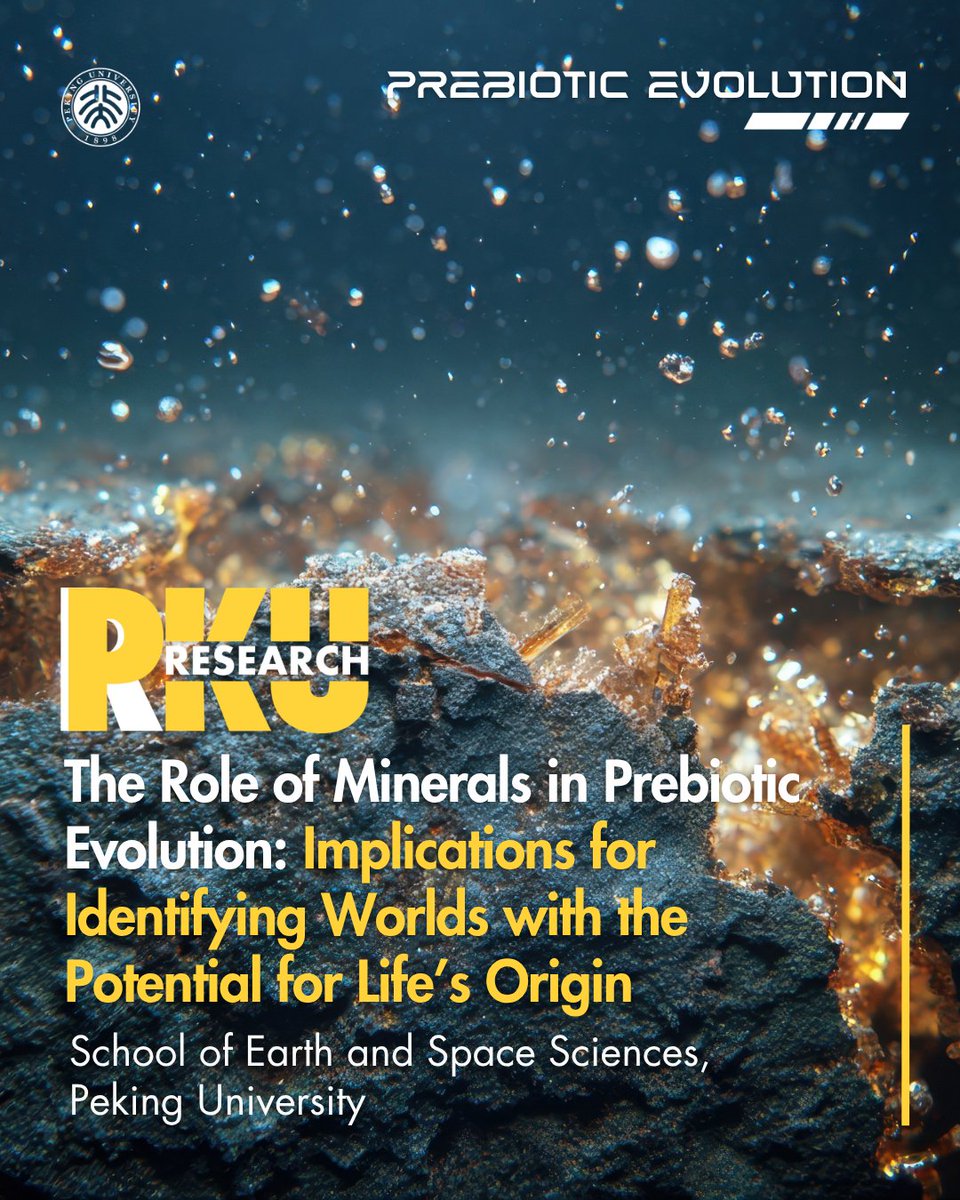
Where does life come from—and could it arise elsewhere?
A research team led by Assoc. Prof. Li Yan at the School of Earth and Space Sciences has published a review in Fundamental Research proposing that specific combinations of minerals, rather than habitability alone, may be the key signal of a planet's potential to originate life.
By mapping how minerals catalyze, protect, and template prebiotic chemistry, the team introduces "originability" as a new framework for identifying worlds worth exploring.
The work involved researchers from CCME and the School of Life Sciences, with first author Lu Houze.
Read More: https://t.co/2tVAwzmjve
#PKUResearch @FundamentalRes
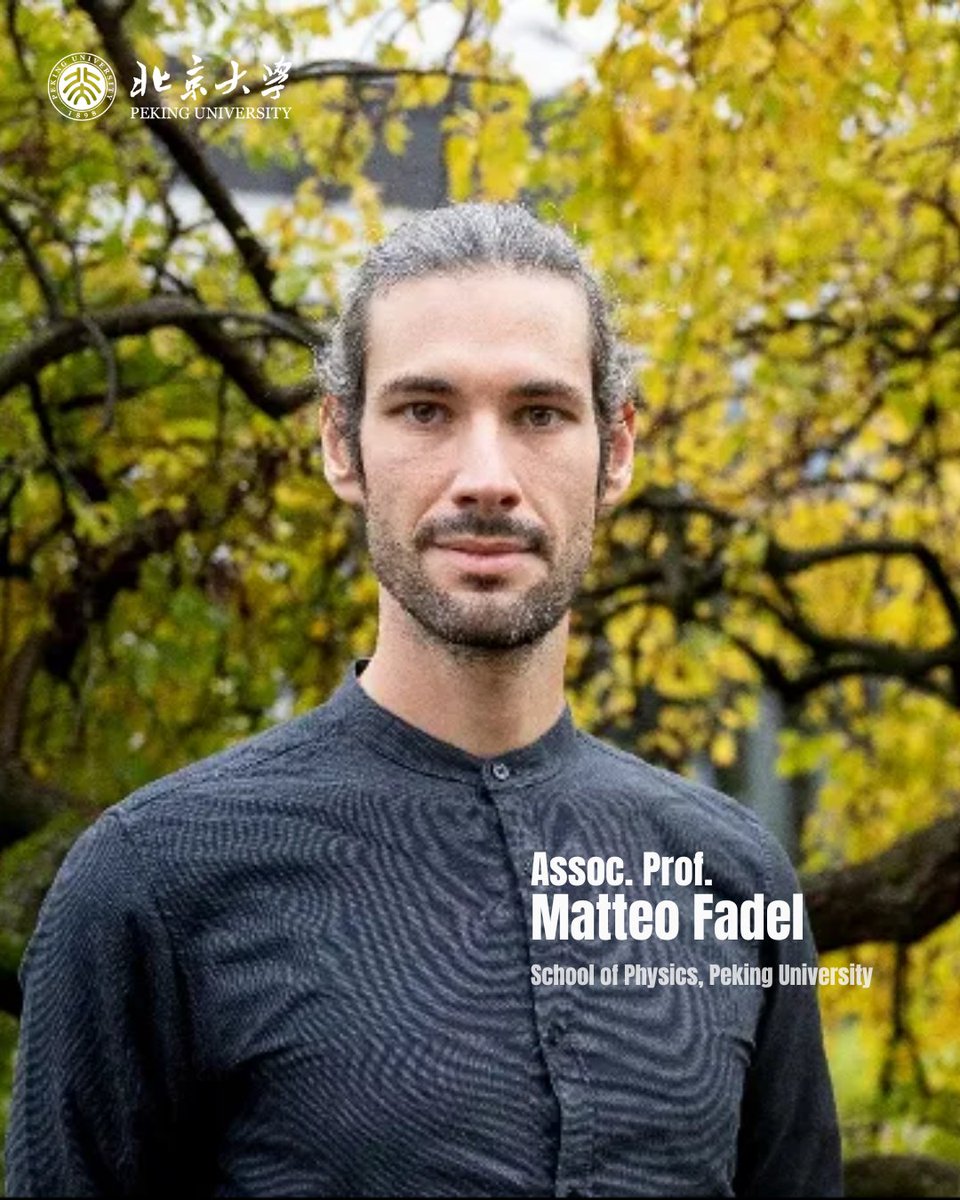
What does a 16-microgram Schrödinger's cat look like in the lab? Matteo Fadel has built one.
Trained at the University of Padua, ETH Zurich, and the University of Basel, Fadel joins the #PKU School of Physics as a tenure-track associate professor, bringing expertise in quantum acoustics and hybrid quantum systems that couple mechanical oscillators with superconducting qubits.
His work has appeared in Science and Nature Physics, and he has been recognized with the Paul Ehrenfest Best Paper Award and Switzerland's Prix Schläfli.
Welcome, Assoc. Prof. Fadel!
Part of Peking University’s “Re-encounter with Chinese Glories” initiative, this film explores the ideas behind the interdisciplinary exhibition 𝑴𝒊𝒂𝒏 𝑴𝒊𝒂𝒏 𝑮𝒖𝒂 𝑫𝒊𝒆 (绵绵瓜瓞), 𝑬𝒏𝒅𝒍𝒆𝒔𝒔 𝑽𝒊𝒏𝒆𝒔: 𝑷𝒂𝒕𝒉𝒘𝒂𝒚𝒔 𝒊𝒏 𝑰𝒏𝒕𝒂𝒏𝒈𝒊𝒃𝒍𝒆 𝑪𝒖𝒍𝒕𝒖𝒓𝒂𝒍 𝑯𝒆𝒓𝒊𝒕𝒂𝒈𝒆.
The exhibition is on view through September 24, 2026, at the Macau University of Science and Technology Art Museum in Macao, China—the first stop on its global tour.
A bamboo weave. A square knot. A crackle glaze. A painting from 1072.
In the Mechanics episode of Pathways in Intangible Cultural Heritage, soft robotics researcher Liu Ke and art history scholar Liu Chen explore how craft works with force and how art makes us feel it.
Can an artificial muscle work better with the same fibers but different knots? And what gives a painted mountain its sense of force? Watch to find out.
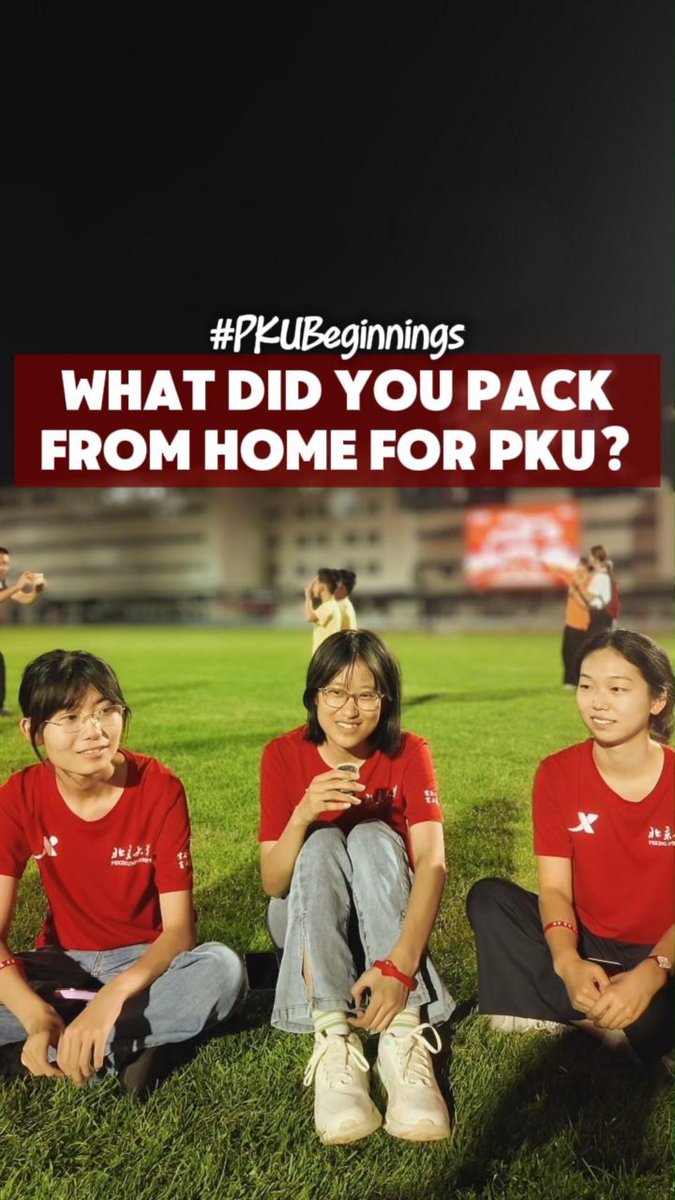
What did you bring from home to start your new chapter at PKU? 🎒
A map, a mooncake, a fan, a camera, and even an empty mind. For these freshmen, each item carries a little piece of home, a memory, or a hope for what's ahead.
So, what would you pack for your first day at PKU?
🎦: Tiffany Yap, Renée Pang, Katherine Chen
#PKUBeginnings #PKUers
Part of Peking University’s “Re-encounter with Chinese Glories” initiative, this film explores the ideas behind the interdisciplinary exhibition 𝑴𝒊𝒂𝒏 𝑴𝒊𝒂𝒏 𝑮𝒖𝒂 𝑫𝒊𝒆 (绵绵瓜瓞): 𝑬𝒏𝒅𝒍𝒆𝒔𝒔 𝑽𝒊𝒏𝒆𝒔—𝑷𝒂𝒕𝒉𝒘𝒂𝒚𝒔 𝒊𝒏 𝑰𝒏𝒕𝒂𝒏𝒈𝒊𝒃𝒍𝒆 𝑪𝒖𝒍𝒕𝒖𝒓𝒂𝒍 𝑯𝒆𝒓𝒊𝒕𝒂𝒈𝒆.
The exhibition is on view through September 24, 2026, at the Macau University of Science and Technology Art Museum in Macao, China—the first stop on its global tour.
“China’s art tradition is folk art. Labor art. Humble art.”
In the Aesthetics episode of Pathways in Intangible Cultural Heritage, Peking University professor Xiang Yong, who holds the UNESCO Chair on Creativity and Sustainable Development in Rural Areas, traces Chinese aesthetics back to everyday life and to the balance between people and nature.
His team has visited more than 40 communities with local painting traditions across China and interviewed nearly 100 folk artists. A Chinese rural painting database is now being built as part of the UNESCO Chair’s initiatives.