1. It has a long history.
Milk thistle (*Silybum marianum*) has been used in Europe for over 2,000 years as a remedy for liver and gallbladder complaints, and it remains one of the most popular liver-related herbs today.
2. Silymarin is the key compound. This group of flavonolignans, with silybin as the main one, is concentrated in the seeds and is what most research focuses on.
3. It's an antioxidant.
Silymarin neutralizes free radicals and may protect liver cells from oxidative damage, shown mostly in lab and animal studies.
4. It may protect liver cells from toxins.
It's best known as an emergency treatment for death cap mushroom poisoning in Europe, using a purified intravenous form of silybin under hospital care. This is not something to attempt with supplements.
5. It may support fatty liver.
Some trials in people with non-alcoholic fatty liver disease report improved liver enzymes, though results are mixed and effects on liver damage itself are unclear.
6. It may help with alcohol-related liver disease.
A few studies suggest benefits, but larger reviews have not found a clear improvement in survival.
7. It may help with liver enzymes in some conditions.
Some trials show lower ALT and AST levels, but this is not the same as healing the liver.
8. It has anti-inflammatory activity.
Lab studies show silymarin calms inflammatory pathways in liver tissue.
9. It may help blood sugar and cholesterol.
Small trials, mostly in people with type 2 diabetes, show modest improvements.
10. It's easy to find.
It comes as capsules, extracts, and teas. Standardized extracts matter, since tea delivers little silymarin because the compounds dissolve poorly in water.
1. It has a long history.
Valerian has been used since ancient Greece and Rome as a calming herb, and it remains one of the most popular herbal sleep aids in Europe and North America.
2. It helps you fall asleep faster. Some trials report shorter time to sleep onset, though others find no difference from placebo.
3. It may improve sleep quality. Several small studies show better self-reported sleep, but results are inconsistent and often rely on subjective ratings.
4. It may work on GABA. Compounds like valerenic acid appear to influence the same calming brain pathway targeted by many sleep and anti-anxiety drugs, though the exact mechanism isn't settled.
5. It may ease mild anxiety.
Some people use it to settle a racing mind before bed, but human evidence is limited.
6. It may help during menopause.
A few small trials found improved sleep in postmenopausal women.
7. It's non-habit-forming in typical use.
No clear dependence has been shown, unlike many prescription sleep aids.
8. It's widely available.
Capsules, tinctures, and teas are easy to find without a prescription.
9. It's often paired with other herbs.
Blends with hops, lemon balm, or chamomile are common, though this makes it hard to credit valerian alone.
10. It works best with patience. Many people report effects only after two to four weeks of consistent use, rather than the first night.
1. It has a very long history.
Panax ginseng has been used in traditional Chinese and Korean medicine for thousands of years as a tonic for vitality. The name *Panax* comes from the Greek for "all-healing."
2. It's an "adaptogen" in traditional use.
Herbalists have long used it to help the body cope with stress and fatigue, though "adaptogen" is a traditional concept, not a proven medical category.
3. It may reduce fatigue.
Some trials, including in people with chronic fatigue and cancer-related fatigue, report modest improvements in energy.
4. It may support memory and focus.
Small studies show short-term gains in attention and working memory, but results are inconsistent.
5. It may help blood sugar.
Several trials show modest drops in fasting glucose, mostly in people with type 2 diabetes.
6. It may support immune function.
Some research suggests fewer colds and respiratory infections with certain extracts, but the evidence is limited.
7. It may help erectile function.
Korean red ginseng is among the better-studied herbs for this, with small trials showing improved symptoms.
8. It has antioxidant and anti-inflammatory activity.
Ginsenosides, its main active compounds, show these effects in lab studies.
9. It may modestly support exercise performance.
Findings are mixed, and benefits seem small.
10. It comes in several forms.
Panax (Asian) ginseng is the classic type, and American ginseng (*Panax quinquefolius*) is milder. Siberian ginseng is a different plant altogether. Red ginseng is steamed root, and products include teas, capsules, and extracts.
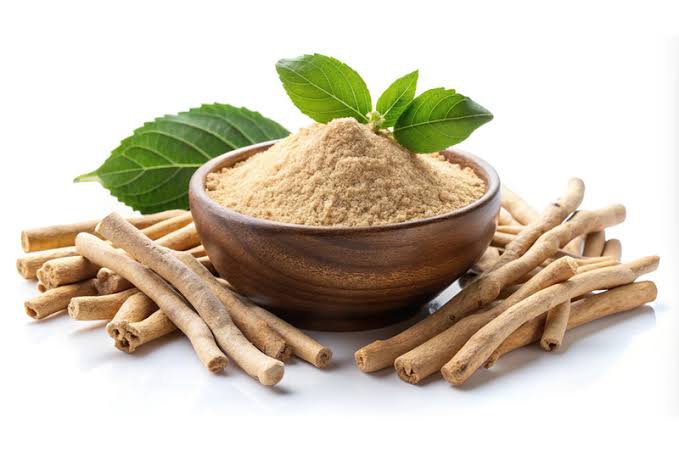
1. It has deep Ayurvedic roots.
Used for thousands of years as a "rasayana," a tonic meant to build vitality and resilience. Its name is often translated as "smell of the horse."
2. It may lower stress and anxiety.
Several small randomized trials report reduced perceived stress and lower anxiety scores, typically with standardized root extracts over 6 to 8 weeks.
3. It may reduce cortisol.
Some trials show lower morning cortisol in stressed adults, though results vary by extract and dose.
4. It may improve sleep.
Small studies, especially in people with insomnia, found better sleep quality and faster sleep onset. Effects in healthy sleepers are weaker.
5. It may support strength and recovery.
A few small trials in resistance-trained men reported greater gains in muscle strength and size than placebo.
6. It may improve endurance.
Some studies show modest gains in VO2 max and exercise capacity.
7. It may raise testosterone in some men.
Small trials suggest increases in men with low fertility or stress, with mixed results elsewhere.
8. It may support memory and attention.
Early studies in adults with mild cognitive complaints show some improvement, but the evidence is thin.
9. It may help blood sugar and cholesterol.
Small trials show modest improvements, mostly in people who already have elevated levels.
10. It contains withanolides.
These are the main active compounds, and product quality varies a lot, so standardized extracts matter.
1. It has a long folk medicine history. European, Chinese, and Native American traditions have used the root, leaf, and flower for centuries, mainly for digestion, liver support, and fluid balance.
2. The leaves are a traditional diuretic.
Its French name, *pissenlit*, nods to this use. One small human study found increased urination after leaf extract, but evidence is limited.
3. The root is a bitter digestive tonic.
Bitter compounds traditionally stimulate appetite and digestive juices, and dandelion root tea is a common after-meal drink.
4. It's a traditional liver herb.
Folk use for "cleansing" the liver is widespread, but human evidence is lacking, and the body's liver doesn't need a detox herb.
5. The greens are nutrient-dense. Leaves are a good source of vitamin K, vitamin A, vitamin C, and some calcium, iron, and potassium.
6. It's rich in antioxidants. Polyphenols and beta-carotene show antioxidant activity in lab studies.
7. The root contains inulin.
This prebiotic fiber feeds beneficial gut bacteria and may support regularity.
8. It shows anti-inflammatory activity.
Lab and animal studies point to anti-inflammatory effects, but human trials are scarce.
9. It may influence blood sugar and cholesterol.
Animal studies show promise, but human data is minimal.
10. It's a versatile food.
Young leaves add a pleasant bitterness to salads and sautés, flowers can be fried or made into wine and jelly, and roasted root makes a coffee-like drink.