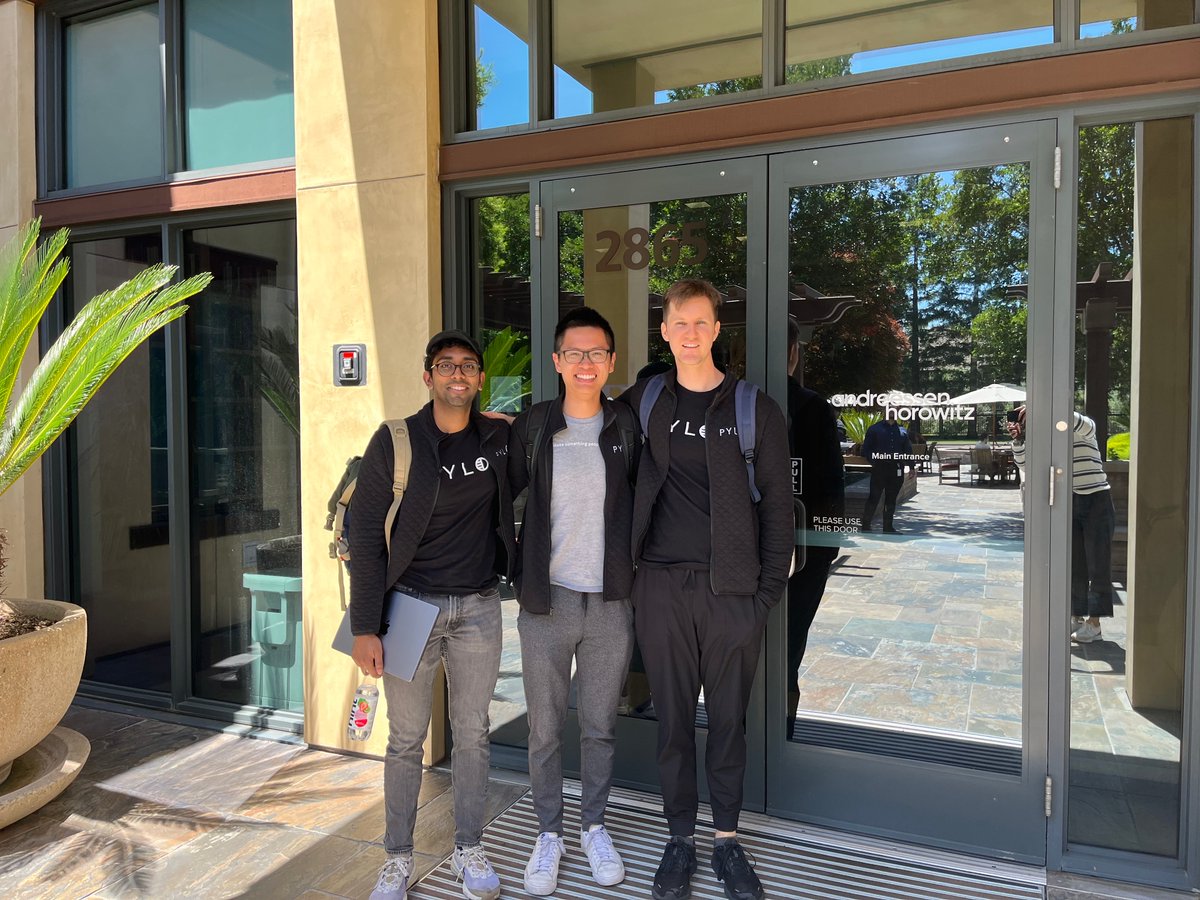
Tennis AI detections are advancing!
All shots are now detected automatically:
-Forehand
-Backhand
-Volley
No manual labelling & 100% accuracy on this clip 👀👀
In this post, we share 11 use cases at the intersection of crypto and AI to help kickstart conversations about what’s possible, what challenges are left to solve, and more — grounded in technology already being built today.
Check it out: https://t.co/rVxjVDI8Dj
Excited to publish my Crypto Trends Report for 2025!
It frames crypto’s growth as a story of 3 compounding s-curves: asset creation, asset accumulation, and asset utilization
The report applies this lens across five key thematic areas – macro, stablecoins, centralized exchanges, onchain activity, and frontier markets – to predict where the industry may be headed
For your weekend browsing...
Here are 19 books for builders.
From histories of innovation and stories of resilience, to systems thinking and philosophy in practice, there's something in here for everyone!
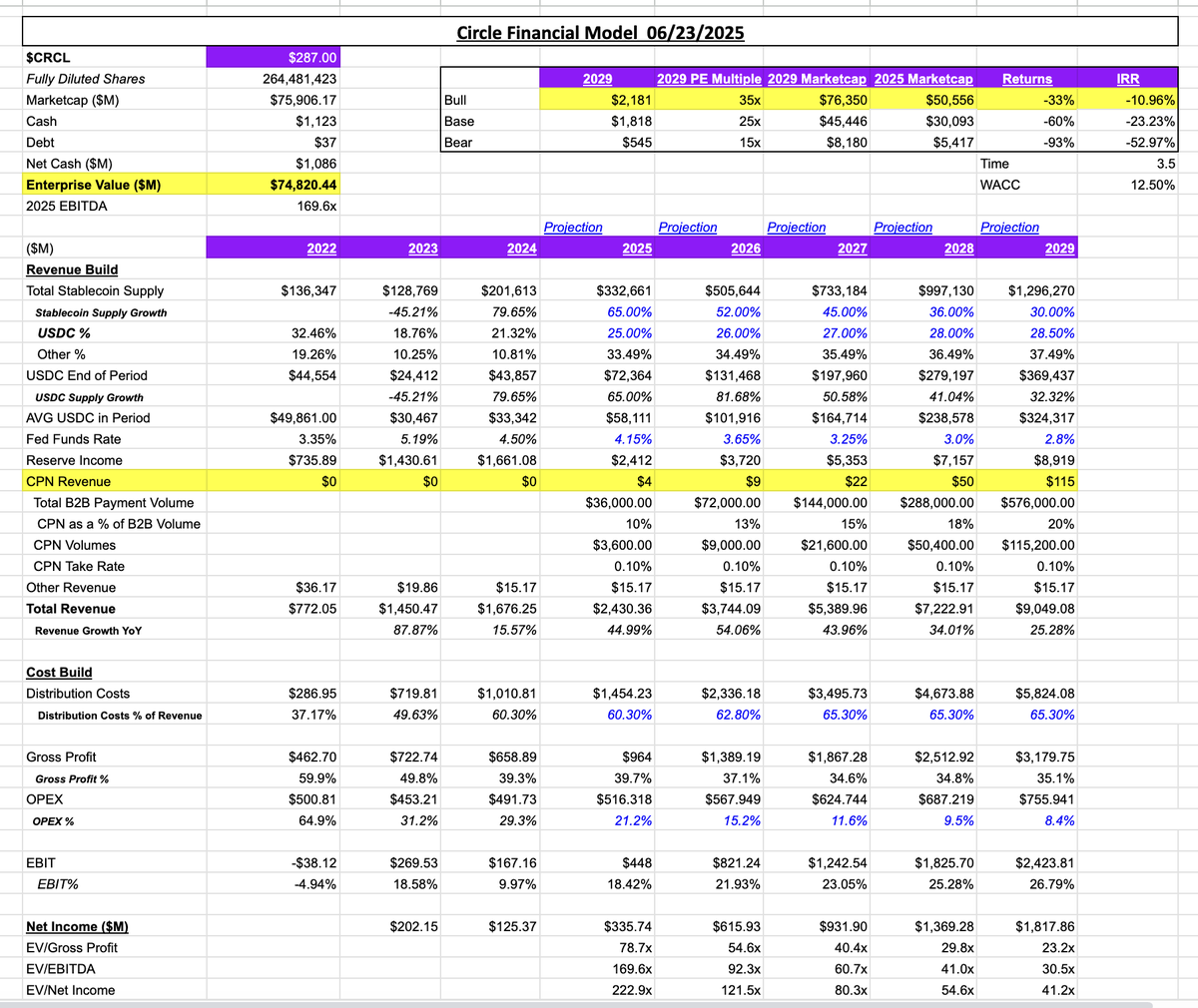
Circle is now ~$74B enterprise value.
Circle is now more valuable than Robinhood ($68B), Nubank ($59B), Block ($38B), and just $4B shy of Coinbase ($78B).
Circle now trades at:
- 32x revenue
- 80x gross profit
- 152x EBITDA
- 285x earnings
In comparison, USDC is $60B of marketcap growing 90% YoY.
We'll soon be able to estimate Q2'25 Circle numbers based on onchain stablecoin supply.
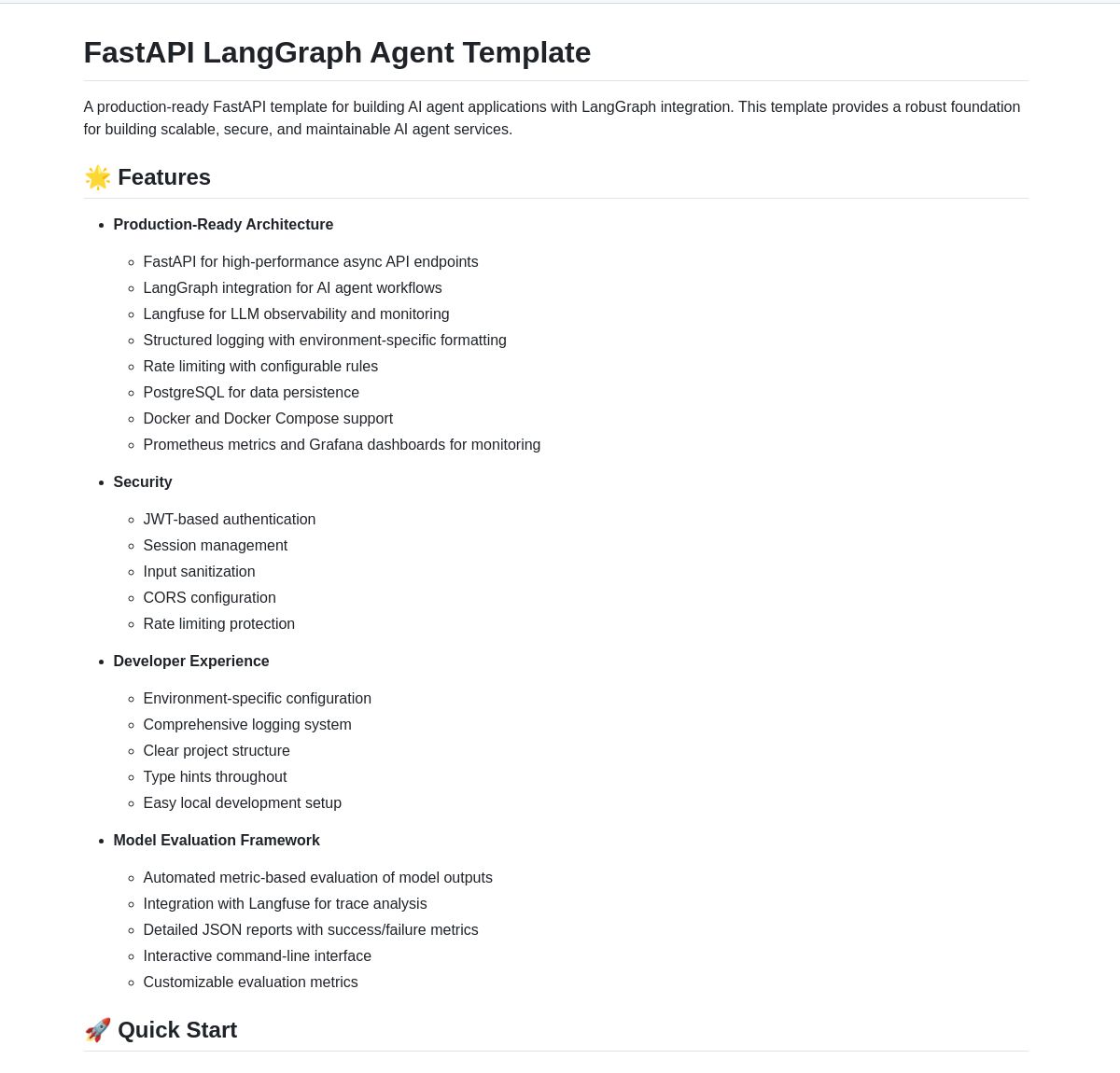
⚡ FastAPI LangGraph Agent Template
Production-ready template for building secure AI agents with FastAPI and LangGraph. Features Docker support, monitoring tools, and multi-LLM compatibility through LangChain's ecosystem.
Start building production agents 🔧
https://t.co/yUPFo7qwps
🎓🔬 LangManus Framework
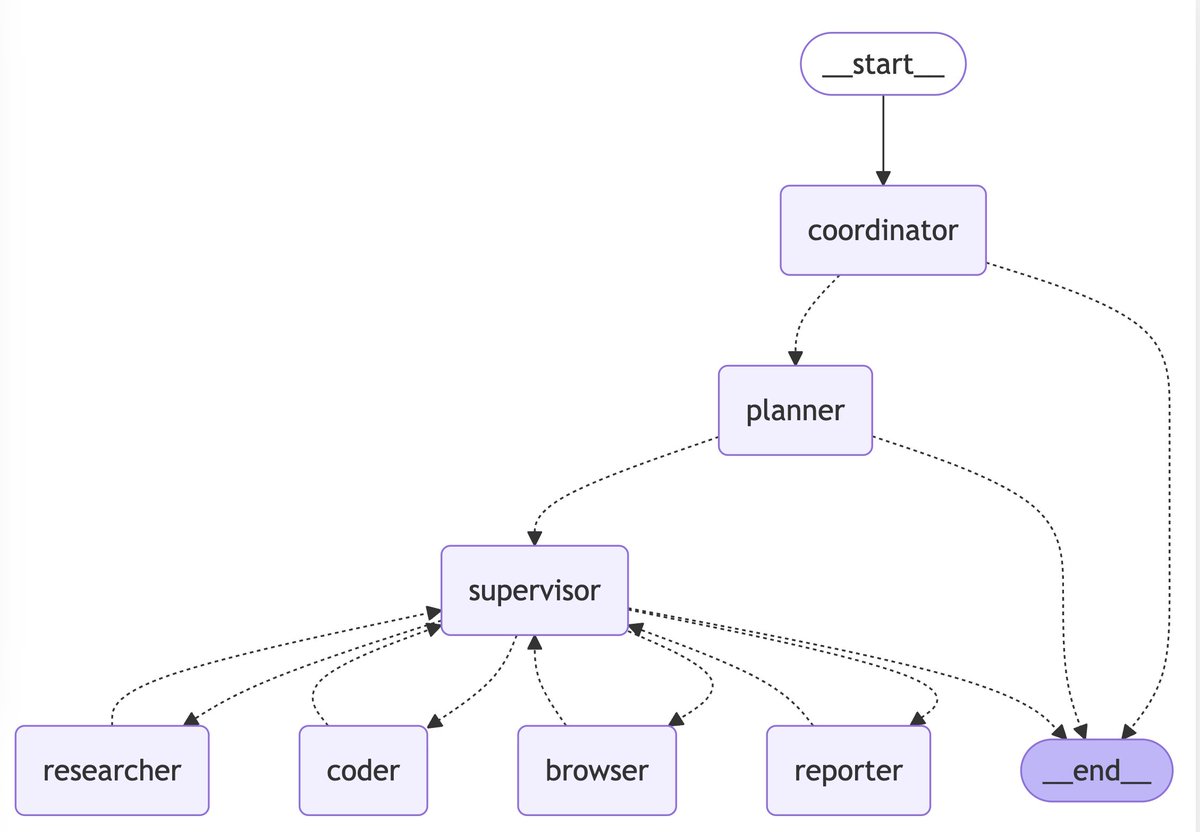
An open-source research project leveraging LangChain and LangGraph to create a powerful multi-agent system with seven specialized agents for complex AI tasks.
Check out the project 👉 https://t.co/V7jLgMmw9c
Everyone is talking about MCP, but this was a massive week in AI Agents
I summarized everything announced by OpenAI, LangChain, AutoGen, Hugging Face, LlamaIndex, Reworkd, Composio, MetaGPT, & more
Here's everything you need to know & how to make sense of it:
(save for later)
Here's a useful way to categorize tokens -- from network tokens to memecoins, plus a handy flowchart to help figure things out.
Token definitions: https://t.co/aXXKzXssFH
Company-backed vs. network tokens: https://t.co/0dVpCp1gjS
by @milesjennings, @skominers, & @eddylazzarin
Tesla’s Autonomous Ride-Hailing service will be mind-blowing!
The fleet will obviously rely on FSD software and will likely be composed of:
• both Tesla-owned and private vehicles
• both new CyberCab/Robotaxi and existing S3XY cars
It is expected to be unveiled on 8/8 alongside the CyberCab.
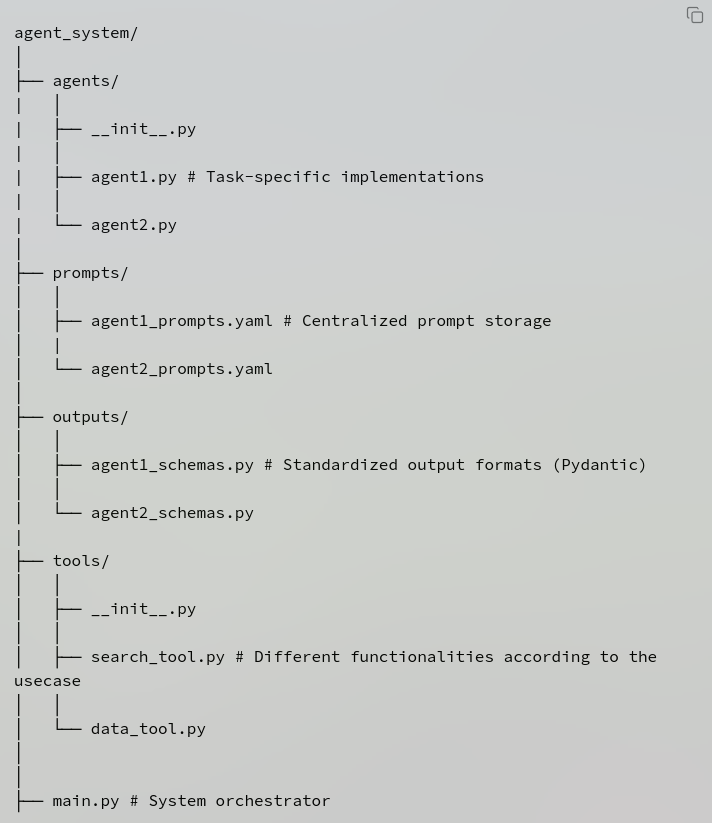
How I structure my AI Agent codebase
Building AI Agents is simple, especially with frameworks like @crewAIInc.
But when your codebase starts to become large with multiple agents and hugeass prompts, It is good to follow some good practices.
Keep in mind that these rules are framework agnostic.
Simple rules which I follow:
-Keep it simple and stupid.
-Easy for future changes
-Centralized, Structural, Atomic
An AI Agent System codebase contains some components (As discussed in the previous post, adding on to it):
-Agents
A folder named "agents" where I define all the AI Agents. I write each agent in one file, keeping it clean.
-Tools
All of my custom tools go here. Each tool is written in one file. I have already written a small post on tools. Please feel free to check them out.
-Centralized Prompts
I like to store all the prompts in a separate prompt folder. This makes sure that I can come and change whenever needed. Also allowing my team to look into prompts and suggest changes when needed.
I store prompts in a yaml file. There is no big reason behind it, its simply works for me so I play along.
-Structured Output
I like storing outputs in a folder dedicated to folder only for output schemas of agents. Each file would be a mirror of agents folder. Instead of code for defining agents and tasks, we would define pydantic model
-A driver code
To bring all of this together - https://t.co/w4KXKIUNhq which is where I define the structure of how multiple agents interact.
This is a neat and clean way of dividing the codebase into different components, each with a given responsibility. Like I said, this is my way of doing.
Surely it might not be the best for you, but in general, this is a good starting point for you.
As time may pass, you might figure out some issues, you might come up with a fix. Please do reach out to me and point it out. It would help me in learning.
In 2017, Tesla faced an impossible challenge:
Teaching cars to see and understand the world like humans.
Then they hired a 29-year-old genius who solved it.
But what he did next shocked everyone in Silicon Valley.
Here's the untold story of Tesla's AI mastermind:
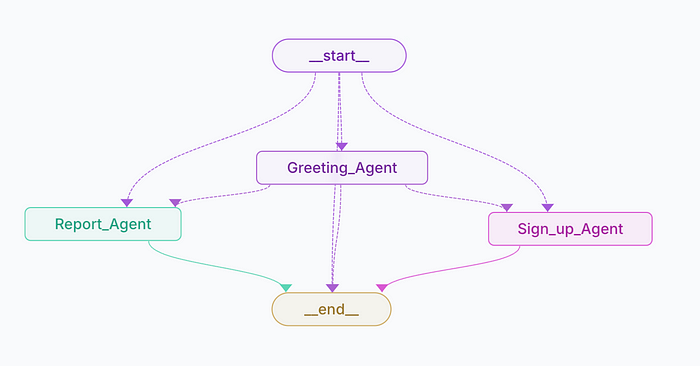
🤖 Smart Agent Routing
Build intelligent chatbot systems that seamlessly route conversations between specialized agents while maintaining state, just like a real call center. Using LangGraph, implement state preservation, custom routing, and agent transitions with ease.
Learn how to build it 👉 https://t.co/Ke36z4VEH5