Plug-in solar is arriving in the UK.
Not sure what you actually need?
✅ Free calculators
✅ Battery sizing
✅ Appliance checks
✅ Shed & garden office guides
✅ Honest buying advice
Start here:
https://t.co/kx3rHjsTa5
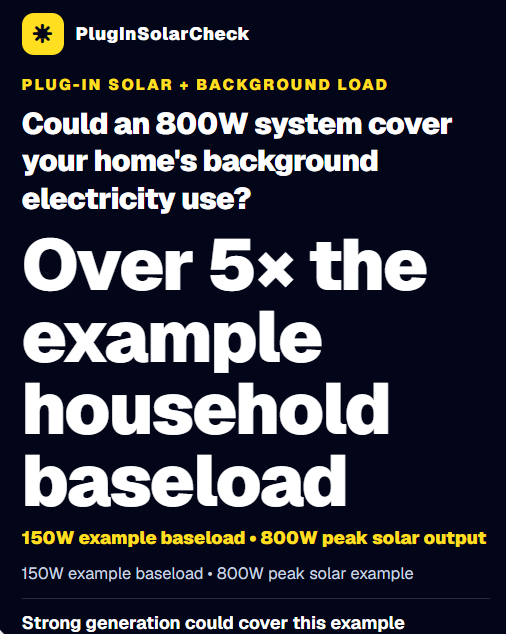
Two 400 W panels make an 800 W array on paper. UK cloud, angle, shade, temperature and conversion losses mean the live output will move around all day.
A fridge can be a modest everyday load and still trip an undersized inverter when its compressor starts. Running watts and starting surge answer different questions. What does your fridge label show?
A thin shadow from a railing or branch can matter more than it looks. Check the proposed panel position at several times of day before worrying about the last few watts on the label.
Planning solar for a shed? List the tools, lighting and charging loads first. The biggest simultaneous load often decides the inverter; daily use decides the battery. #ShedSolar https://t.co/Tf2DEmHqIX
A fridge is usually a manageable off-grid load — provided the inverter handles compressor start-up and the battery covers the night. Check the assumptions that matter. #SolarPower https://t.co/igAk3wjKsW
Portable power station or fixed off-grid system? Portability, daily use and the need for permanent wiring point to different answers. This comparison keeps the categories clear. https://t.co/qJyqiHiWQg
UK plug-in solar rules change on 27 August 2026, but that does not make every kit suitable for mains connection. Here is the evidence to check before buying. #PlugInSolar https://t.co/yr8EpHpy72
A standard UK kettle can demand close to 3 kW, even though it only boils for a few minutes. Check the inverter hurdle before choosing a power station. #PortablePower https://t.co/yzK2cvilVP