A man who died 23 years ago may explain Palestine better than anyone on television today.
A new documentary has brought Edward Said back to life. And if you want to understand Palestine, the Western media, and why an entire people have spent generations fighting for the right to tell their own story, put this film on your must-watch list.
Edward Said: Between Worlds (2026), directed by Maiken Baird, is a 107-minute documentary unlike the usual parade of historians and experts telling us what to think.
For the first time, filmmakers were given full access to the Said family archives.
Decades of previously unseen home movies, private recordings, rare television interviews, public confrontations and lectures have been assembled into a film in which Said largely tells his own story.
It premiered at the Toronto International Film Festival, has travelled to festivals around the world and won a Special Jury Prize in São Paulo.
But who was Edward Said?
Born in Jerusalem in 1935, he became one of the twentieth century's most influential intellectuals, teaching at Columbia University and writing Orientalism, the 1978 book that exposed how the West had spent centuries inventing its own versions of Eastern peoples, describing them, classifying them and claiming intellectual authority over them.
A Palestinian telling the West that perhaps the people it had colonised understood their own existence better than their colonisers did.
And doing so with such intellectual brilliance that ignoring him became increasingly difficult.
One particularly devastating moment in the documentary takes us back to 1992.
Said returns to the Jerusalem house where he played as a little boy, captured in the family home movies his father had filmed.
The house is still there.
His childhood isn't.
And the building now houses an office of a Christian Zionist organisation.
He cannot bring himself to knock.
That single scene says more about exile than a hundred political speeches.
Said died in 2003.
He never lived to see what happened to Gaza after October 7, 2023. But he spent decades explaining how Palestinians were dispossessed not only of their land, but of the authority to describe what had happened to them.
And why their suffering so often had to be translated into language acceptable to Western audiences before it was considered worthy of attention.
That is what makes this documentary so urgently relevant.
In a world overflowing with people explaining Palestinians to everybody else, here is a Palestinian explaining himself.
No one can accuse Edward Said of having nothing to say.
The question is whether we are finally prepared to listen.
Edward Said: Between Worlds (2026). Remember the title. Watch it when you get the opportunity.
@PhilipProudfoot Governments are going to have to rethink society , we’d literally have mass unemployment globally. Searching for something useful for 50% of the population 🤷. Probably will be something like expanding the army.. obligatory military service for youth not in jobs. Dark days ahead
The images of kids submerged in freezing floodwater, in flimsy tents that won't survive another winter, make me SICK.
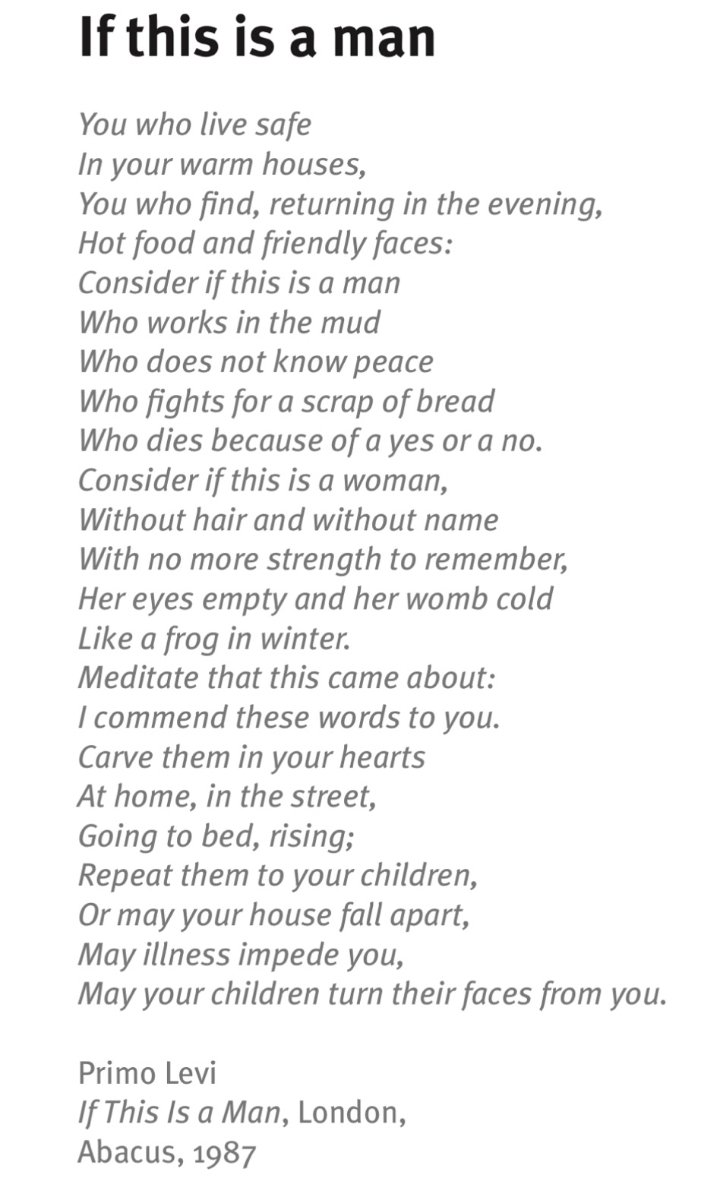
I think of Primo Levi’s words that every European learns by heart at school - only to forget when entering politics or diplomacy.
The shame of our time.
See BELOW
I live in the UK
The UK HAS A RESPONSIBILITY
WHAT are you doing @andyburnham@Ed_Miliband?
What would you do if this was happening in France or Italy or anywhere where the people look like us?
DO THAT NOW
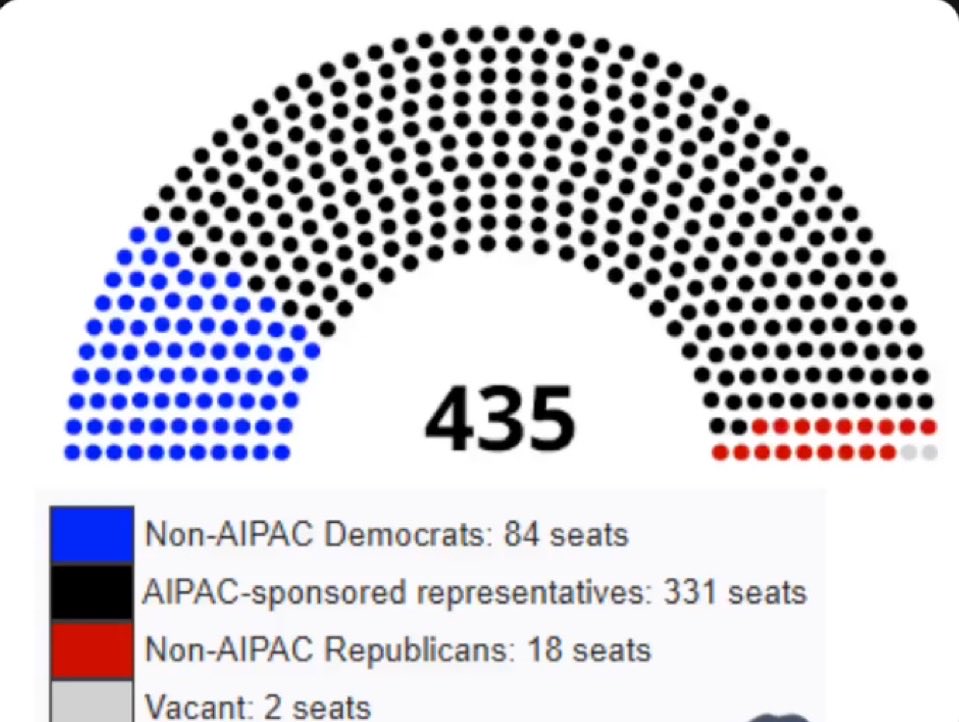
Will the Democrats intervene by ending the funding that supports Israel's blockade of tents, rebuilding, sanitation, food, flood control etc.
Are you or are you not a genocidal party, Democrats?
@d_mccarty_@JamesAHogg2 I liked this show but admit I didn’t laugh more than once watching this. Probably funny as it’s making fun of posh bastards but ‘45 years’ went on too much