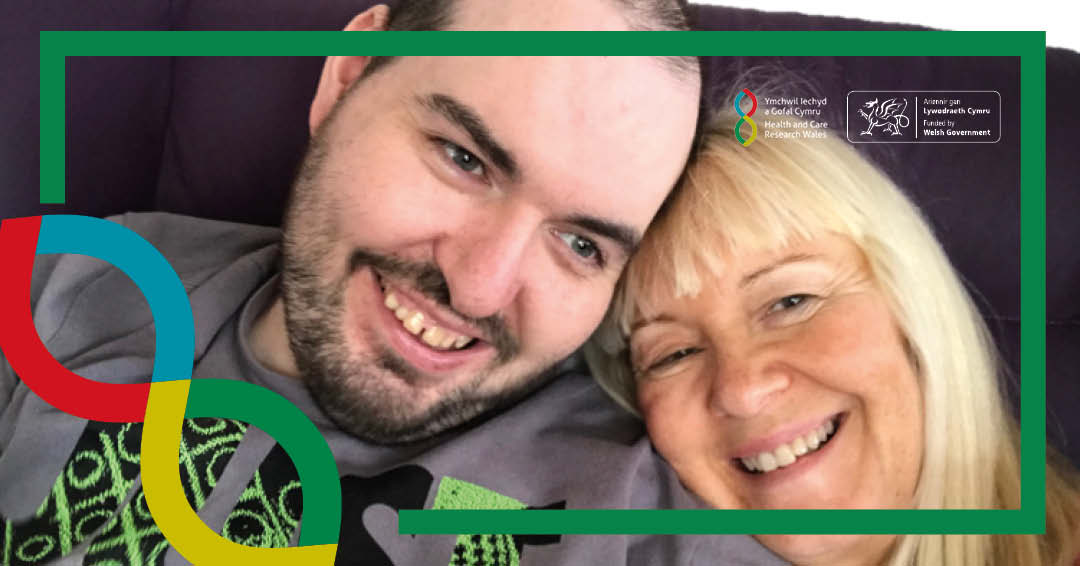
Grateful to all involved in the Research Community for their dedication to Tuberous Sclerosis #Research. Enabling families like mine to have improved life enhancing & life saving treatments. Research gives us hope for a #TSCure for those yet to be born with #TSC#RDD2022@UKTSA
When Trystan James was diagnosed with the #raredisease tuberous sclerosis at 8 months old there was very little information on the condition and no treatments.
On #RareDiseaseDay read his mum Marie’s story of hope through research 👇
https://t.co/JimO1U9fB1
Take on My Way to 5K this October for SUDEP Action Day! 🏃💜
Run, walk, wheel, or cycle at your own pace to fund life-saving research, raise vital awareness & support families.
Make your 5K count. Join us! �� https://t.co/jh6gkfejjR
#MyWayTo5K #SUDEPActionDay
The EDR drives life-saving research.
The detailed information provided by healthcare professionals, coroners and families enables medical experts to investigate how and why deaths occur, leading to better prevention strategies.
Report today: https://t.co/Gx63ebsUwZ
#Neurology
Will it soon be easier for my patients to access an assisted death than adequate palliative care or social care? MPs, please understand the risks to the vulnerable before you vote @SarahCoombesWB@AlexBallingerMP@OurDutyOfCare
It was a similar story with sertraline (Zoloft). Early trials were negative but the company kept on trying. Our regulators seem to have little concern about what is really in patients' interests.
Nearly 700 health professionals have registered for the Children’s Checklist! 🩺
Launched 2 years ago, this tool helps clinicians assess #SUDEP & #seizuresafety risks for young epilepsy patients to drive safer care.
Learn more & register: https://t.co/kbeZOO8goE
"This week I'm joined by Dr Mark Horowitz, clinical research fellow in psychiatry and co-author of the Maudsley Prescribing Guidelines, and someone who has dedicated his career to changing the way we understand antidepressants and how to come off them safely.
We explore the science behind antidepressants, what they actually do to the brain, and what nobody told you about coming off them.
Dr Mark Horowitz is a clinical research fellow at University College London whose research has directly changed NHS and international prescribing guidelines on antidepressant withdrawal. He has personal experience of withdrawal himself, which is what led him to dedicate his career to helping others through the same process.
What we explore together:
•Why 1 in 6 people in England are on antidepressants and whether we are overprescribing
•What antidepressants actually do to the brain and why the chemical imbalance theory is misleading
•Why the clinical trial data on antidepressants is far less impressive than most people realise
•The emotional blunting effect, what it is, why it happens and what to do about it
•Why 85% of people recover from depression within 12 months with no intervention at all
•What withdrawal actually feels like and why doctors so often get it wrong
•How to taper safely and why doing it too fast causes so much unnecessary suffering
•What the alternatives to antidepressants are and why they are rarely offered first"
#MentalHealth #antidepressants
LINK: https://t.co/lM4c4mcpat
Agree with Prof Ostacher here. The FDA is not fit for purpose when it lets a drug onto the market with 10 out of 12 failed trials (2 barely positive) and overall no effect. This means patients will be exposed to a host of harms for no benefit. Will this approval be reversed ? Who is responsible at the FDA for this approval?
I think when many people think of withdrawal from psychiatric drugs they think headache and dizziness and they don't think about akathisia - months of terror, agitation and restlessness that can drive people to suicide. Almost always mis-diagnosed by clinicians when people present to the emergency department as 'mental illness'. Good on @cwestonclark for sharing her story, suffered by so many. I think paywall...
You can watch the episode about antidepressants on @npr with Professor Roger McIntyre and me, link below. At one point he claims that the FDA says that antidepressants reduce suicide in people over the age of 25. It says no such thing. It says that antidepressants increase suicidality in people 25 and under. There was plenty of other mis-information thrown in by Dr McIntyre....Prize for whoever can spot them all!
MYTH 1: “We need loads of followers to take part.”
FACT: Nope. You don't need a huge audience. Every voice adds to the collective visibility.
#dazzle4rare2026#facts#annualevent#Dazzle4Rare
Was good to speak to @SarahAnnMacklin on her podcast about antidepressants and depression.
Link below.
First 3 comments on the YT link: "As someone tapering antidepressant now and struggling at times this podcast is SO IMPORTANT. I wish all Doctors had to watch."
"Excellent and totally true about withdrawal. Mark has opened people's eyes to these drugs. The Drs need to wake up. They affect every system of the body as well as the brain. Getting off is a nightmare."
"Thank you so much for this incredibly informative and fascinating conversation. It has to be one of the best podcast episodes I’ve watched anywhere."
This is 20 minutes of must listen radio.
It is such a clear and affecting account of Erica's journey using antidepressants and withdrawal from them. With different bookends (literally): she starts by reading Prozac Nation as an unhappy young person to reading a much less well written book on the other end of her journey off (the Maudsley Deprescribing Guidelines).
I will be discussing antidepressants and withdrawl on @NPR channel @whyy on Monday from 12.20PM ET. @rogersmcintyre will be giving the industry perspective.
Link: https://t.co/k2dbw8uT6x
NPR @NPR Pulse program is running a segment on Quitting Antidepressants this weekend following the experience of Erica Gerard.
I think the major problem for people who want to suppress the harms of these drugs is that 1 in 6 journalists, politicians, doctors, car mechanics, schoolteachers are on these drugs and many will have tried to stop them and encountered grave difficulties and these people talk to their friends, families and audience and so it is just a matter of time before more people catch on that 8 week studies that minimise harms do not capture what is happening to long-term users.
It would be better to work with patient groups to help manage this harm rather than deny it - it will only make the problem bigger and further erode trust and faith from the public in psychiatric institutions.
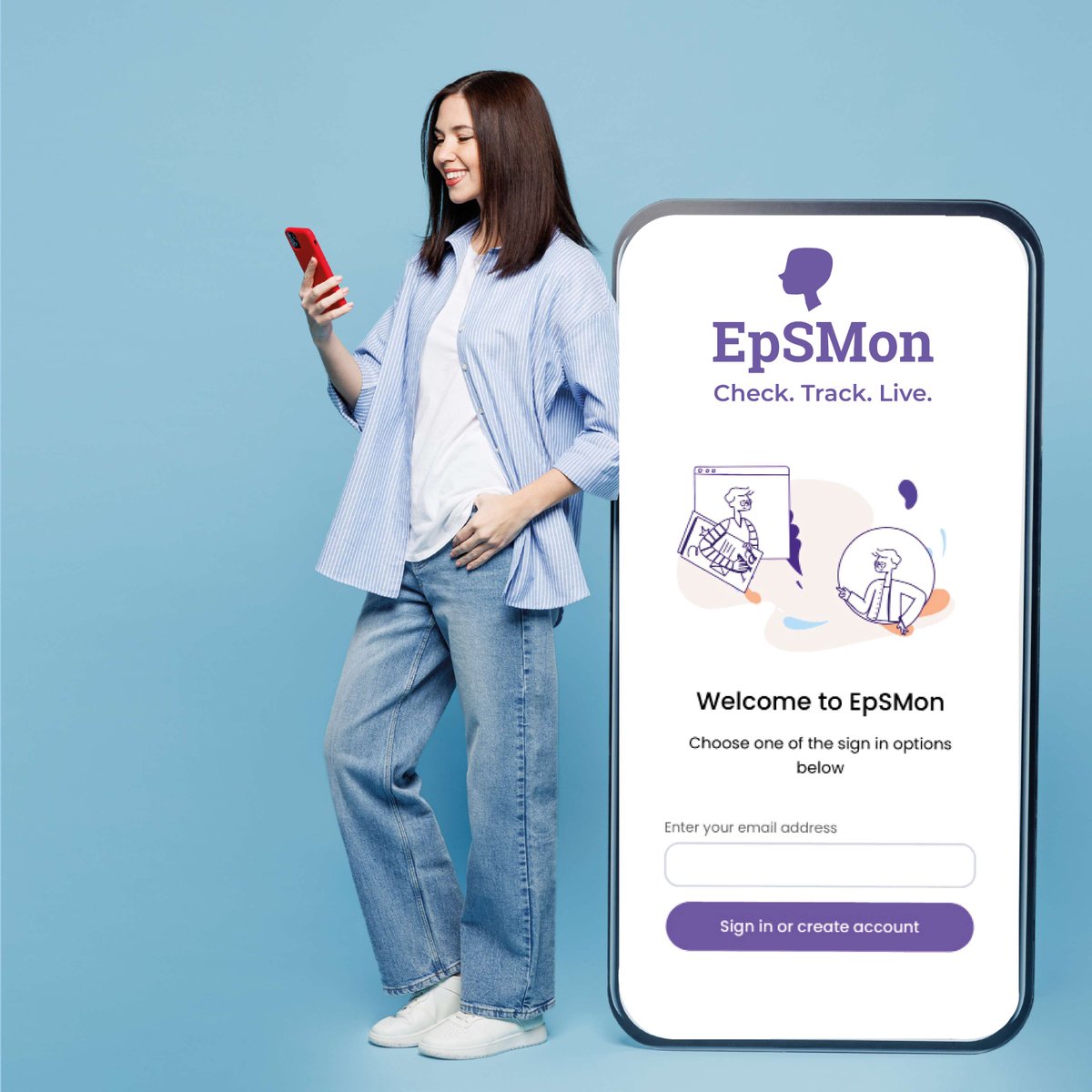
Research shows that key risk factors affecting seizure control and safety change over time. EpSMon allows you to keep important information in one place, so you can review and share it.
👇 Download the EpSMon leaflet today: https://t.co/B6LfAN4qNz
#Neurology#Epilepsy
In lieu of flowers, a MuchLoved tribute page gives family and friends a simple and secure way to donate in memory of a loved one lost to epilepsy. 💜
Honour their legacy with a meaningful tribute: https://t.co/JWbj5KPcON
#SUDEP#Epilepsy#MuchLoved#Grief
When families face the heartbreak of an epilepsy death, our free support is a vital lifeline. But we rely on your generosity to keep going.
Please donate today so no one walks this path alone: https://t.co/0dfEjakCTU
#SUDEP#EpilepsyAwareness
“All people with epilepsy have the right to information about risks to help them live as safely as possible – young people are no exception.”
If you see patients with #epilepsy, download the Children’s SUDEP and Seizure Safety Checklist today: https://t.co/0VI36anj6C