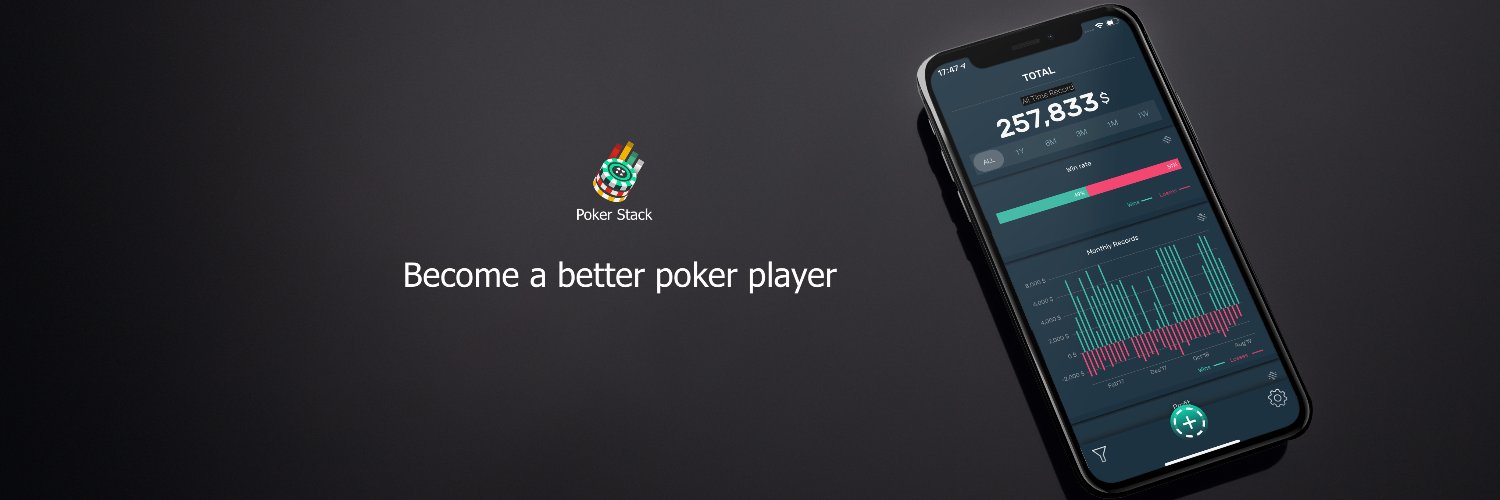
Poker Stack is a free poker bankroll management app for iOS & Android.
The slickest and most user-friendly app for poker players who want to track their money.
2 questions before an evening poker session:
Is this table worth your full attention?
What will make you leave before tilt starts negotiating?
Answer while calm. Once a bad beat lands, every plan starts sounding more flexible.
1 table leak that looks harmless: matching the mood.
When the game gets loud or splashy, keep your own tempo. Do not let the room choose your calling range or your stop point. Table culture is contagious when you quit watching yourself.
1 useful review habit: write down the decision before you know the ending.
Stack depth, position, action, and the reason you chose your line. Later, compare the plan to the result. That is where leaks get easier to see.
Stop treating the first open seat like a plan.
Before your first hand, ask whether this game is worth your focus today. If the answer is vague, wait one orbit or find a better seat. Easy seats can become expensive seats.
2 notes matter more than a clean profit number.
What decision got easier as you got tired?
What spot would you replay if the result were hidden?
Poker Stack helps keep the review next to the session, before memory turns the night into a story.
1 question before you buy in tonight:
Is this a good game, or just the game available?
If the lineup is bad and your focus is thin, variance gets louder. A better evening session can start with walking past the first open seat.
1 expensive table image: being unbluffable.
If every river becomes a proof-of-courage call, other players do not need to outplay you. They only need to wait until pride prices itself in.
A small tracking habit can change how honestly you review your poker results.
After a poker session, record more than the result: buy-in, cashout, stakes, location, notes, and mood.
https://t.co/pc1VJDbwe1
1 leak review question before your next session:
Which mistake did you excuse because the result was fine?
Write down the spot, position, stack depth, and why you liked the decision at the time. Good review separates the process from the pot.
Stop warming up with real money.
Before your first hand, check the table and your focus. If you need ten hands to settle in, take ten minutes away from the table first. The first orbit should not be your practice round.
2 numbers are not a poker review.
Profit and loss tell you what happened. They do not tell you when your plan changed, which seat hurt you, or why one call felt automatic.
Track the result, but review the decision.
1 evening leak: treating the first open seat like a plan.
Before you sit, watch one orbit if you can. Is the game loose enough to be worth your focus? Is the tough seat on your left?
A good table choice does not feel heroic. It makes the session less forced.
1 table mistake spreads fast: rewarding every speech with attention.
Some players perform confidence after pressure. Do not argue with the act. Watch what changes next: timing, bet size, posture, and whether the story matches the chips.
2 leaks can show up before your first hand.
Taking the first open seat because it is easy.
Ignoring tired focus because you want to play.
Fix those before the first orbit. A better session usually starts before the cards arrive.
1 review mistake: waiting until the result has a story.
Write down the spot that changed your mood while it is still fresh: stack, position, action, and what you felt tempted to force. Poker Stack makes that record harder to rewrite tomorrow.
2 table checks before your evening session:
Is this lineup worth your focus?
Can you leave if your mood starts chasing?
Decide before the first orbit. Variance is easier to handle when table selection and tilt control are not being invented mid-hand.
1 table habit that costs real money: performing confidence after a bad pot.
The speech gets louder, the calls get faster, and the next hand becomes a reputation repair job. Better note: pressure changed behavior. That is useful.
Most poker players track profit. Serious players track the decisions that created it.
After a poker session, record more than the result: buy-in, cashout, stakes, location, notes, and mood.
https://t.co/3zUg6Cygd6