In October last year, I wrote an Our Long Walk post about the thin pipeline of South African economics students.
A few weeks later, I received a meeting invite from a local donor. Their question: how can we help?
Today, we launch the South African Economics Pipeline project at @StellenboschUni. The aim is simple: get top economics students on a path to a PhD in a top-50 economics department. These departments offer training that is hard to find elsewhere: advanced methods, exacting standards, and daily contact with the researchers who set the international research agenda. If we want the best economists designing policies in South Africa, we need to get them into the top universities.
I write with two audiences in mind. If you're a third-year student with a strong interest in economics, mathematics, and statistics, and the ambition to conduct world-class research, please consider applying.
And if you're someone willing and able to sponsor a student on this journey, please reach out.
This is a project with a very long horizon. The first students will only graduate at the end of next year. They'll only begin their PhDs in 2029. They'll likely only finish in 2034. By the time I retire, the first cohort will have just been given tenure.
But a generational project must start somewhere. My hope is that twenty-five years from now, South Africa will have a new generation of economists who can rub shoulders with the world's leading scholars. And who will be building research projects and designing policies that contribute towards a more prosperous country and continent.
Let's go.
Today I've put up my 10th annual blog on development journals, where I work with editors to put together submission numbers, acceptance rates, review times, journal rankings, and more. More than 16,000 papers were submitted to 14 journals in 2025, and over 1,000 published 1/5
#OpportunitiesCorner
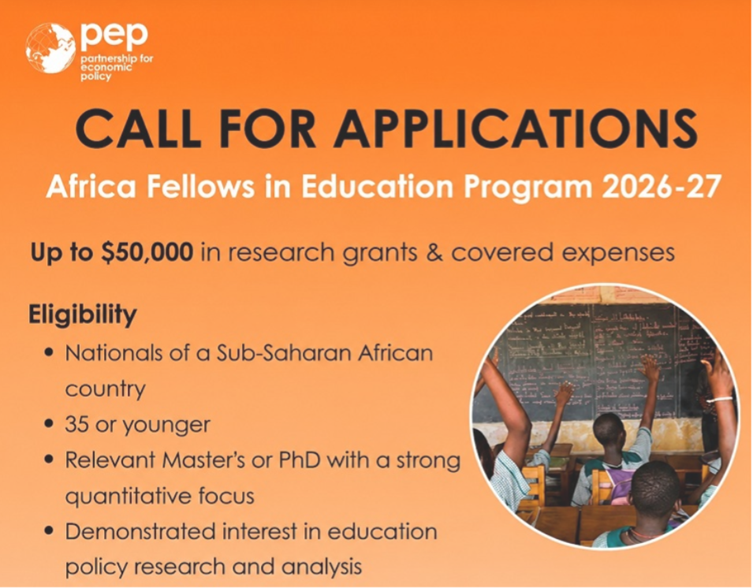
Calling young researchers from Sub- Saharan Africa who are committed to improving education to apply for the Africa Fellows in Education Program (AFEP) 2026/2027. AFEP offers two-year, fully supported research fellowships for young African researchers to build expertise in education policy and evidence-based decision-making.🌐💡
📅⌚:30 June 2026
🔗- https://t.co/VvAqxkc21a
Tag someone who should apply or take the bold step yourself✨✨
#YouthOpportunities #YALDA4Development #AfricaDevelopment
🚨Public Good Alert🚨
Revising a paper after peer review?
Paolo Crosetto's open-source LaTeX template helps researchers create clear, professional responses to referees
🔗 https://t.co/tujnSR8kok
#AcademicPublishing#PeerReview#Research#PhDLife#LaTeX
Working with co-authors who prefer Word? 📝 We’ve launched a new feature to import .docx files into Overleaf and export them back again. It’s a great way to get your drafts started.
Congratulations Dr Tim Köhler (DPRU) - winning the 2025 ESSA Founders’ Medal for best PhD dissertation!
His research on COVID-19 impact on SA’s labour market reveals major job losses, rising inequality & key policy insights. @TimothyKohler#DPRU#ESSA#Economics#SouthAfrica
A new public economics curriculum tailored to African universities is now available!
Grounded in African policy, institutions & data, it equips students with practical tools for taxation, public spending & fiscal policy.
🔗 Learn more: https://t.co/sY08Os5on8
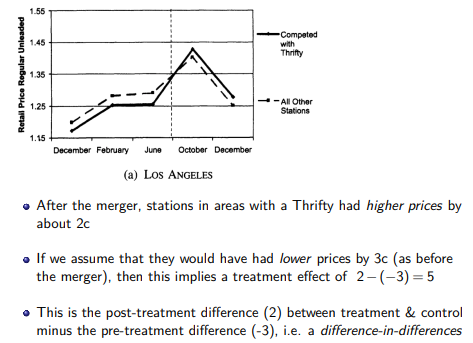
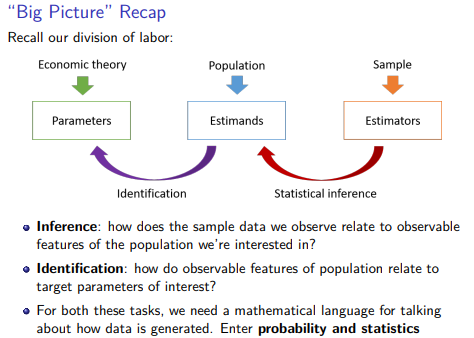
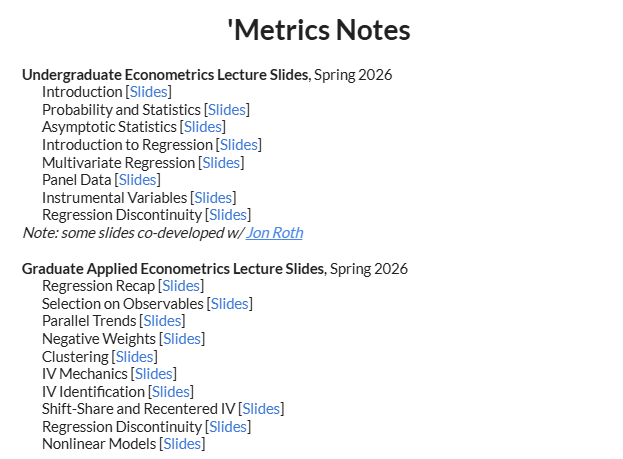
I've updated my undergrad and grad 'metrics course slides from this spring -- including new material, (many) fixed typos, and more!
Check 'em out on my website (link below), and feel free to email for the source materials if you'd like to use some of it for your own teaching
Opportunity for early-career researchers in Africa!
UNU-WIDER & @_AfricanUnion launch a Winter School on Public Finance.
🗓️ Online: 28–30 July | In-person: 14–18 Sep (Addis Ababa)
Apply by 7 June 2026:
🔗 https://t.co/p3YoP05Ltl
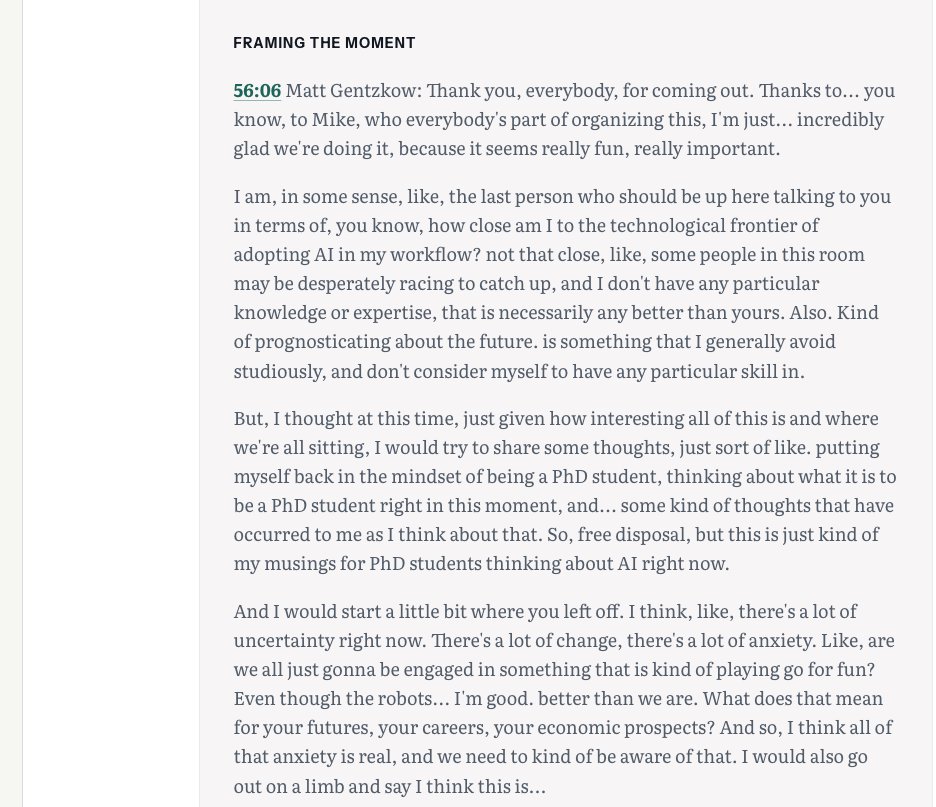
Stanford recently livestreamed a 3.5 hour conference with leading economists (@Susan_Athey , Matt Gentzkow, and @ahall_research , among others) on "Empirical Work in the Age of AI"
I turned the whole thing into a readable transcript, separated by talk.
You can pass the whole thing to your coding agent to extract exactly what is useful for you.
Check it out here!: https://t.co/jKtU6mgG1X
📣 We're hiring a postdoc to join us on education research projects at Oxford @OxfordEconDept@Oxford_CSAE. Join me @gamblingondev@roccozizzamia on multiple exciting projects! Applications due June 7th.
https://t.co/fI5sqHDF6r
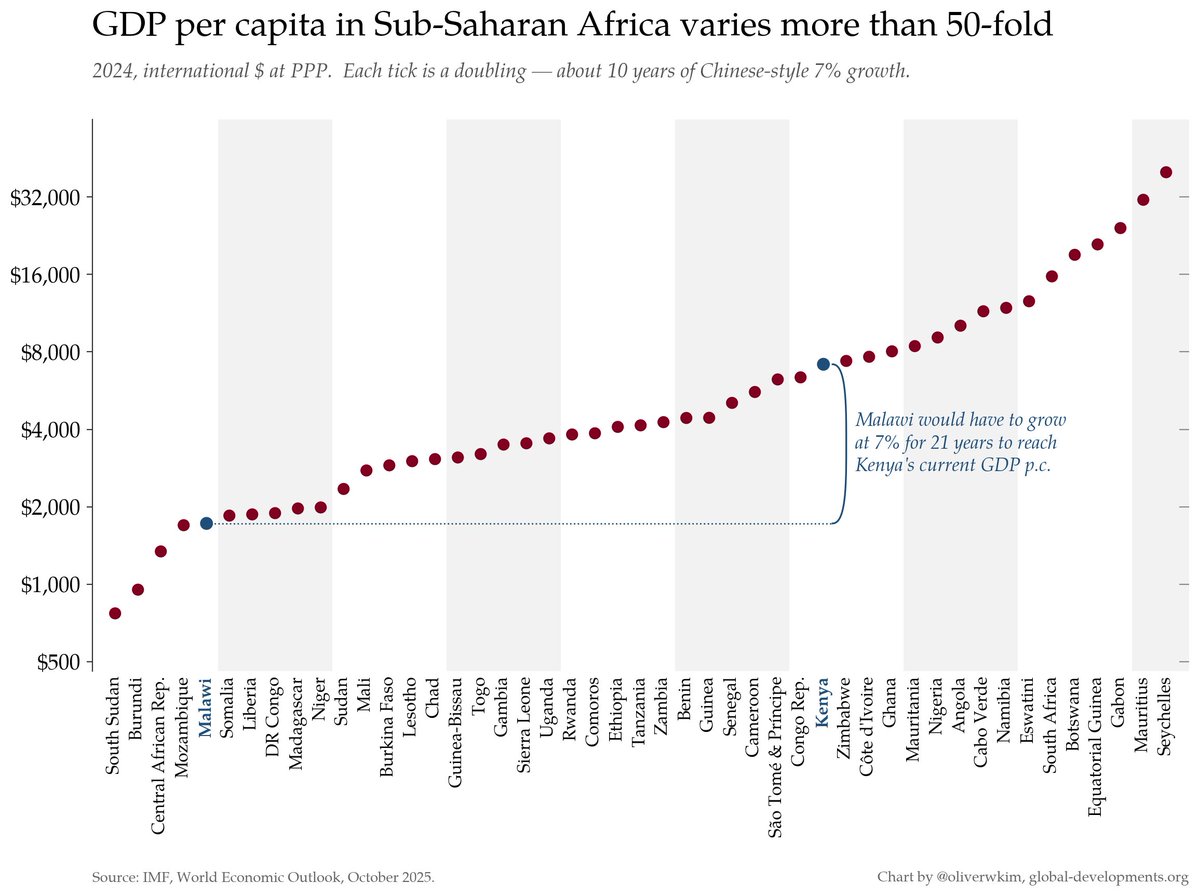
It will take Malawi 21 years of Chinese-style 7% growth to reach Kenya's current GDP per capita.
There's huge variation in incomes within Sub-Saharan Africa, which often goes ignored.
🚨 Are you about to submit an Economics paper?
I made a free tool that suggests journals/editors that may be a good fit.
Super easy to use. Just upload a PDF of your paper: https://t.co/izY83ftTOS
#EconTwitter
1/
📣 Calling young African researchers in education.
Applications open for AFEP 2026/2027:
✅ $25k research grant
✅ African mentorship
✅ Methods & policy training
Deadline: 30 June 2026. Female candidates strongly encouraged.
Apply 👉 https://t.co/uYgkq9qwnr
#AFEP#Africa
In case you don't know, we're maintaining a repo with summer schools worldwide
Some are free
I highly recommend joining summer schools early in your career
gander is an R package that brings AI directly into RStudio or Posit.
Instead of switching between your IDE and a chat window, gander lets you ask questions or request code changes right inside your script. It automatically shares relevant context such as variable names, data types, and the surrounding code, so the model can provide precise answers without extra copy-pasting.
You can trigger it with a simple keyboard shortcut, choose from different AI models (OpenAI, Claude, or local ones), and control how much of your data is sent for context. In short, gander makes working with AI in RStudio smoother, faster, and smarter.
Take a look at the visualization below. It shows an example of how to use gander to create a ggplot2 graph. It’s taken from the package website: https://t.co/DbsZTbsmVK
In a recent Statistics Globe Hub module, you will learn step by step how to use gander for AI-assisted coding in R, write effective prompts, and apply it to real data science workflows.
The Statistics Globe Hub is an ongoing learning program focused on practical skills in statistics, data science, AI, and programming with R and Python.
More info about the Statistics Globe Hub: https://t.co/NA2b7UAXJ4
#AI #DataScience #RStats #Coding #Programming #DataAnalytics #statisticsglobehub