Works with all sectors on the island of Ireland to create a landscape where pollinators can survive and thrive. Implementation coordinated by @BioDataCentre
Many of you have been asking what you can do to help our declining wild pollinators. Here are the top 10 actions you can take to support these important insects.🐝
https://t.co/pFydPCXKKW
(The @PollinatorPlan is implemented by the @BioDataCentre)
A huge thank you to everyone who has taken action for pollinators in 2025. Pollinator numbers are in decline, but local populations are increasing where actions are being taken to help them. We'll be working even harder to help pollinators with a more ambitious plan for 2026-2030
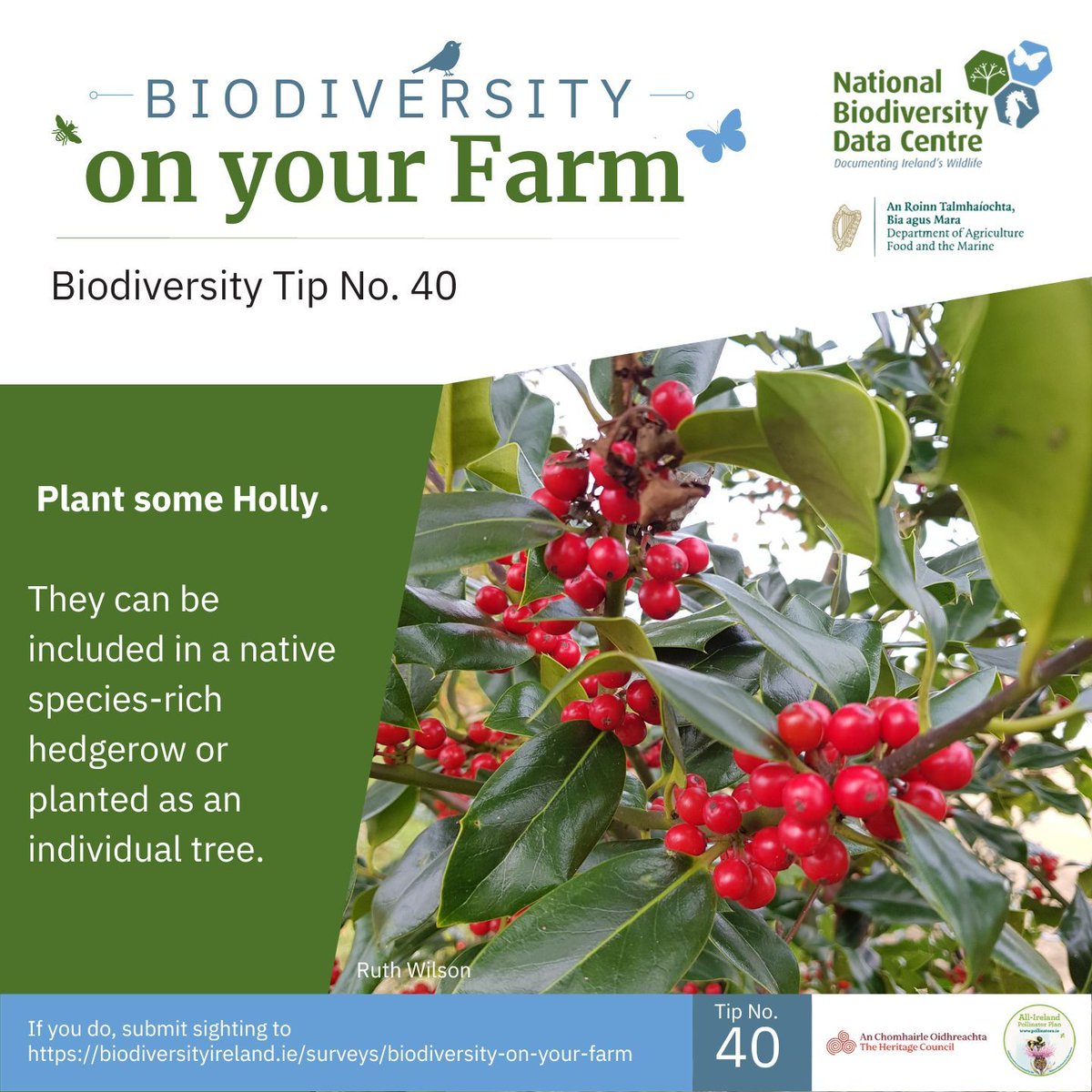
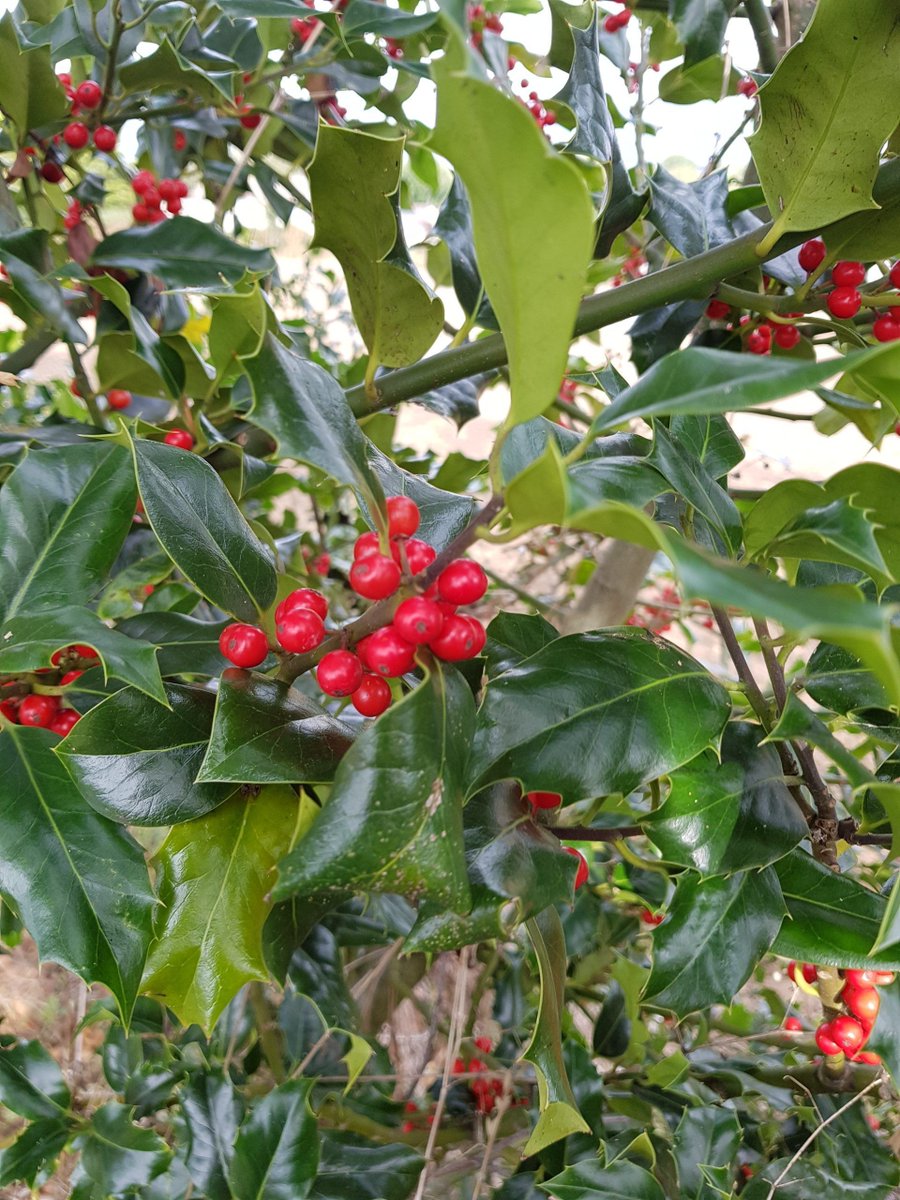
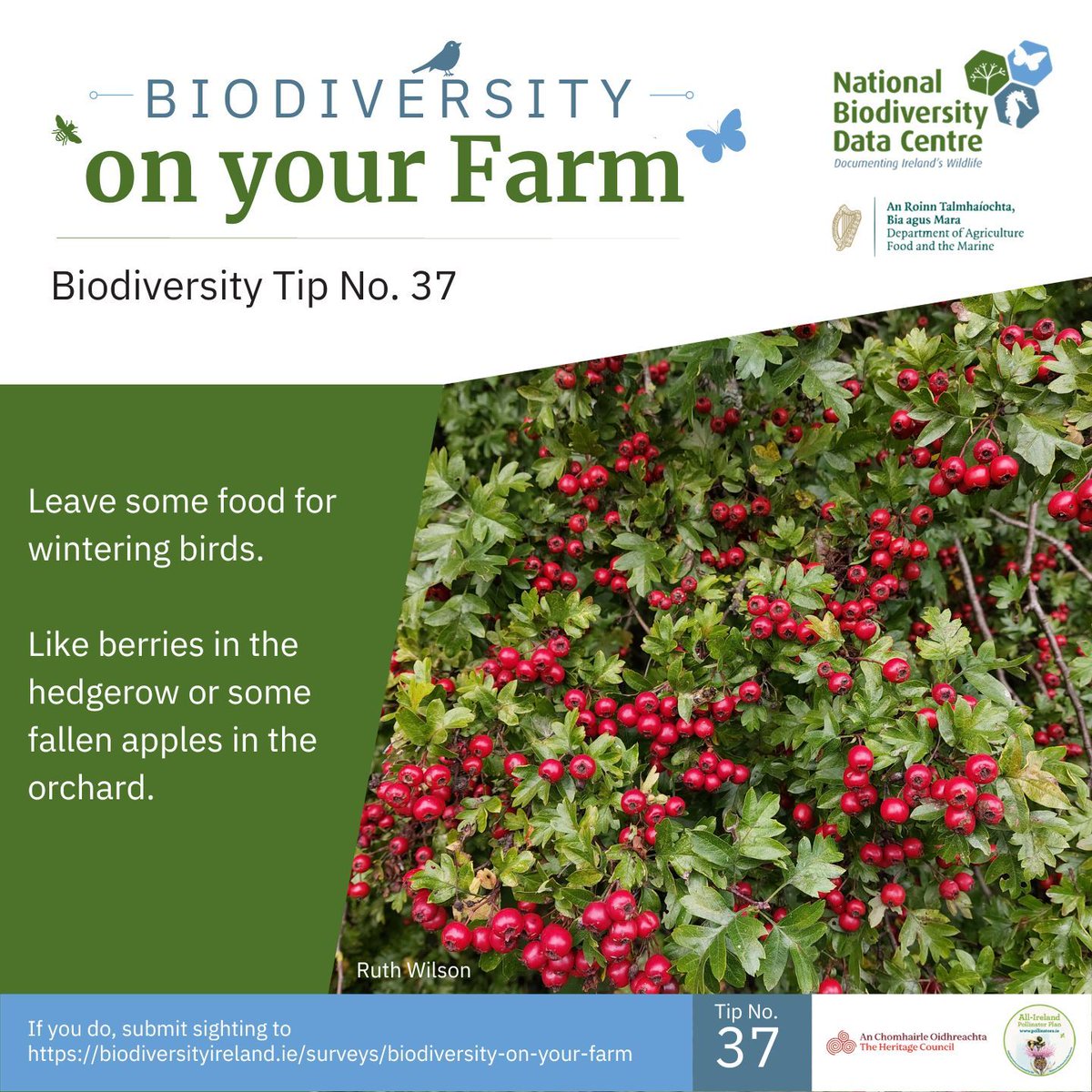
Holly & Ivy berries are abundant at this time of year: a vital food source for birds, who in turn will disperse their seeds
Male & female Holly flowers grow on different plants & need pollinating insects to help them reproduce. Another reason to be thankful for our pollinators
Can you spot the one fly in Ireland that uses the tough leaf of Holly for part of its’ life cycle.
Holly makes an attractive small tree, the berries are valued by wildlife, especially by birds and small mammals in winter.
➡️ https://t.co/L1eH421zZ1
#farmlandbiodiversity
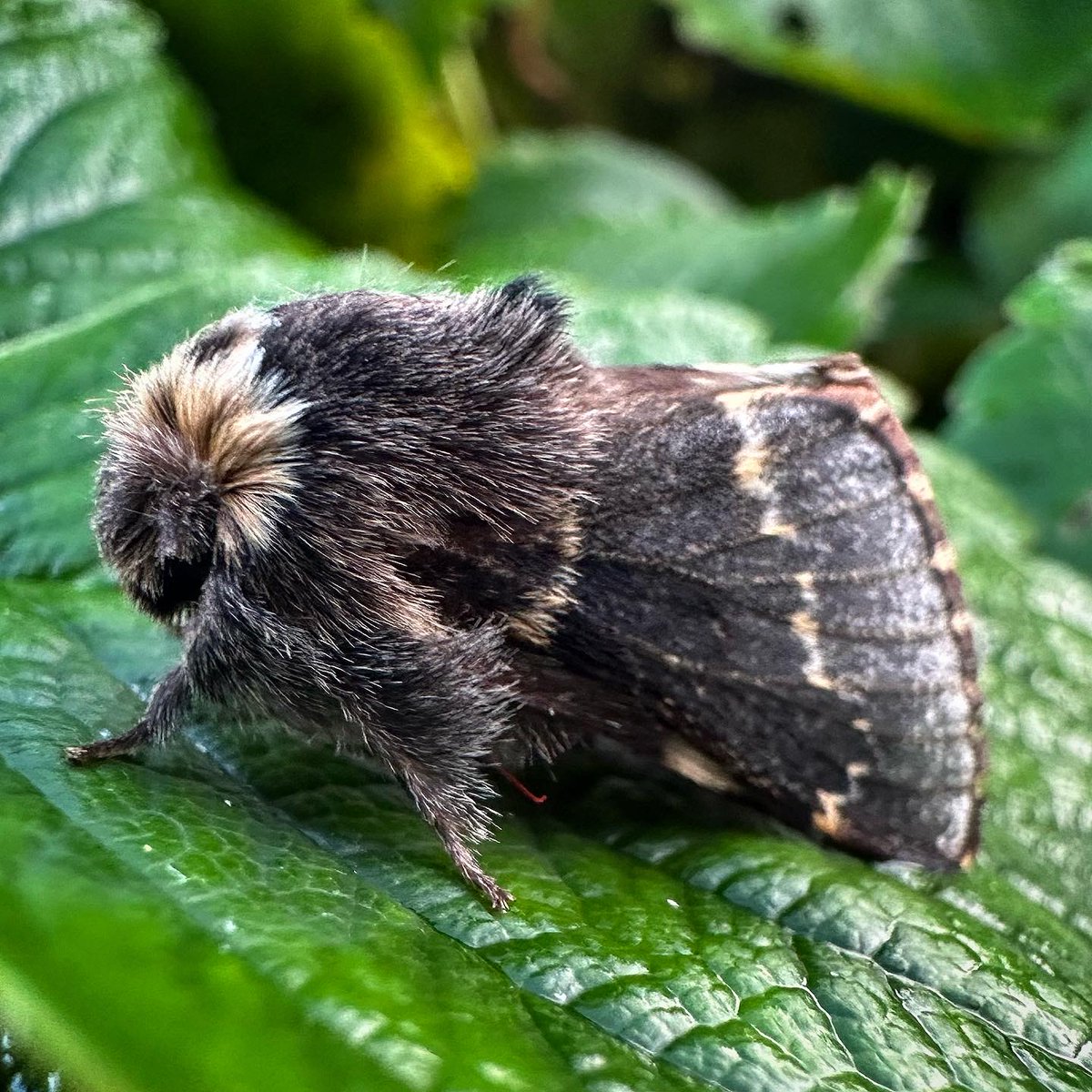
Meet the December Moth, spotted in west Cork by our @biodatacentre colleague Ann Haigh
Whilst not technically a pollinator (it doesn't feed as an adult, relying on reserves stored up from its time as a caterpillar), this is one of the few moths you might see in the winter ❄️💚
A distinctive species seen in the winter months.
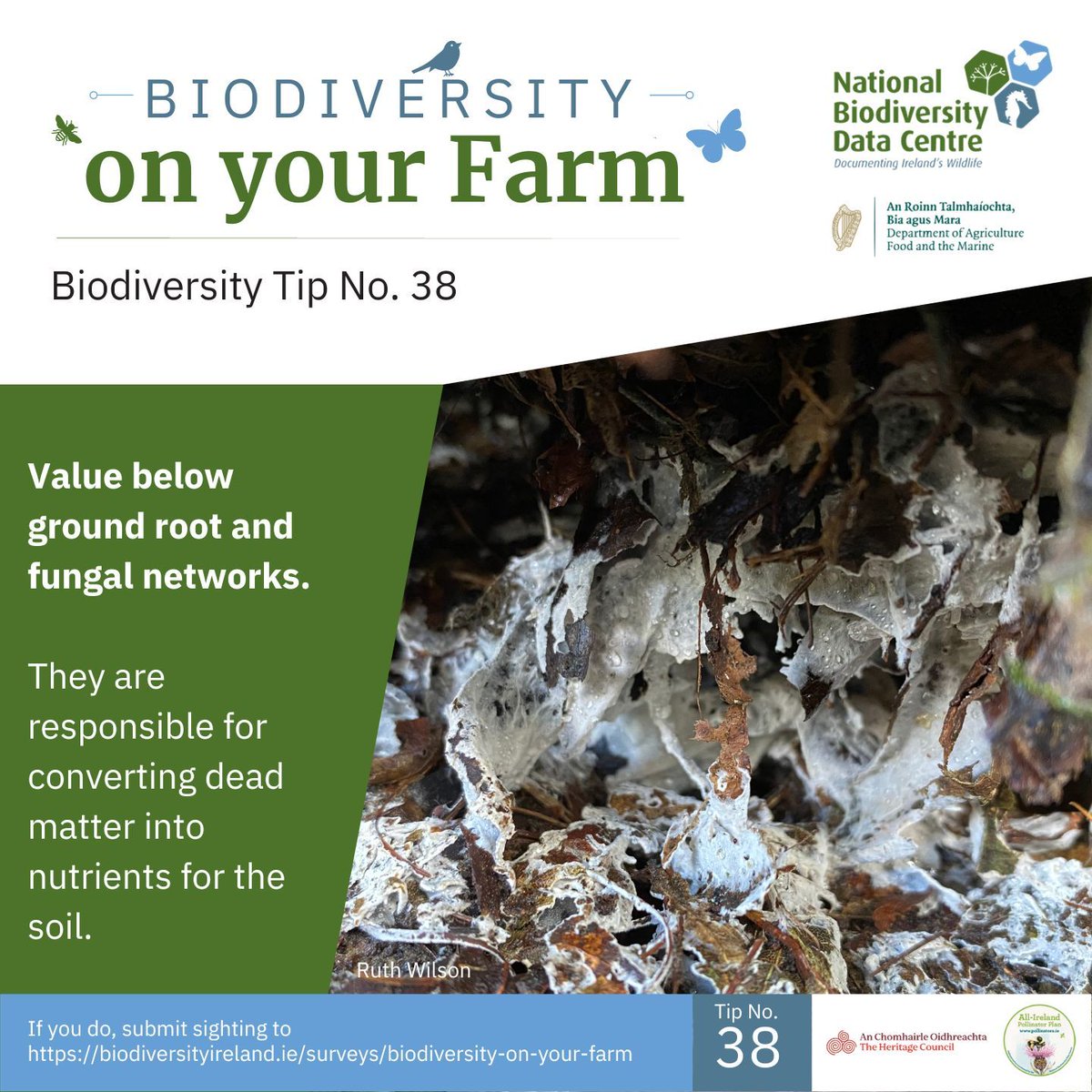
Fungi are responsible for a range of key ecological functions, including nutrient cycling, water uptake by plants and soil health and formation.
To find out more ➡️ https://t.co/6yfTdjbrWI
#farmlandbiodiveristy
We're delighted to share a video celebrating the work that has taken place to help pollinators during the All-Ireland Pollinator Plan 2021-25 🐝
A huge thank you to everyone who has taken action for pollinators over the past 5 years.. let's keep going!💚
https://t.co/cAIpuMGe9u
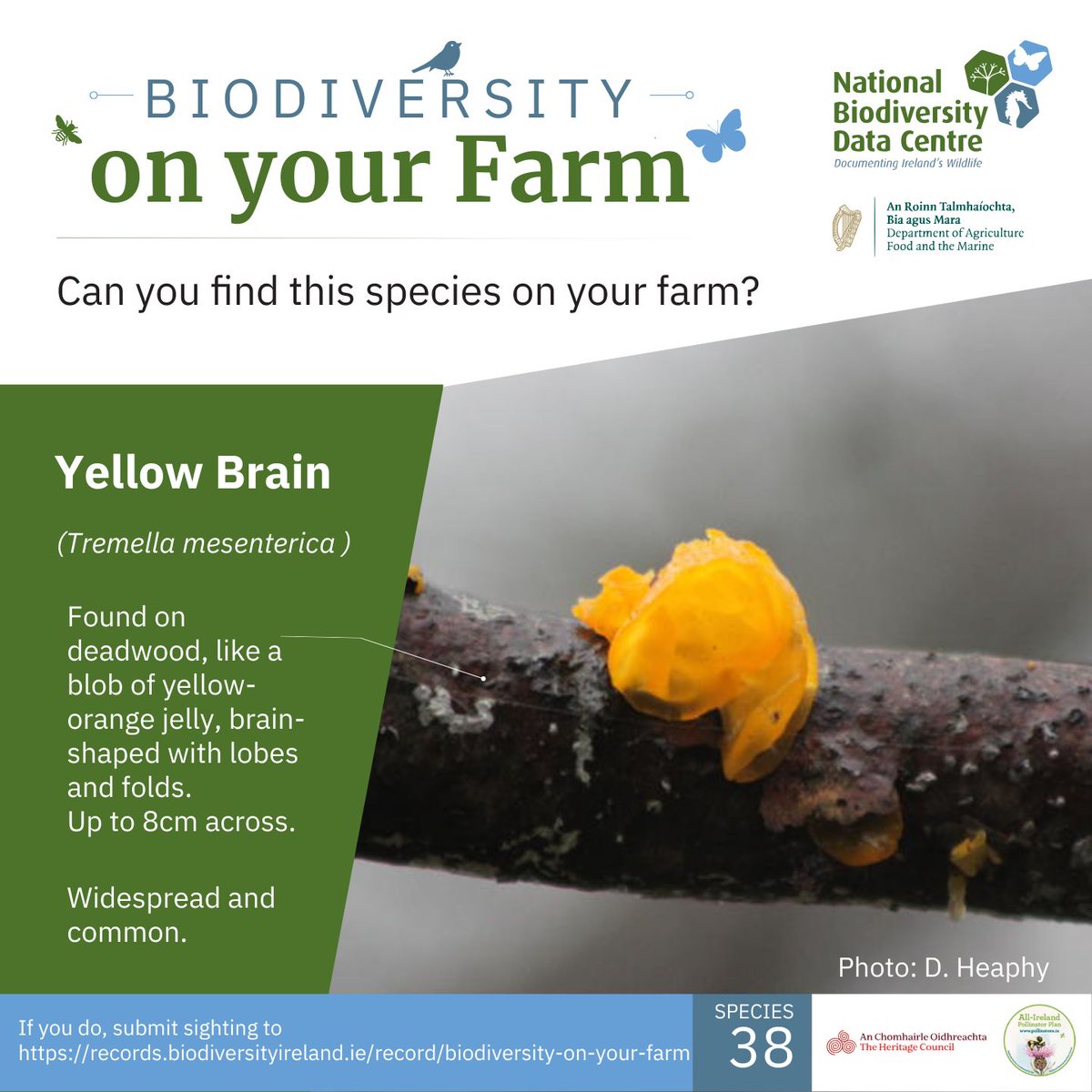
Jelly fungus feeds on rotten wood (saprotrophic). Typically found growing on Gorse, Hazel and other deadwood.
Beneficial fungi decompose dead organic material, break it down into humus, minerals and nutrient resources, utilised by plants. Info➡️ https://t.co/L1eH421zZ1
Thanks to the support of our partners, the All-Ireland Pollinator Plan 2021-25 has successfully been delivered with 92% of actions completed. There are many successes, but also many areas where we need to do more. Read the Final Review here ➡️ https://t.co/L885OwcdMG
We’re Hiring!
To support the All-Ireland Pollinator Plan 2026–2030, we're delighted to announce that the National Biodiversity Data Centre are now seeking applications for a number of Project Officer posts.
Full details here: https://t.co/UVDZSpcJBi
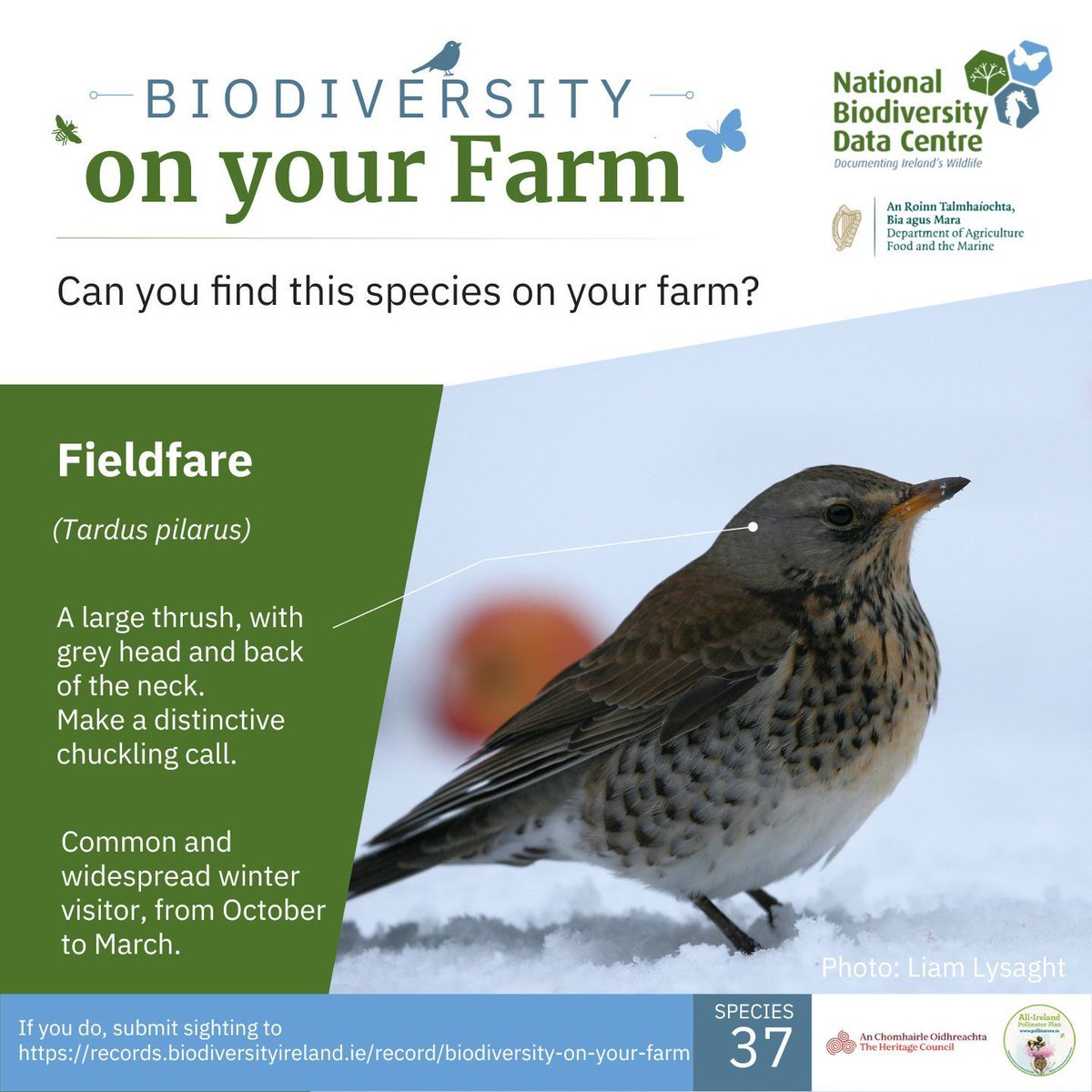
Species # 37: Fieldfare
Winter visitors from Scandinavia and Russia, they feed on worms and grubs from soft ground and haws and other berries from the hedgerows.
To find out more or record your sightings, go to https://t.co/L1eH421zZ1
@PollinatorPlan#FarmlandBiodiversity
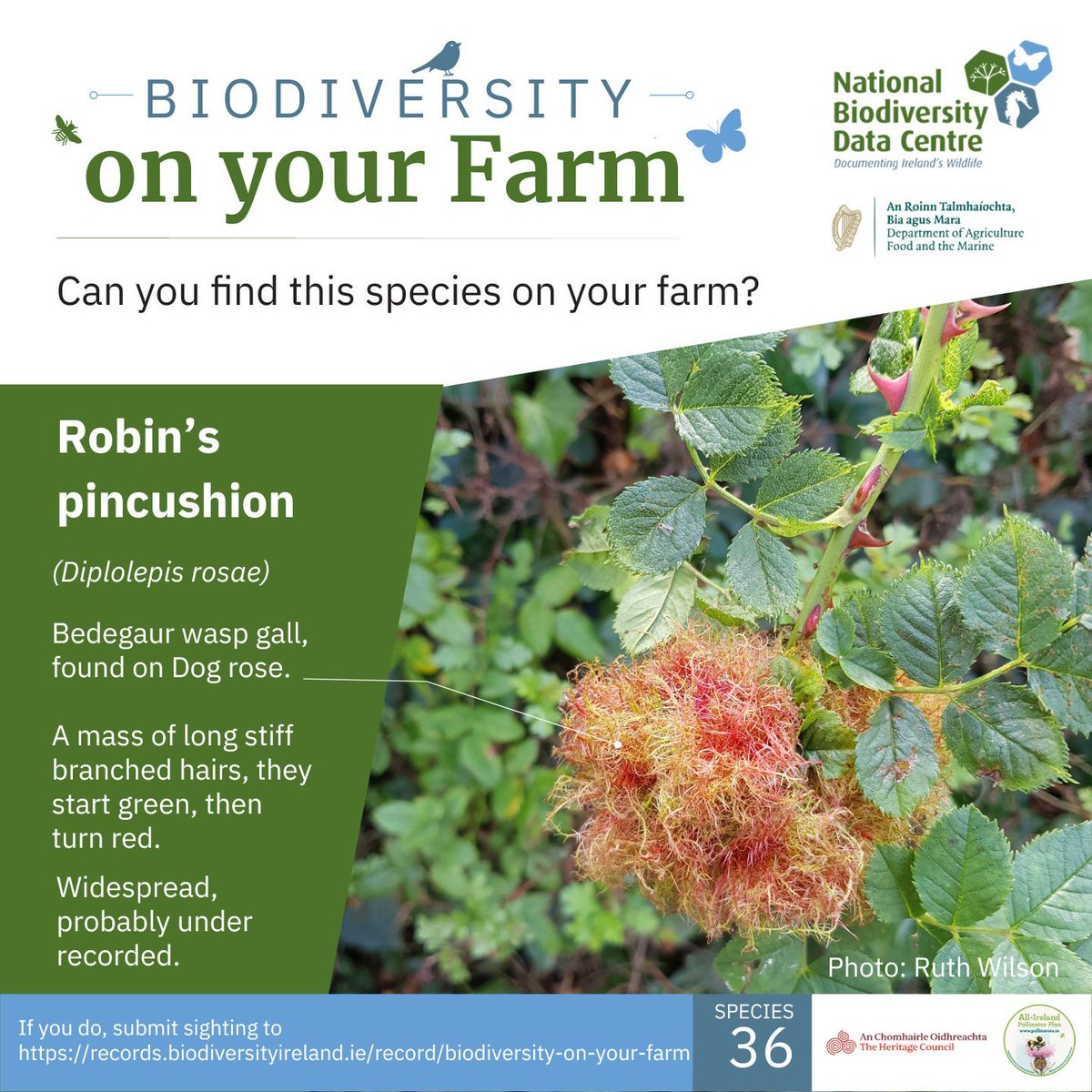
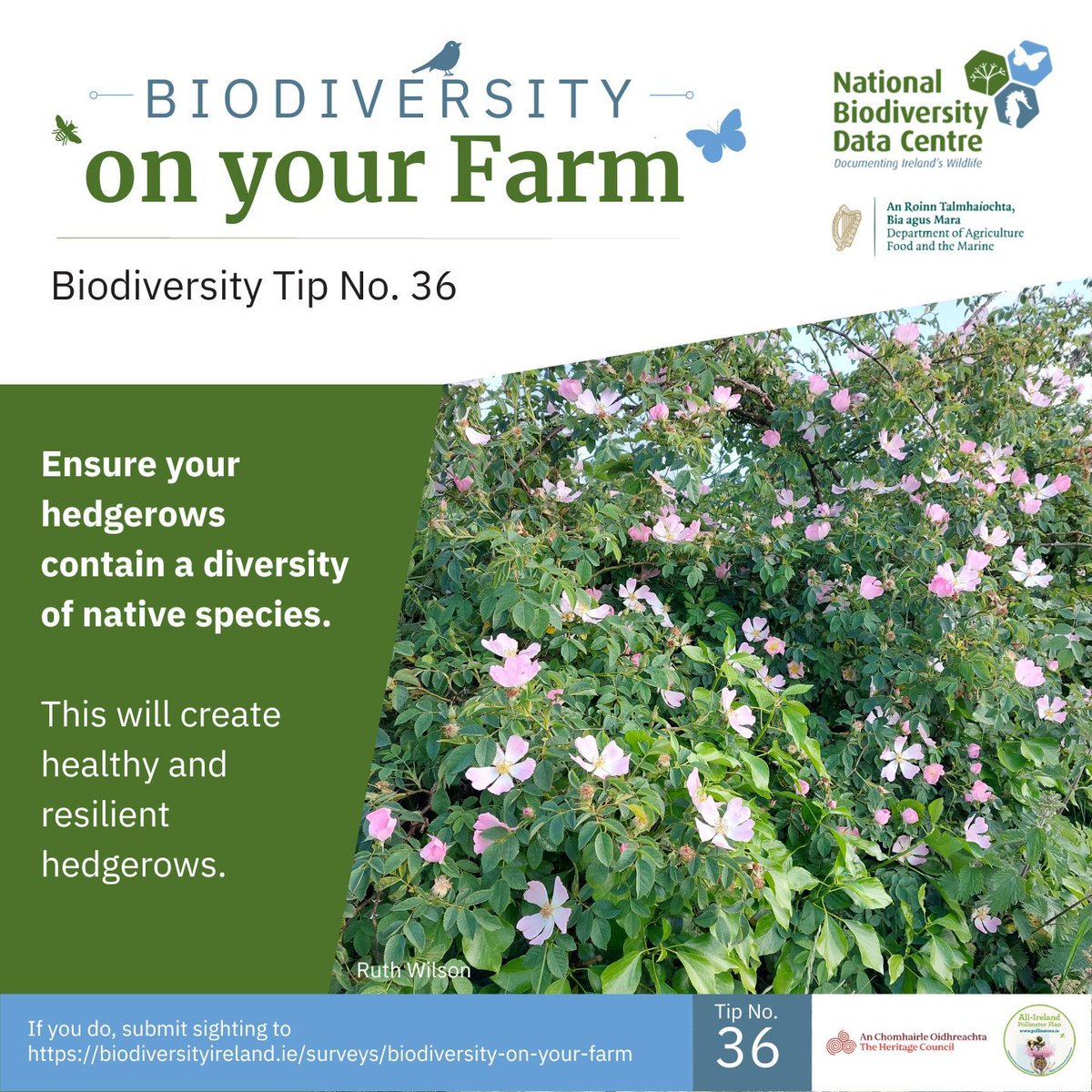
Keep your eyes peeled for this ball of red branched hairs, where the Bedeguar Gall Wasp causes the gall, as a home for their larvae on Dog rose.
Add some Dog Rose plants to native hedgerows. Find out more: https://t.co/L1eH421zZ1
#farmlandbiodiversity
We are delighted to have received €1.8 million to deliver the next phase of the All-Ireland Pollinator Plan 2026-2030 as part of the Irish Government’s Shared Island Fund
Find out more, including how this funding will help us over the next five years ⬇️
https://t.co/6PaFxSkcy1
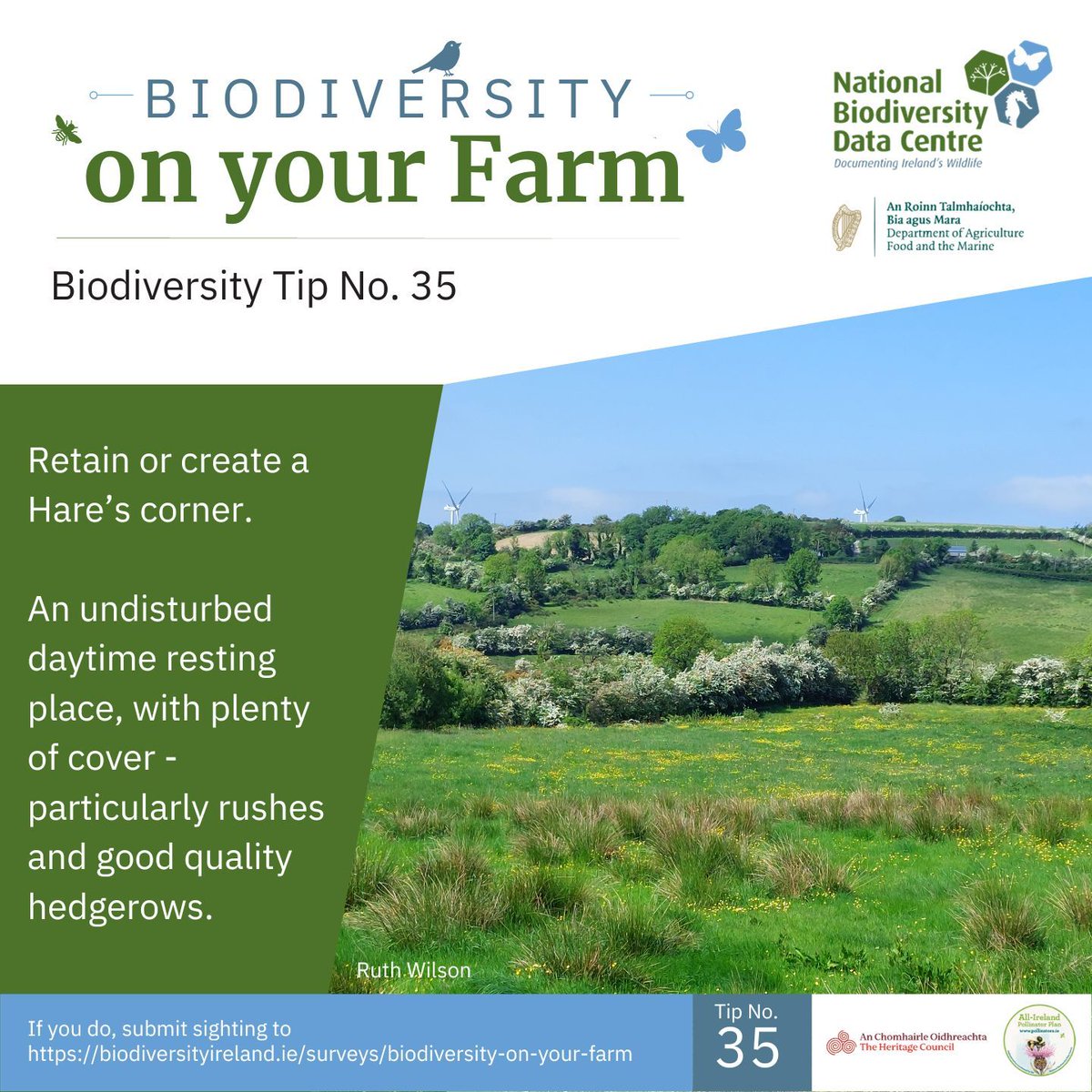
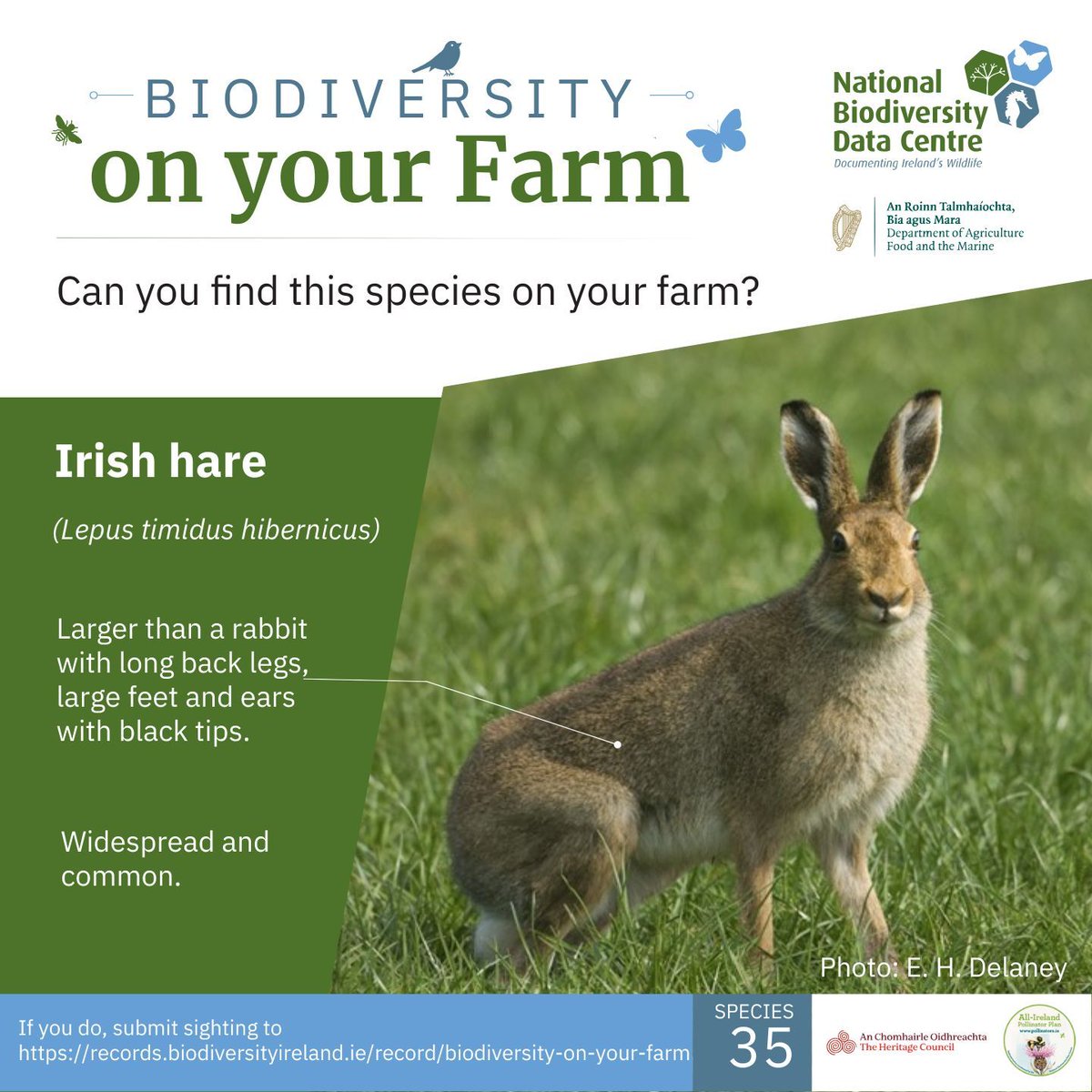
Keep an eye out for the beautiful Irish hare on the farm. Usually more active at night, so dawn and dusk are good times to spot them. They lie low during the day, where they have some cover, only moving if disturbed. Find out more - https://t.co/6yfTdjbrWI #FarmlandBiodiversity
This week @AnTaisce announced the winners of the ROI Green Flag Pollinator Award
🏆Overall winner: Maynooth Campus
🏆Community garden: Sneem Garden of the Senses
🏆Country Park: Ballycroy Visitor Centre, Wild Nephin
🏆Walled Garden: Ardgillan Walled Garden
https://t.co/kJ35fd2AP7
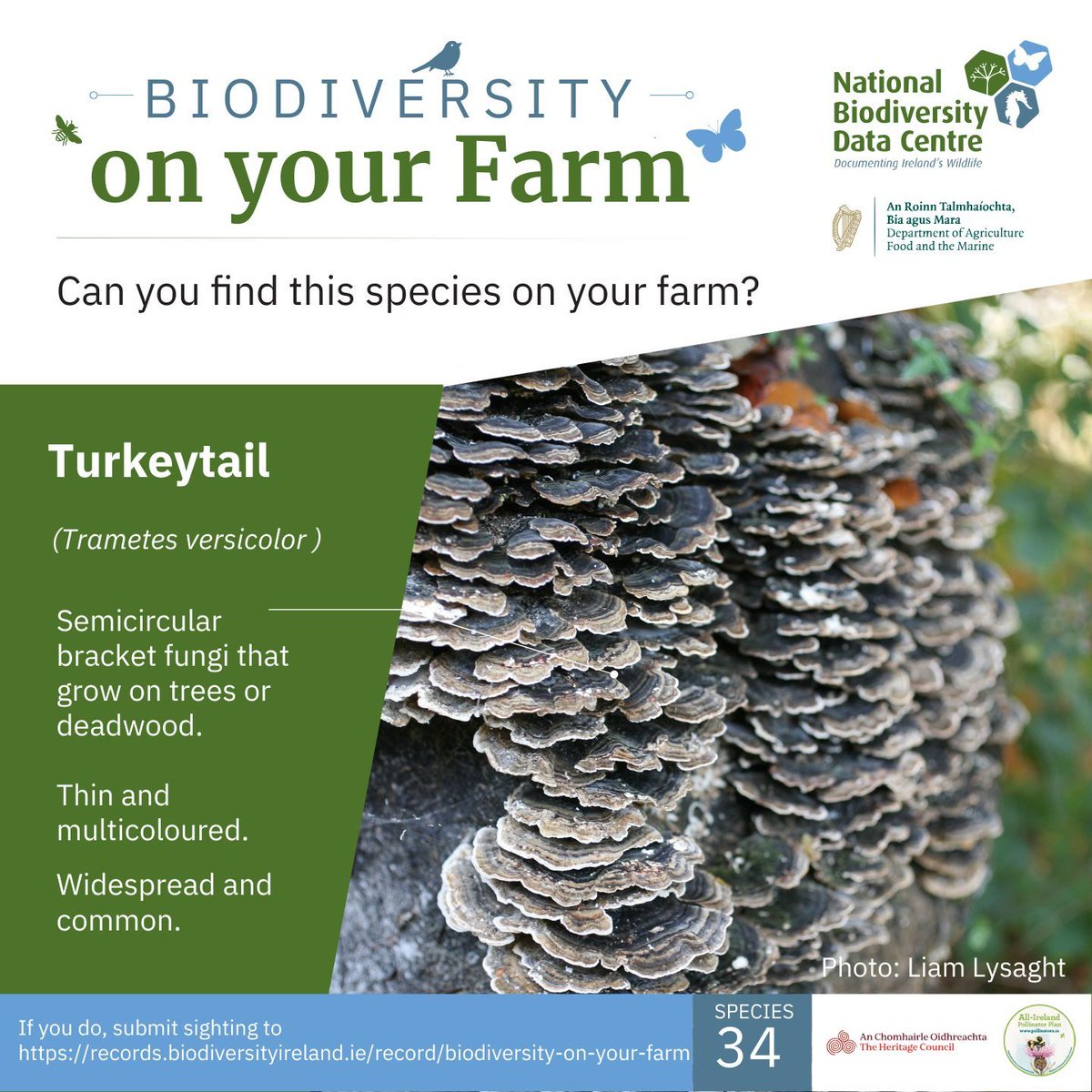
Small bracket fungi, the fruiting body of a white rot fungus that grow on wood, an essential part of the nutrient cycle.
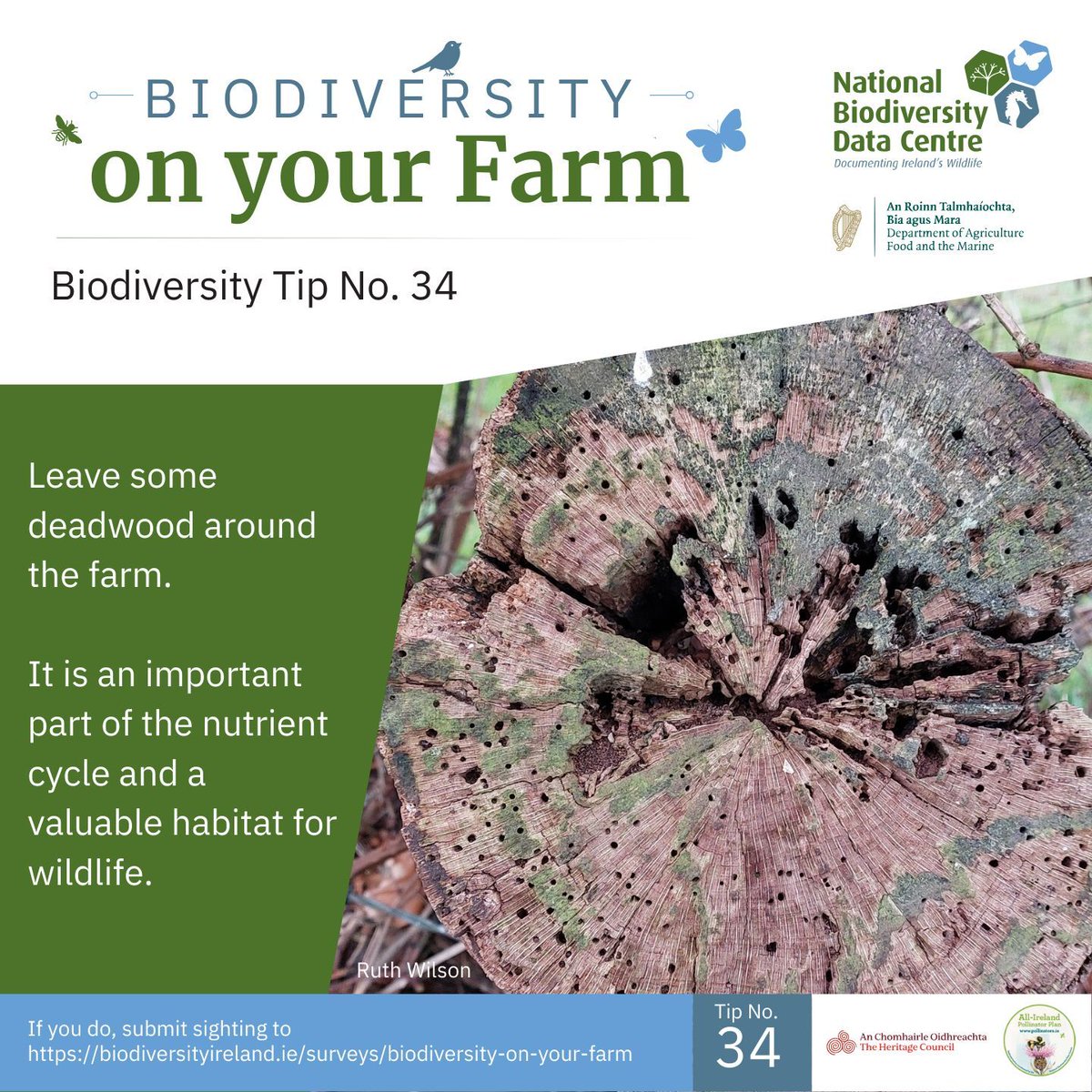
Fallen and standing deadwood play an important role in woods and hedges; supporting the nutrient cycle, soil and wildlife.
#farmlandbiodiversity
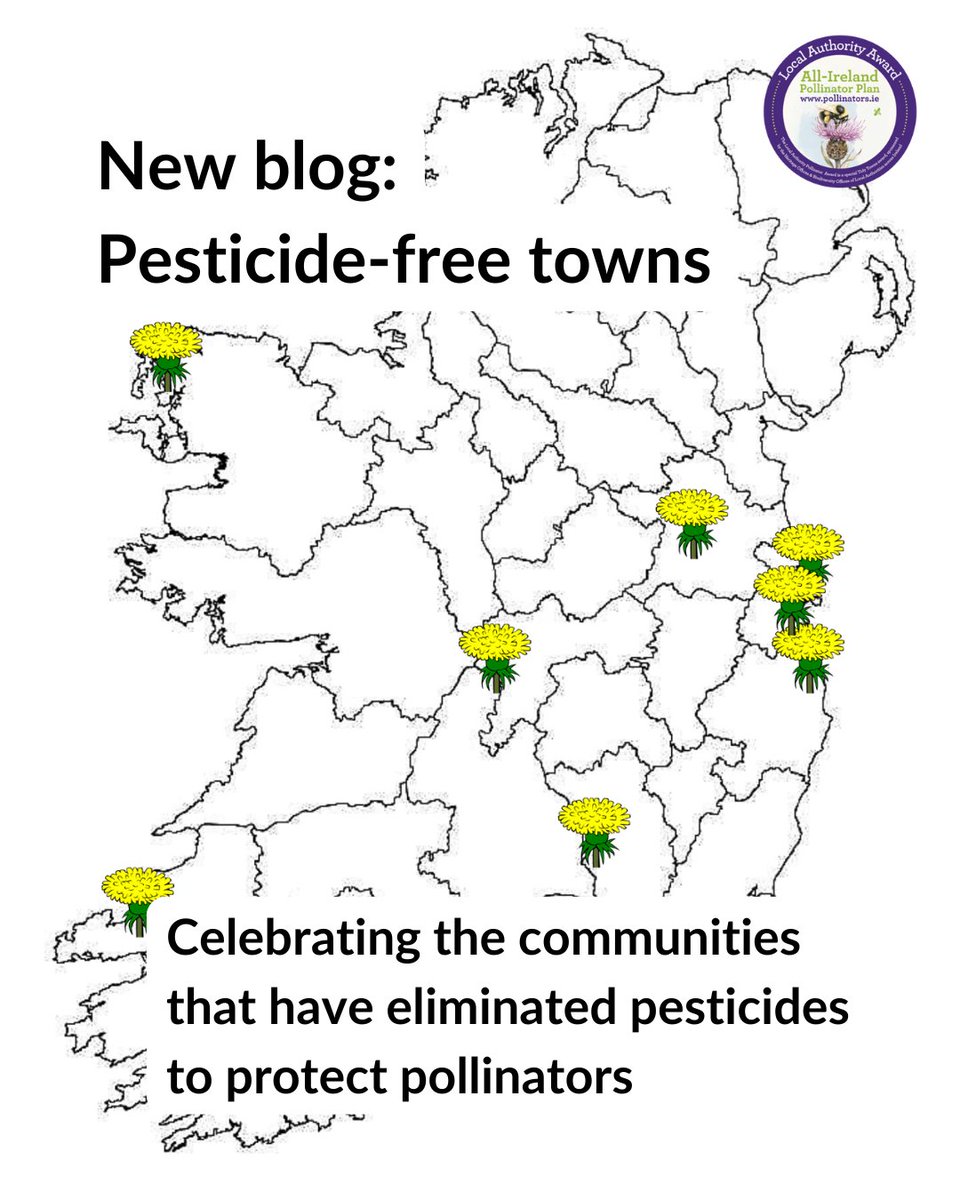
All over the island of Ireland, communities are reducing their use of pesticides, and many have eliminated them altogether.
Find out about some of the towns that are protecting pollinators and human health by saying no to harmful sprays ➡️ https://t.co/hYYC78kWPp
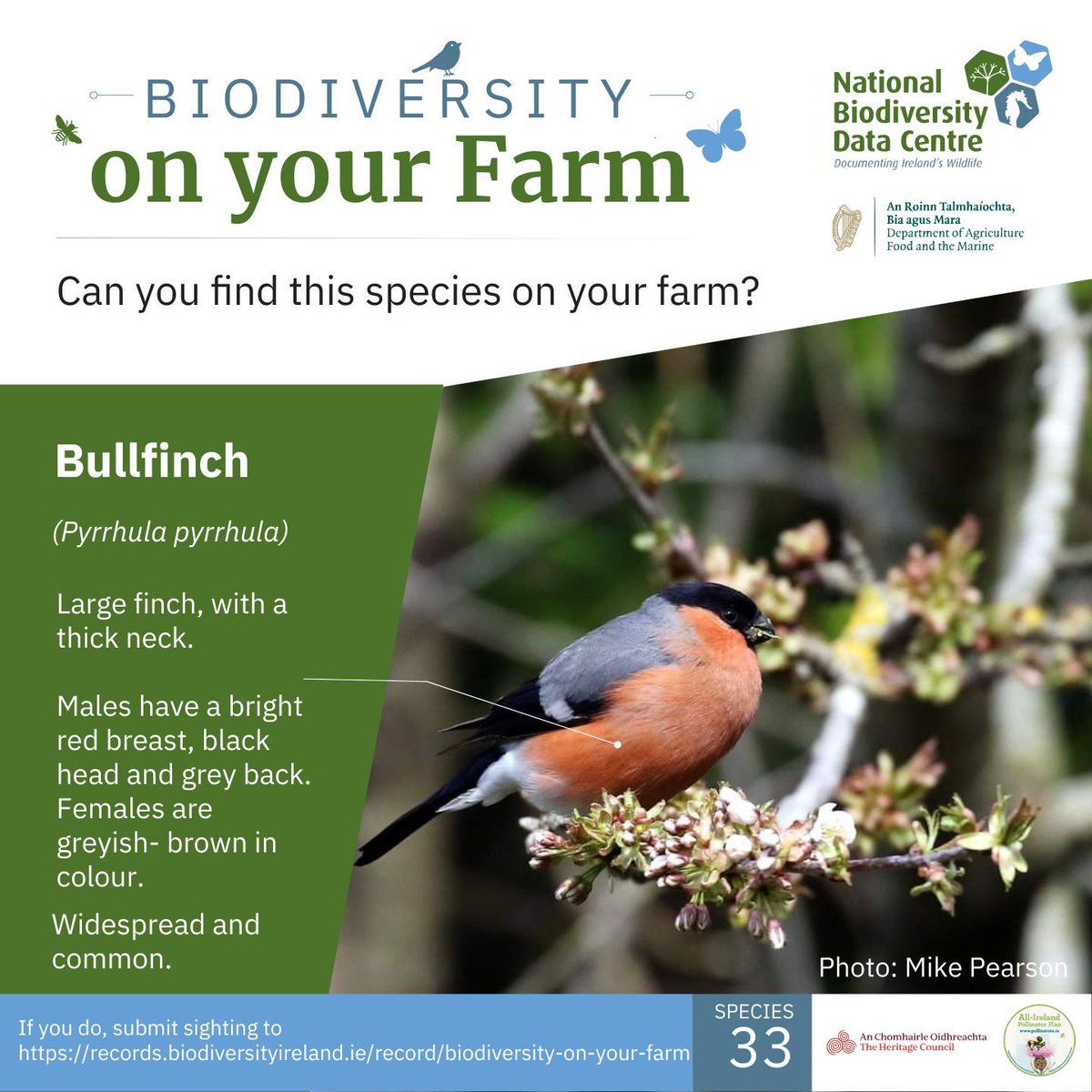
Bullfinch can be difficult to see, but the white rump flash is a good identification feature, as well as its mournful ‘pheew’ call.
Thick hedgerows with good cover are ideal for the Bullfinch and a mix of native tree and shrub species. Find out more https://t.co/L1eH421zZ1
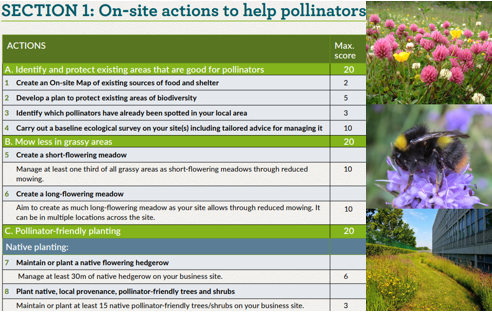
Q. How do we assess biodiversity (pollinators) on our business site in 2026?
A. Review the Checklist Pg34 of AIPP's ‘Businesses: actions to help pollinators’. Score your site, then commission a baseline ecological survey. https://t.co/mNTM2SJZ1X @biodatacentre#planforpollinators
Species # 32: Devil’s Coach-horse beetle
This stunning rove beetle has a scorpion-like posture when threatened. A powerful predator of insects and feeds on slugs, woodlice, caterpillars and worms.
Record sightings➡️ go to our website and search for Biodiversity on your Farm'