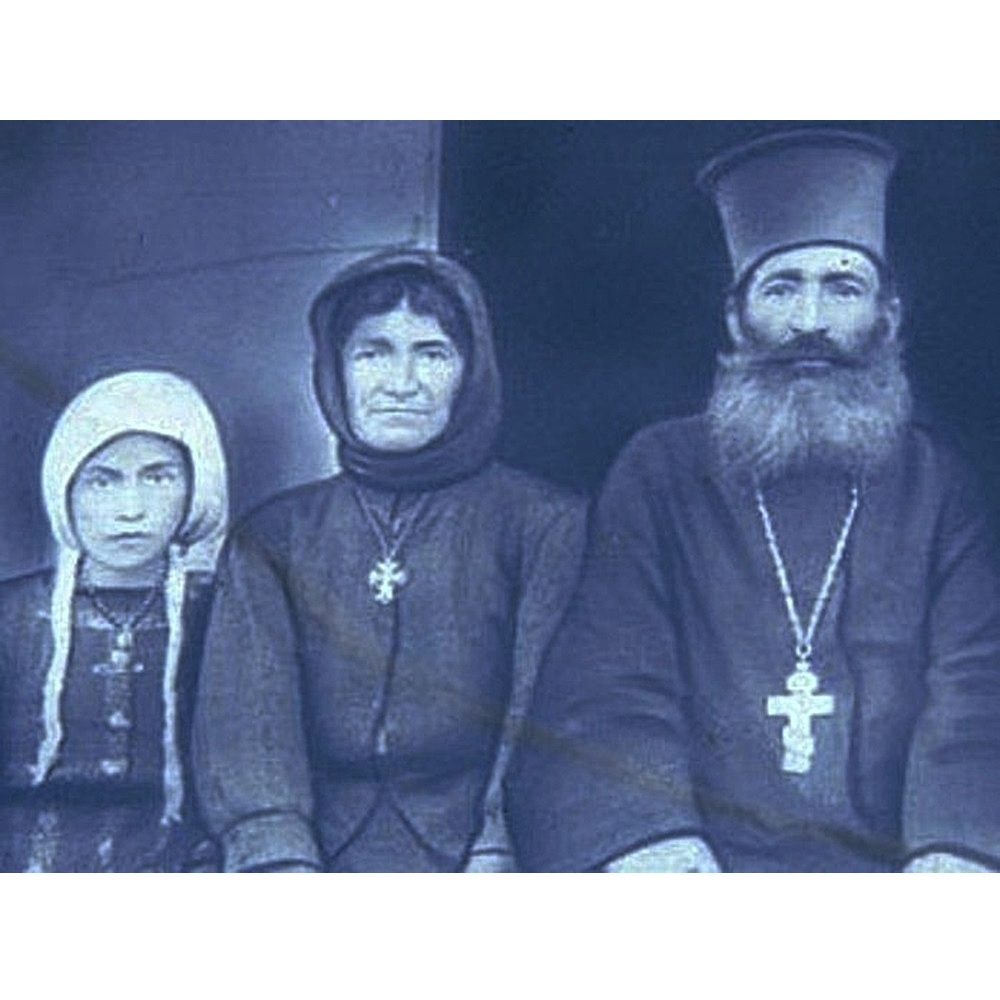
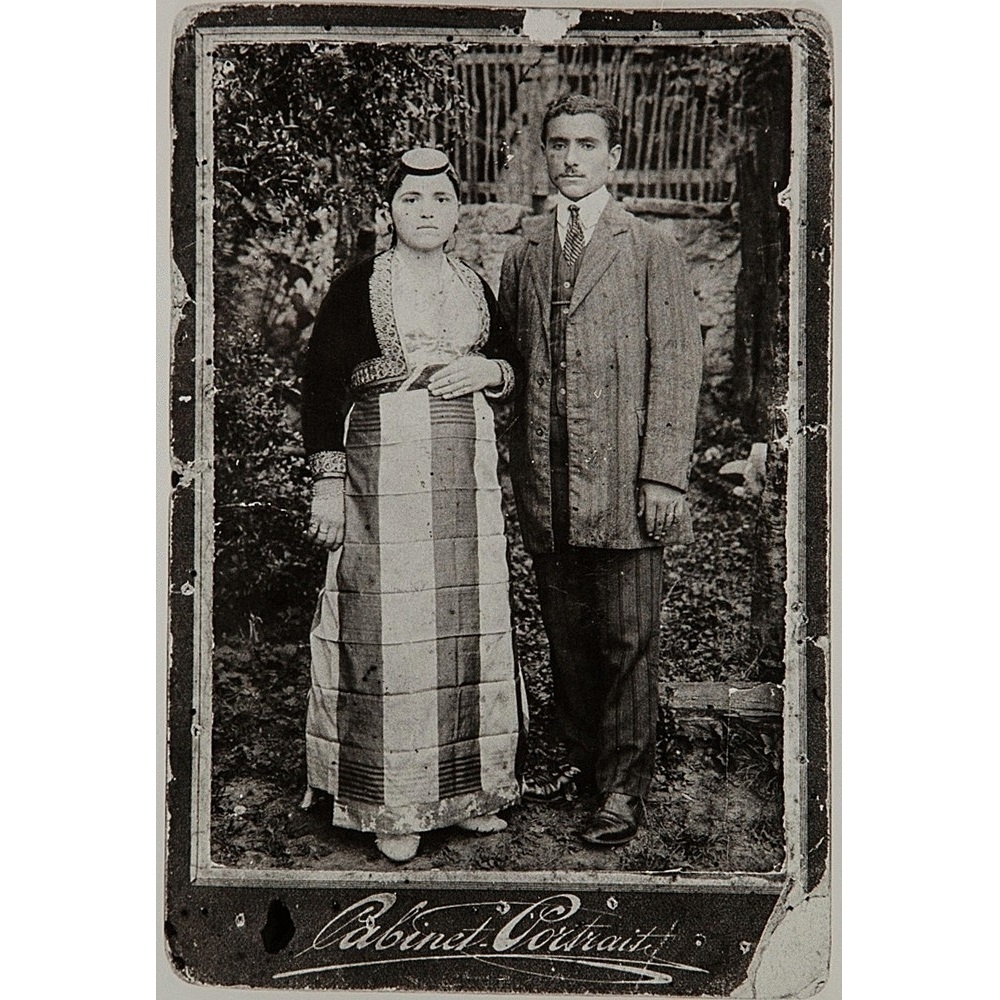
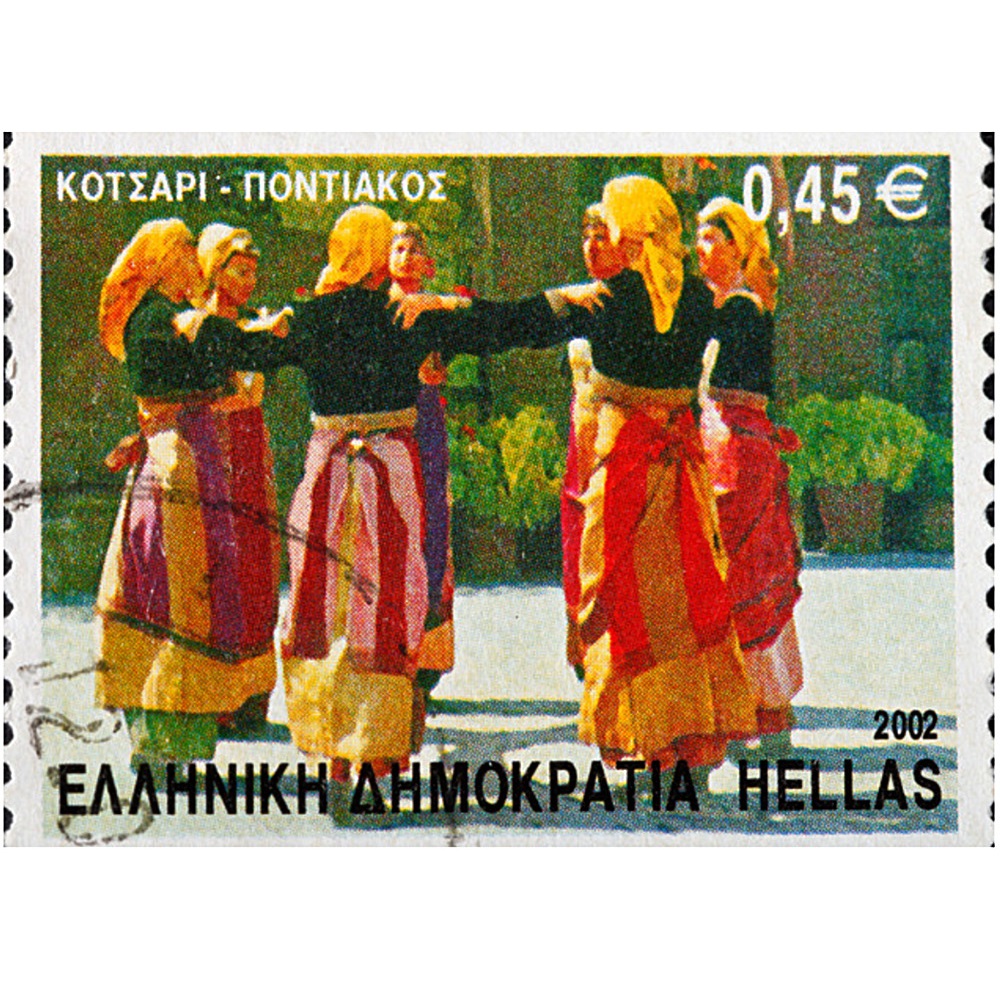
Three young ladies in traditional Pontic attire, one girl in western dress. Date/location unknown. Colourised. View more photos of Pontus: https://t.co/9Wb8oldF8G
Kheriana (Gr: Χερροίανα, Tr: #Şiran) was the name of an area within the region known as Chaldia. Kheriana was also part of a region which the Byzantines called Little Armenia.
View a list of all the former Greek settlements of Kheriana: https://t.co/8ksCw0oZDZ
#Akçaabat (Gr: Platana) is a seaside town situated 14 km west of Trabzon along the Black Sea. The first tracing of its medieval name of Platana comes from Constantine Porphyrogenitus (905-959) who refers to it as Platanion.
More about Platana: https://t.co/ew9mIT8yH5
Girl from Pontos in traditional attire. Photo: Cacoulis brothers.
Source: Ιστορική & Εθνολογική Εταιρεία της Ελλάδος.
More photos by the Cacoulis brothers: https://t.co/yEX1UhRrRC
Greek family of Samsun (Gr: Samsunta). Of the 214 businesses in Samsun in 1896, no fewer than 73% were owned by Greeks and 17% by Armenians.
More about Samsun: https://t.co/BeLMa6S09o
Three young ladies dressed in Pontic attire. Date/location: unknown. Source: https://t.co/rEq2bUYdpx
More historic Pontic photos: https://t.co/9Wb8old7j8
Sürmene is a town on the Black Sea coast in north-east Türkiye (Pontos), 40 km east by road of Trabzon.. The area has a peculiarity in that some Muslim Turks in some of the surrounding villages still speak Romeyka, an old Greek dialect.
https://t.co/HXX8Oand3r
Alexis Tsinalis holding a Kemenche, aka Pontic lyra. The instrument is an inherent part of Pontic music and serves as a symbol of cultural identity. It's otherwise known as the Black Sea fiddle or Karadeniz kemenchesi.
Photo: https://t.co/9HBMPamFQ0
Greek family of Samsun (Gr: Samsunta). Samsun, known historically as Amisos by Greeks and Byzantines, Missos by Romans and Simisso by Genoese lies between the deltas of the Kizilirmak (ancient Halys) and Yeşilirmak (ancient Iris) rivers.
More about Samsun: https://t.co/BeLMa6RsjQ
Statue of #Diogenes of Sinope (#Sinop, Turkey).
The plaque reads:
"Philosopher Diogenes,
who is famous his[sic] saying,
"stand a little less
between me and the sun"
Lived in Sinop between
413-404 BC
and died 324 BC.
Photo: Michael F. Schönitzer
Diogenes 'the cynic' of Sinope (412-323 BC) was a philosopher and as his name suggests, was born in #Sinope, Pontus (current day Turkey) in 412 BC.
Read more: https://t.co/JpSlAMifNU
One of the most prominent surviving churches in #Ordu is the Church of Hypapante (Gr: Ναός της Υπαπαντής του Χρηστού, Tr: Taşbaşı kilisesi) which stands above the sea in the western area of the town.
More: https://t.co/6iRM2mKjat
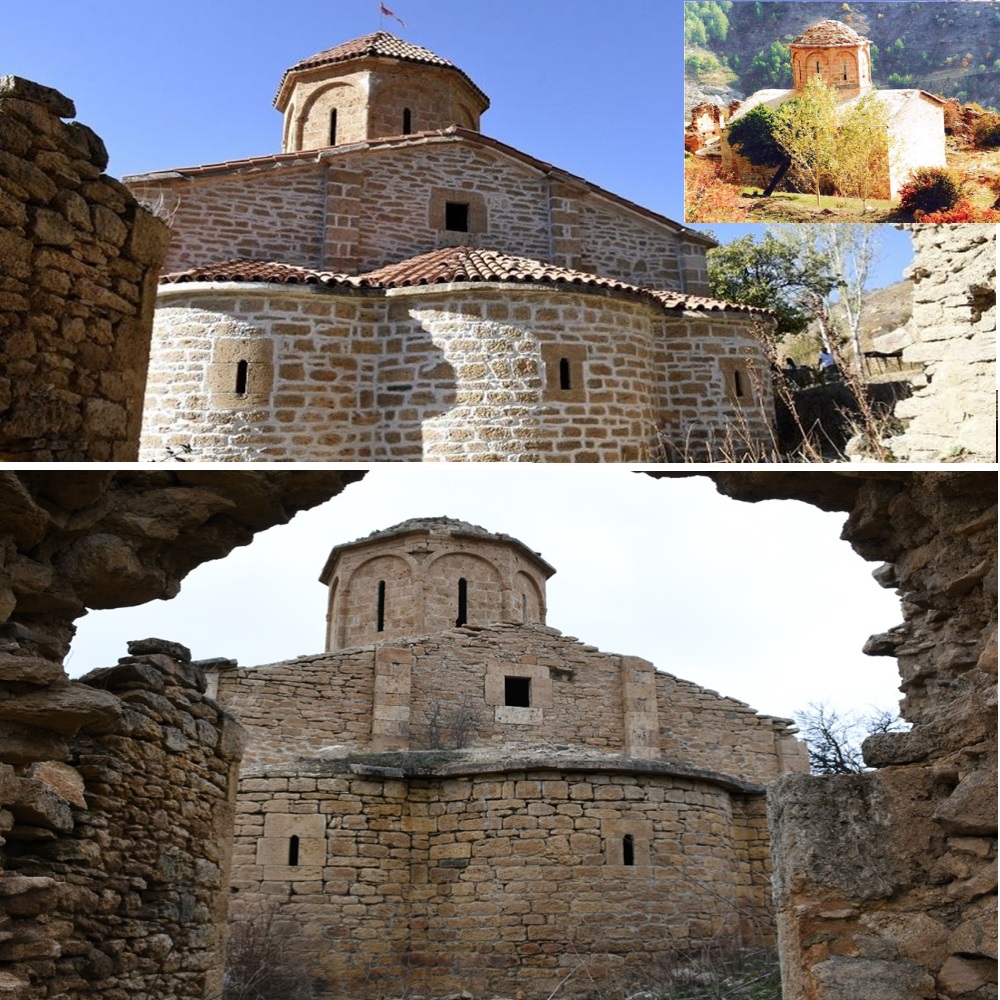
The Monastery of Saint John the Forerunner (Gr: Άγιος Ιωάννης Ίμερας, Tr: İmera Manastırı) was recently partially renovated. It was founded as a monastery for women in about 1710. It's situated at Imera (today Olucak), 17 km NE of Gumushane.
https://t.co/WMfZ67GCsE
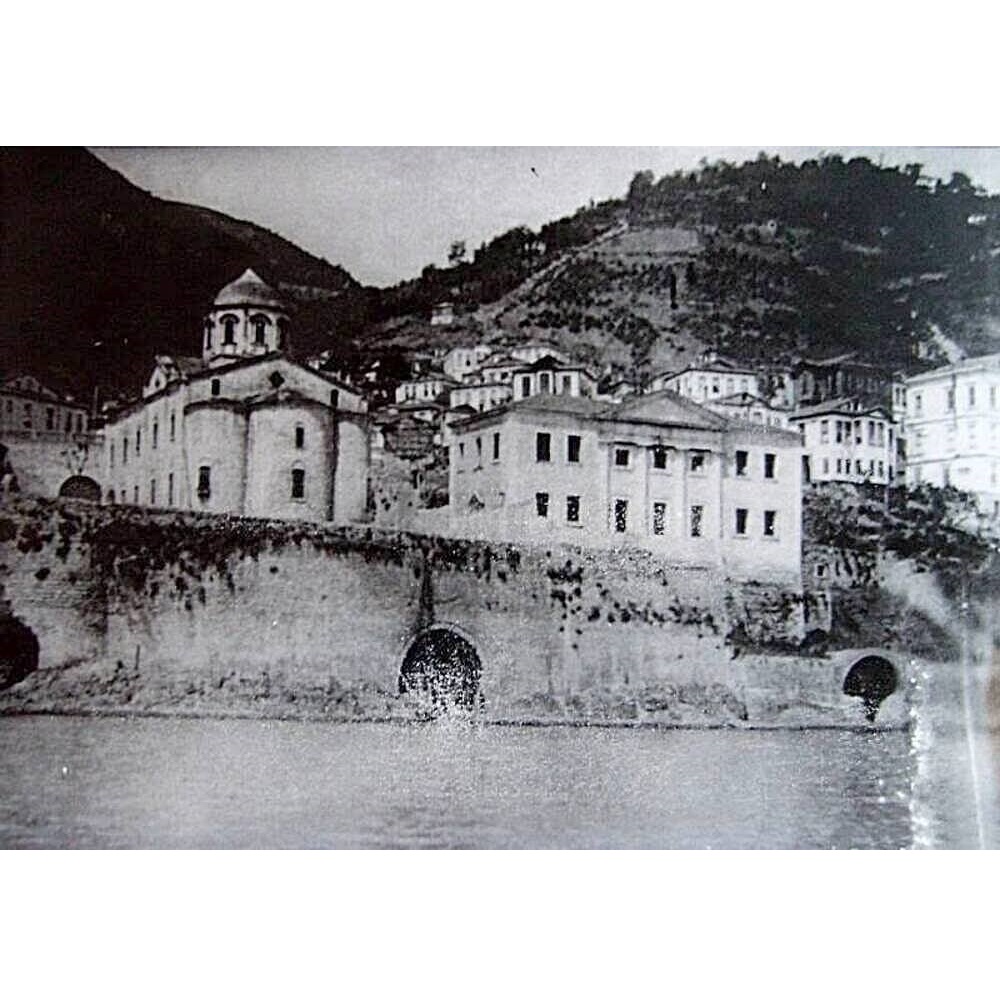
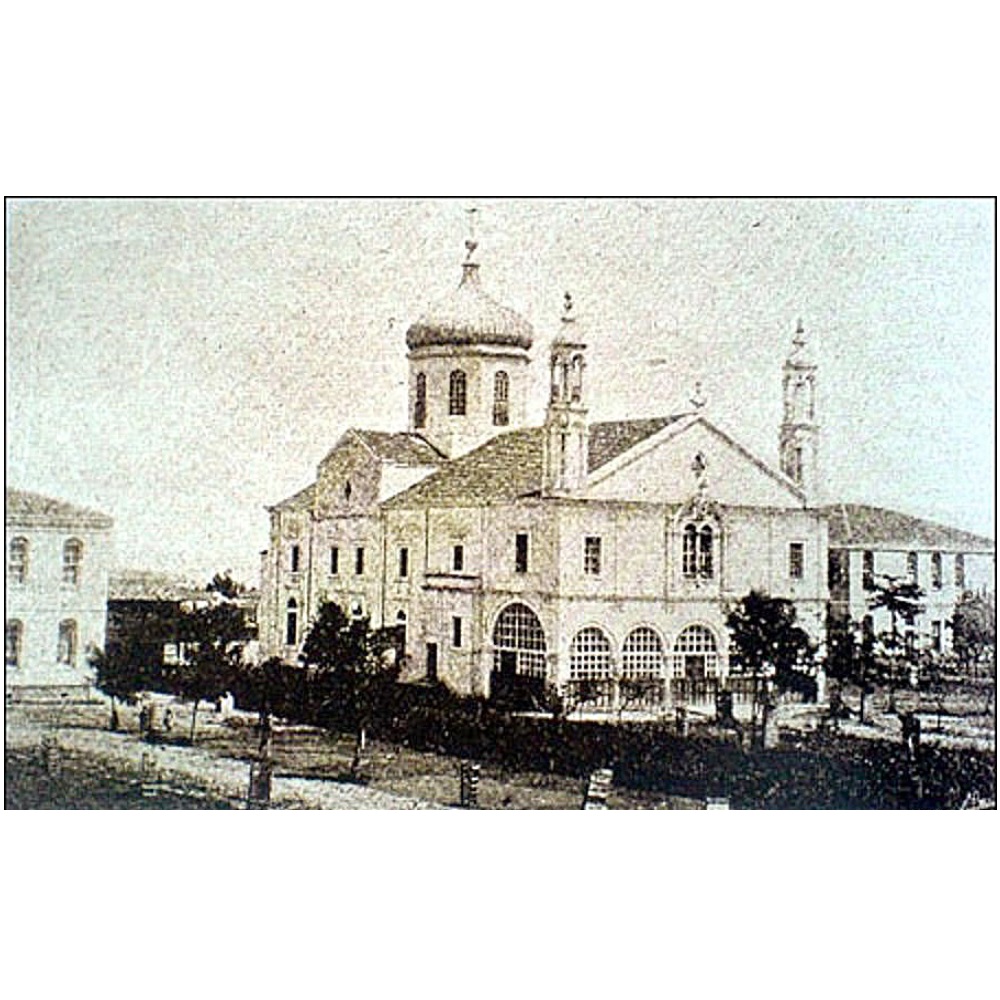
The Agia Triada Greek Orthodox church of #Samsun (Gr: Amisos) was a magnificent Greek church built in 1870. To the left of the church was a boys' school and to the right a girls' school.
Read more about the church: https://t.co/LzFBU11EM9


![PontosWorld's tweet photo. Statue of #Diogenes of Sinope (#Sinop, Turkey).
The plaque reads:
"Philosopher Diogenes,
who is famous his[sic] saying,
"stand a little less
between me and the sun"
Lived in Sinop between
413-404 BC
and died 324 BC.
Photo: Michael F. Schönitzer https://t.co/UHgVGC0YQu](https://pbs.twimg.com/media/GDpEUQ-a0AAsTcA.jpg)