So excited to share the news of our $50M Series A.
Maneuver continues to be the US space warfighter's number one technology gap, and we're developing the only propulsion and spacecraft innovation that meets the growing need for sustained mobility between LEO, MEO, GEO, and the expanding cislunar domain.
Excited to see this news drop today 🦾
Just one step on the inexorable march of Portal winning in the space domain 📈
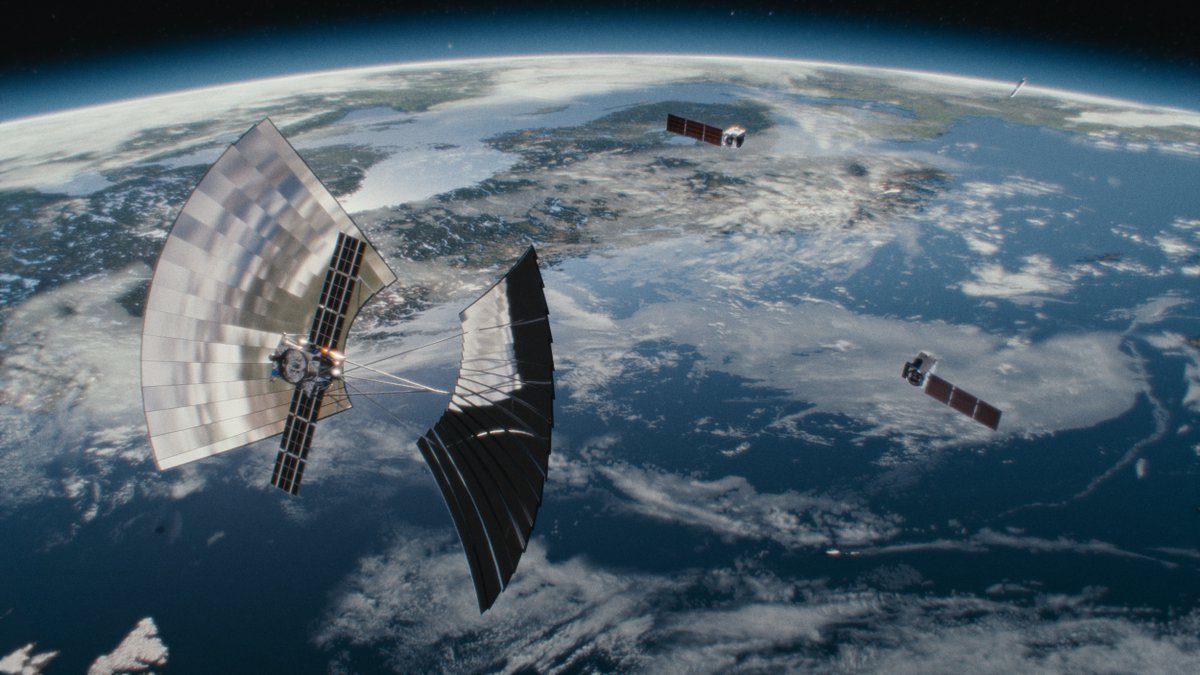
This is how satellites / spacecraft will move in orbit 🛰️
---
We saw immediately how important this was when we first met @JeffThornburg and dug into what he is building
The physics win, the price point wins, and this is the only path for America to win the dominant position in orbit 🇺🇸
Next steps:
- build spacecraft factory
- build & launch tons of spacecraft
- build the orbital future
Onwards!
We led Portal's $50M Series A alongside Geodesic. Largest single check Mach33 has ever written and Second largest position in the portfolio behind one big space company you've heard of.
We love space but invest in it selectively. Very few opportunities outside SpaceX present a risk-adjusted return profile we find compelling. Portal is one of them.
The level of conviction we have in Jeff and the Portal team is rare in venture. This is obviously easy to say, which is why many say stuff like this.
The proof is in the check size (our largest ever), the number of times we've doubled down (second only to SpaceX), and the research we've published (more on this propulsion architecture than any other analyst in the market).
Capital, concentration, and hours are harder to fake than conviction.
Most investors in deep tech start with the market and work backwards. Size the opportunity, identify who has momentum, follow the signal. Many large investors control the market by crowning consensus winners who are too big to be ignored. Signal and hype fill the gaps where technical understanding should be.
Instead we validate from first principles, in order: Physics -> Engineering -> Manufacturing -> Operations -> Market. The market is the last thing we look at, not the first.
In Portal’s case this analysis flow is particularly compelling:
Physics: Solar-thermal propulsion sits in the gap between chemical and electric that no other funded company occupies. Chemical gives you thrust but burns through fuel in minutes. Electric gives you efficiency but takes months to reposition. Portal's thermal cycle sits in a 'goldilocks zone' delivering both: 350-450s Isp at 100-200N thrust, on $1/kg ammonia, resulting in over 5km/s Δv.
Engineering: Three technology shifts made this viable now after decades of NASA research that never flew. 3D-printed refractory heat exchangers (hundreds of parts consolidated into one), alloys stable approaching 3,000K (vs 1,800K in the 1980s), and deployable optics at >1,000 W/kg (10× typical solar arrays). Portal is the first to integrate all three.
Manufacturing: Portal’s design has 81% Bill-of-Materials overlap across products. The core engine has one moving part. The factory opens mid-2026, designed from day one for high rate production, not R&D prototyping.
Operations: Jeff Thornburg built the first full-flow staged combustion engine at AFRL, then re-engineered it for mass production as Raptor at SpaceX. The pattern is the same at Portal: prove the physics, then design for scale. The leadership bench includes SpaceX, Blue Origin, and retired Space Force general officers.
Market: $50M+ in government contracts already secured, including a $45M STRATFI from Space Force. The demand signal is structural : 1.2 million satellites filed in the last 18 months, Space Force doctrine shifting to maneuver warfare, and two publications just this week reinforcing the thesis publicly.
Without the ability to independently evaluate the physics, engineering, and manufacturing, investors default to market signal: who else is investing, what's the narrative, how big is the round.
There's nothing wrong with that approach, but it's not ours. The work required to form independent conviction in deeply technical companies is substantial, and that's where we think our edge sits.
Today we published our full thesis on solar thermal propulsion and how it influenced our decision to lead Portal’s Series A. If you want to see the complete logic you should check it out.
https://t.co/cuTIwgd31Q
Congratulations Jeff and Portal team! You all are changing the future for the better!
Proud to have led Portal Space Systems' $50M Series A alongisde Geodesic. Booz Allen Ventures and ARK Invest also participated.
With the announcement today, we published the full investment thesis.
For over 50 years, in-space propulsion forced a binary:
Chemical systems that move fast but burn through fuel aggressively, depreciating the asset in just a few maneuvers
or…
Electric systems that are efficient but take months to maneuver.
No architecture delivered both speed and efficiency.
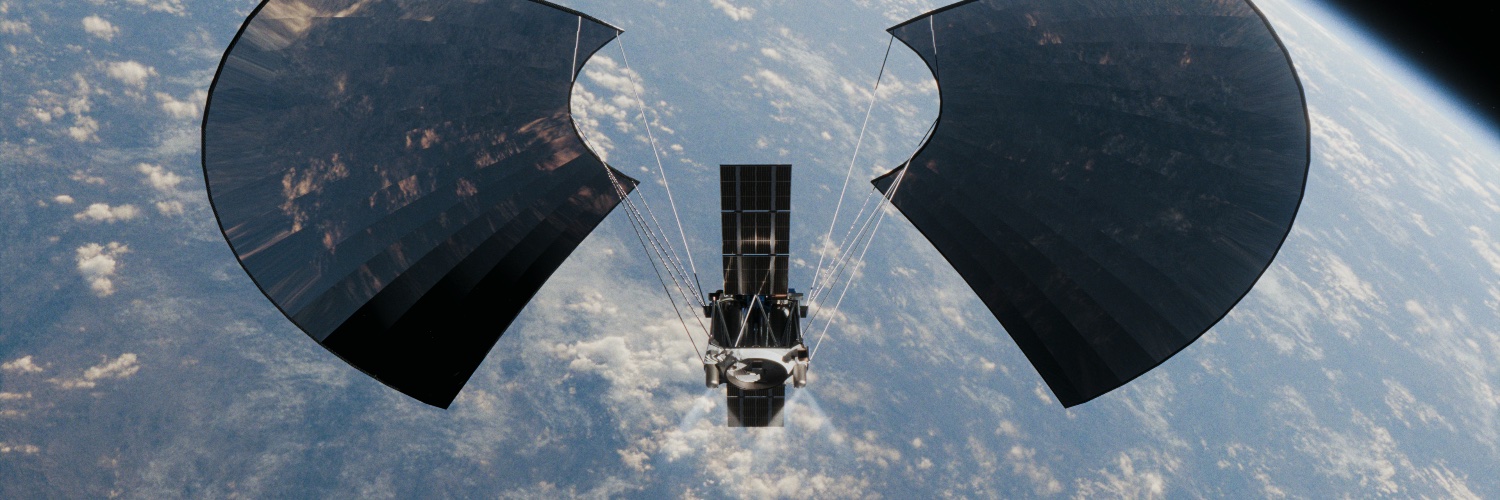
Solar-thermal propulsion breaks that trade-off. It concentrates sunlight to heat propellant, delivering the speed of chemical systems with the endurance of electric, in a single reusable vehicle. Portal is the only funded company building production vehicles around it.
We built a propulsion economics model comparing four propulsion architectures across the full delta-v spectrum. Solar thermal is the only one that stays fast and cheap from small corrections to full orbital transfers.
And, who better to lead Portal than Jeff Thornburg? Jeff is the architect of the SpaceX Raptor engine, hired by Elon at SpaceX after being the first to develop full-flow staged combustion at the Air Force. He is one of the most advanced propulsion engineers on the planet.
The demand signal couldn't be clearer either. Operators have filed for more than 1.2 million satellites in the last 18 months. This week alone, retired Lt. Gen. Shaw declared in Forbes that the U.S. pivot to high-maneuverability space warfare is imminent, and the Secure World Foundation documented 13 nations now developing the ability to threaten satellites in orbit. More threats necessitate the need to move, fast and repeatedly, in and between orbits.
Congratulations to the Portal team! Few investments feel this clear.
Read the full thesis here 🧐: https://t.co/SRVPpjxnyv
The mission may be orbital, but the momentum starts local.
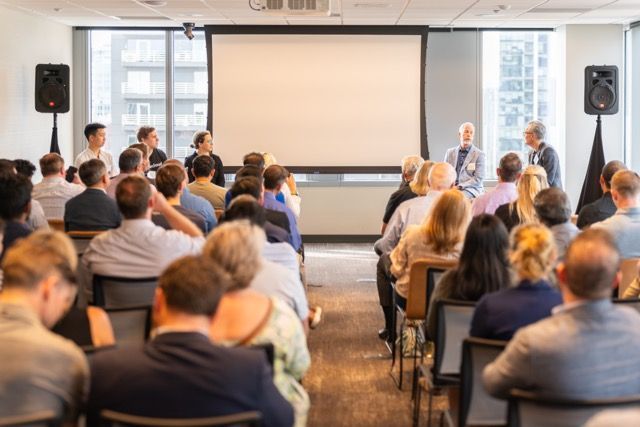
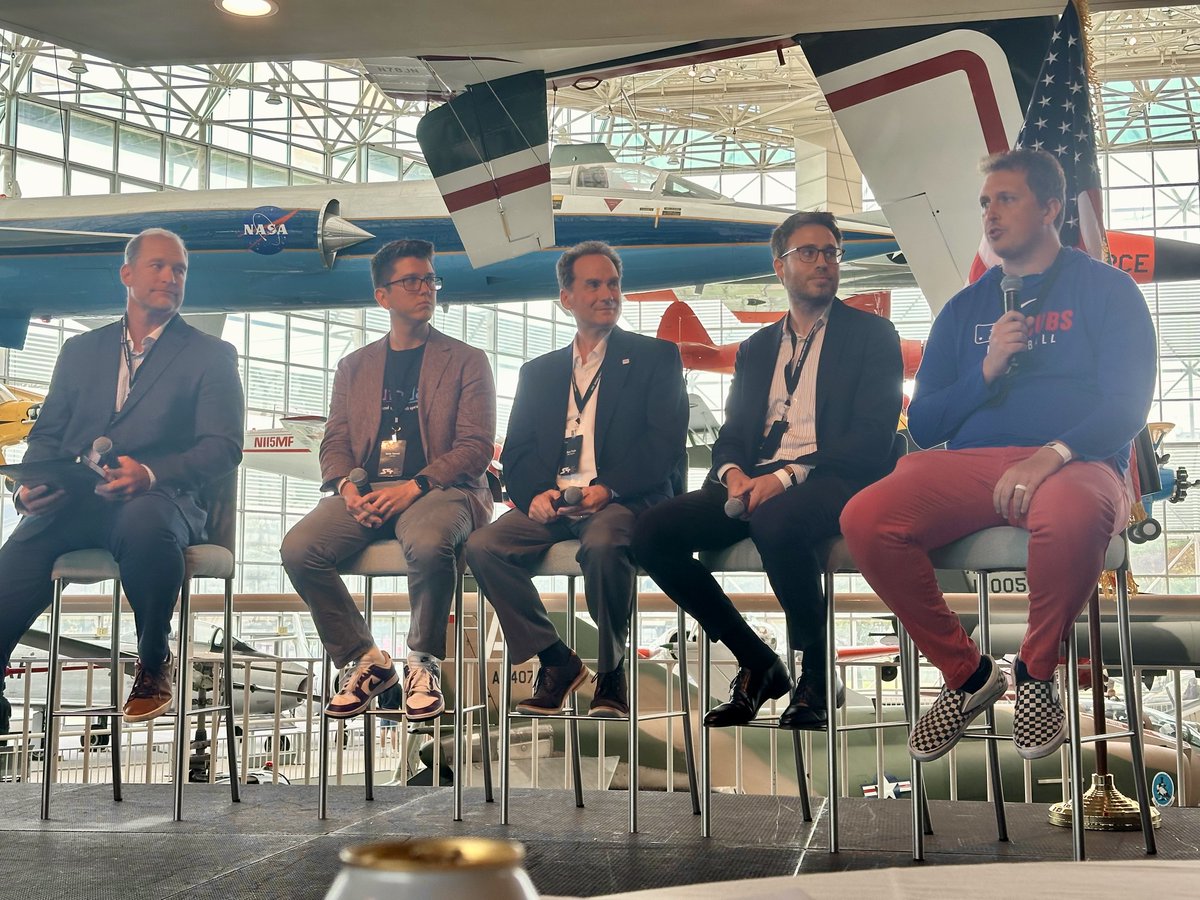
Our COO @IanVorbach joined the S4 Summit in Seattle yesterday to talk space superiority and what it takes to move fast in orbit.
Thanks to FUSE for bringing the community together!
#S4Summit#SpaceMobility
✅ Seattle Tech Week 2025 😅
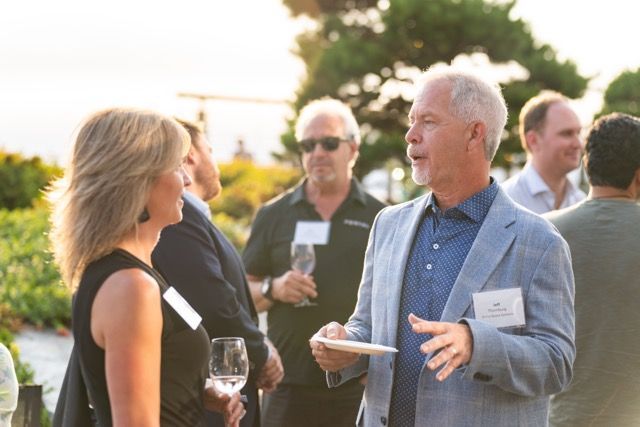
Throughout the week, Portal's leadership were a part it:
• COO Ian Vorbach joined Ascend’s Defense Tech panel
• CEO Jeff Thornburg spoke on the "State of Space”
Seattle is proving it’s the hub for space innovation!
#SeattleTechWeek
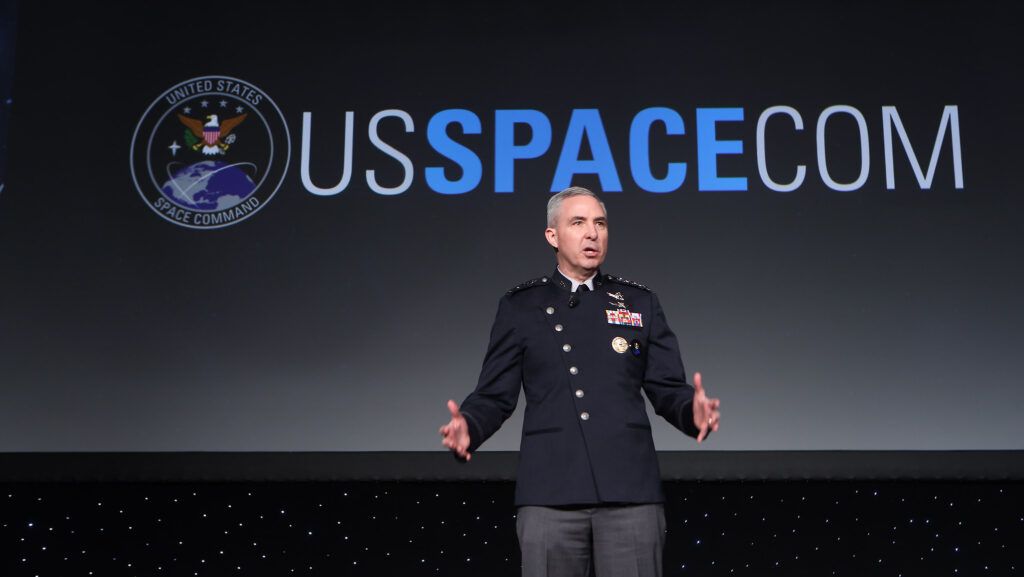
Commander Gen. Stephen Whiting says it plainly: future space ops demand on-orbit mobility.
The demand signal couldn't be stronger for Portal’s high delta-v, rapid maneuverability, and mission agility solutions.
https://t.co/PioUni9Gem
#PortalSpaceSystems#SpaceMobility
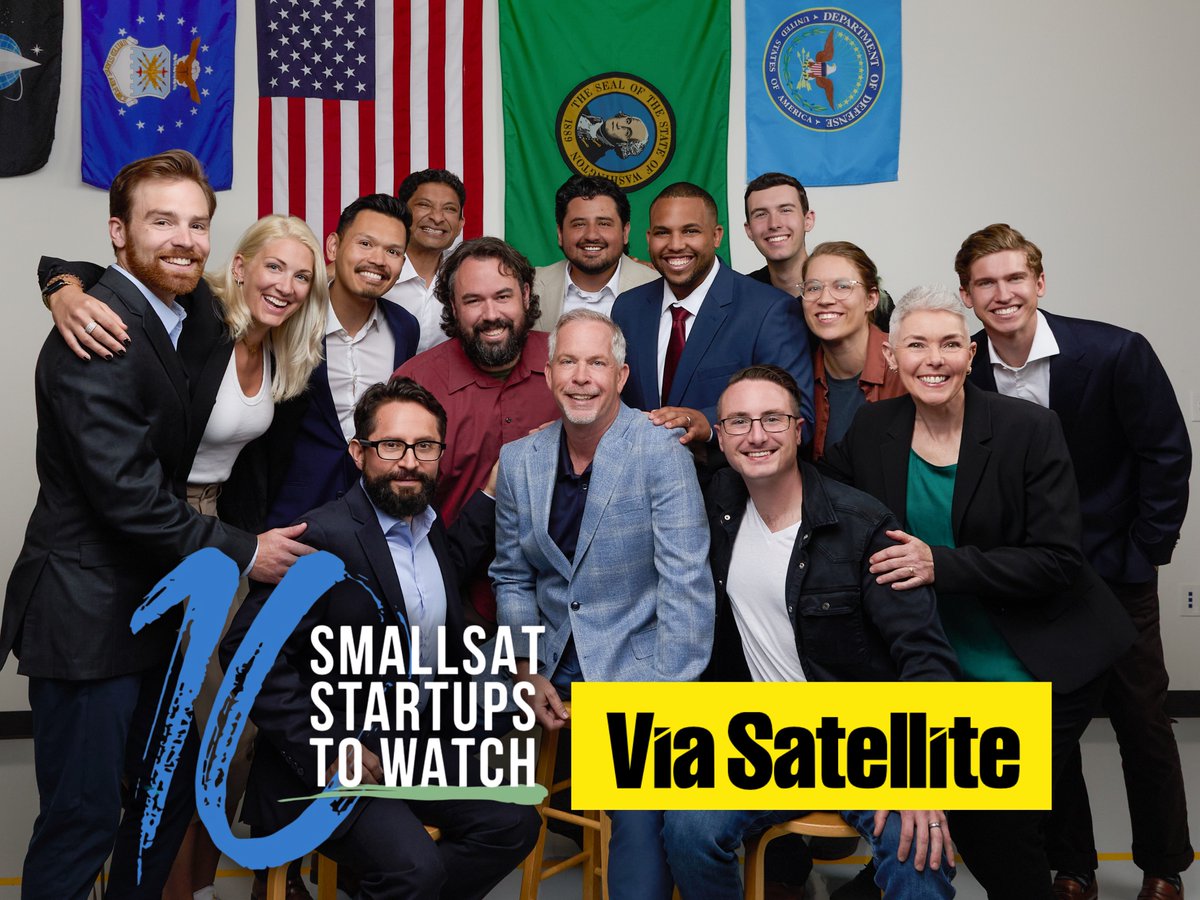
Portal Space Systems is officially one of Via Satellite’s Top 10 Startups to Watch in 2025!!!
Huge thanks to our incredible team and to Via Satellite for the recognition for helping tell our story.
We’re just getting started.
#PortalSpaceSystems#Supernova#SpaceMobility
What does the future of space look like in the Pacific Northwest? 🛰️
Portal CEO @JeffThornburg joined leaders from BlackSky, Xplore, Kymeta & Space Northwest at #PNWER2025 to talk growth, innovation & what’s next for the region’s space economy.
#PNWER#PortalSpaceSystems
From @PortalSpaceSys's Jeff Thornburg, here's what people get wrong about NASA and SpaceX. NASA can't fail, but SpaceX can. While we might see some spectacular footage of launches, Elon's company is rapidly iterating and improving their Falcon 9 from every success and failure.