@patientinvestor bought $AXP a couple of days ago. As for $WMT, I think there might be a better buying opportunity this month. I hope $NFLX can reach 50-55, while $APP is at 220-250. If these prices appear, I will buy.
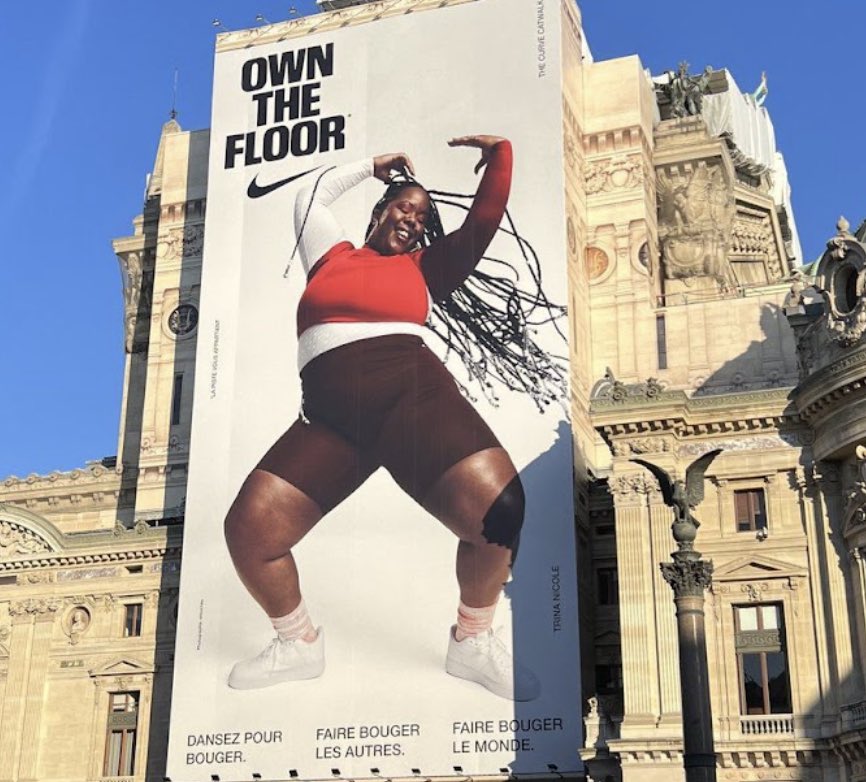
Nike Sportswear, Greater China, and Jordan declined. This quarter's financial report shows management data showing growth in Nike Performance while declining Nike Sportswear. This clearly demonstrates that consumer demand for targeted sports scenarios hasn't decreased; rather, it's for everyday fashion trends. This indicates that consumers haven't lost their love for Nike, but rather a lack of innovation. Jordan's decline is similar. In Greater China, the decline in the Chinese market is multifaceted, including insufficient domestic consumer spending, but management still believes in raising prices to maintain brand positioning, which I strongly disagree with. There's also a problem with supply chain management. In physical stores in China, you'll see outdated and inferior styles, while online you'll find the latest and best shoes. This also affects Nike's operational efficiency in China. I believe management far underestimated the speed of inventory clearance. Currently, management has recognized the supply chain management issues and decided to make adjustments, which is a good thing. Let's look at LULU's financial report On September 3rd. North America declined across the board, and China's growth dropped from 22% in the first quarter to -2% after excluding exchange rates. As for brands like Alo Yoga, Vuori, and On, they are constantly vying for market share in North America. In September, these competitors also began expanding into China. As for the shift from close-fitting/tight silhouettes to away-from-body silhouettes mentioned by management, the impact of this may not be felt in the stock price for a year. In summary, Nike's problems are largely self-inflicted, while LULU's aim is to prove that consumers are still willing to pay a brand premium. I've written a bit too much; I hope this answers your questions.
Nike Sportswear, Greater China, and Jordan declined. This quarter's financial report shows management data showing growth in Nike Performance while declining Nike Sportswear. This clearly demonstrates that consumer demand for targeted sports scenarios hasn't decreased; rather, it's for everyday fashion trends. This indicates that consumers haven't lost their love for Nike, but rather a lack of innovation. Jordan's decline is similar. In Greater China, the decline in the Chinese market is multifaceted, including insufficient domestic consumer spending, but management still believes in raising prices to maintain brand positioning, which I strongly disagree with. There's also a problem with supply chain management. In physical stores in China, you'll see outdated and inferior styles, while online you'll find the latest and best shoes. This also affects Nike's operational efficiency in China. I believe management far underestimated the speed of inventory clearance. Currently, management has recognized the supply chain management issues and decided to make adjustments, which is a good thing. Let's look at LULU's financial report On September 3rd. North America declined across the board, and China's growth dropped from 22% in the first quarter to -2% after excluding exchange rates. As for brands like Alo Yoga, Vuori, and On, they are constantly vying for market share in North America. In September, these competitors also began expanding into China. As for the shift from close-fitting/tight silhouettes to away-from-body silhouettes mentioned by management, the impact of this may not be felt in the stock price for a year. In summary, Nike's problems are largely self-inflicted, while LULU's aim is to prove that consumers are still willing to pay a brand premium. I've written a bit too much; I hope this answers your questions.
Did Michael Bury buy Nike? In my opinion, LULU's fundamentals are worse than Nike's. Since they've already bought LULU, they should give Nike a boost.😂😂😂
@midnightblog4 I used to think that the more someone lacked something, the more they wanted it. Now I think that if you see things that way, it may actually reveal what you want the most.