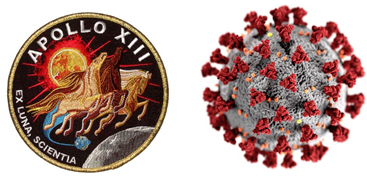
Bridging the specialist/non-specialist abyss. What #Apollo13 can teach us about #CoVid19 and how these two events point to the need to re-think the mandate that we give our schools, colleges. #PostPandemicCurriculum#EdChat https://t.co/bCvZxLhyCa
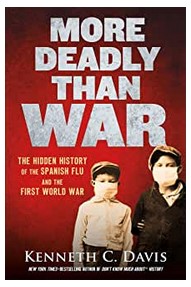
Question: Why does curriculum spend so much more time on wars than on how diseases affect history (Smallpox > "conquest" of Americas, BlackDeath > Renaissance, SpanishFlu > end of WW1)? Maybe cause war is more dramatic, even tho disease is more important. #EdChat@HistoryEd
Why we weren't prepared for #CoVid19. We're focusing on the wrong things
# @Amazon:
-Books:History:World War 1=50,000+
-Fiction WW1=7,000+
-Spanish Flu=348
# deaths @Britannica:
-WW1 military=8.5M
-SpanishFlu=25M-50M
#SpanishFlu 3x-6x more deadly
#WW1 160x more popular
#EdChat
In addition to giving each student the skills needed in their individual careers, a fundamental purpose of schools must be to ensure that every student gains a firm grasp of the concepts needed to effectively participate as a citizen of their country and the world.
Without a shared understanding of some basic concepts, communication about public policy breaks down.
Dialogue becomes diatribe, conversation degrades into conflict, facts are overwhelmed by factionalism. And the always fragile fabric of democracy starts to fray
I'll start posting next week about the need for a new sort of curriculum that prepares students with the concepts needed to be engaged citizens in a robust responsive democracy