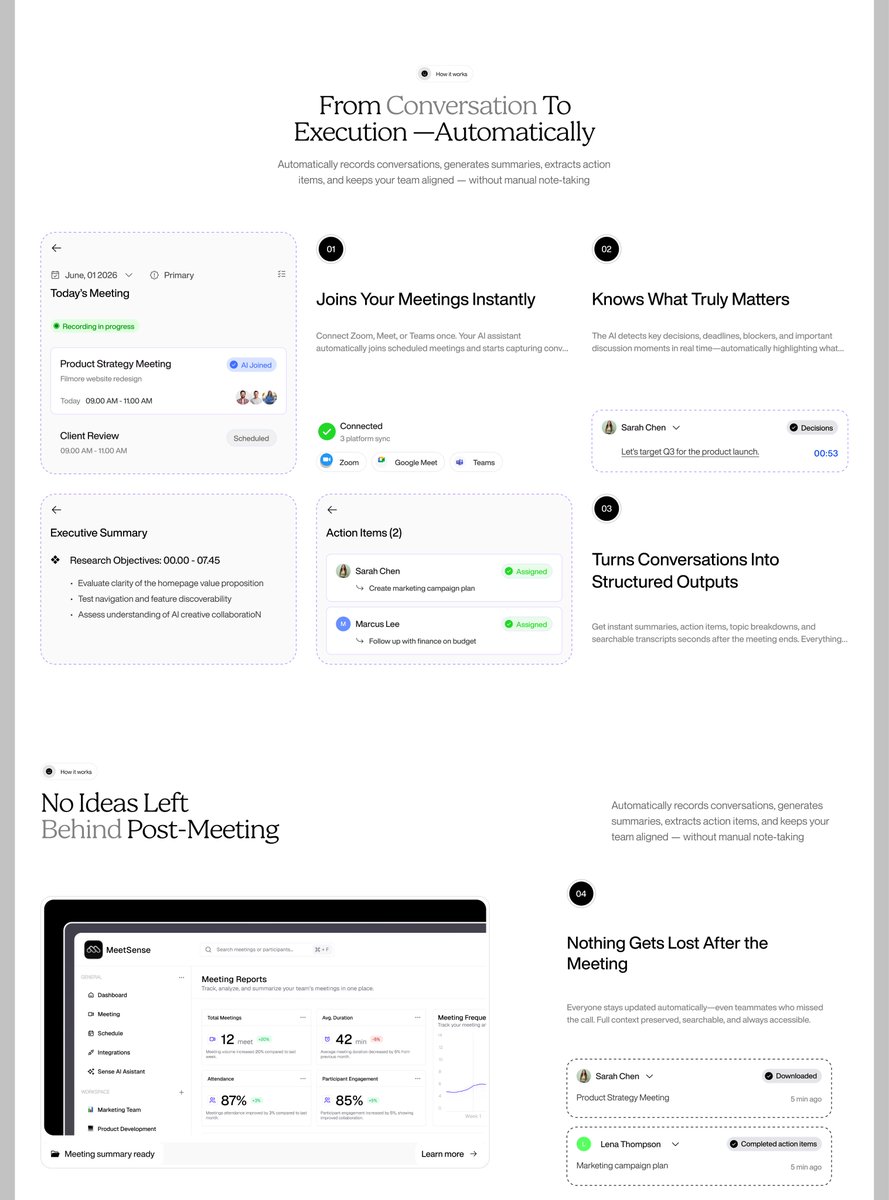
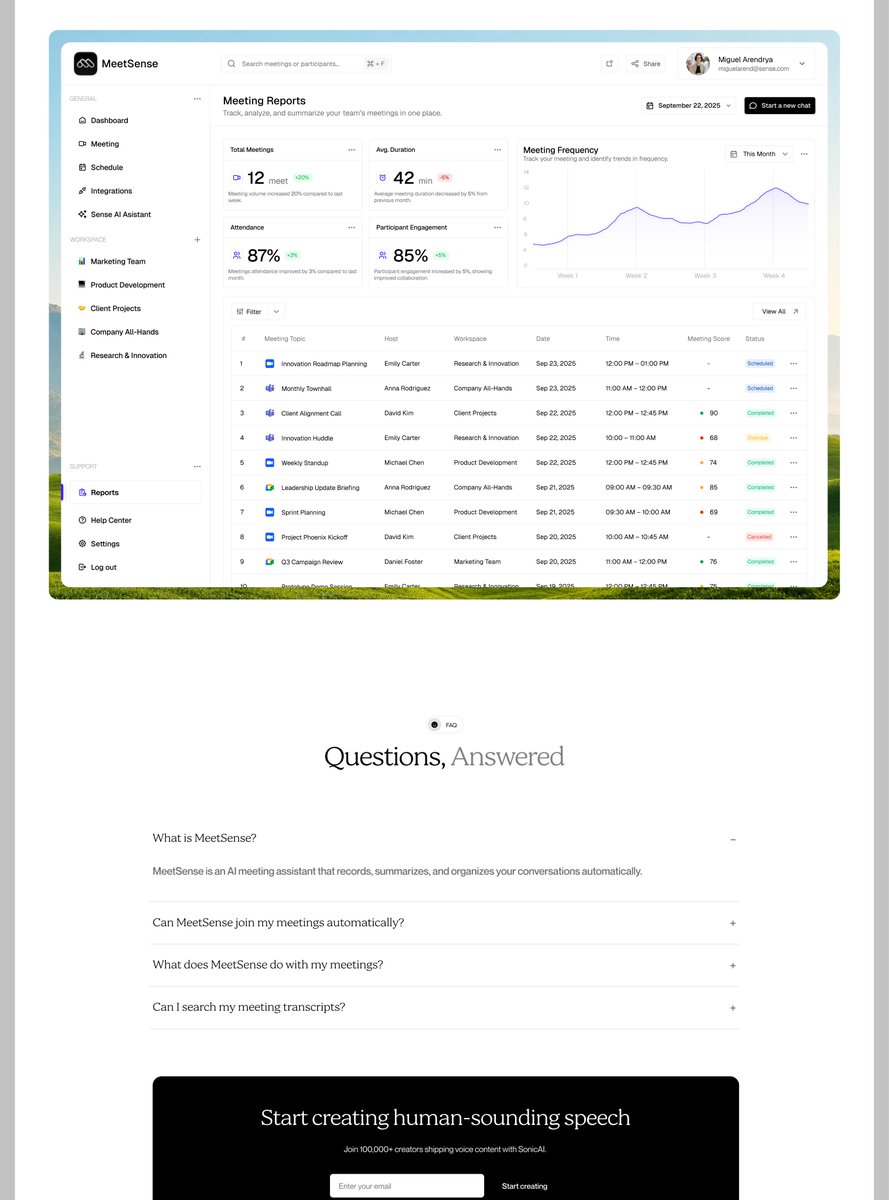
Today I’m open-sourcing Vivexy, an AI OS template for Legal & Compliance firms.
After contributing to Comp AI and Onyx, I saw enterprises all rebuilding the same AI stack in-house, taking months.
Vivexy removes that friction. Links in comment
#opensource#AI#buildinginpublic
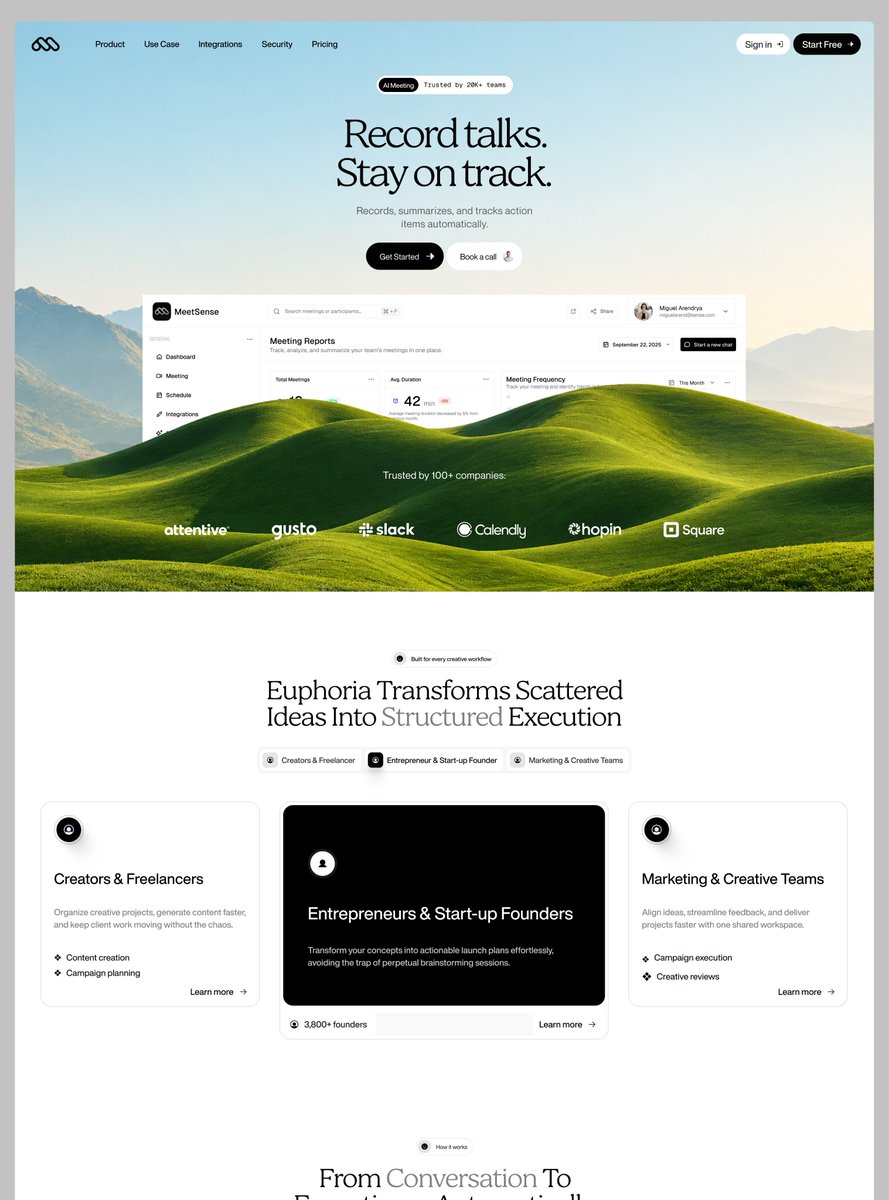
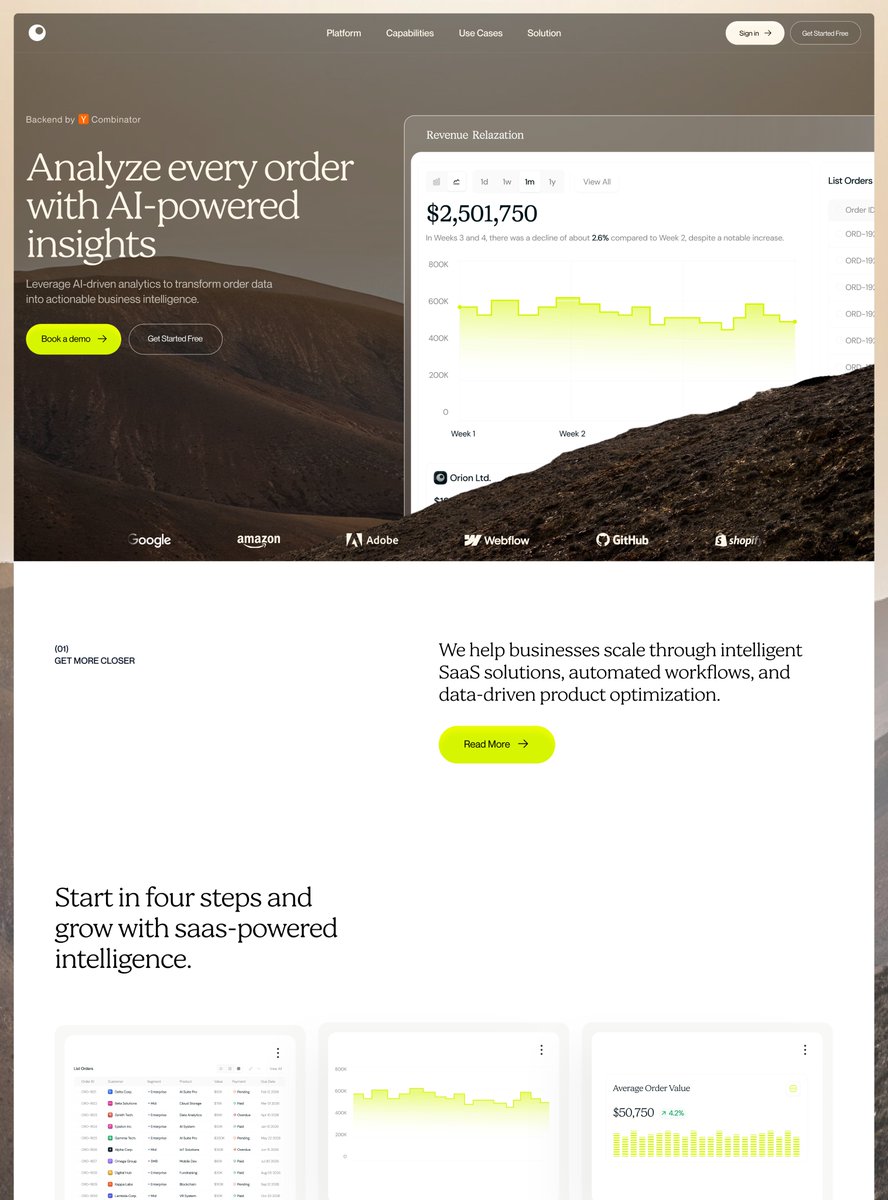
If you're a UI/UX designer, bookmark this.
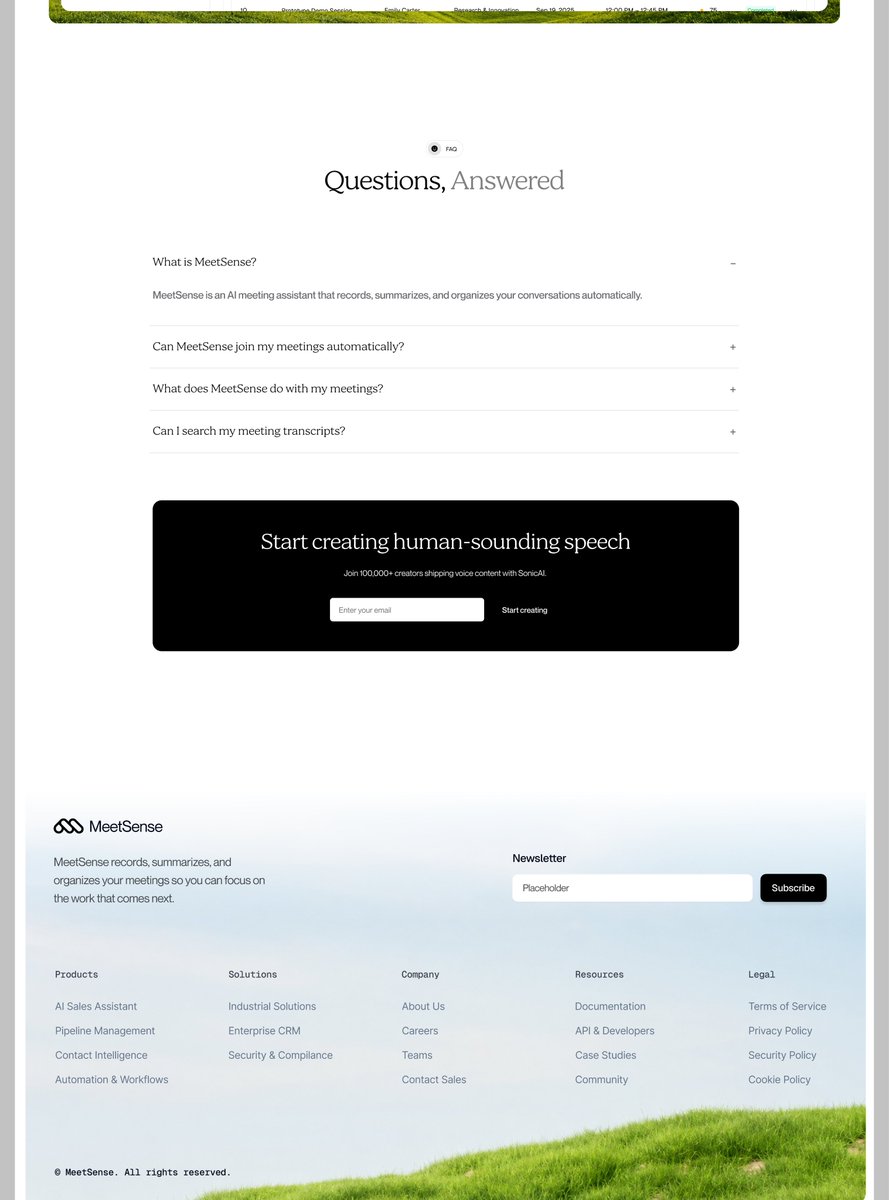
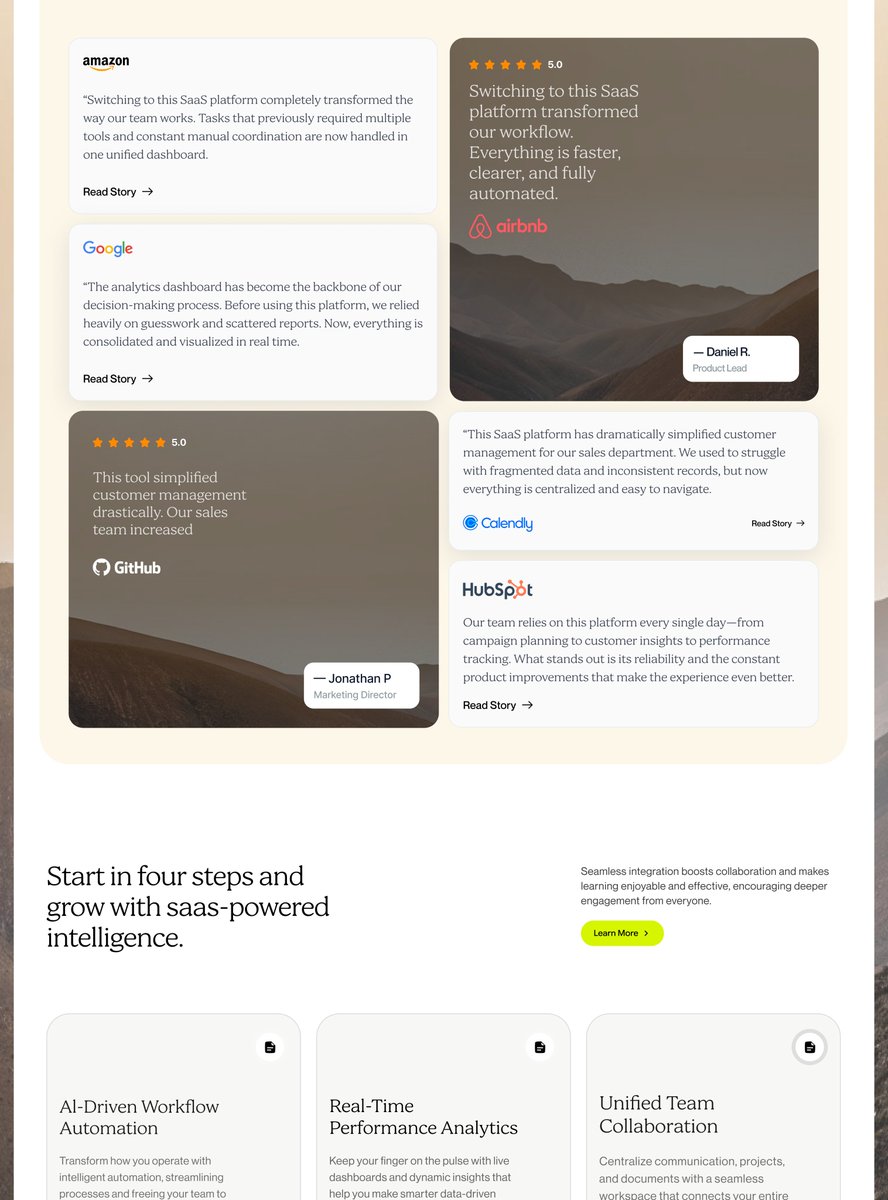
1. https://t.co/0QEdrNJuNz - 600+ design Prompts and 200+ components with full source code for 3D and scroll-driven sites.
2. https://t.co/3yief4HqOQ - 117 animated shaders in 11 styles
3. https://t.co/k25A3XTvZO - better footers
4. https://t.co/ZE5iPczbj3 - CTA inspiration
5. https://t.co/cxlfDWRmgH - Real product design styles
What did I miss?
I may not be the right person to advise
but I got so many dm about what I am following so here it is
For LLD -> Aryan Mittal , Coder Army , Medium docs or CodeNCode
For HLD -> InterviewWithBunny
And for basic fundamentals -> Alex Xu's book, Gaurav Sen, Arpit Bhaiya's lectures
want to learn CUDA for ML?
study these in order:
1. GPU MODE lectures
2. NVIDIA CUDA C++ Programming Guide
3. PMPP: Programming Massively Parallel Processors
4. Triton official tutorials
5. CUDA MODE community exercises
6. FlashAttention implementation
goal: write and benchmark your own GPU kernels.
a lot of people want to learn LLMs but don't know where to start.
9 papers i'd recommend, in order:
> attention is all you need
> bert
> gpt-2
> gpt-3
> chinchilla
> instructgpt
> lora
> llama
> flashattention
by the end, you'll understand most of the ideas behind how modern LLMs are pretrained, finetuned, and aligned.
i'm begging you: stop applying on job boards. cold email founders instead. the exact play, with the data:
1. find 25 startups that raised a seed round 2 to 9 months ago. fresh money means hiring. under 2 months they're still scrambling. free sources: inc42 and entrackr funding trackers, wellfound's recently funded filter.
2. keep only the ones under 30 people. below 30, the founder still reads their own inbox.
3. pull 2 contacts per startup: the founder plus whoever runs the function you want. emailing more than one contact lifts replies 93%.
4. the email: 90 to 120 words. line 1 is about their raise or their product, not you. subject 36 to 50 characters (long subjects get 32.7% more replies). personalize the body (+32.7%). no resume attached. end with one question: 'what are you struggling to hire for right now?'
5. send wednesday morning, 9 to 11, their timezone. best day in the data.
6. follow up once on day 4. a single follow-up adds 65.8% more replies. once more on day 9, then stop forever.
7. the math: 25 startups x 2 contacts = 50 emails. average cold outreach converts 8.5%, that's 4 replies even done plainly. stack the multipliers and you're at 8 to 12 replies, 3 to 4 calls, 1 to 2 offers.
50 emails and one weekend to build the list. job boards put you in a queue. this puts you in a conversation.
how to get a job that’s not even listed yet:
> pick 5 startups you’d love to work at.
> go through their website, product, onboarding and customer complaints. use Claude to find gaps in their growth/product/ or whatever you wanna fix
> stalk the founders’ posts and interviews from the last 30 days like you would stalk your ex..
> figure out what problems they’re actively trying to solve.
> find an overlap with the gaps you identified
> build the smallest possible fix. a better onboarding flow, a landing page rewrite, or a new acquisition play.
> record a 2-min Loom explaining what you found, what you’d change, and why
> cold email the founder. lead with the problem, show your solution, and explain the potential impact.
> don’t waste the first paragraph introducing yourself (intro yourself at the end if you’ve got a great work showcase)
> follow up after 4 days with another useful observation
also im not making this up…
amol avasare cold emailed mike krieger explaining why Anthropic needed a growth team. there wasn’t even a growth role listed. he got hired and went on to become their head of growth
you don’t always need a job opening to get hired.
reply “gap” and i’ll send you the tools + Claude prompt to find such gaps at any startup.
Introducing open source AI code review for teams already paying for one.
Same job, before the push: 100+ scanners plus a separate AI reviewer that has to answer every finding. $0 per developer, Apache 2.0, on your own Claude Code login.
https://t.co/O8zCUUBeAa
Introducing open source CodeRabbit killer
- $0 per developer.
- Runs on the Claude Code or Codex login you already have
- Reviews before you push, not after the PR opens
- 100+ scanners inbuilt plus an AI reviewer
- Code graph inbuilt for your code
npx openqodex init
https://t.co/Jt1ihUxNGu
Corporate is trash.
They will tell you to complete the urgent tasks first and leave the rest. Once the urgent tasks are complete, they’ll start asking you why ‘leave the rest’ is still pending :)
learn fine tuning and post training. use this prompt:
"""
I want to learn llm fine-tuning and post-training hands-on.
I want to pick a few small/open-source models and train them on different tasks such as document processing, structured extraction, simple games like Wordle, reasoning, etc.
I also want to explore:
> sft, LoRA/QLoRA
> dpo/preference optimization
> rl for llms
> grpo and reward-based training
> Evaluation and comparing different training methods
Create a practical roadmap that goes from fundamentals -> fine-tuning -> sft -> preference optimization -> rl/grpo.
Suggest small models, datasets, tools/frameworks, and hands-on projects at each stage. Prioritize learning by building over theory.
Keep it concise and use bullet points. Only expand on a topic when I ask.
"""
Work with the roadmap for a few weeks. pick up the following frameworks:
> pytorch
> huggingface
> vllm
> unsloth
> trl
a huge skill to attain this year for going forward!!