Effective water stewardship is becoming a key component of strong ESG performance. By monitoring water withdrawal, consumption, and discharge, organizations can produce accurate ESG reports, reduce operational water risks, and improve efficiency through reuse and recycling.
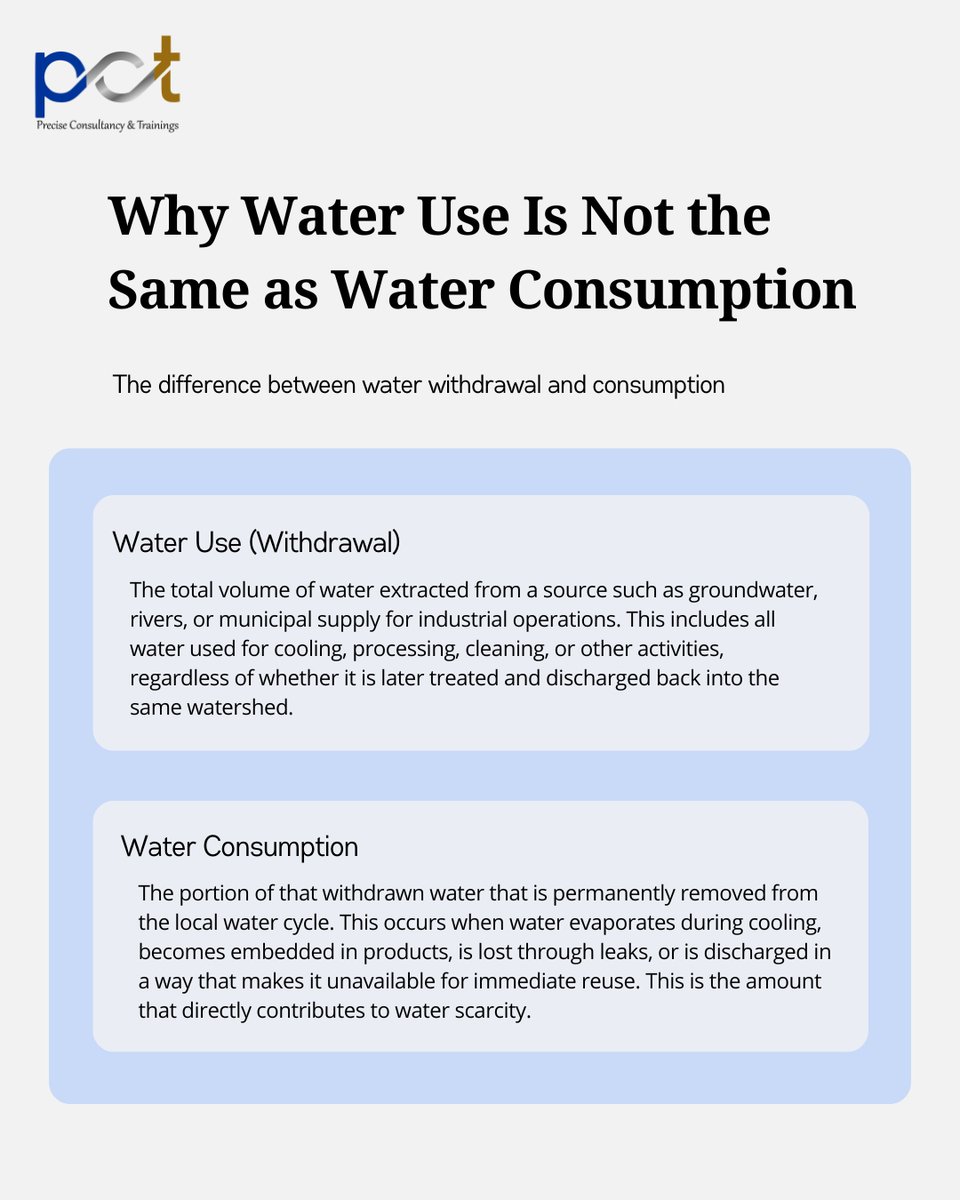
Not all water metrics mean the same thing.
Understanding the difference is critical for accurate reporting, water risk management, and true sustainability impact especially in water-stressed regions.
Water efficiency isn’t just an environmental initiative, it’s a cost strategy. Lower consumption reduces utility bills, cuts energy use, minimizes maintenance strain, and unlocks financial incentives. Smarter water use means stronger operational performance and long-term savings.
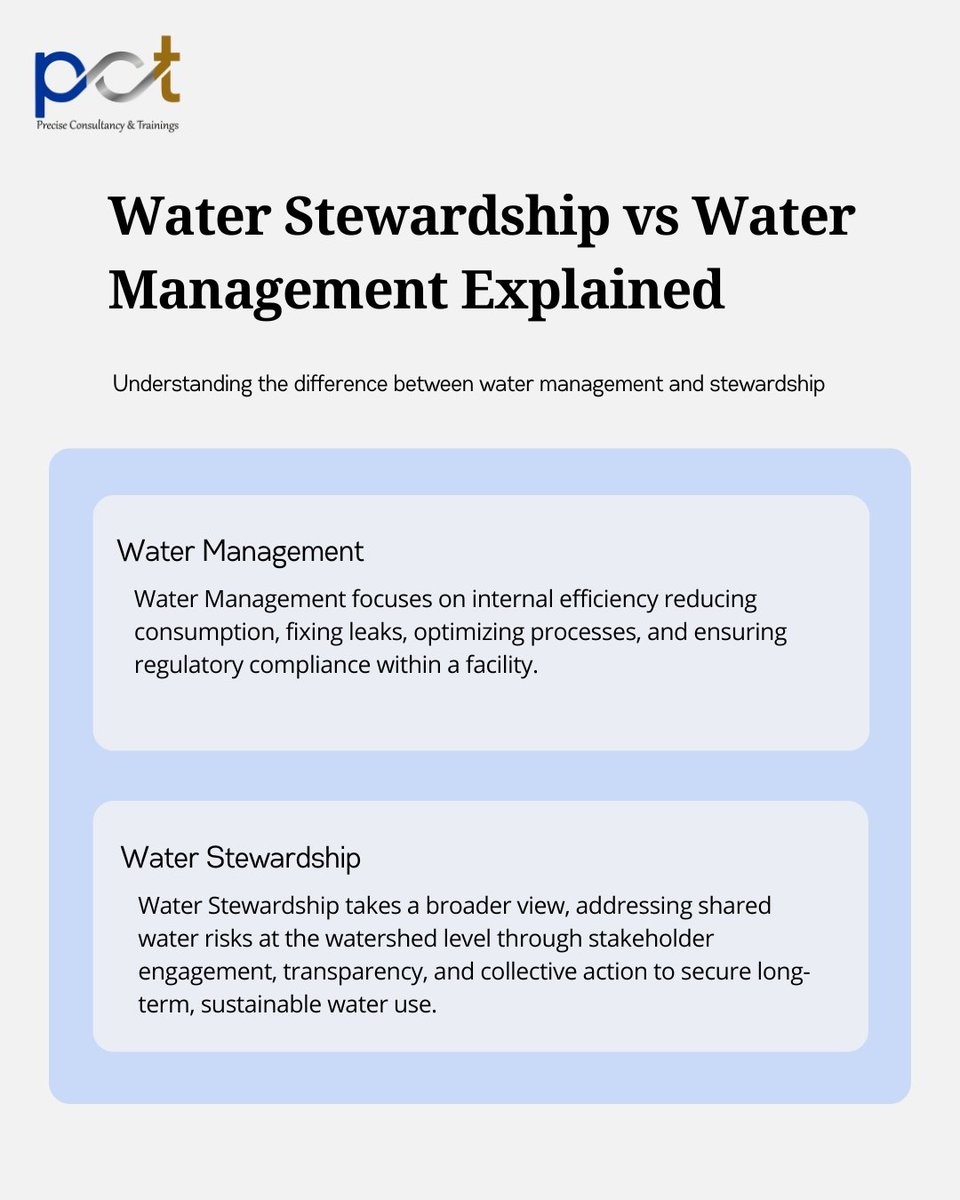
Water management improves internal efficiency. Water stewardship goes further addressing shared water risks, watershed impact, and long-term water security.
Understanding the difference is critical for organizations operating in water-stressed regions.
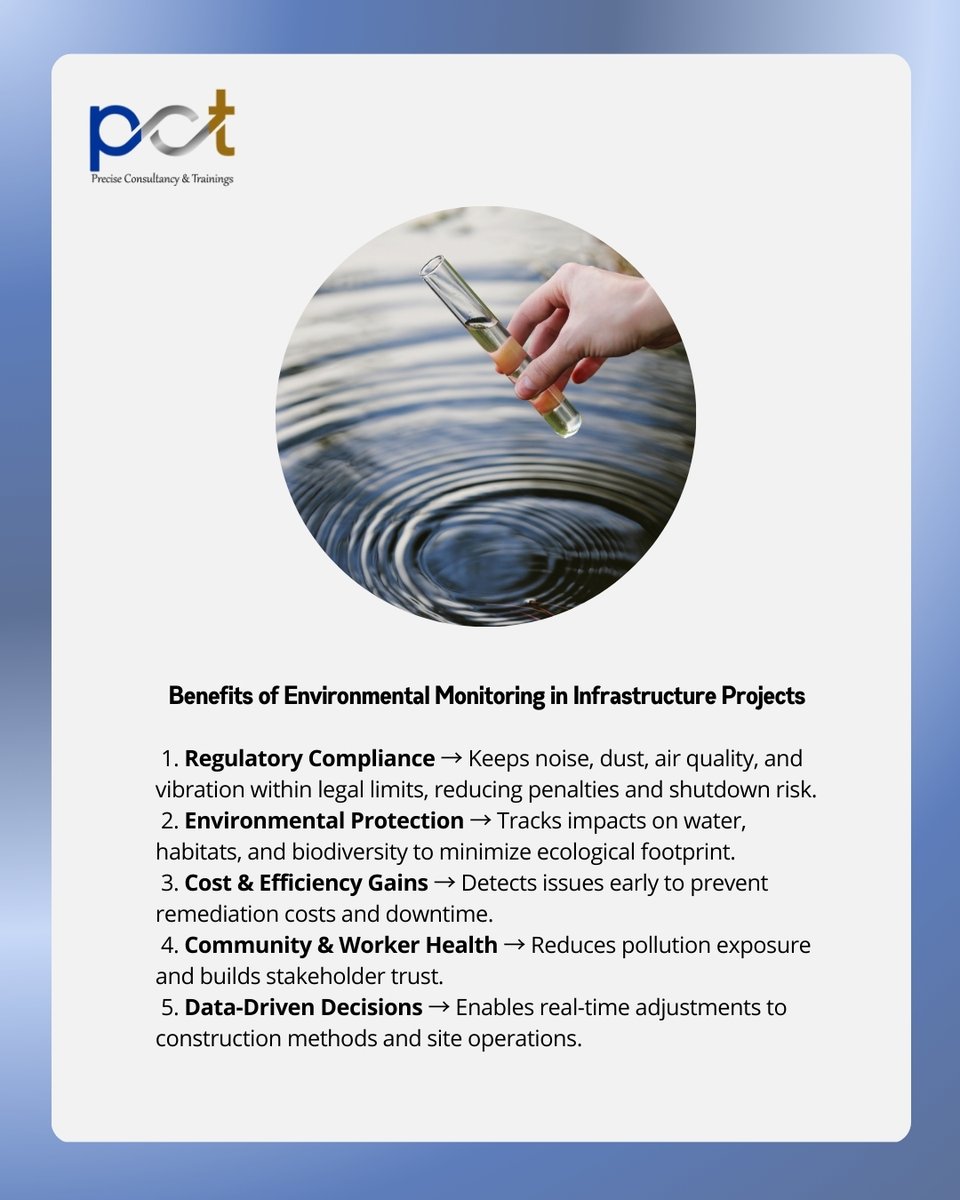
Infrastructure projects operate at scale so do their environmental risks. Effective monitoring keeps noise, dust, air quality, and ecological impacts within control, ensuring compliance, protecting communities, and preventing costly disruptions.
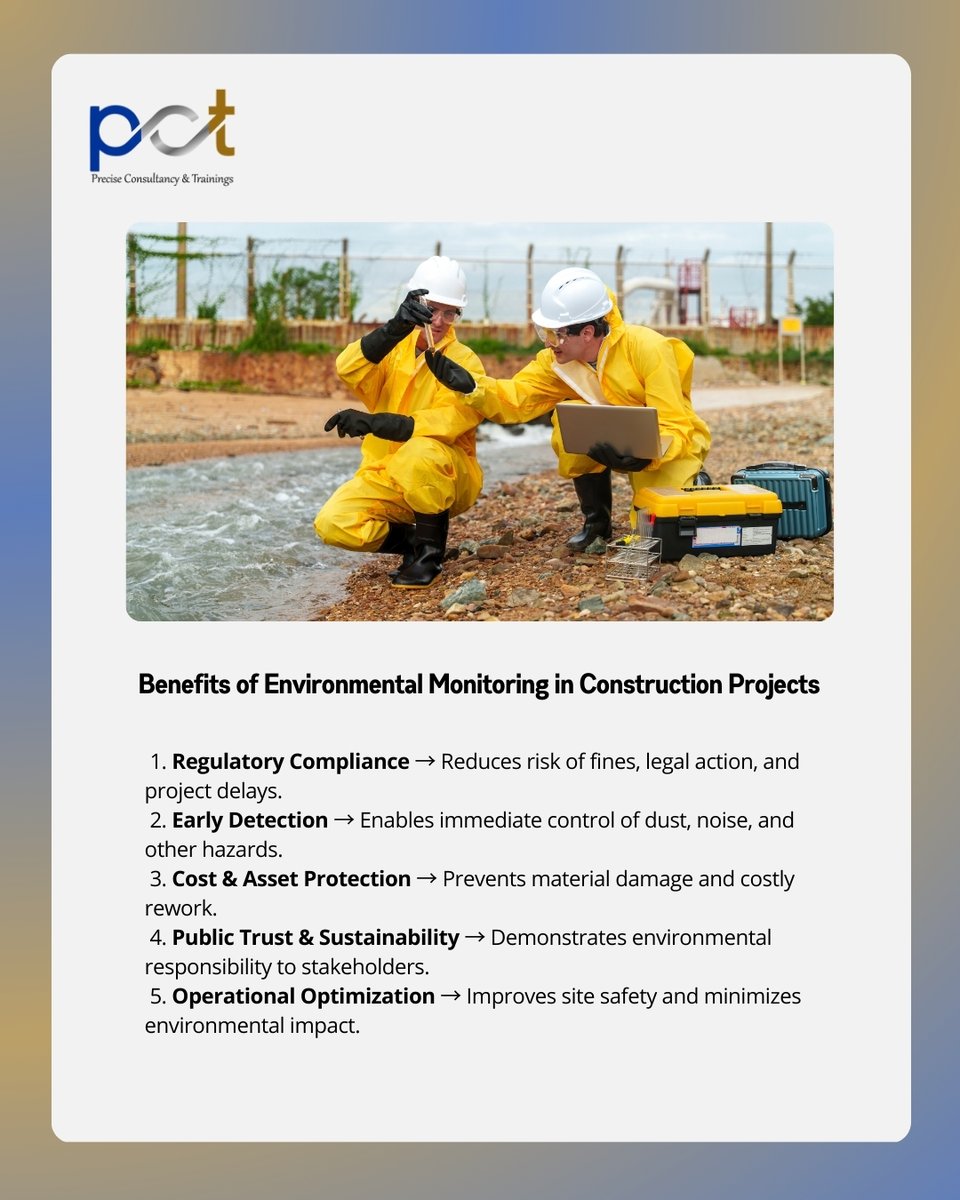
Construction projects operate under tight timelines and strict regulations. Environmental monitoring helps control dust and noise, prevent material damage, ensure compliance, and protect community relationships keeping projects on track while reducing environmental impact.
Early detection turns potential environmental crises into manageable incidents. With timely alerts and rapid response, organizations can protect lives, reduce financial losses, maintain operational continuity, and prevent long-term environmental damage.
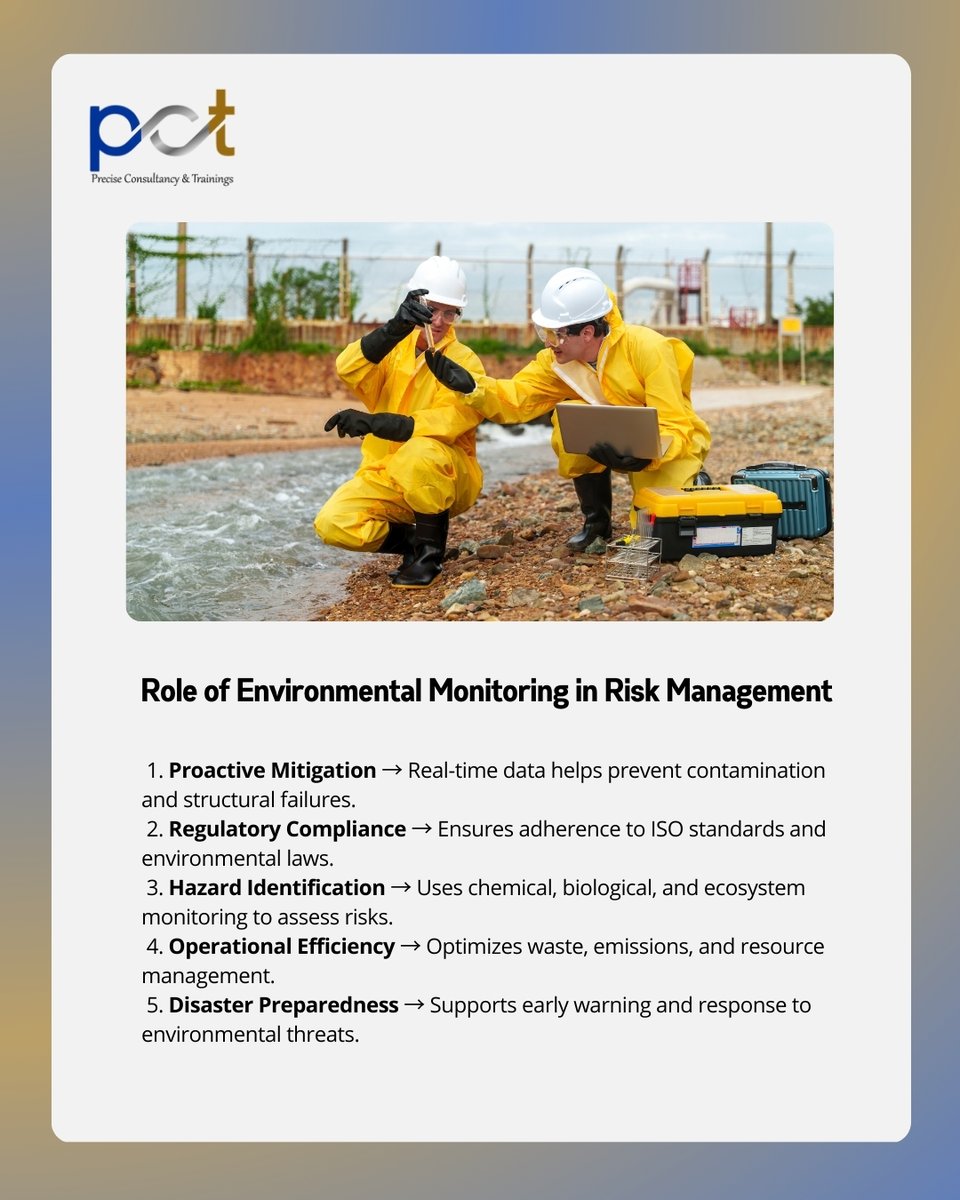
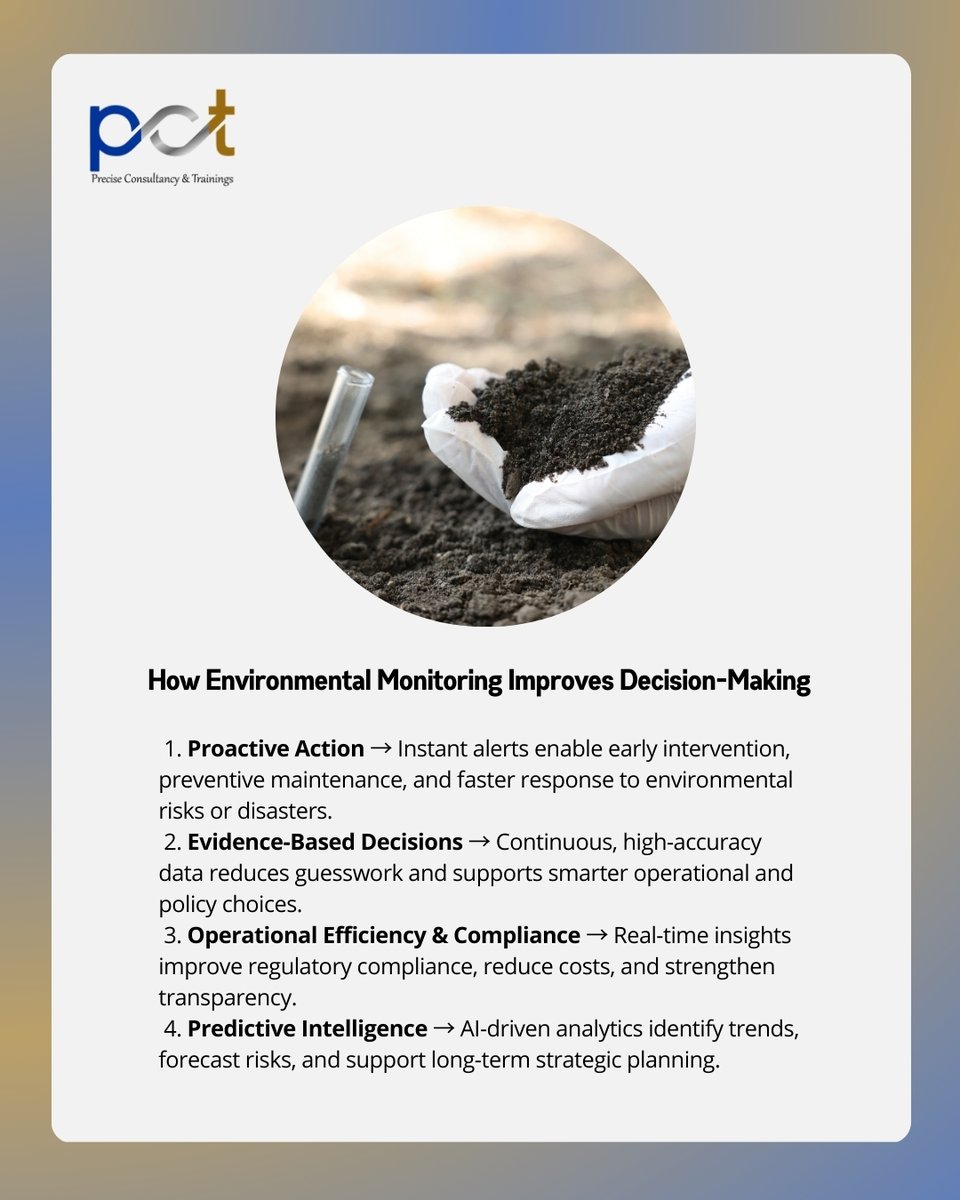
Environmental risks don’t wait and neither should your response. Through continuous monitoring, organizations can detect hazards early, maintain compliance, optimize operations, and strengthen disaster preparedness.
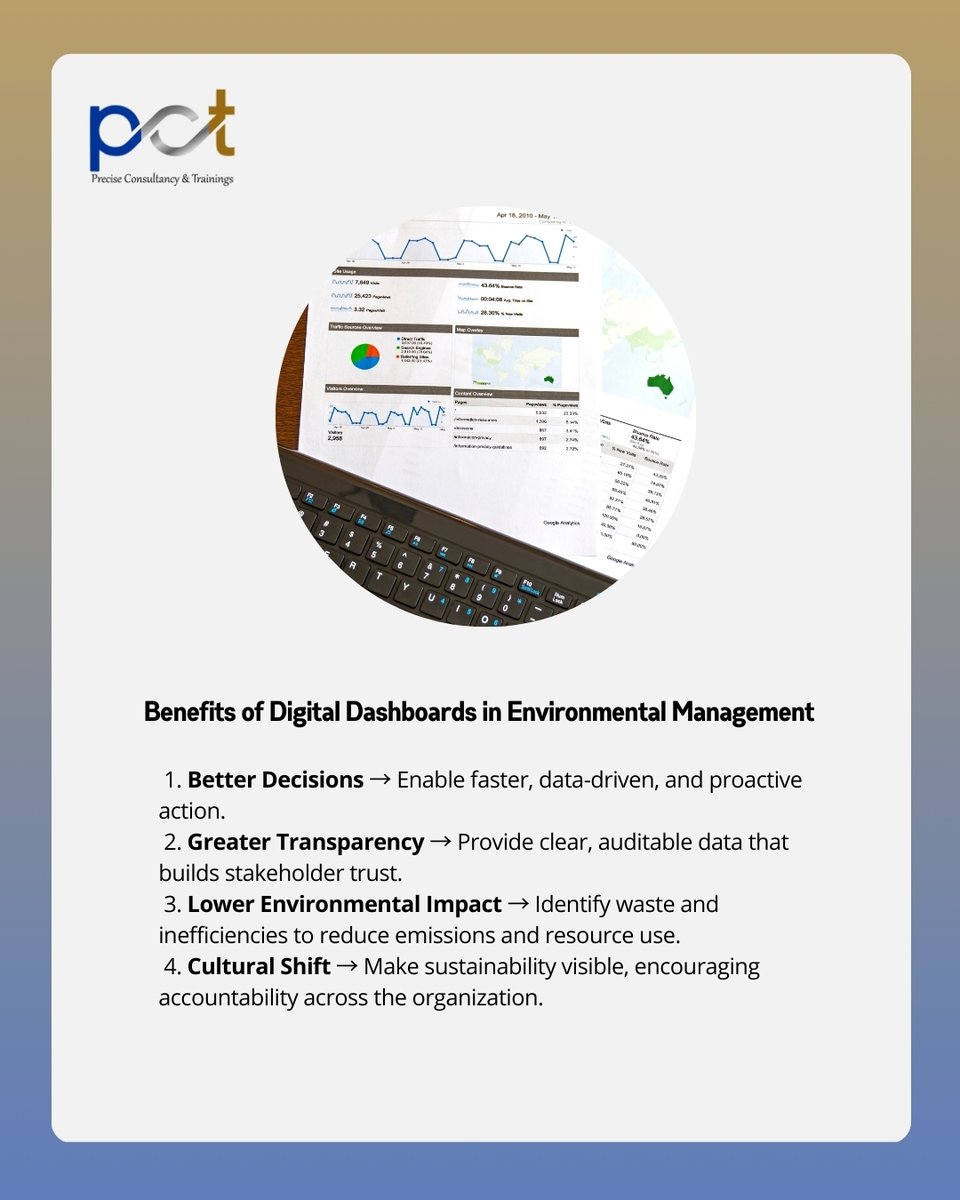
When environmental data is visible, action becomes measurable. Digital dashboards empower organizations to make faster decisions, strengthen transparency, reduce waste, and embed sustainability into everyday operations. What gets tracked gets improved.
Digital dashboards turn complex environmental data into clear, actionable insight. With real-time visibility, integrated data streams, and compliance-ready reporting, organizations can move from reactive reporting to proactive environmental management.
Real-time environmental monitoring transforms data into decisive action. With instant alerts, predictive analytics, and continuous insights, organizations can move from reactive compliance to proactive risk management improving efficiency, transparency, and long-term resilience.
Regulatory risk doesn’t start with a fine, it starts with a blind spot. Environmental monitoring provides early detection, documented compliance, and actionable insights to prevent violations before they occur. Proactive data isn’t just protection, it’s operational resilience.
Choosing the right monitoring approach depends on your risk profile, regulatory requirements, and operational complexity. Continuous monitoring delivers real-time alerts and tighter control, while periodic monitoring offers cost-effective insights at defined intervals.
Effective environmental management starts with accurate monitoring. From air and water quality to soil conditions and noise levels, reliable data ensures compliance, reduces risk, and supports informed sustainability decisions.