Correct answer: C
Poor preoperative glycaemic control increases the risk of surgical-site infection, impaired wound healing, implant loss and other postoperative complications.
UK perioperative diabetes guidance recommends optimising HbA1c to below 69 mmol/mol (8.5%) where safe and practicable before elective surgery.
Because this is risk-reducing rather than urgent cancer surgery, there is a reasonable opportunity to improve glycaemic control.
Closest distractor: B — Proceed without reconstruction
Omitting reconstruction may reduce some complications, but it does not eliminate the risks associated with uncontrolled diabetes. Optimisation remains the preferred first step.
FRCS learning point
Elective surgery + HbA1c ≥69 mmol/mol → consider optimisation before proceeding.
The threshold is a pragmatic optimisation target, not an absolute prohibition on surgery. Urgency, risks of delay and patient factors must be considered.
UK reference
Centre for Perioperative Care (CPOC) — Guideline for Perioperative Care for People with Diabetes Mellitus Undergoing Elective and Emergency Surgery.
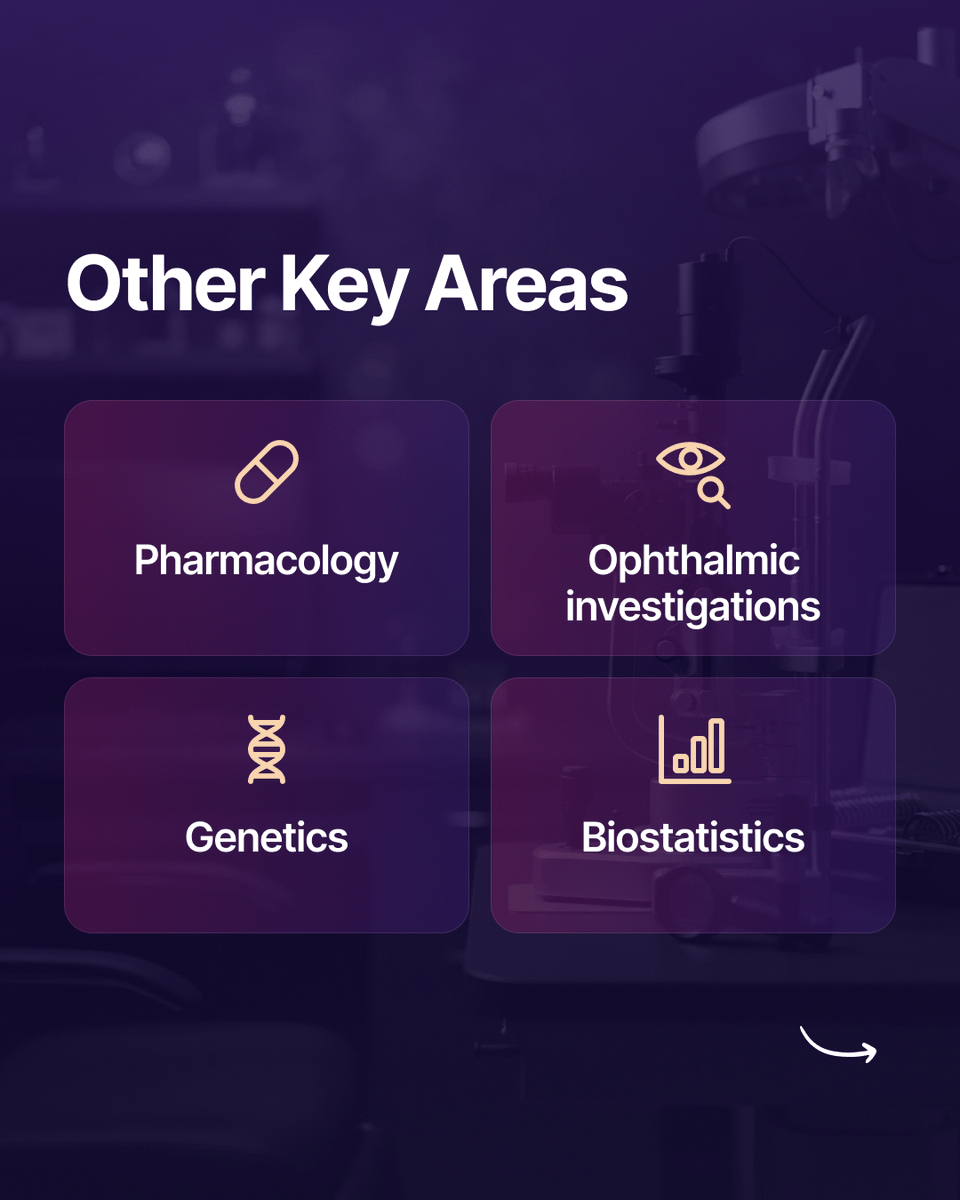
Preparing for the FRCOphth Part 1 Written exam? Make sure your revision covers more than just the core sciences.
From ocular anatomy, physiology and optics to pharmacology, genetics and biostatistics, knowing what to prioritise can make your revision more focused.
Join PrepMedico's 3rd FRCOphth Part 1 & FRCS Ophthalmology Part 1 Revision Course.
Our 6-week course starts 5 Dec 2026 and ends 10 Jan 2027
Enrol now: https://t.co/o3JUKZwWAj
Explore our YouTube Playlist: https://t.co/OIymI2eEdG
Join our prep groups for real-time updates & peer support:
- WhatsApp: https://t.co/RVzYOmVPU4
- Facebook: https://t.co/vLmnIq2JaB
- X: https://t.co/YGBSibvi03
#FRCOphth #Ophthalmology #ClinicalReasoning #MedicalExams #ExamPreparation #FRCSGlasgow #FRCSEdinburgh #SurgicalTraining #VivaPrep #ExamSuccess #DrManikandanKathirvel #DrShruthyVaishaliRamesh #DrSwethaRavichandran #DrShreyansJain #DrRiddhiThaker #DrSonaliGupta #DrSaadBinSohail #MsSapnaSinha #MsRachanaShah #DrNizmaRazick #DrAahanDShah #PrepMedico
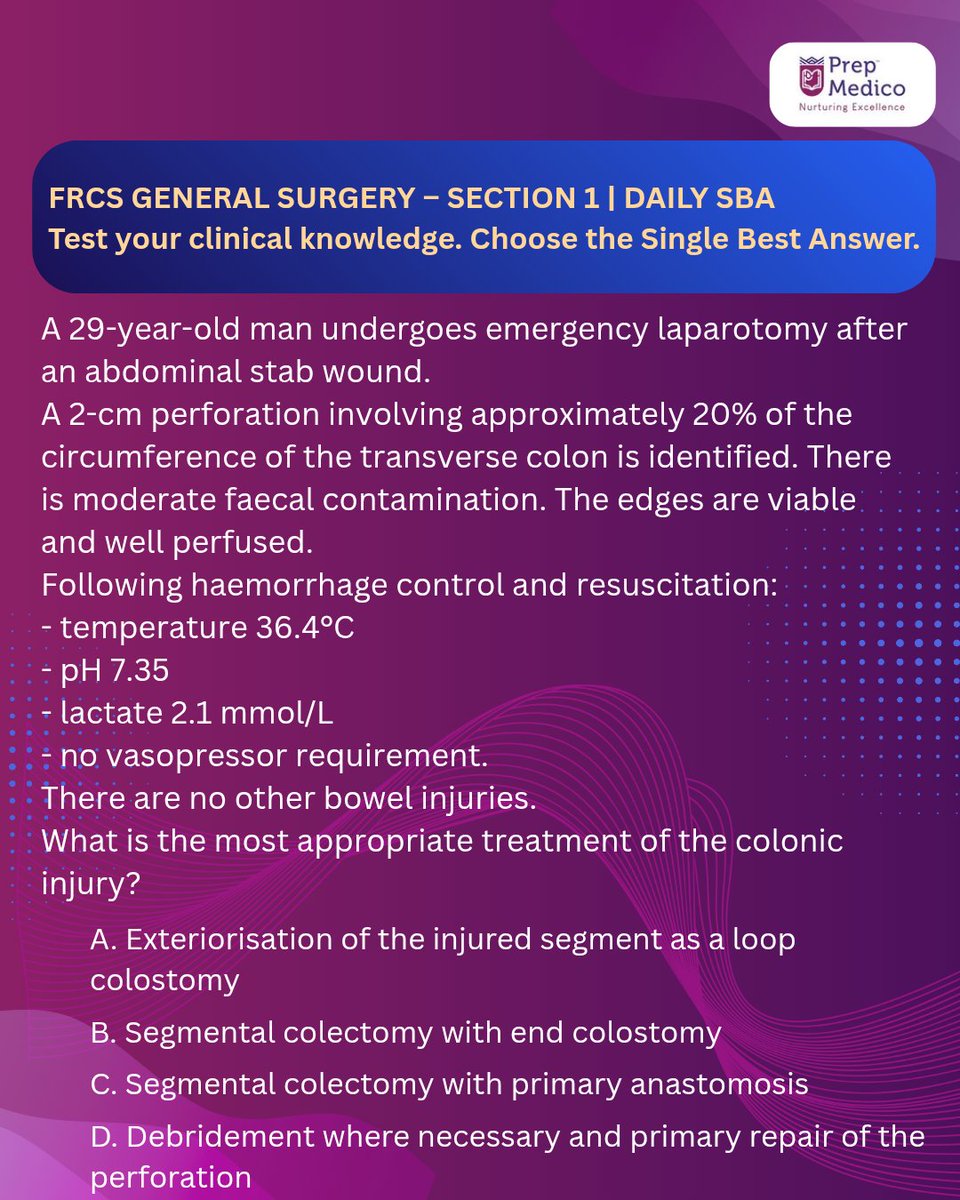
Correct answer: D — Primary repair
This is a non-destructive colon injury in a physiologically restored patient.
The wound involves substantially less than 50% of the bowel circumference, the tissue is viable and there is no devascularisation. Primary repair is appropriate.
Closest answer: C — Resection and anastomosis
Also entirely reasonable for many penetrating colon injuries—but it is unnecessary here because the injury is small and non-destructive.
The presence of faecal contamination alone does not mandate a stoma.
FRCS learning point
The decision is based on:
destructive versus non-destructive injury + viability + physiology
not simply:
“Faeces present = colostomy.”
Early Bird Registration is now open for the 6ᵗʰ FRCS Vascular Surgery Section 2 Viva Course.
Aimed at candidates sitting the FRCS Vascular Surgery Section 2 examination on 10ᵗʰ May 2027, the course runs from 21ˢᵗ February to 25ᵗʰ April 2027 giving you a structured run-up to the exam rather than a last-minute push.
Structured preparation with experienced faculty, focused teaching and exam-oriented viva practice.
Register now to secure the Early Bird prices
Enrol Now: https://t.co/WYMHteNKbn
Rouleaux Club members get a 10% off on Vascular surgery full course
ㅤ
Listen to real candidate success stories: https://t.co/7qulqxELtb
Explore our videos on YouTube: https://t.co/WBGOVnLuos
ㅤ
Join our prep groups for real-time updates & peer support:
WhatsApp: https://t.co/VYsyaaAGht
Telegram: https://t.co/uDUPfYGXjz
Facebook: https://t.co/9HV0HmZWcp
X: https://t.co/YGBSibvPPB
ㅤ
#FRCS #FRCSVascularSurgery #VascularSurgery #SurgicalTraining #VivaPreparation #MedicalEducation #PrepMedico #FRCSExam #VascularSurgeon #Testimonial #EarlyBird @ShankaBenarag@AnkurThaparEsse@Mani_TxSurgeon
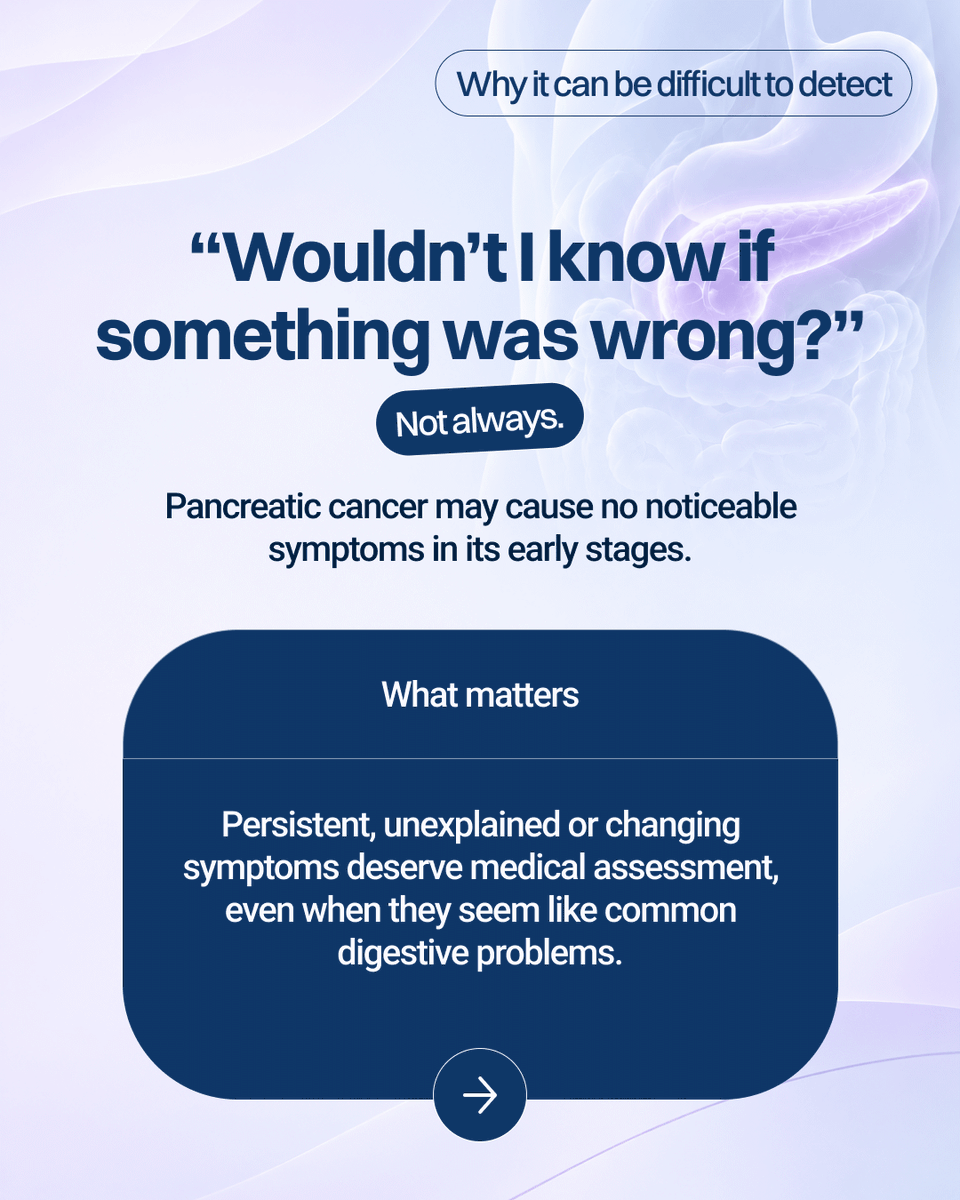
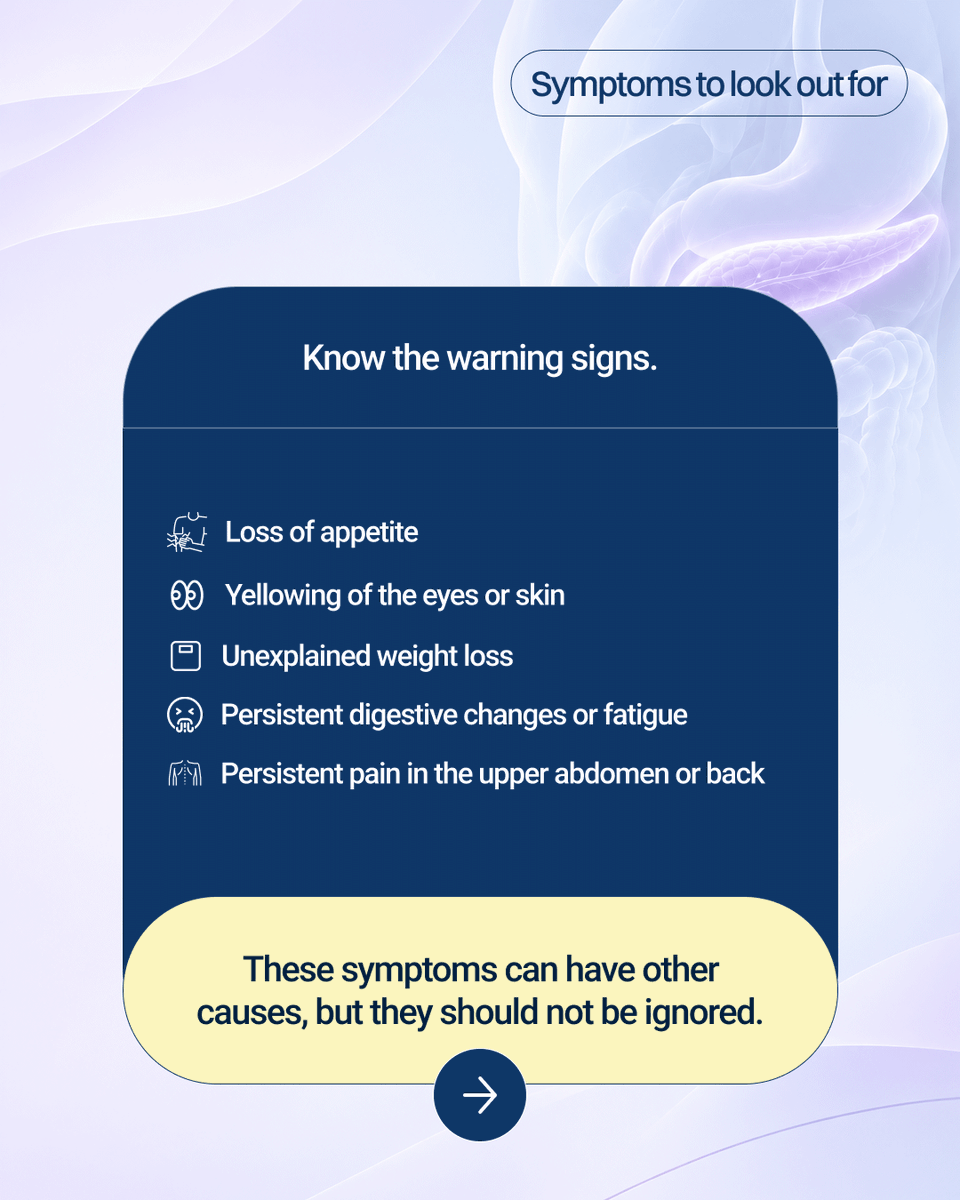
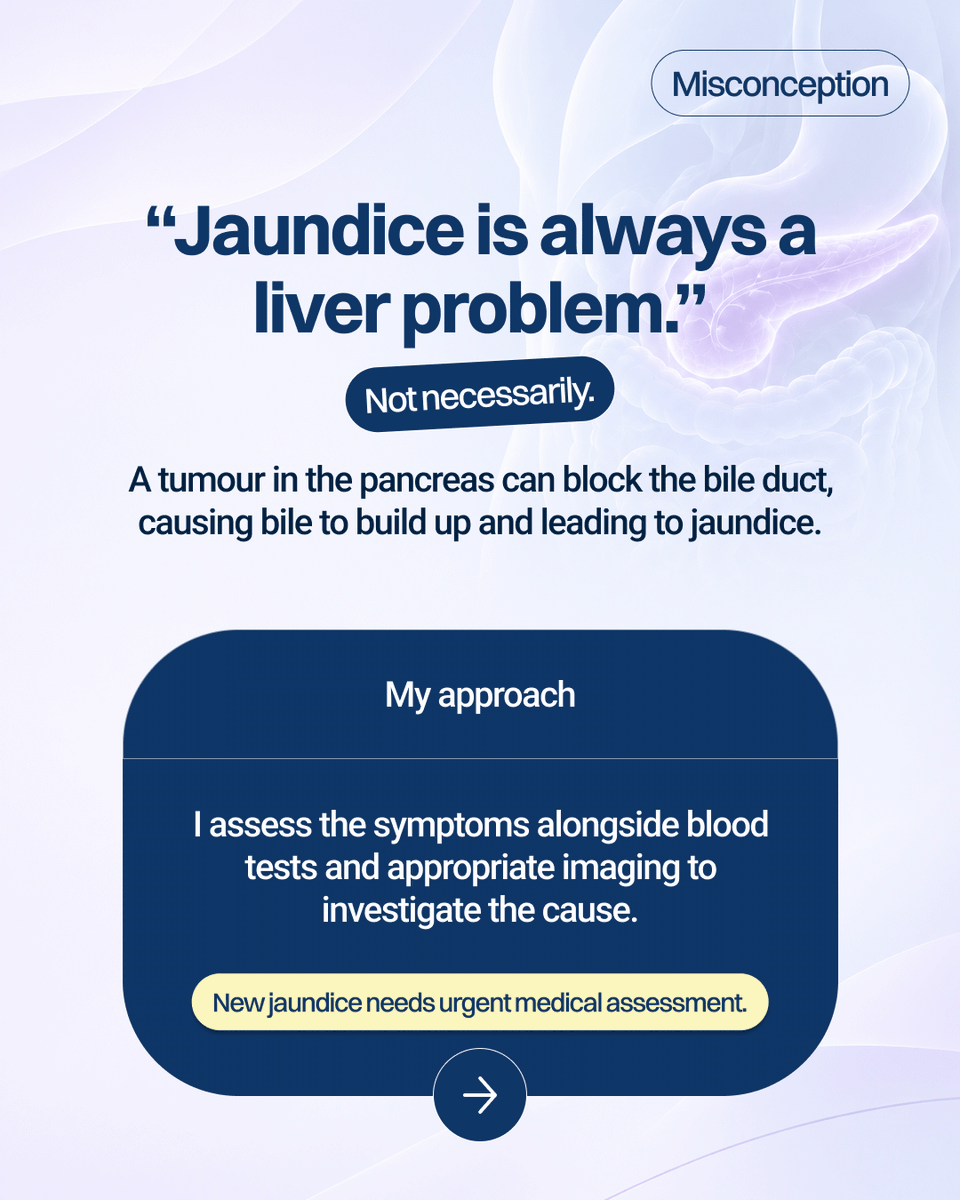
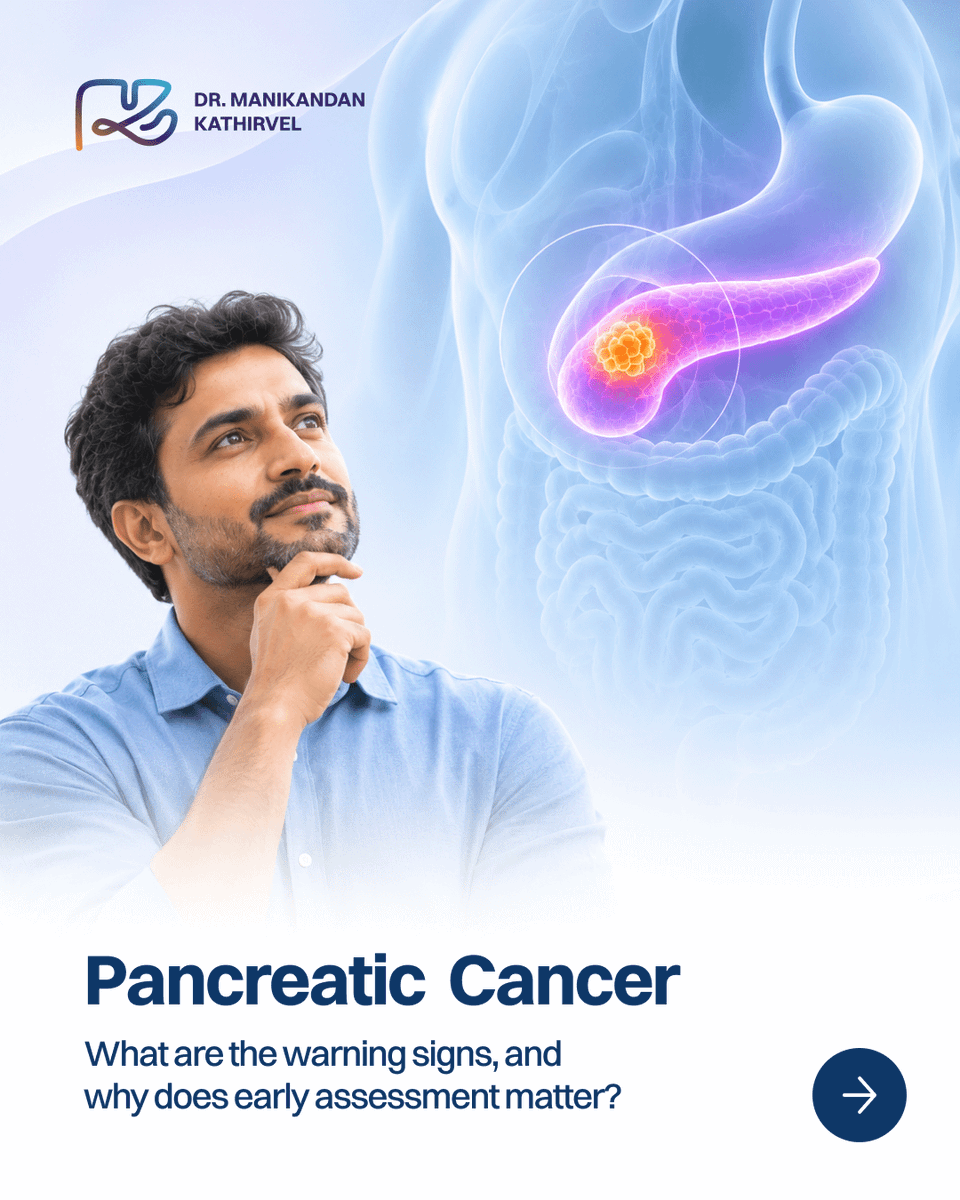
This Awareness Month, a reminder: pancreatic cancer often develops quietly. Checking early gives the best starting point, whatever the cause.
Book your consultation today
📍 Gleneagles Hospital (Fortis Network), Chennai
📞 +91 96777 34041
https://t.co/p6jp5uZyCZ
@Mani_TxSurgeon
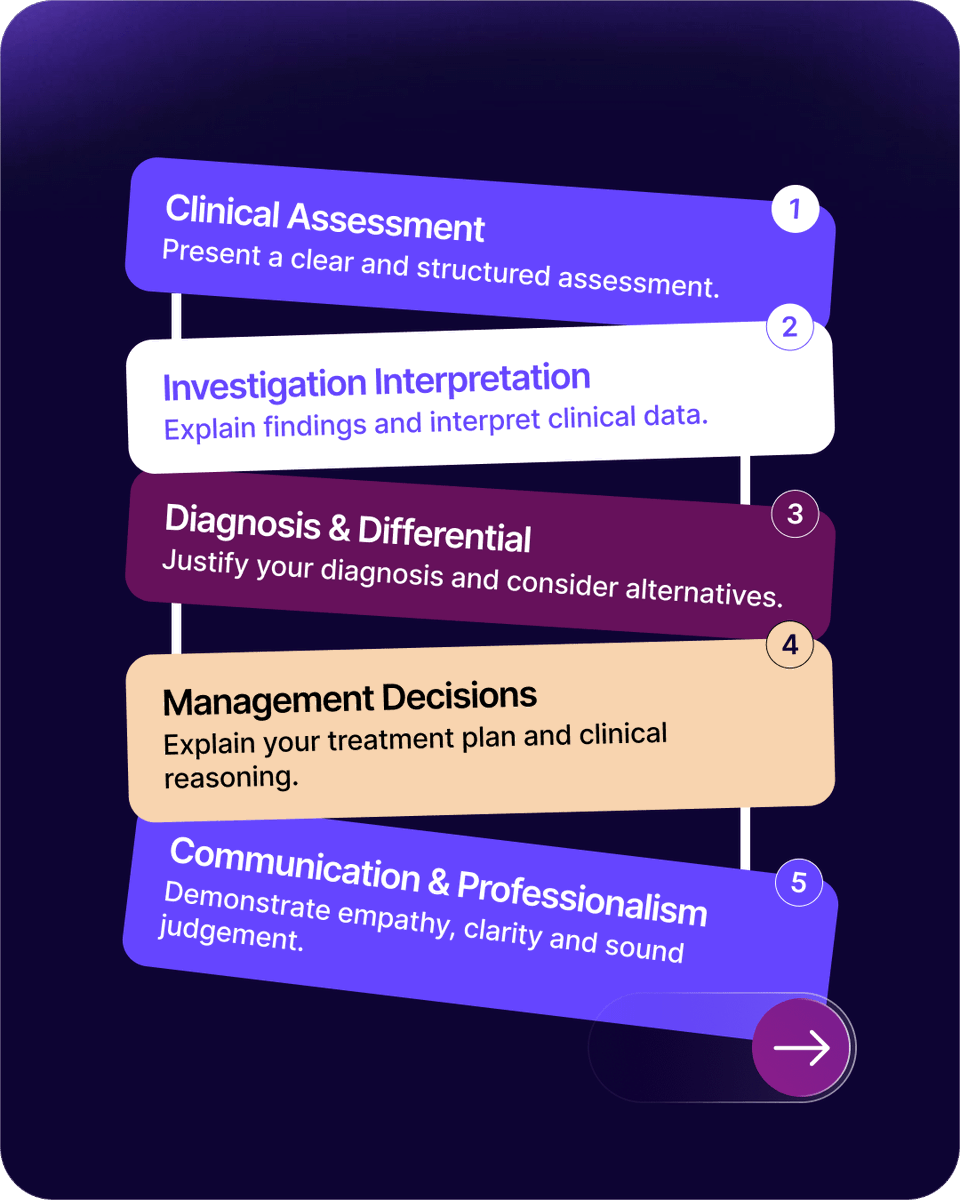
FRCOphth Part 2 Orals ; 5 areas to practise for your viva.
The orals test how you think, not just what you know. Examiners are listening for structure, clear reasoning and the judgement that sits behind your decisions.
Our 7ᵗʰ FRCOphth Part 2 and FRCS Ophthalmology (Edinburgh / Glasgow) Part 3 Viva Course runs from 23ʳᵈ January 2027 to 20ᵗʰ February 2027, building confidence in clinical reasoning, decision-making and communication.
Early Bird Live
Enrol Now: https://t.co/qvQ2CDKLWr
Planning to take a future course?
Visit our website:https://t.co/8hqyEPbAts
Explore our YouTube Playlist: https://t.co/OIymI2eEdG
Join our prep groups for real-time updates & peer support:
- WhatsApp: https://t.co/RVzYOmVPU4
- Facebook: https://t.co/vLmnIq2JaB
- X: https://t.co/YGBSibvi03
@Mani_TxSurgeon@rcpsglasgow@OphthTimes@OPHTHALMOLOGIST@MEACO_@ESO_UAE@EPOMECUAE@AiosOffice@aao_ophth
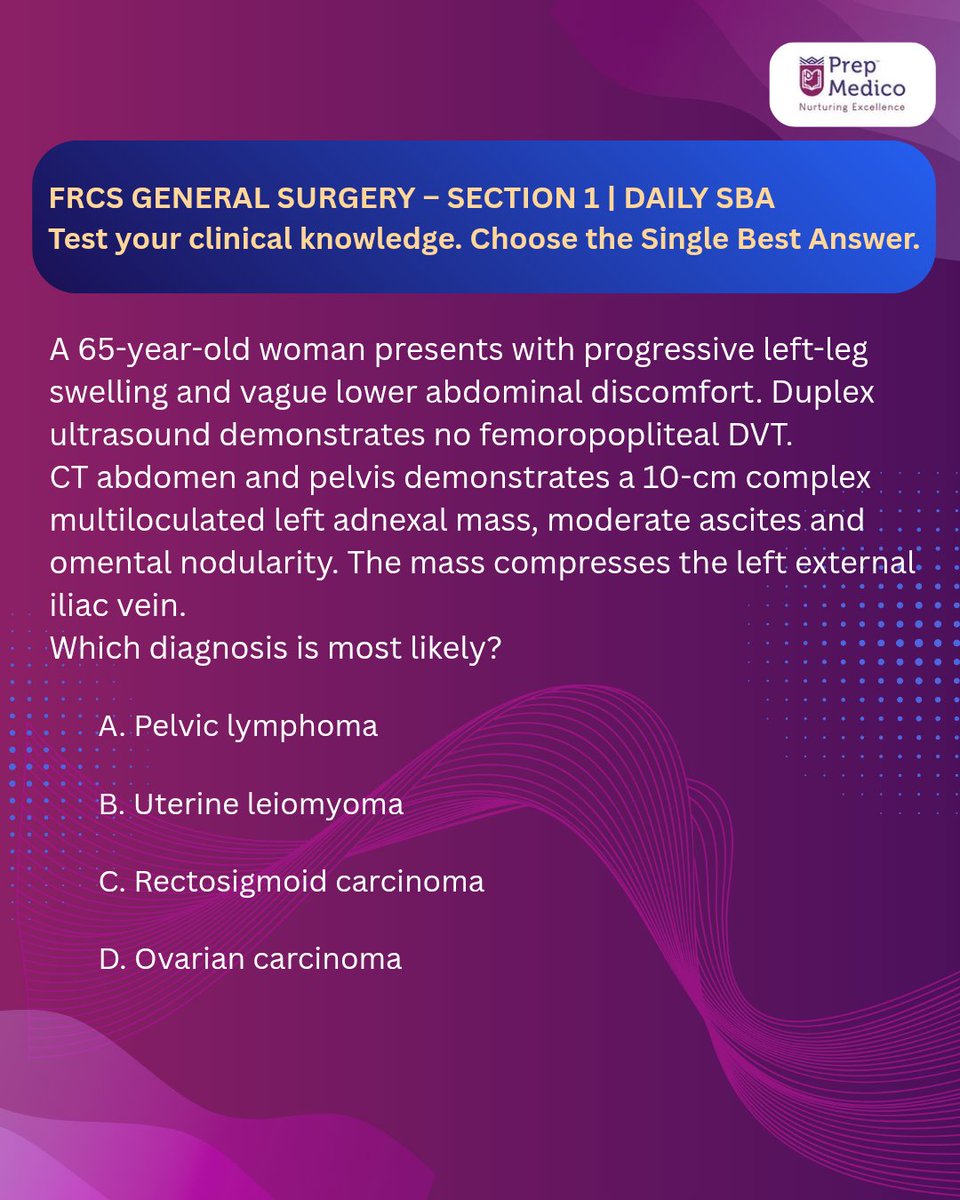
Correct answer: D — Ovarian carcinoma
The combination of:
complex adnexal mass + ascites + omental disease
is strongly suggestive of ovarian malignancy.
The unilateral leg swelling is caused by proximal venous/lymphatic compression and does not require a distal DVT to be present.
Closest distractor: A — Pelvic lymphoma
Pelvic lymphoma can certainly produce iliac venous compression and unilateral leg swelling.
However, lymphoma would more characteristically produce lymphadenopathy or confluent nodal masses. The adnexal origin, ascites and omental nodularity favour ovarian carcinoma.
FRCS learning point
Unexplained unilateral leg swelling + negative leg Doppler → consider proximal iliac/IVC obstruction and pelvic malignancy.
UK reference
NICE CG122 — Ovarian cancer: recognition and initial management.
NICE CG122 — Ovarian cancer
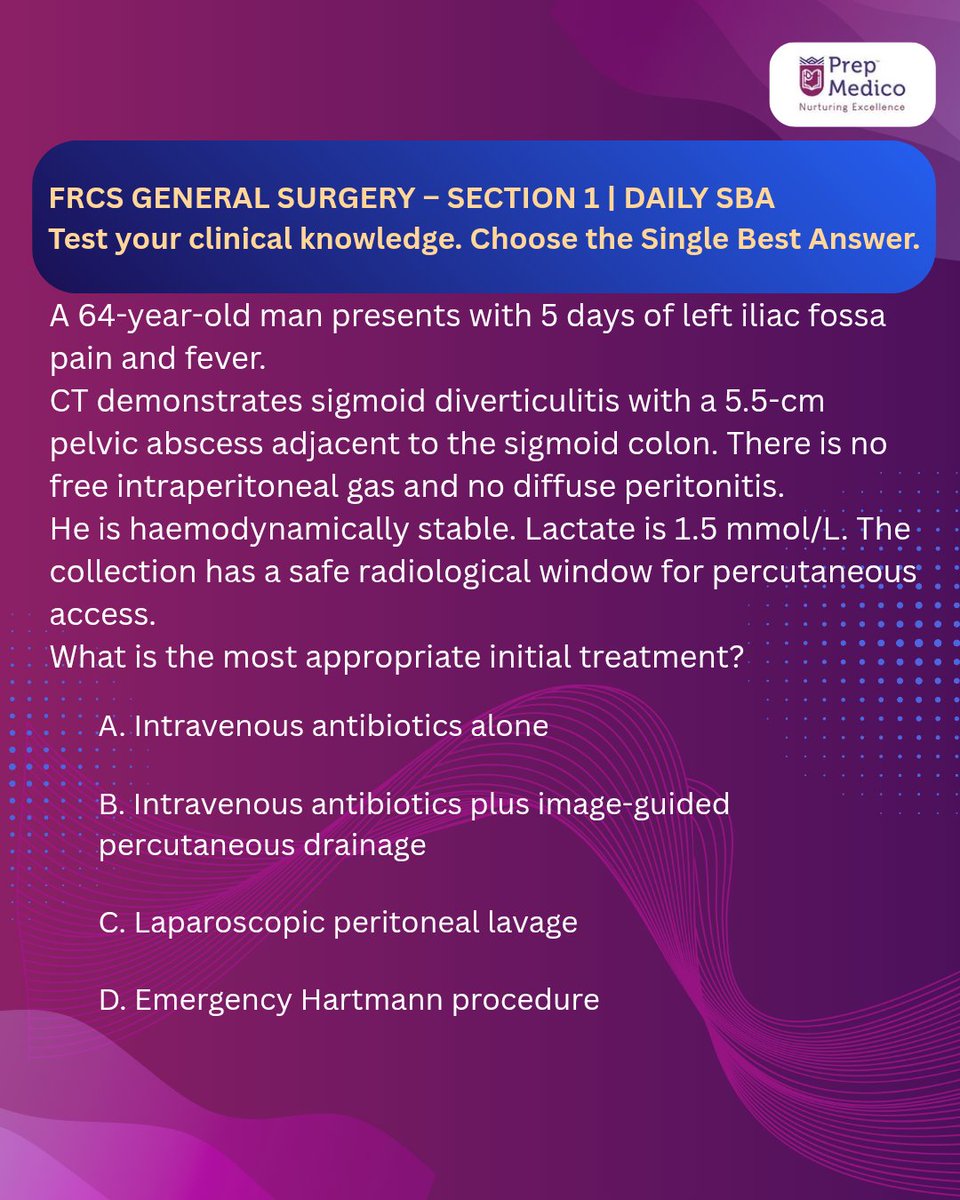
Correct answer: B
This is a large, localised diverticular abscess in a stable patient.
Antibiotics are required, and a drainable collection of this size should generally undergo image-guided percutaneous drainage where technically feasible.
Closest answer: A — Antibiotics alone
This is deliberately close.
Smaller abscesses may successfully be treated with antibiotics alone. As abscess size increases—commonly around the 3–5 cm range depending on the guideline and clinical context—the likelihood of failure increases and drainage becomes appropriate when feasible.
Why not lavage?
Because this is not diffuse purulent peritonitis.
Important correction to the recall
Hinchey II ≠ free purulent fluid throughout the pelvis/peritoneum.
Hinchey II describes a pelvic, intra-abdominal or retroperitoneal abscess.
Generalised purulent peritonitis = Hinchey III.
Those are fundamentally different FRCS scenarios.
FRCS learning point
Localised sizeable abscess + stable patient → antibiotics ± percutaneous drainage.
Generalised peritonitis or failed source control → operative strategy.
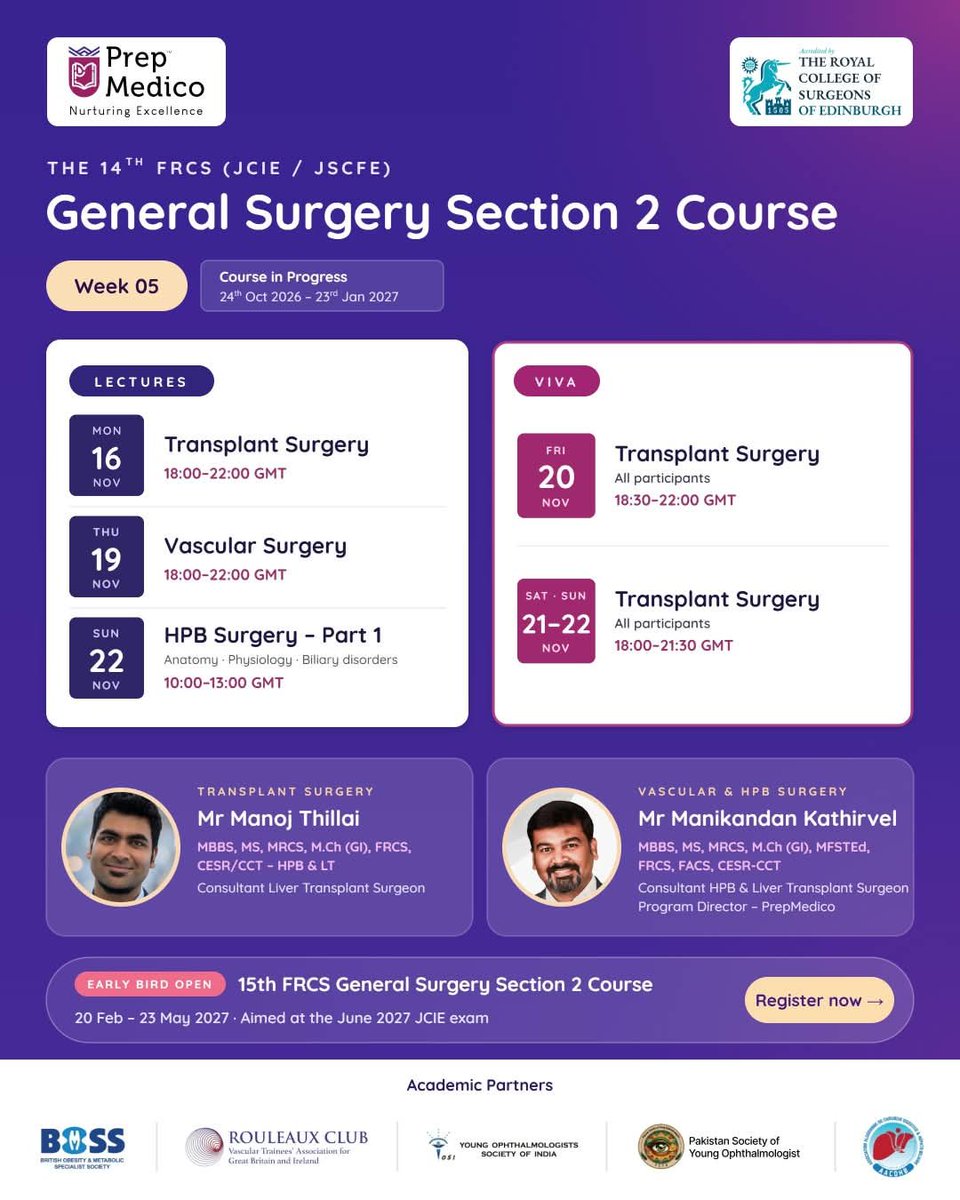
Don't just revise. Prepare to perform.
PrepMedico's FRCS General Surgery Section 2 Course gives you 3 months of consultant-led mentorship, regular viva practice with personalised feedback, Telegram support and a full online mock.
Preparing for the June 2027 JCIE FRCS General Surgery Exam? Your preparation starts here!
Build the knowledge, sharpen your viva skills and approach the exam with confidence through PrepMedico’s 15th FRCS General Surgery Section 2 Course.
Early Bird Offer is live
Register now and get ahead with your preparation.
Enrol: https://t.co/QQ5rpaRpRa
Taking the Feb JCIE exam? Join our 2-day face-to-face viva session in January 2027 at Whittington Hospital in London as a part of the 14th FRCS General Surgery Course.
Book your place now!
Register: https://t.co/lvc3cbvMm3
Want to register for a future course?
https://t.co/xnhqyj8PRV
Listen to real candidate success stories:
https://t.co/7qulqxELtb
Join our prep groups for real-time updates & peer support:
* WhatsApp: https://t.co/VYsyaaAGht
* Telegram: https://t.co/uDUPfYGXjz
* Facebook: https://t.co/Tbgoz5ynbo
* X: https://t.co/YGBSibvPPB
@Mani_TxSurgeon@asgbi@roux_group@Dukes_Club@bariatricBOMSS@herricksociety@ACPGBI@RCSEd@GrabTheFRCS