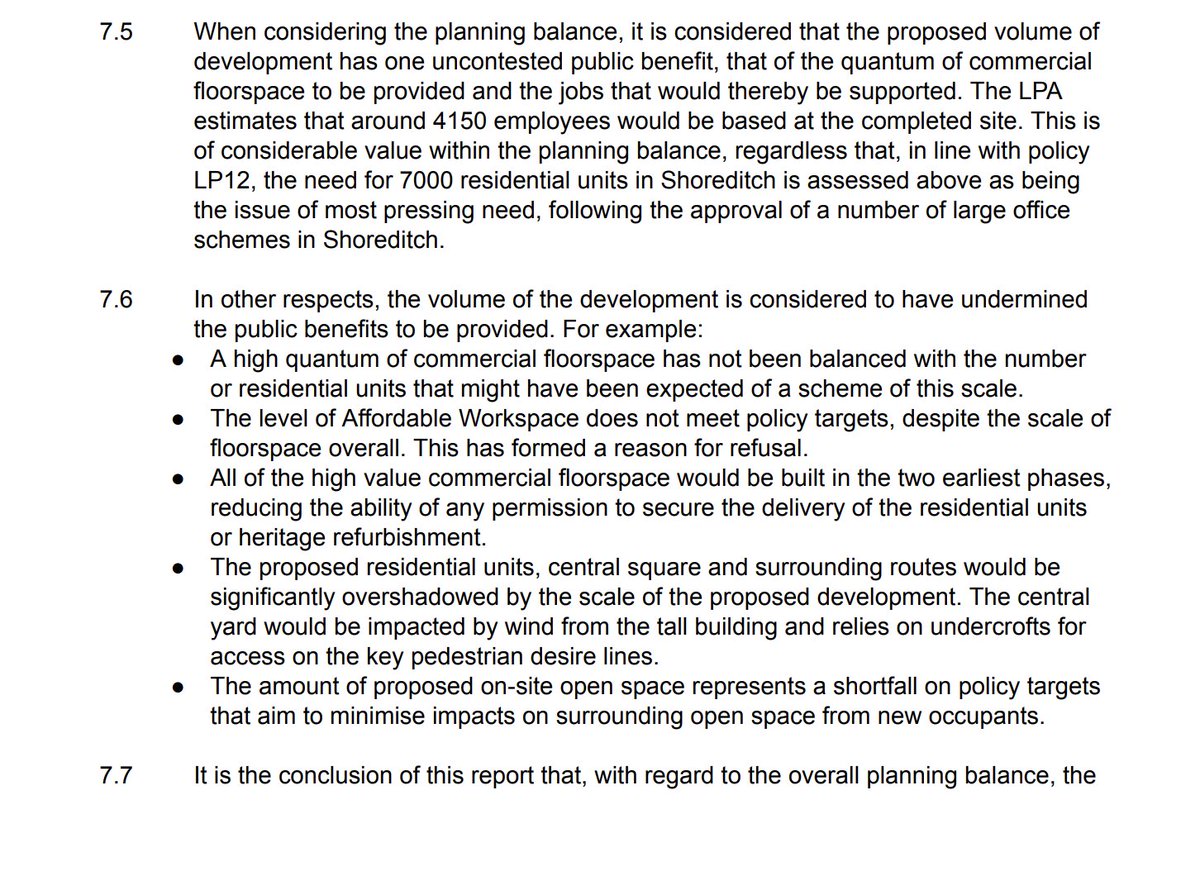
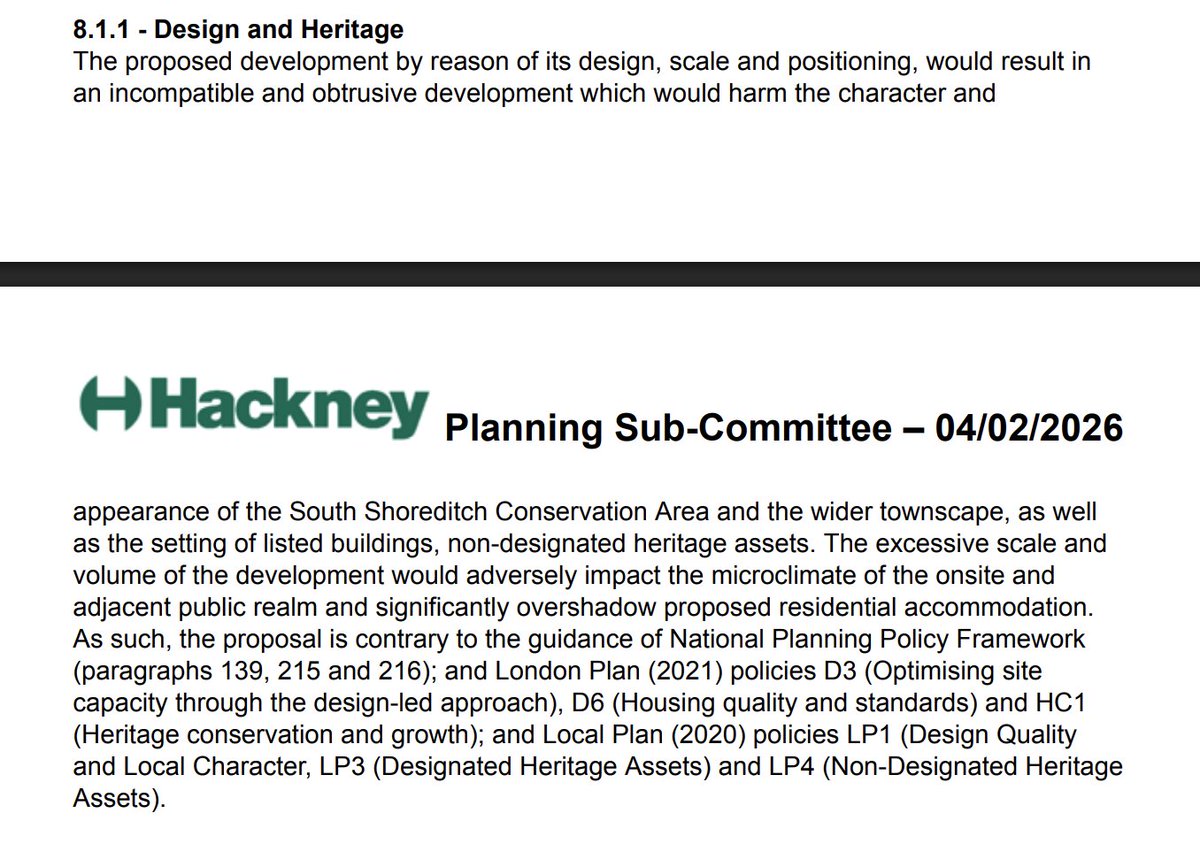
Hackney Planning Dept has recommended rejection of Shoreditch Works, a huge, splendid, mostly commercial development near Liverpool Street Station. As I understand it, their rationale is:
1. They accept it will create space for over 4000 jobs, which they acknowledge to be a good thing;
2. They are however unhappy that it will not create more homes;
3. They note the scheme's financial viability is borderline (due to the deteriorating conditions for development in London generally);
4. They are unhappy with the height of the buildings and their impact on the character of the South Shoreditch conservation area.
Taken together, these lead me to wonder – what scheme actually would be acceptable to the officers?
- The developers could meet the requirement for more homes through adding height, but that would put them even more in danger of the conservation policies;
- They could add homes by subtracting commercial floorspace, but that would make it unviable (commercial floorspace is much more valuable than residential in the City and its environs);
- Meanwhile they could reduce the supposed impact on the conservation area by shrinking the development, but that too would undermine viability.
This leads me to wonder if there is *any* development that Hackney's officers would accept here, despite the Council classing it as an 'opportunity site that is considered of great importance in Shoreditch and Hackney'.
Read "Fail Better: Dante Gabriel Rossetti, Form, and the Aesthetics of Successful Failure" by Nicholas Dunn-McAfee, from the Winter 2024 issue of Victorian Poetry
It's free to read, #S2O#OpenAccess via @ProjectMUSE
https://t.co/wLnfdWI93r
Apparently the Govt is planning a blanket permission for homes in walking distance of railway stations, as well as huge suburban densification. If this is for real, it is undeniably extremely radical, exploding the Govt's reputation for timidity and intellectual exhaustion.
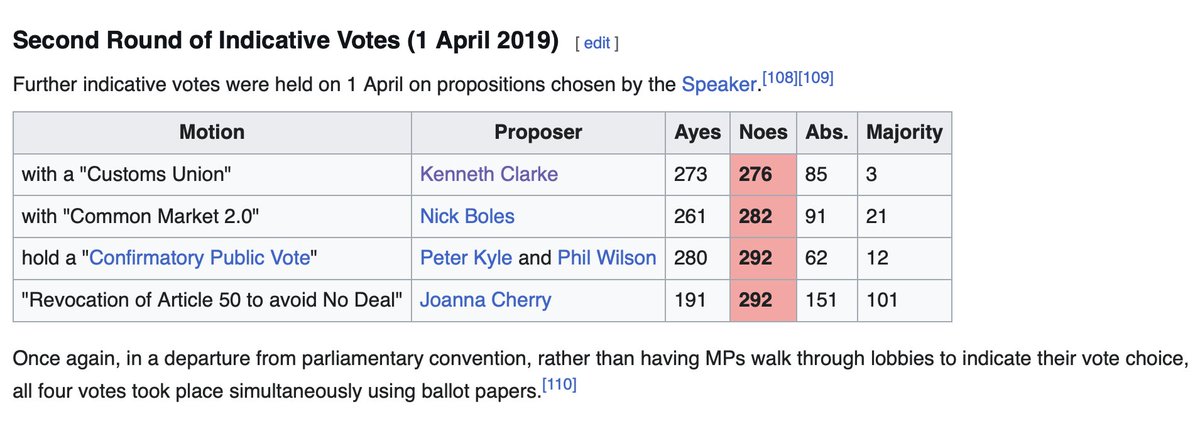
@BenRamanauskas An excellent way to induce crippling despair and panic about our institutions is to remind yourself how popular it was re: the 'indicative votes' bunfight.
This was written when I was Visiting Research for The Rossettis exhibition at @delartmuseum, so thank you again for having me.
My thinking here owes much to the indomitable Sophie Lynford and our endless conversations about the double works of art while I was in residence.
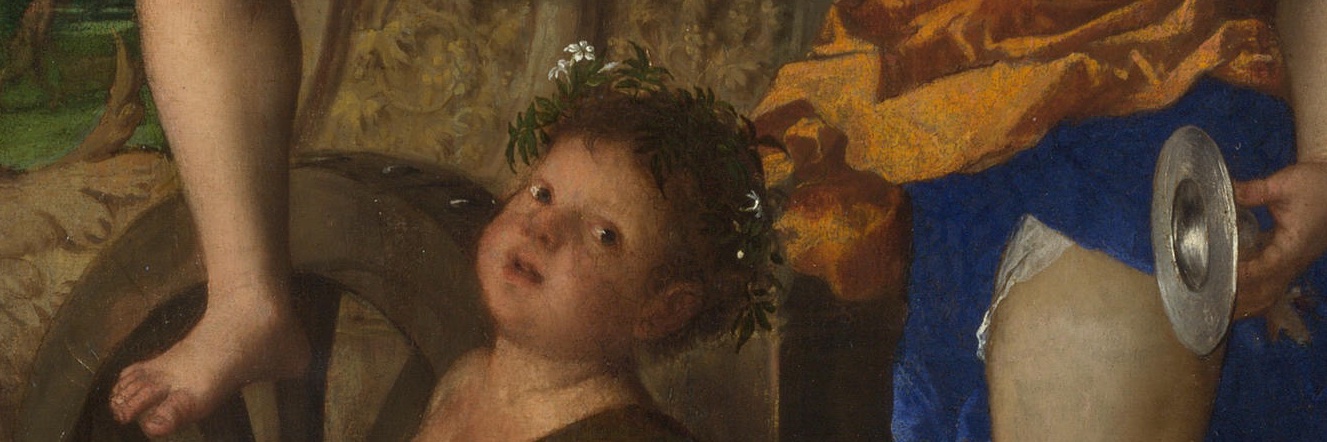
A new article by me in Victorian Poetry, on a poem and painting that has fascinated and baffled me for years — Rossetti's Lady Lilith (1866-68, altered 1872-73)!
'Fail Better: Dante Gabriel Rossetti, Form, and the Aesthetics of Successful Failure'
https://t.co/W8Selo0yGT
I have a friend in Paris
Late twenties
Essentially limitless funds
Lavishly-decorated mansion near Fonteney
Library of priceless early Medieval Latin texts
Garden of poisonous exotic flowers
Jewel-encrusted tortoise
But he can’t get a date
Is the dating scene in France cooked?
American writers fighting: we both went to Harvard but my dad was merely a public interest lawyer while yours was a CAA agent, so I’m basically working class
British writers fighting:
Hey, there’s a hip new wine bar in New York City. It’s open on Sundays, comes with “small bites,” and you just might learn a thing or two there. Sound interesting? It’s called church…
@VRoskams On very short list of things that Ruskin would appreciate about our current age, “the slow meticulous labour of plasticine animation” does make the cut.
BRAGG: So tell me about the Reformation then. Why was this such a momentous event?
ACADEMIC: Well in many ways it would be wrong to talk of 'the' Reformation, but rather, a series of different, perhaps related-
BRAGG: Don't fuck me around pervert
Classic literature is difficult because the knowledge it contains is powerful and dangerous and should only be accessible to an elite clerical class. Hope this helps