🙏 A prayer for anyone carrying guilt today
Lord, I don't just want to feel bad about what I've done.
I want actually to turn.
Teach me the difference between remorse that circles endlessly
and repentance that walks toward you.
I am bringing this to you
not to a priest, not to my own conscience, not to the mirror.
To you.
Receive me.
Amen.
— Save this if you need it today.
Judas's tragedy is not that he sinned too greatly for grace.
It's that he never brought his sin to the only place grace lives.
Peter's sin was just as real.
His restoration was just as available to Judas.
The thief on the cross had one breath left and used it to turn toward Jesus.
It is never too late to turn in the right direction.
But the direction matters more than the feeling.
Have you ever confused remorse with repentance, feeling bad without actually turning?
Share below.
Remorse and repentance can feel identical from the inside.
Both involve guilt.
Both involve acknowledgment.
Both can involve tears.
The difference is direction.
Remorse is sorrow focused on yourself: what you've lost, what you've done, how bad you feel.
Repentance is a turn away from the sin and toward God.
"Godly sorrow brings repentance that leads to salvation and leaves no regret, but worldly sorrow brings death." — 2 Corinthians 7:10
Judas had worldly sorrow.
It destroyed him.
The question is never just "do you feel bad?"
It's "where are you taking it?"
Here's what makes Judas's story so haunting:
Peter also betrayed Jesus that same night.
Three denials.
Out loud.
In front of witnesses.
Both men felt crushing guilt afterward.
But Peter ran back to Jesus.
Judas ran away from Him to the wrong people, with his confession, looking for relief that religion could not give.
"I have sinned," he told the chief priests.
They said: "That's your problem." (Matthew 27:4-5)
Remorse looks for somewhere to put the guilt.
Repentance brings it to the only One who can remove it.
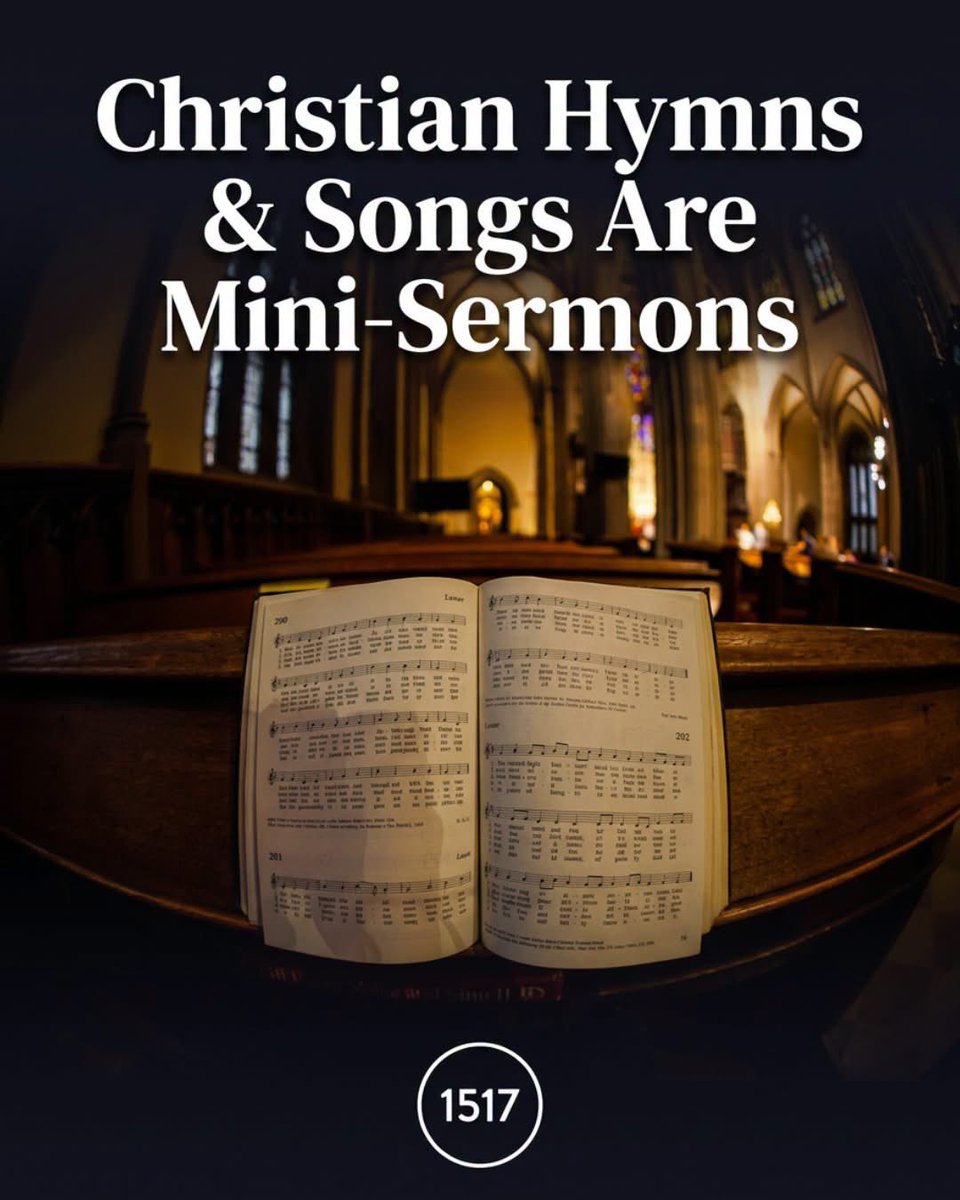
Most Christian worship services don’t have just one sermon. They have three, four, five, or six. One is spoken; the others are sung.
Of course, there is the sermon preached by the pastor, based upon the Word of God.
But there are also the hymns and songs sung by the congregation. Each of these is a miniature musical sermon. In them, we proclaim the word of God to one another.
That’s why the hymns and songs we sing matter. They are not filler between the important parts of the service. They are not to be chosen flippantly. They are one of the most vital parts of the service. Through them, the word of God is confessed, taught, and proclaimed in song.
This began early in Israel’s life and continued in the Psalms. We see it in today’s Bible in One Year reading from Deuteronomy 31. The Lord commanded Moses, “Now therefore write this song and teach it to the people of Israel. Put it in their mouths…” (Deut. 31:19).
The Song of Moses was not entertainment. It was instruction. It was theology set to music. God gave it to his people so that it would be a witness among them (Deut. 31:19-22). As they sang it, they were proclaiming God’s word to one another.
The same practice continues in the church. Paul exhorts believers to teach and admonish one another “with psalms and hymns and spiritual songs” (Col. 3:16). Likewise, he tells the Ephesians to address one another “in psalms and hymns and spiritual songs” (Eph. 5:19).
Notice that we sing not only to God but also to one another. As the congregation joins its voices together, Christians are teaching, encouraging, comforting, and admonishing their neighbors with the truths of God’s word.
So the next time you gather with the body of Christ, remember that when you sing, you are doing more than making music. You are proclaiming the word of God to the people around you. The person beside you is preaching to you in song, and you are preaching to them.
P.S. Turn down the organ and/or lower the volume of the band, so we can actually hear one another singing the words. Please!
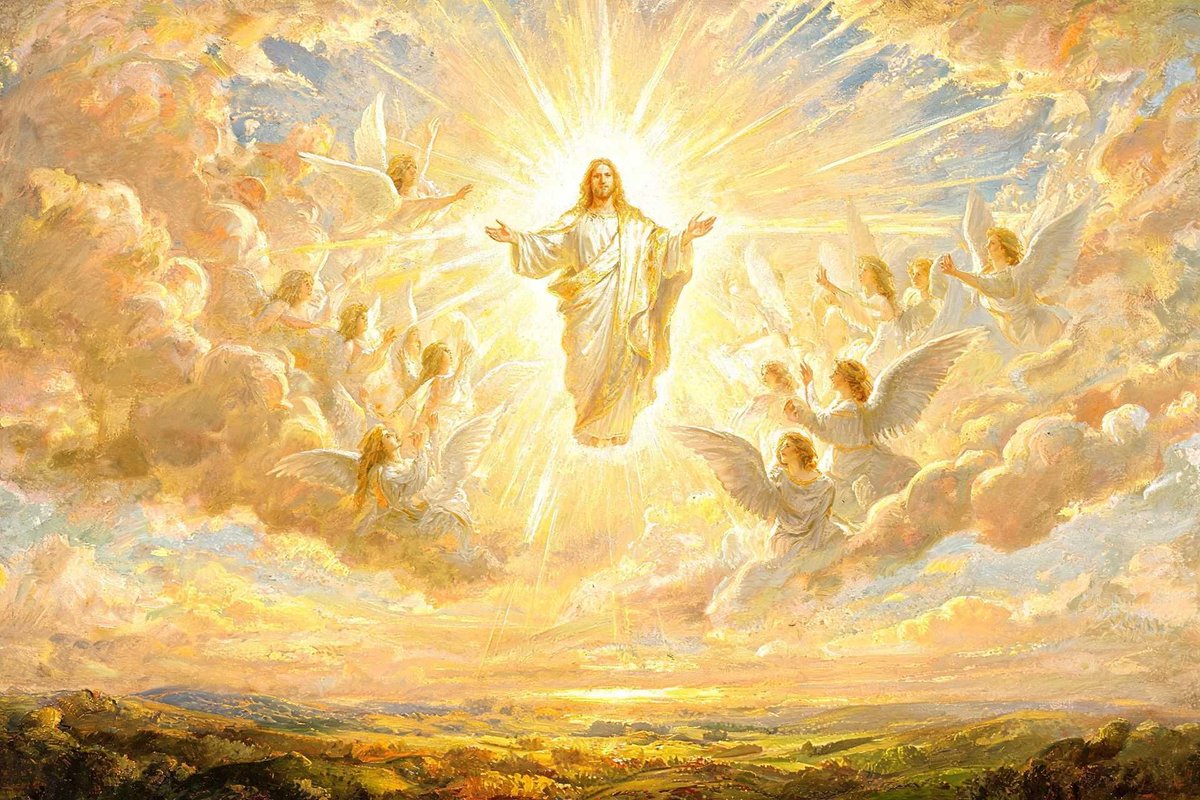
Most Christians know Jesus is coming back.
Far fewer can say why.
The return of Christ isn't just a dramatic ending tacked onto history. It's the completion of everything the story has been building toward.
The Bible gives clear reasons, and understanding them changes how you live right now.
Here's why Jesus is coming back.
A thread. 🧵
Zacchaeus climbed a tree just to see Jesus.
Jesus stopped the whole crowd just to see him back.
The smallest act of seeking gets the full attention of heaven.